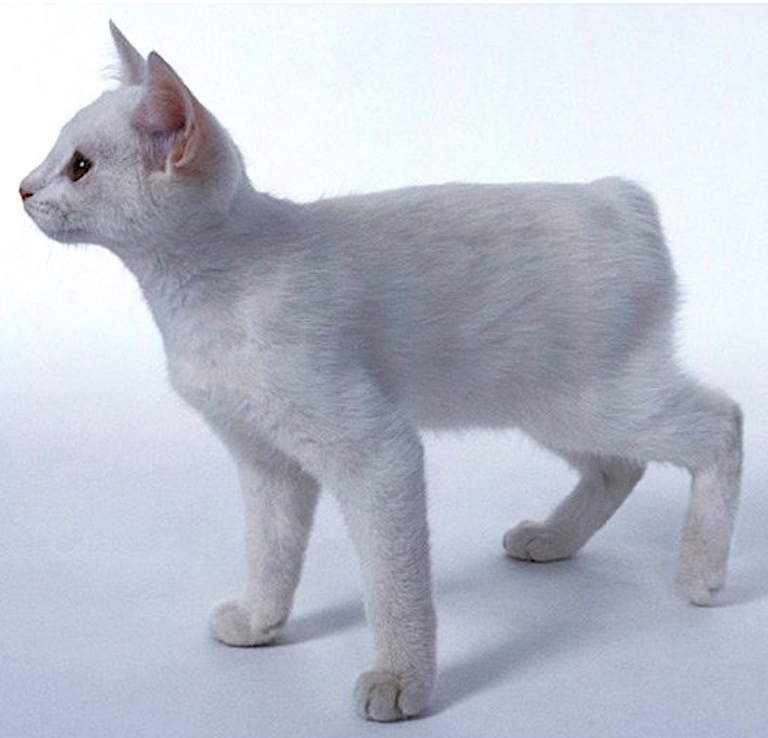
Heads or Tails

  Dec 22, 2016 Comets and asteroids. “A new comet model is presented that resolves the chief problem of abnormal cometary motions and accounts for a number of other cometary phenomena. The nucleus is visualized as a conglomerate of ices, such as H2O, NH3, CH4, CO2 or CO, (C2N2?), and other…
Continue reading

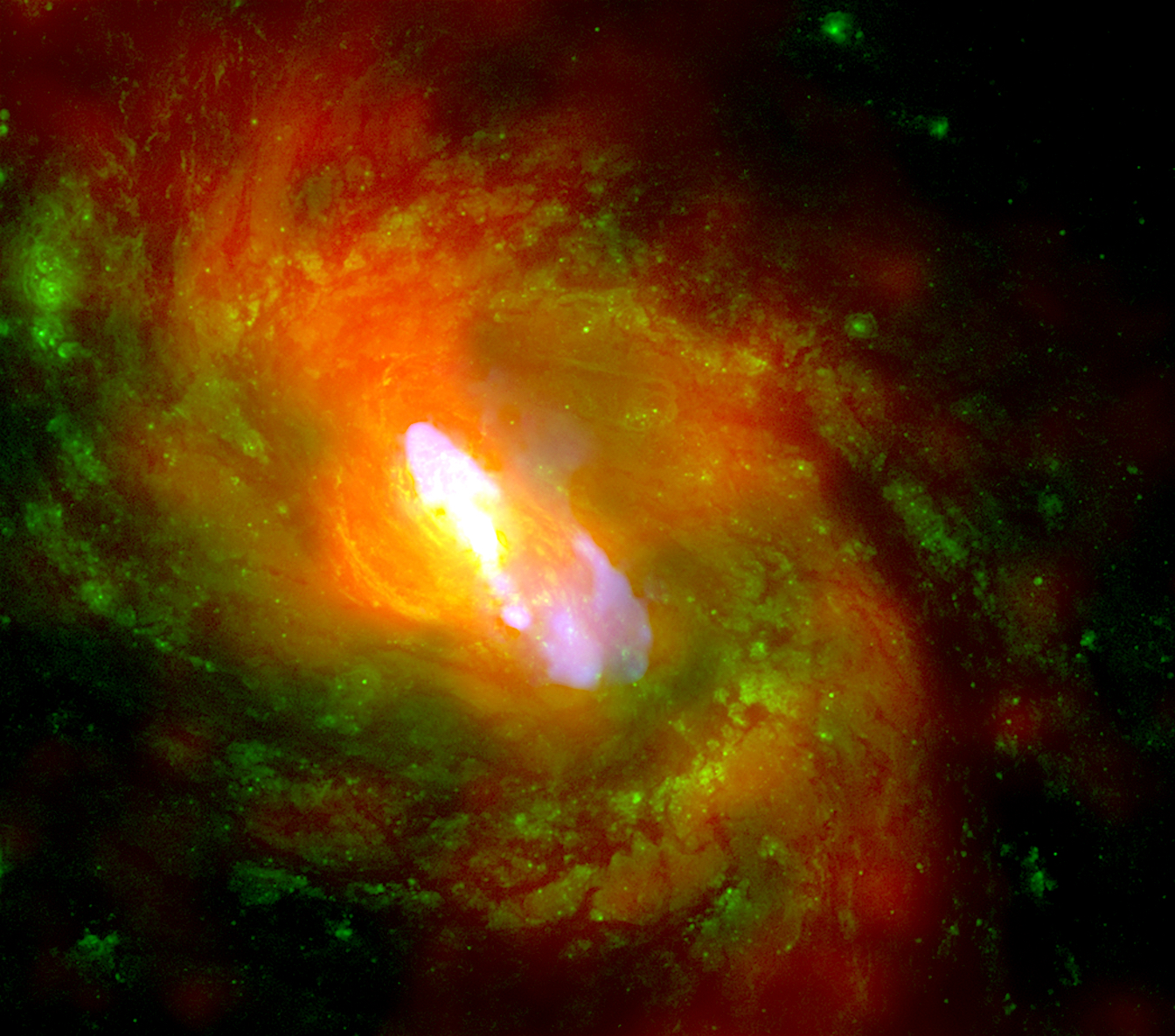
Motor Function

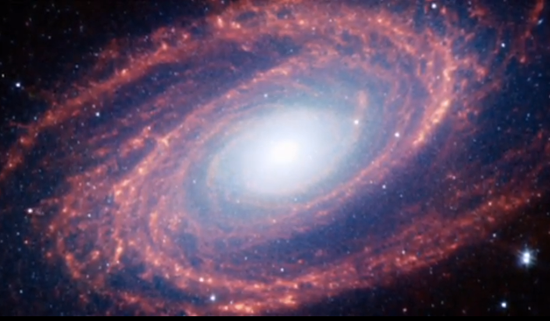
  Dec 16, 2016 Electricity powers galactic disks. Electric Universe advocates argue that galaxies act like a device invented by Michael Faraday more than a hundred years ago, the homopolar motor. A homopolar motor is driven by magnetic fields induced in a circular, conductive metal plate. The metal plate is…

Continue reading

Sudbury

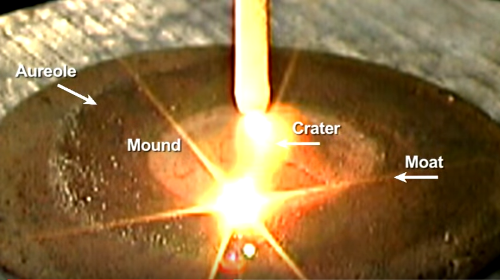
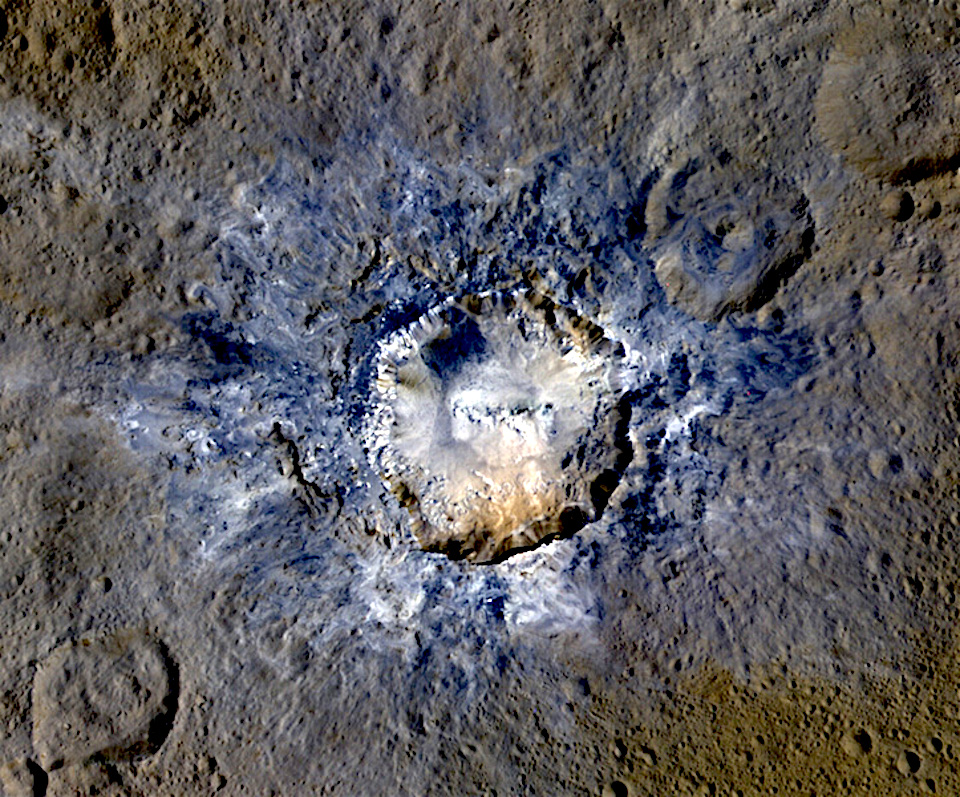
  Dec 14, 2016 Was it a rock that collided with Earth? North America is home to many craters that are said to be formed by asteroids. As a previous Picture of the Day pointed-out, one of those craters is thought by consensus geologists to be the remains of an…

Continue reading

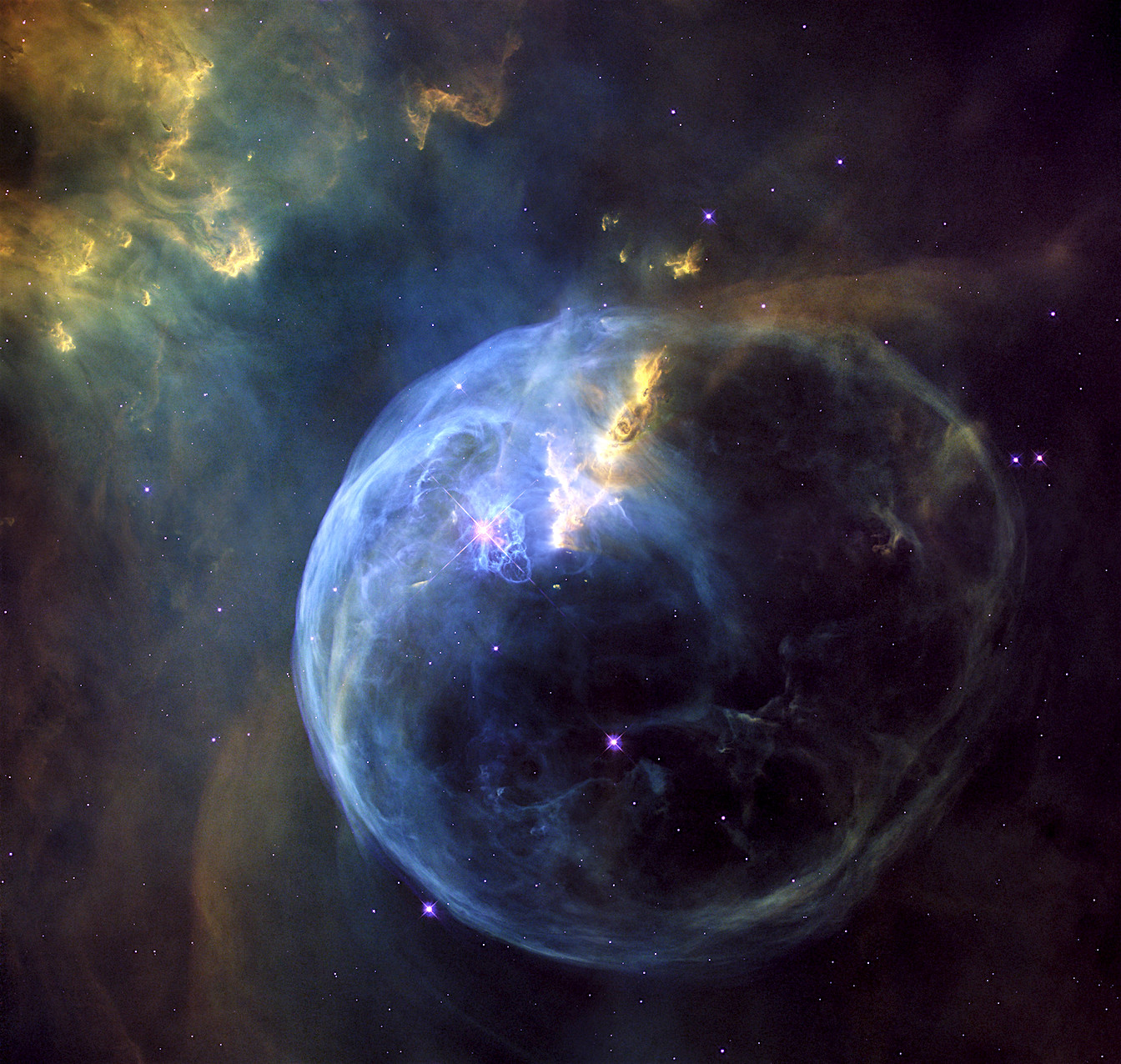
The Hubble Bubble

  Dec 13, 2016 Planetary nebulae are electrical in nature. Contemporary opinions about nebulae involve “winds” of gas and dust created by shockwaves from exploding stars “blowing” through them. They are often described as “star forming” because intense X-ray radiation and extreme ultraviolet light suggest that nuclear fusion reactions are…

Continue reading

Dark Decrepitude

  Dec 9, 2016 If the Universe is expanding at an accelerating rate, then the future is dark. In 1998, two research groups discovered what is now called in consensus circles, “dark energy”. Saul Perlmutter of the Lawrence Berkeley National Laboratory and Brian Schmidt from the Australian National University projects…

Continue reading

Reflections

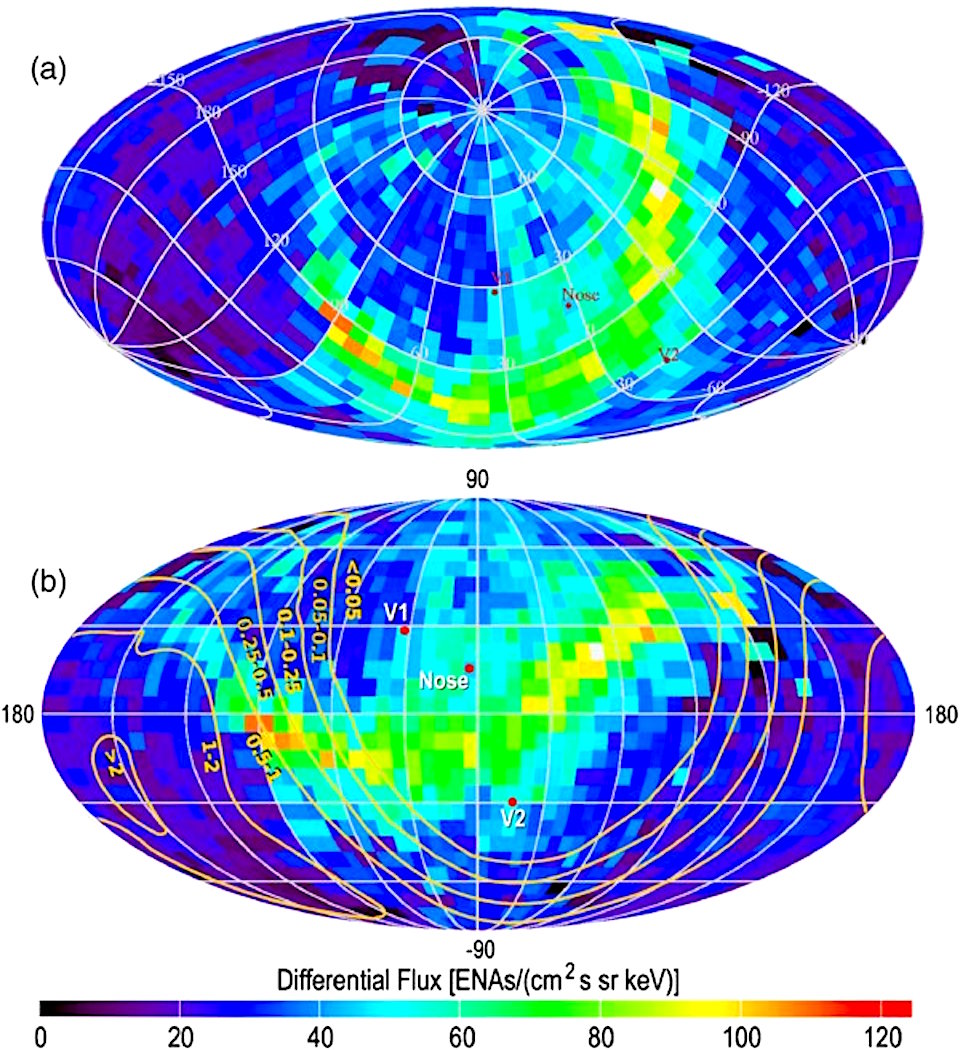
  Dec 8, 2016 Boundary layers in the heliosphere. Space is a vacuum, it is said. As written elsewhere, material in space is far more diffuse than any vacuum that can be created on Earth, but matter does exist there. The best vacuums created on Earth reach a 0.1 millimeter…

Continue reading

Solar Supreme

  Dec 7, 2016 Perhaps lightning powers the wind. Weather on Earth is thought to be driven by solar influences on the atmosphere. As Earth rotates beneath the Sun, gases and dust absorb radiation in varying degrees. Heat causes the air to expand and lose density, creating low pressure regions….

Continue reading

Plasma Stars

  Dec 5, 2016 What is a supernova? In an Electric Universe, stars do not follow a course through life that conventional understanding demands. Since stars are not balls of gas squeezed by gravity, other physical conditions must be considered. Plasma, for example, is not merely a “hot gas”, it…

Continue reading