Wag the Dog

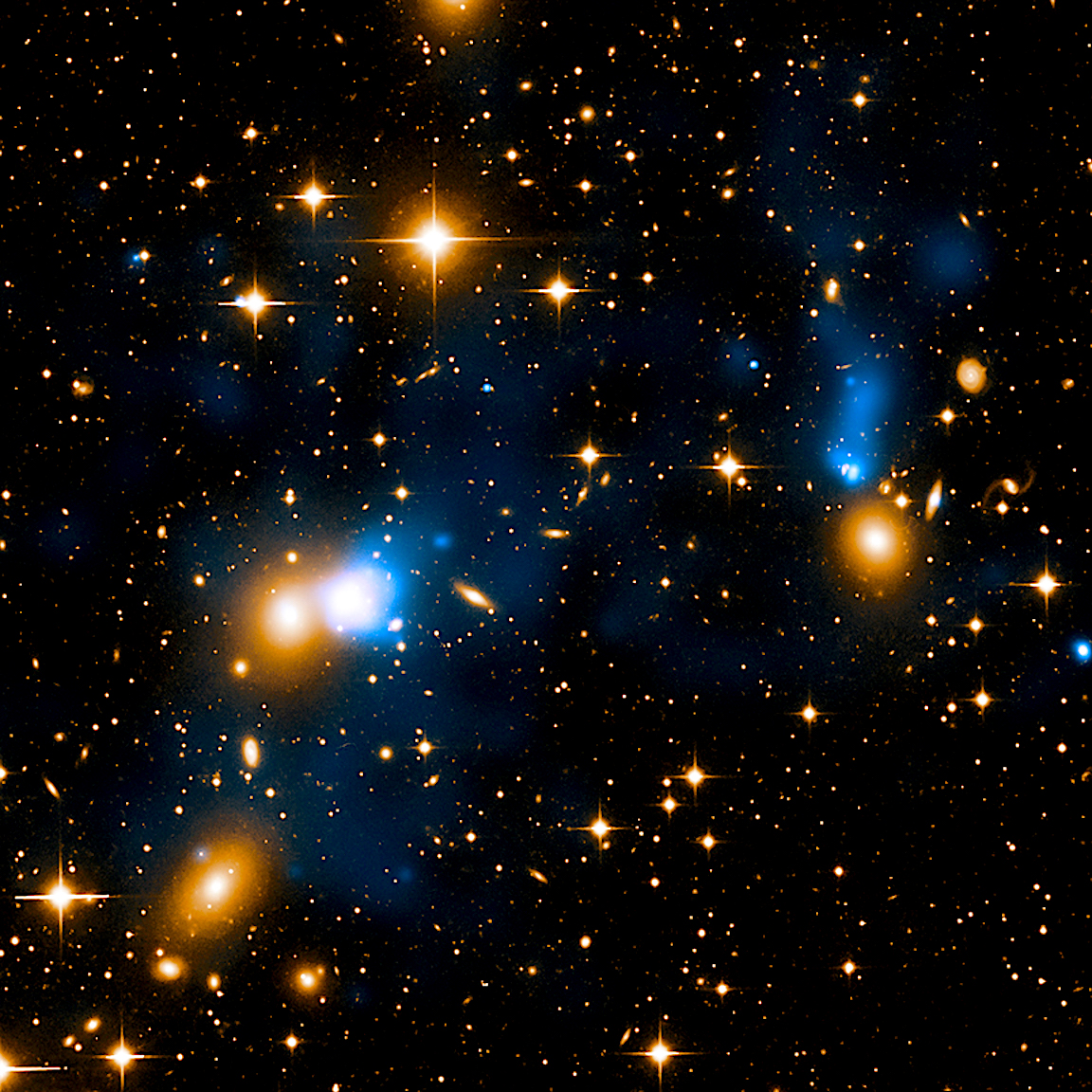
  Dec 28, 2015 Interpreting observations should include an electrical perspective. According to a recent press release, astronomers discovered a galactic filament extending outward from galaxy CGCG254-021 on a scale never before observed. As the announcement states: “This ribbon, or X-ray tail, is likely due to gas stripped from the…

Continue reading

Gravity vs. Plasma

309187

  Dec 24, 2015 Kuhn’s 1962 essay (The Structure of Scientific Revolutions) exploring the nature of changes in scientific theories, and a plethora of commentaries since, have made it out to be a Big Deal and to be also somewhat mysterious: “revolution”, “incommensurability of paradigms”, “new world”, etc. It seems to…

Continue reading

Ouranos

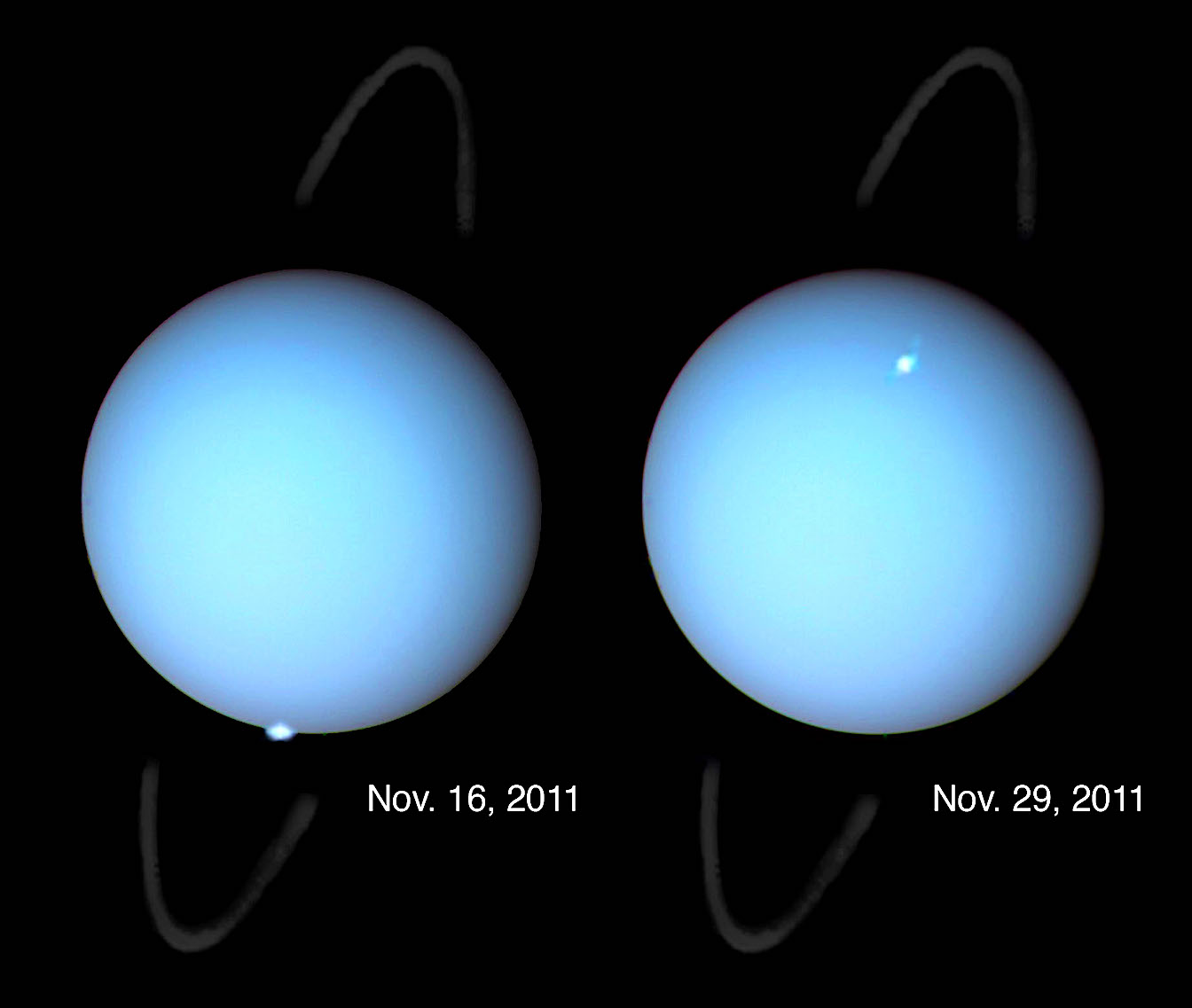
  Dec 23, 2015 Uranus is like the other gas giants. Uranus is 50,724 kilometers in diameter at the equator, although its equator is tilted almost 90 degrees past horizontal when compared to other planets in the Solar System. Most of them are tilted no more than 24 degrees past…

Continue reading

Steady On

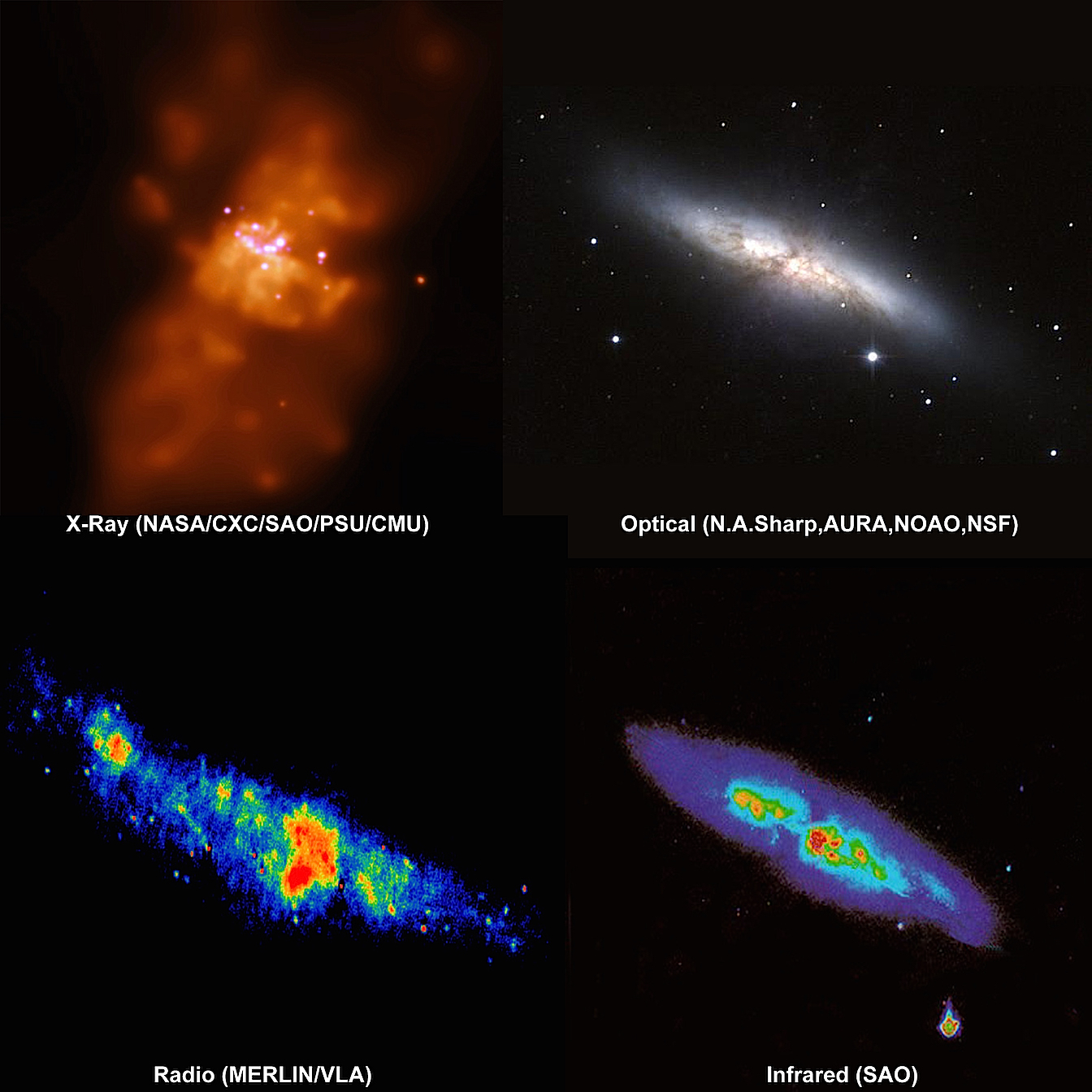
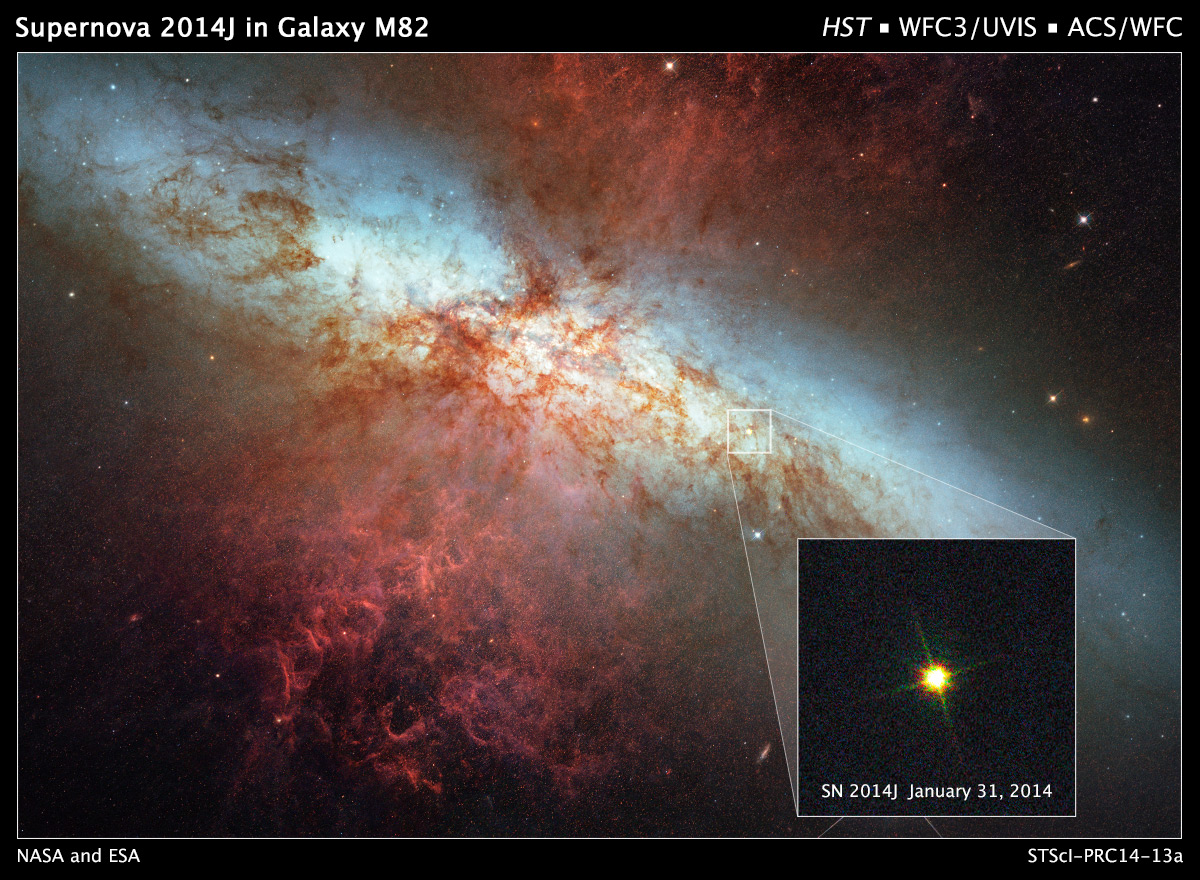
  Dec 22, 2015 Something near M82 started sending out powerful radio waves more than five years ago and has been holding steady ever since. Energy emissions in radio wavelengths are shining from somewhere near galaxy M82, otherwise known as the Cigar Galaxy. The fact that nothing like them had ever…

Continue reading

Country Cousin

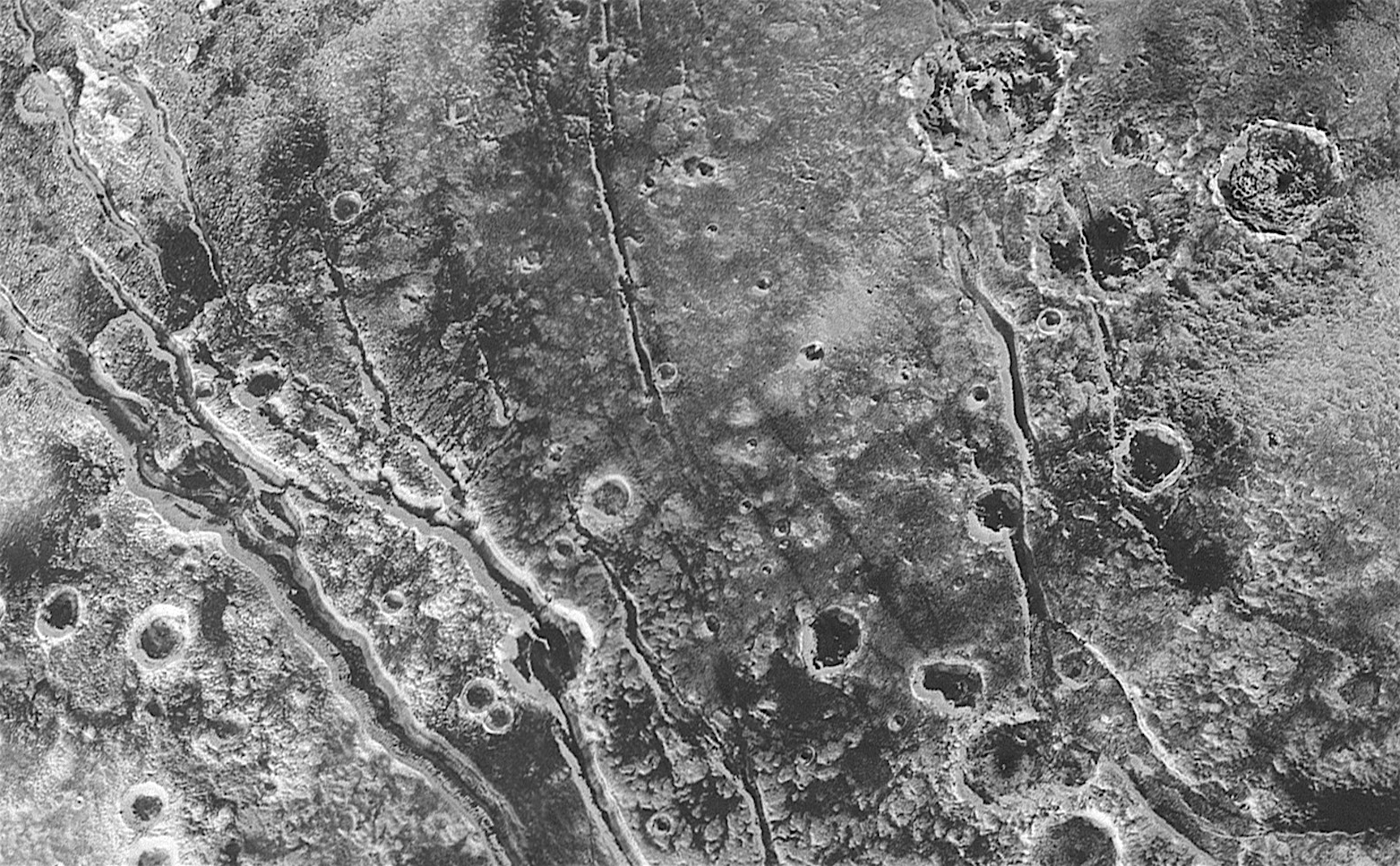
  Dec 21, 2015 New images reveal a celestial body similar to the Solar System’s other rocky denizens. The Kuiper Belt theory was developed by Kenneth Edgeworth, an astronomer from Ireland, and also (separately) by American astronomer Gerard Kuiper in 1951. The first Kuiper Belt Object (KBO) was discovered in…

Continue reading

Star Jets

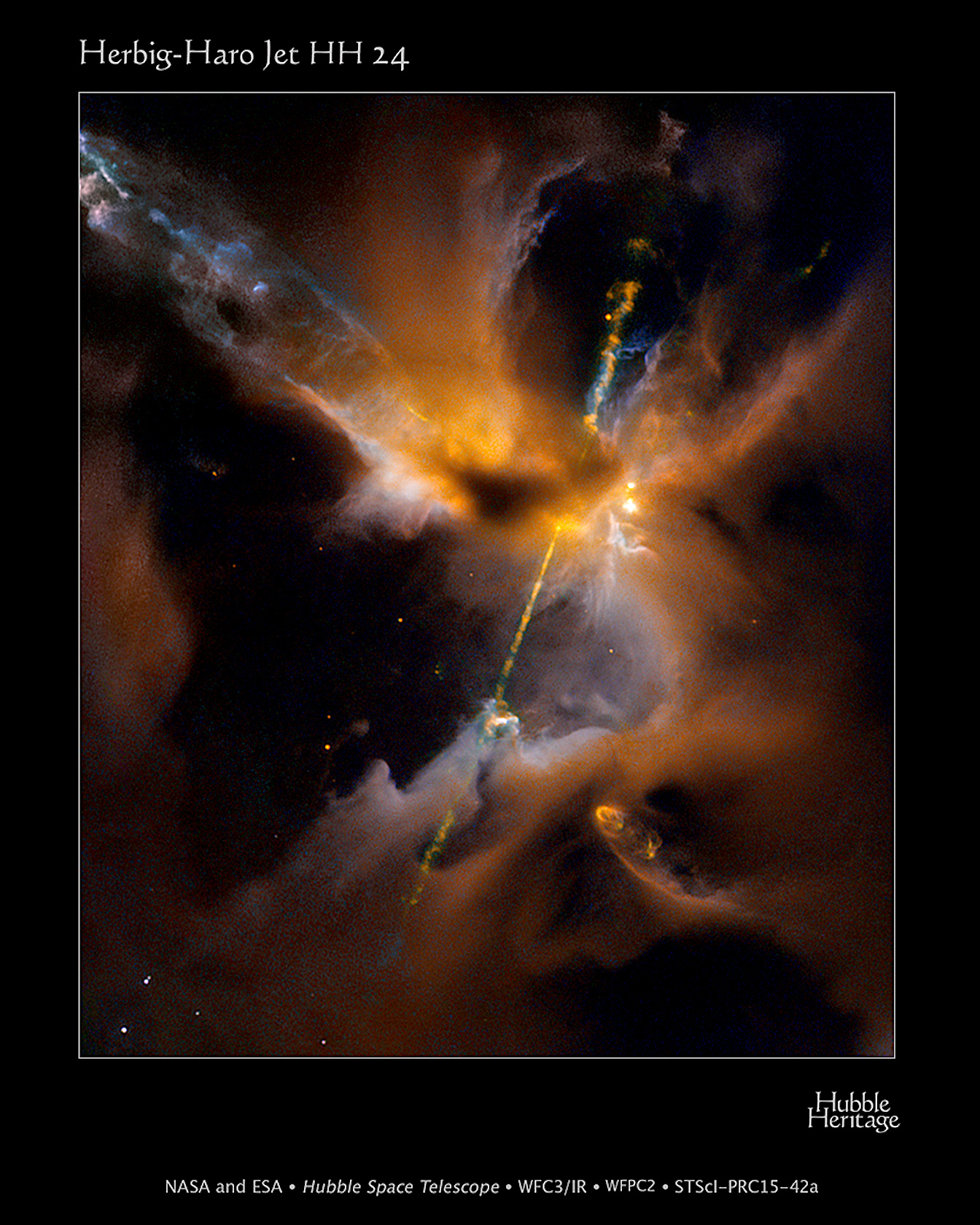
  Dec 18, 2015 How can superheated gas create a jet almost 1500 light-years long? According to a recent press release, collimated jets are normally considered to result from matter falling into the putative gravity field of a black hole. As stellar matter orbits closer to the black hole, it…

Continue reading

Dark Light

  Dec 17, 2015 A new supernova illustrates the same old problems. In January 2014 astronomers discovered the first type 1A supernova seen in a decade. Type 1A class stellar explosions (or, implosions) are important to how astronomers view the Universe for two reasons: their light-curves, or graphs of their intensity…

Continue reading