Jet Setters

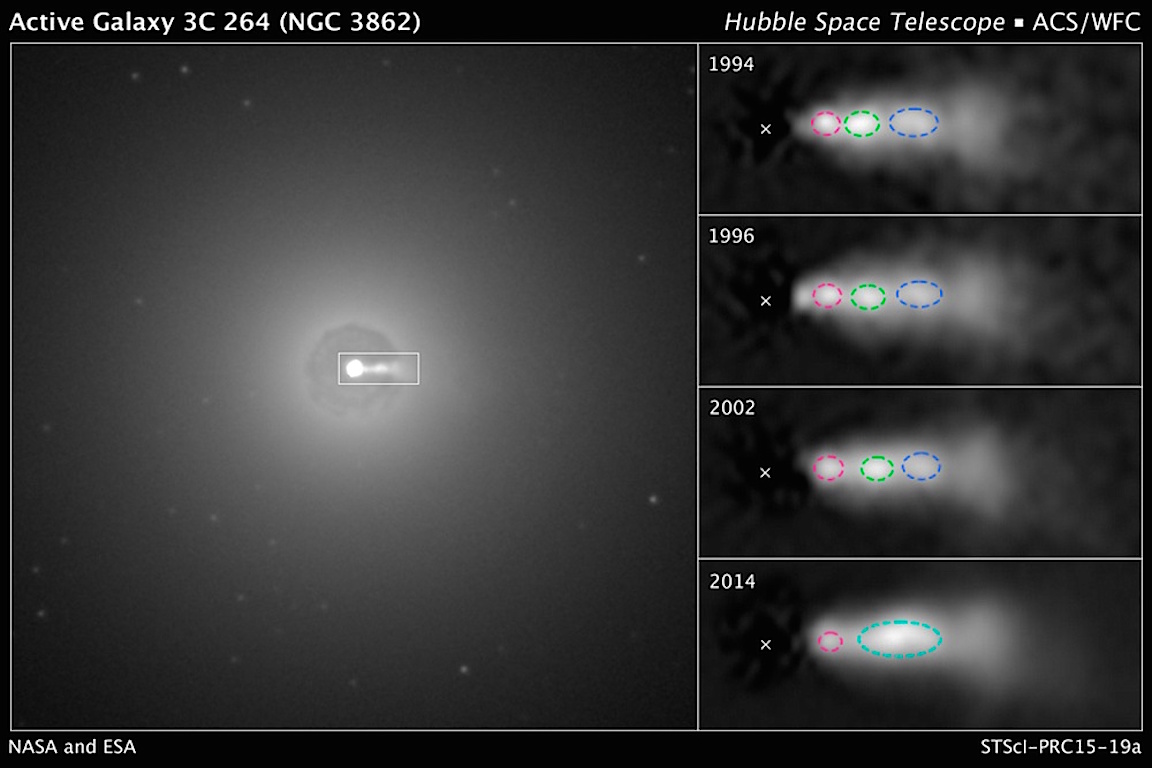
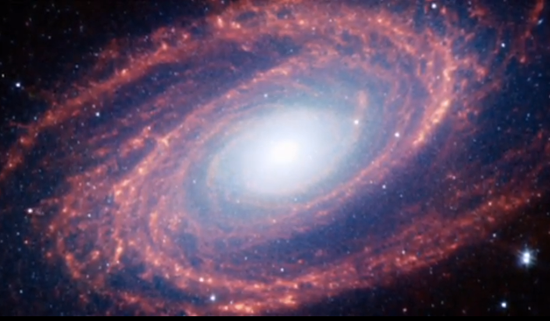
  Jan 12, 2016 What force creates energetic beams that span distances measured in light-years? What confines them into narrow jets? Explaining the jets of ionized particles and X-rays often seen erupting from various galaxies and quasars ranks as one of the most difficult tasks facing modern astronomers. The prevailing theory…

Continue reading

Plasma Igniters

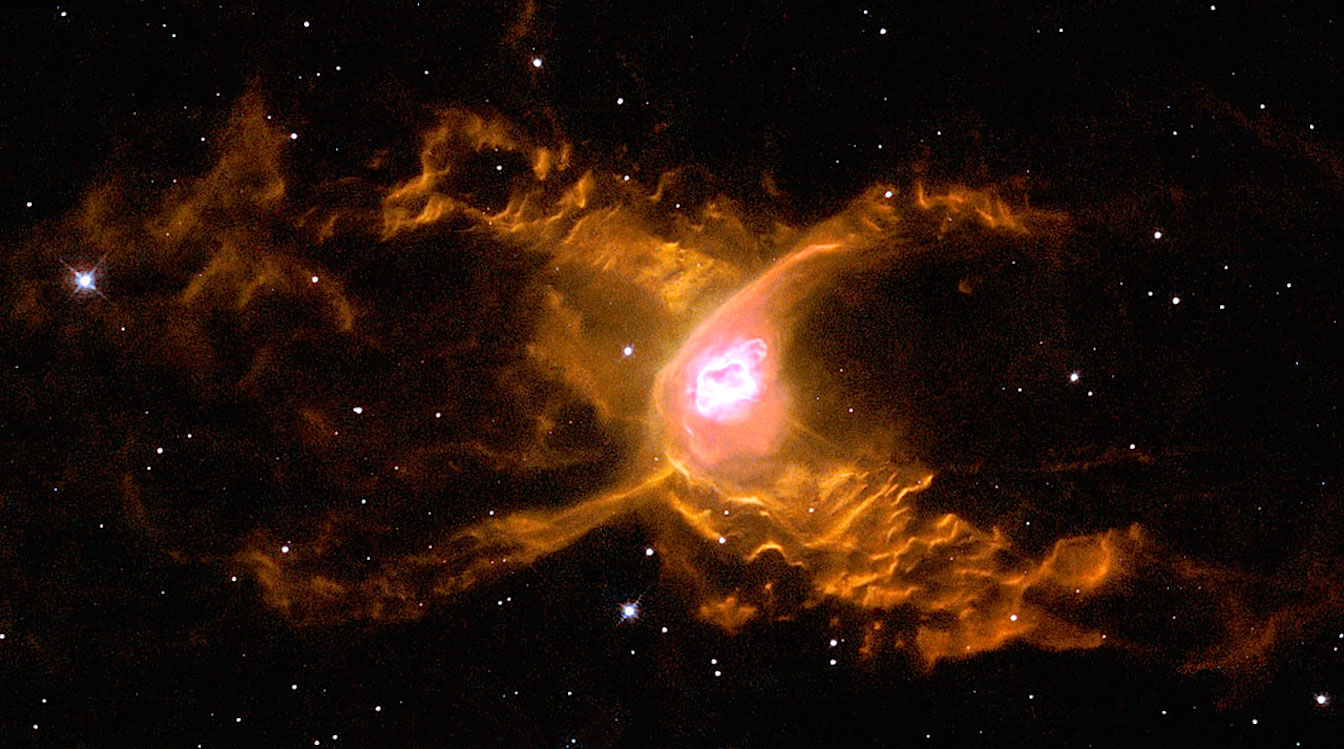
The Red Spider Nebula: Surfing in Sagittarius - not for the faint-hearted!

  Jan 7, 2016 Most nebulae exhibit the unmistakable characteristics of electrical activity. Previous Thunderbolts Picture of the Day articles argue for an electrical interpretation of astrophysical observations. It is an alternative available for those who want extracurricular exploration and deeper levels. Every science journal describes nebulae like NGC 6537 in…

Continue reading

OD-Balls

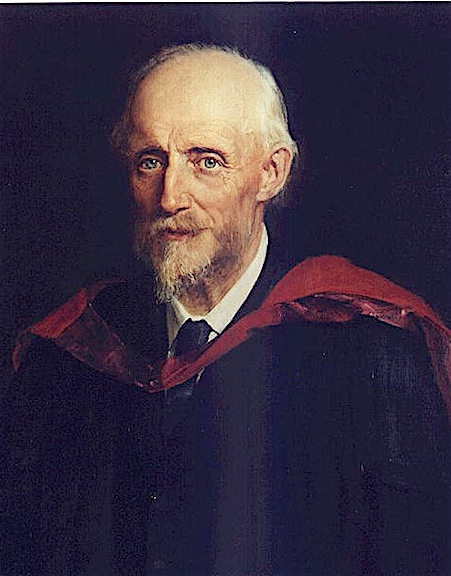
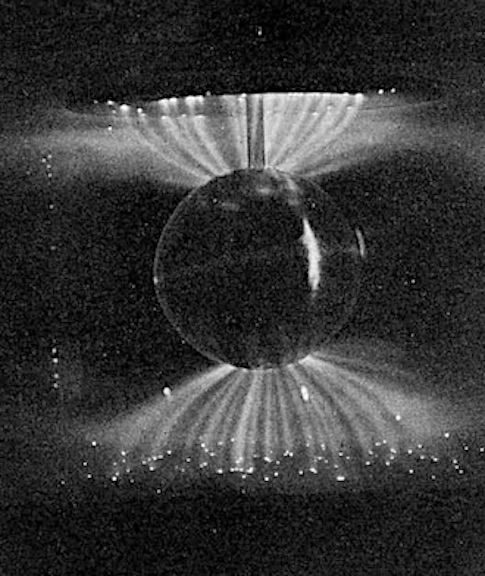
LEFT: BARON CARL LUDWIG VON REICHENBACH (1788-1869). © RUDOLF HOFFMANN (1820-1882). COURTESY SMITHSONIAN LIBRARIES, WASHINGTON, DC. RIGHT: ARCS AND POLAR STREAMS ON ONE OF BIRKELAND’S MAGNETISED TERRELLAE. © BIRKELAND. Jan 6, 2016 In an earlier post, it was shown that Kristian Birkeland was by no means the first to conduct…

Continue reading

Fibers of Being

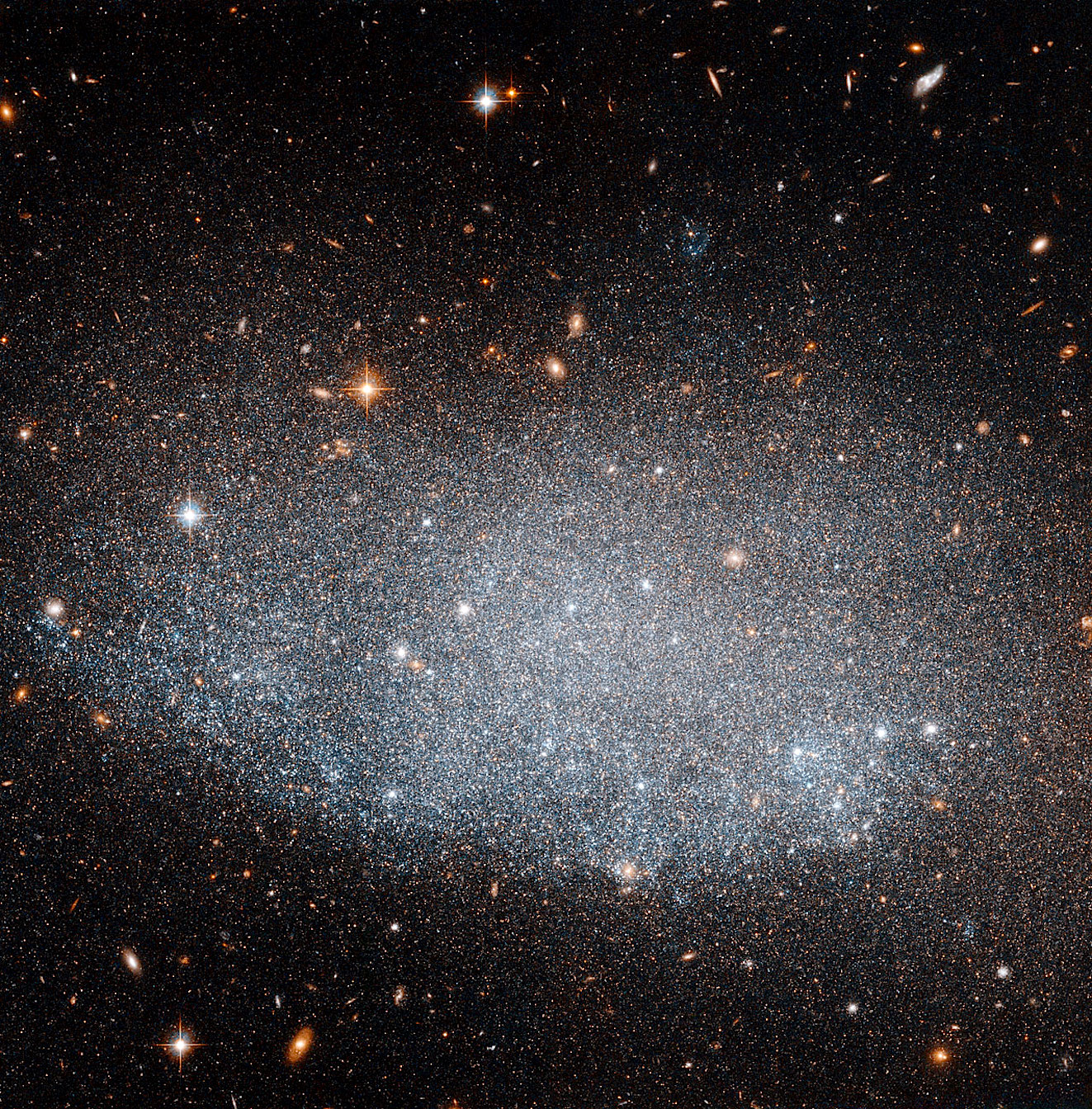
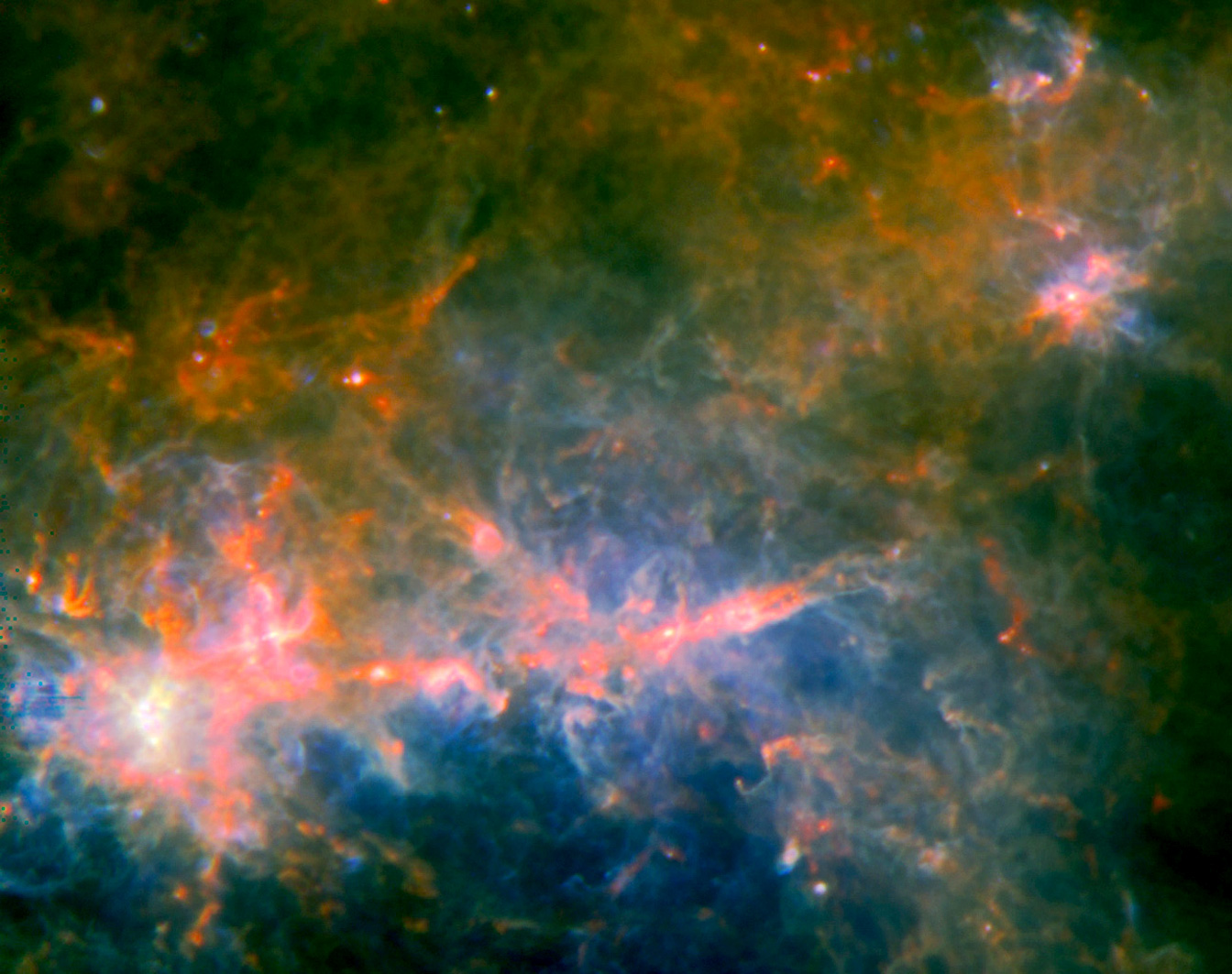
  Jan 5, 2016 The Milky Way is more complex than previously thought. Any substance containing charged particles is a plasma: electrons, positive ions, electrically charged dust, neon lights, lightning, planetary magnetospheres, the so-called “solar wind,” stars, and even galaxies are plasma. However, Electric Universe advocates do not consider plasma…

Continue reading

X-clamation

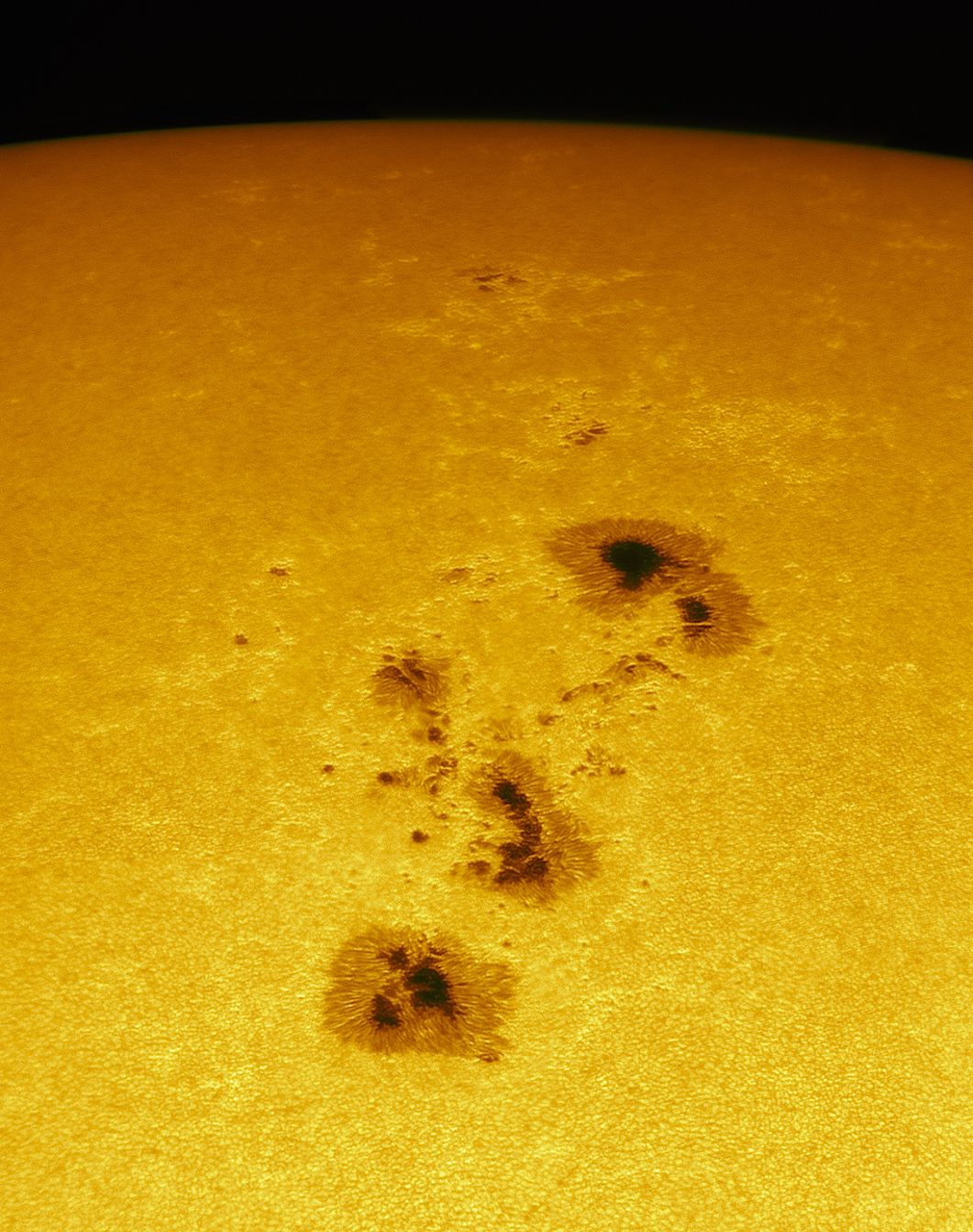
  Dec 31, 2015 An X-2 class solar flare recently missed a direct impact with Earth. Heliophysicists classify solar flares according to their brightness in X-ray wavelengths. C-class flares are the smallest on the scale, with X-ray measurements in the 10^-6 watts per square meter range (W/m^2), while X-class flares can…

Continue reading