Precessional Magnetar

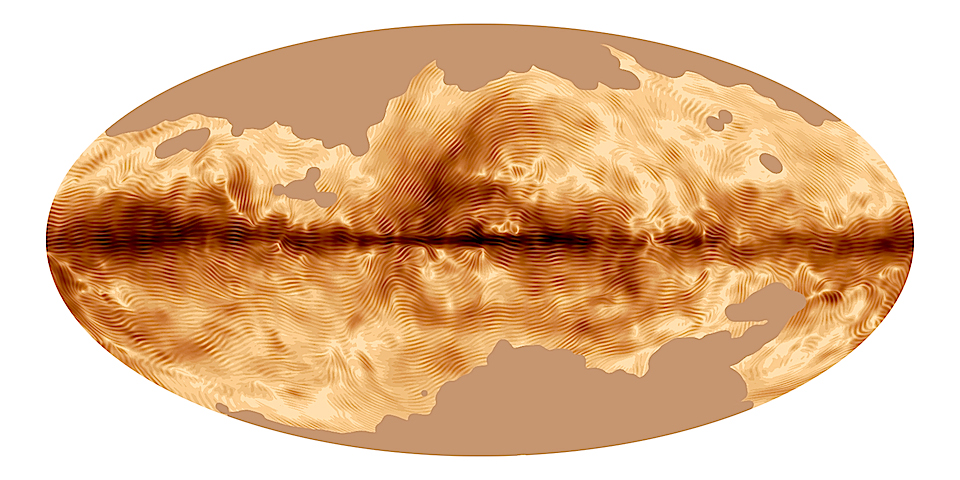
  Nov 17, 2014 A toroidal magnet field is said to be embedded in a magnetar. “Magnetars” are usually classified as “X-ray pulsars (AXP)” or “soft gamma repeaters (SGR)”. As conventional theories argue, they are created when neutron stars reach magnetic field strengths measuring over 10^15 Gauss. Earth’s magnetic field…

Continue reading

Black Lightning

  Nov 14, 2014 Rapid gamma ray bursts from a black hole thunderstorm. An “extremely powerful outburst of gamma rays” was recently detected by the MAGIC telescopes in the Canary Islands. The most remarkable aspect to the observation was that it exhibited “very rapid flux variations”. In other words, the…

Continue reading

Landing on a Comet

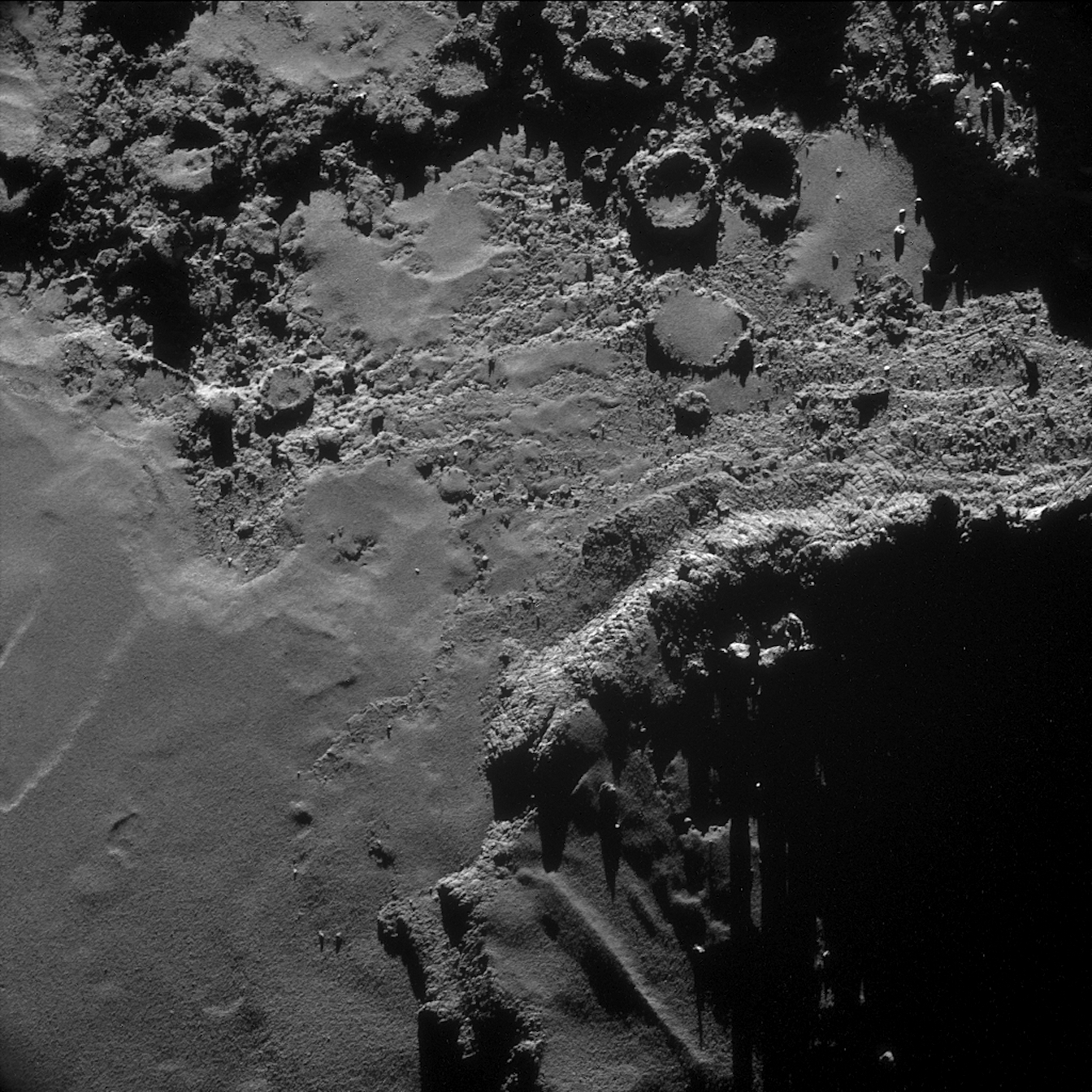
Nov 12, 2014 Picture of the Day articles are meant to highlight scientific achievements and to offer alternative viewpoints. A major scientific achievement is happening now. The Thunderbolts Project urges readers to follow the Rosetta Mission’s climactic landing on Comet 67P/Churyumov–Gerasimenko today, November 12. It is expected that this event will…

Continue reading

Plasma Forms

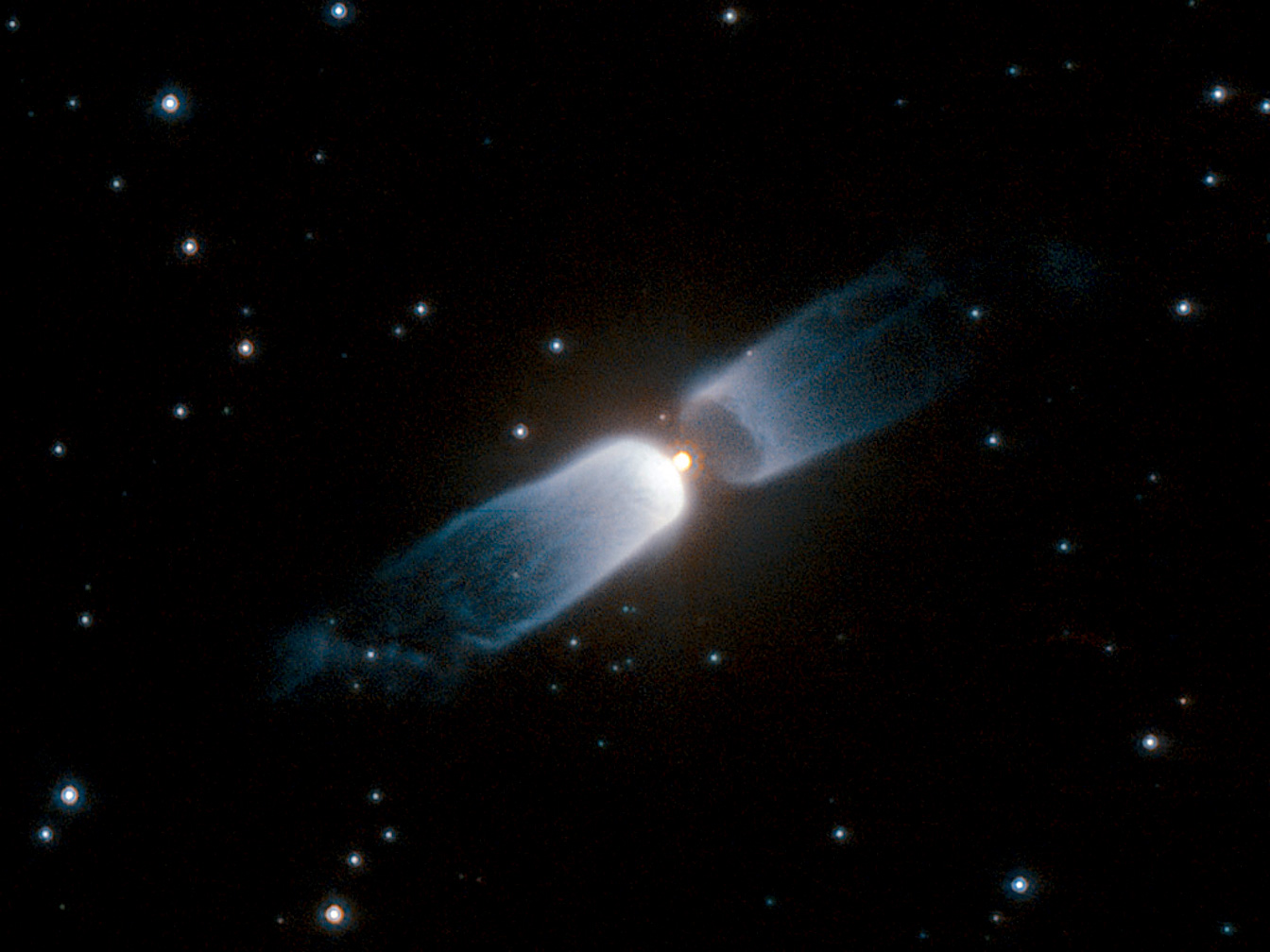
  Nov 10, 2014 Measurements indicate that this nebula is one degree above absolute zero. Temperature has little to do with electricity, though. “Bipolar outflow” is a term used to describe the nebular structure seen above, although the cause of the effect remains baffling to scientists who study such phenomena….

Continue reading

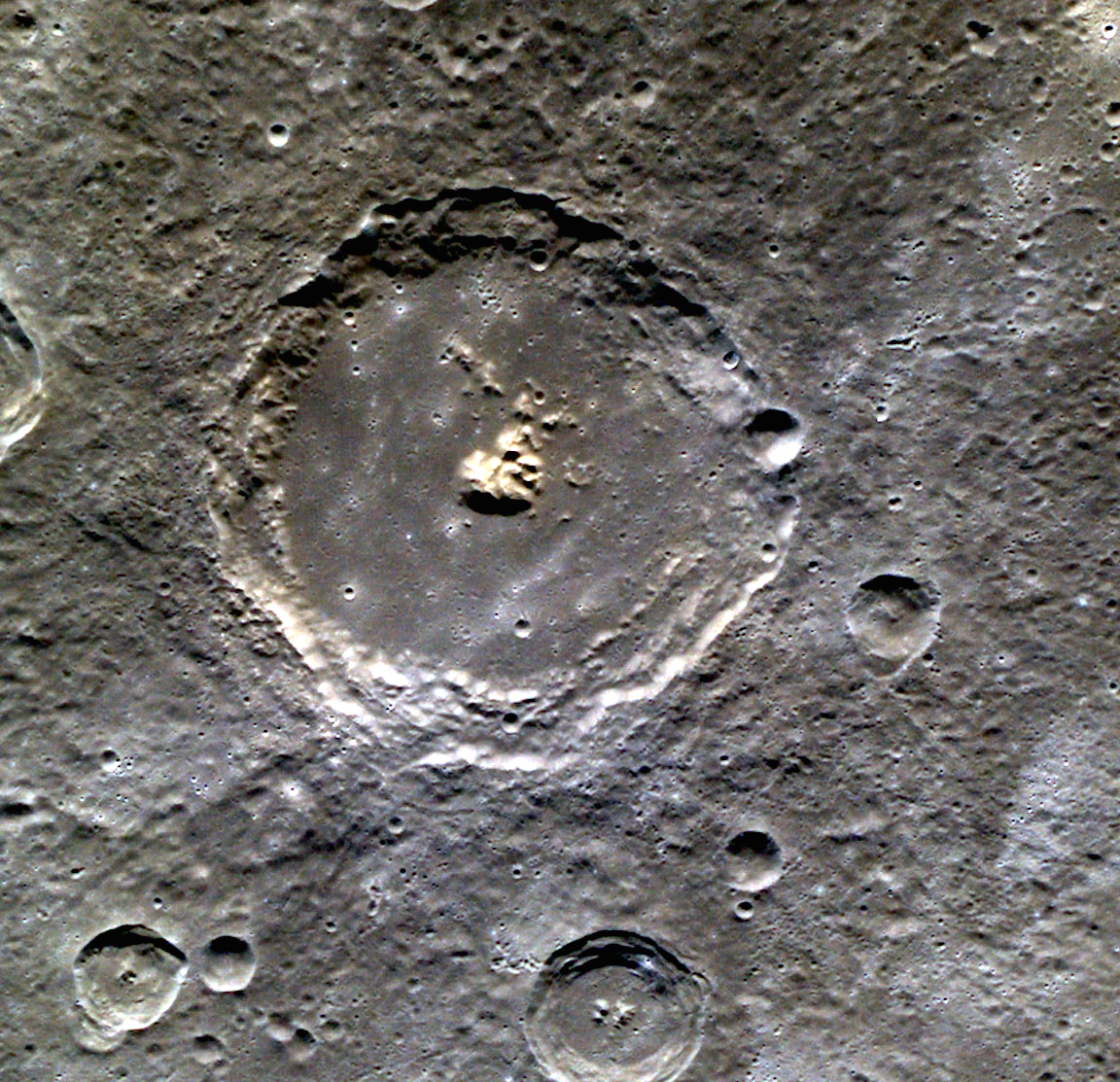
Close Cousins

  Nov 7, 2014 Could Mercury and the Moon be more closely related than previously thought? On March 18, 2011 the MESSENGER spacecraft (Mercury Surface, Space Environment, Geochemistry and Ranging) entered orbit around the planet Mercury. The last time a spacecraft explored Mercury was Mariner 10 during its tour of…

Continue reading

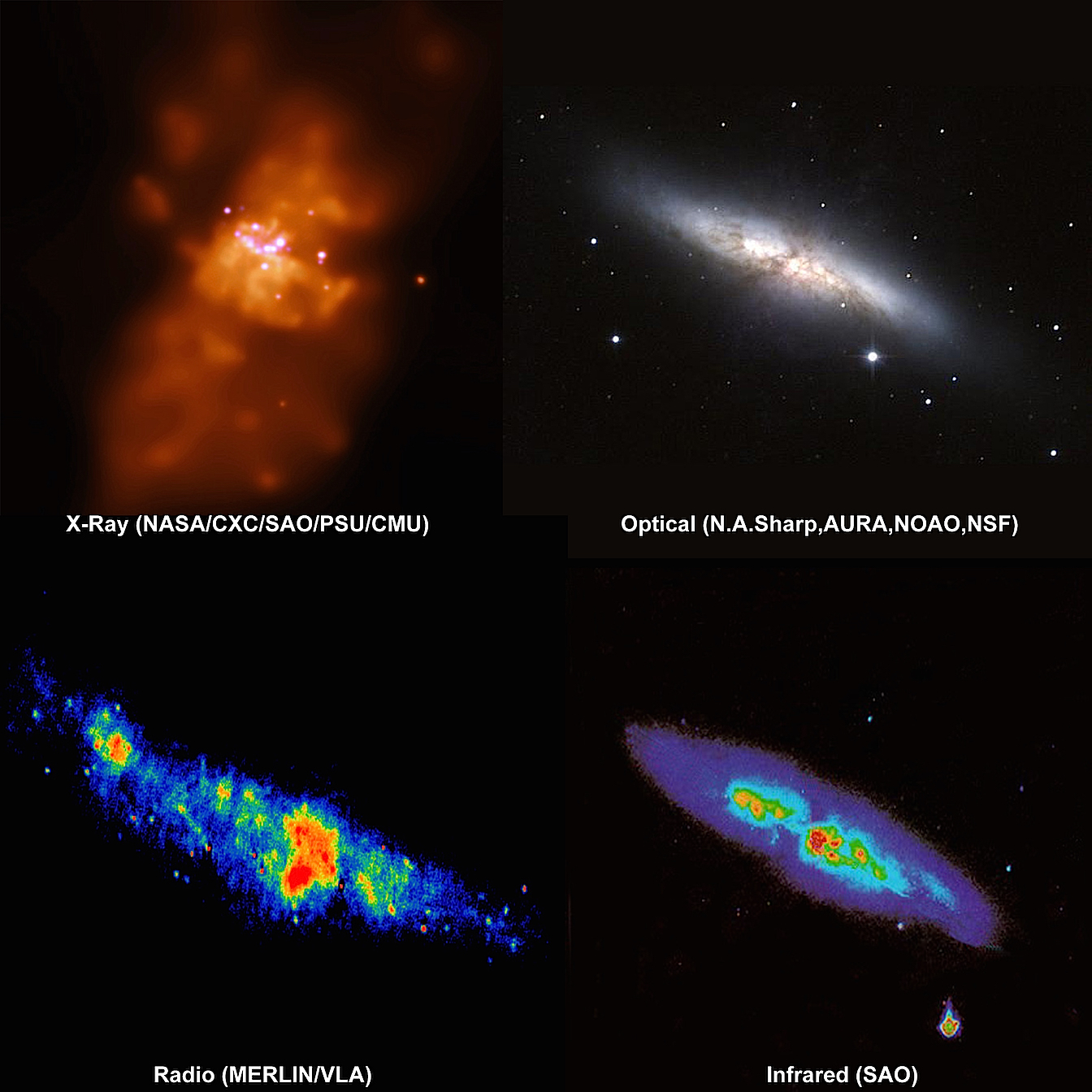
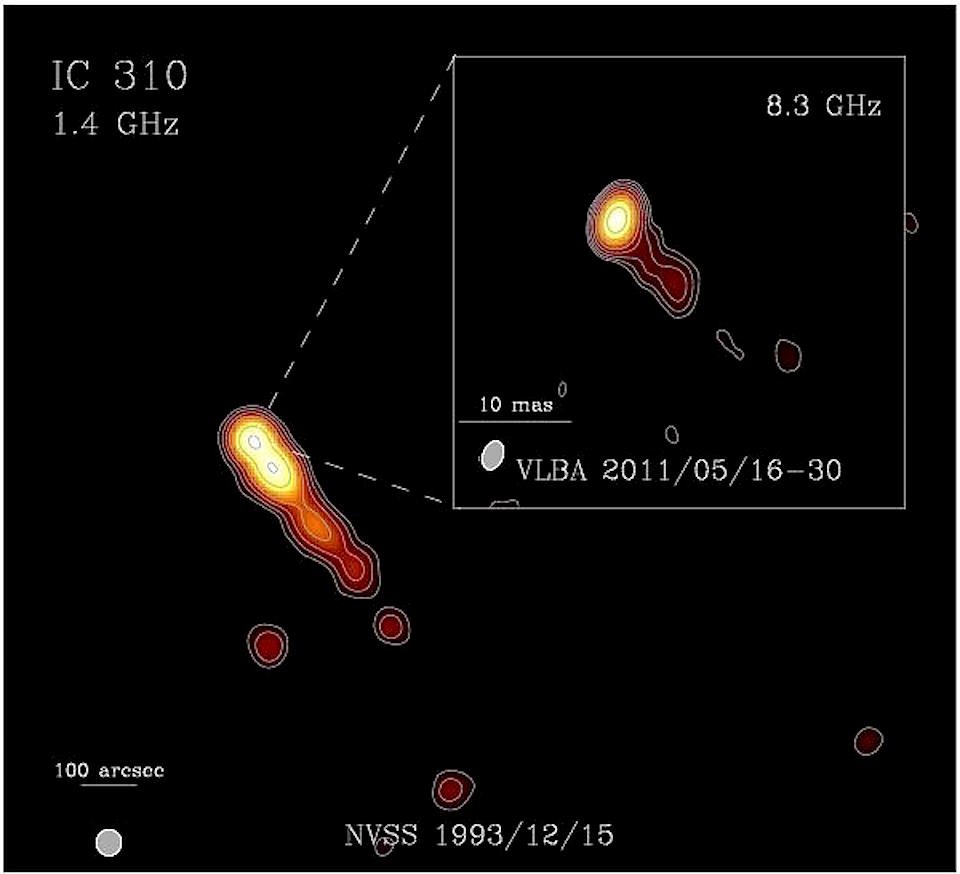
Galactic Lightning

  Nov 5, 2014 Plasma phenomena are scaleable. It is commonly known among electrical engineers that transverse electric currents accompany a main discharge channel. That “main discharge channel” is often seen by most people as a terrestrial lighting bolt. Slow-motion videos show that each flash is a complex episode. Multiple…

Continue reading

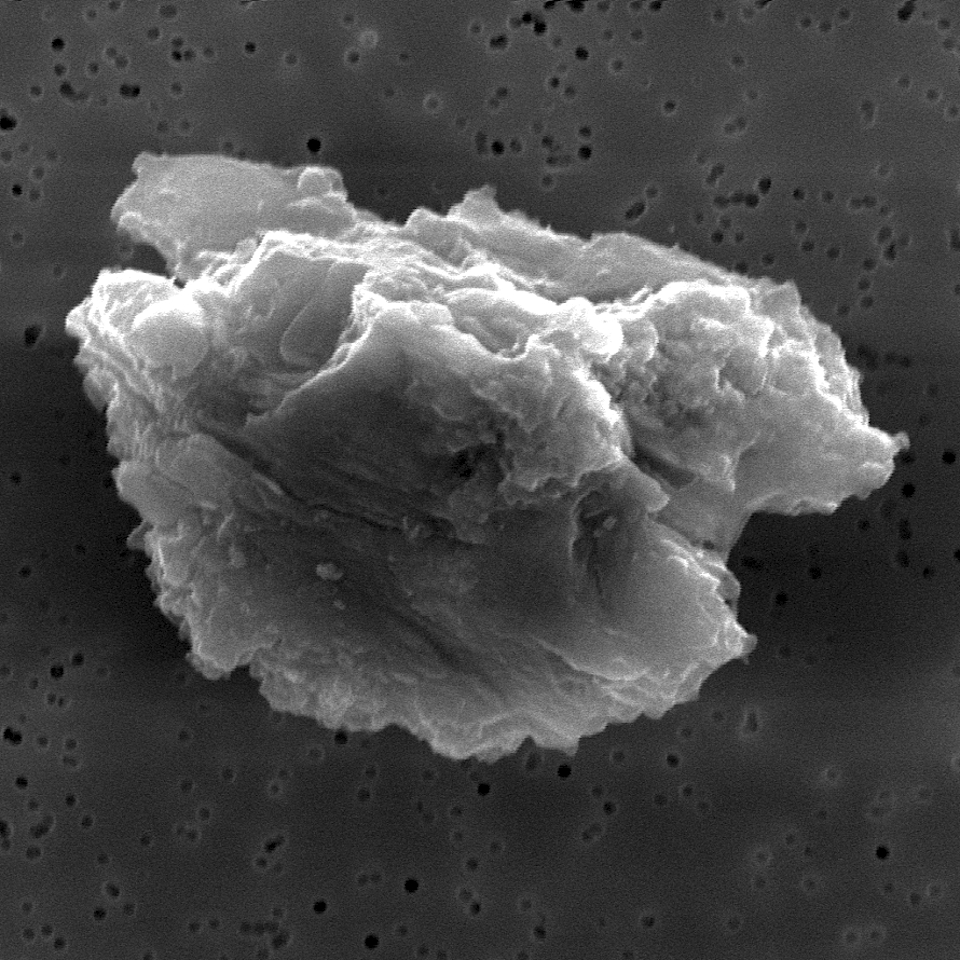
Dust to Dust

  Nov 04, 2014 Assembling the Universe requires dusty plasma. Dust in space is said to be formed because stars condense out of dusty protoplanetary nebulae. The current theory of star formation was originally proposed by Immanuel Kant and Pierre Simon Laplace in the Eighteenth Century. A nebula is said to…

Continue reading

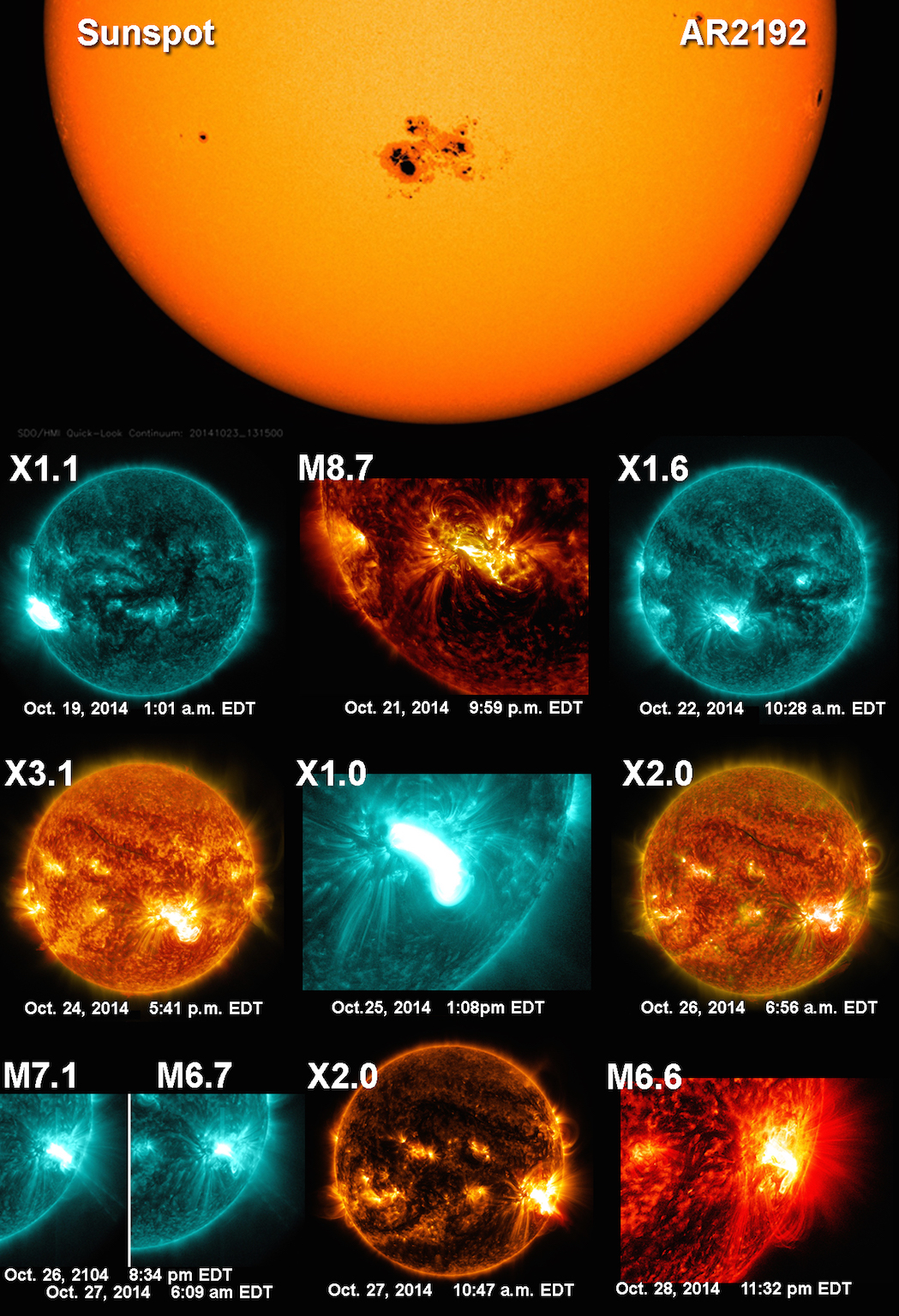
Sunspot AR 2192

  Nov 3, 2014 Solar plasma phenomena are governed by electricity flowing through space. The conventional view of the Sun is illustrated by a popular science website: “Our Sun is made up of elements left over from the Big Bang, elements formed from dying stars, and elements created in supernovae.”…

Continue reading