Category: Picture of the Day
A picture and essay from the perspective of the Electric Universe.
Fiat Lux!
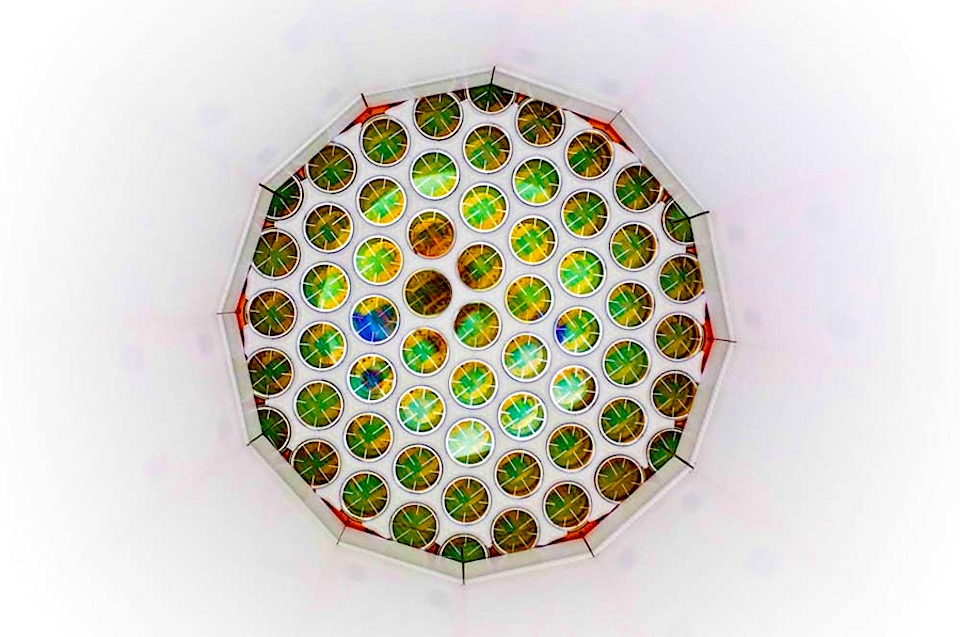
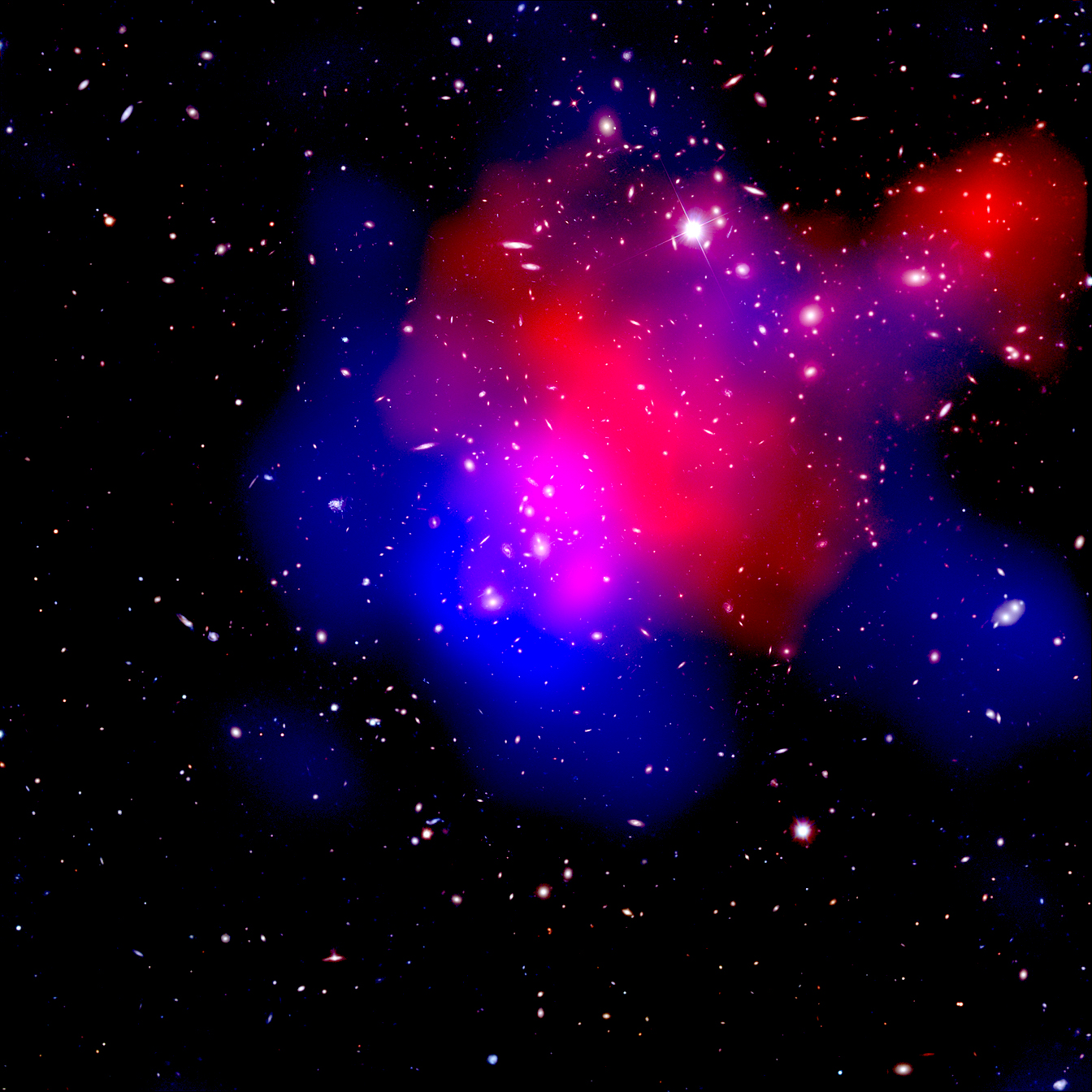
Oct 30, 2014 So far, no dark matter candidates have been detected. Dark matter, as previous Picture of the Day articles report, is undetectable, except through its supposed gravitational interactions with luminous, or baryonic matter. Large, expensive experiments are currently investigating many aspects of its hidden qualities, including a search…
A Changing View
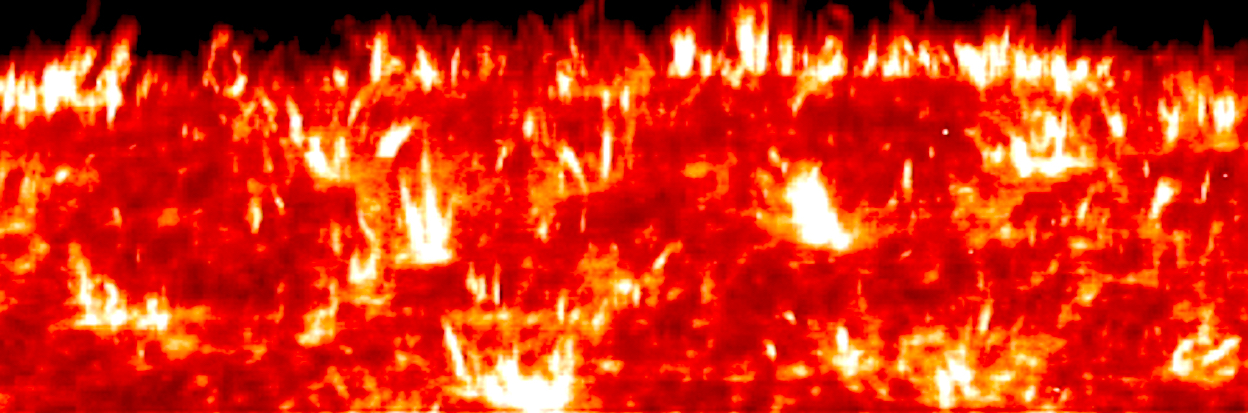
Oct 29, 2014 Recent solar observations support the electrical model. NASA launched the Interface Region Imaging Spectrograph (IRIS) on June 28, 2013 in order to study the solar corona and help determine why it is far hotter than the Sun’s surface, or photosphere. New information from IRIS has identified…
The Dark Energy Survey
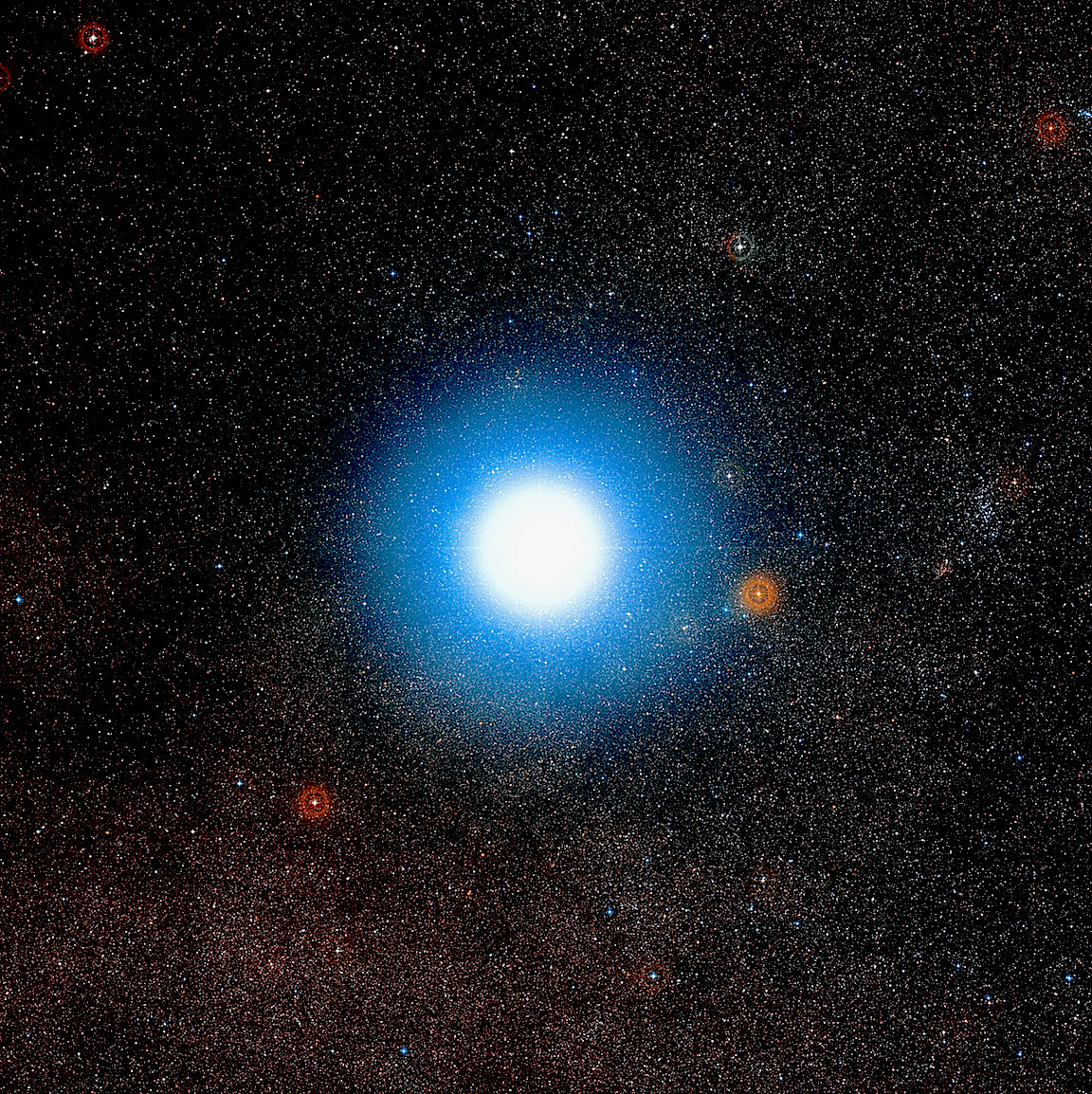
Hunting Planets
Not So Far
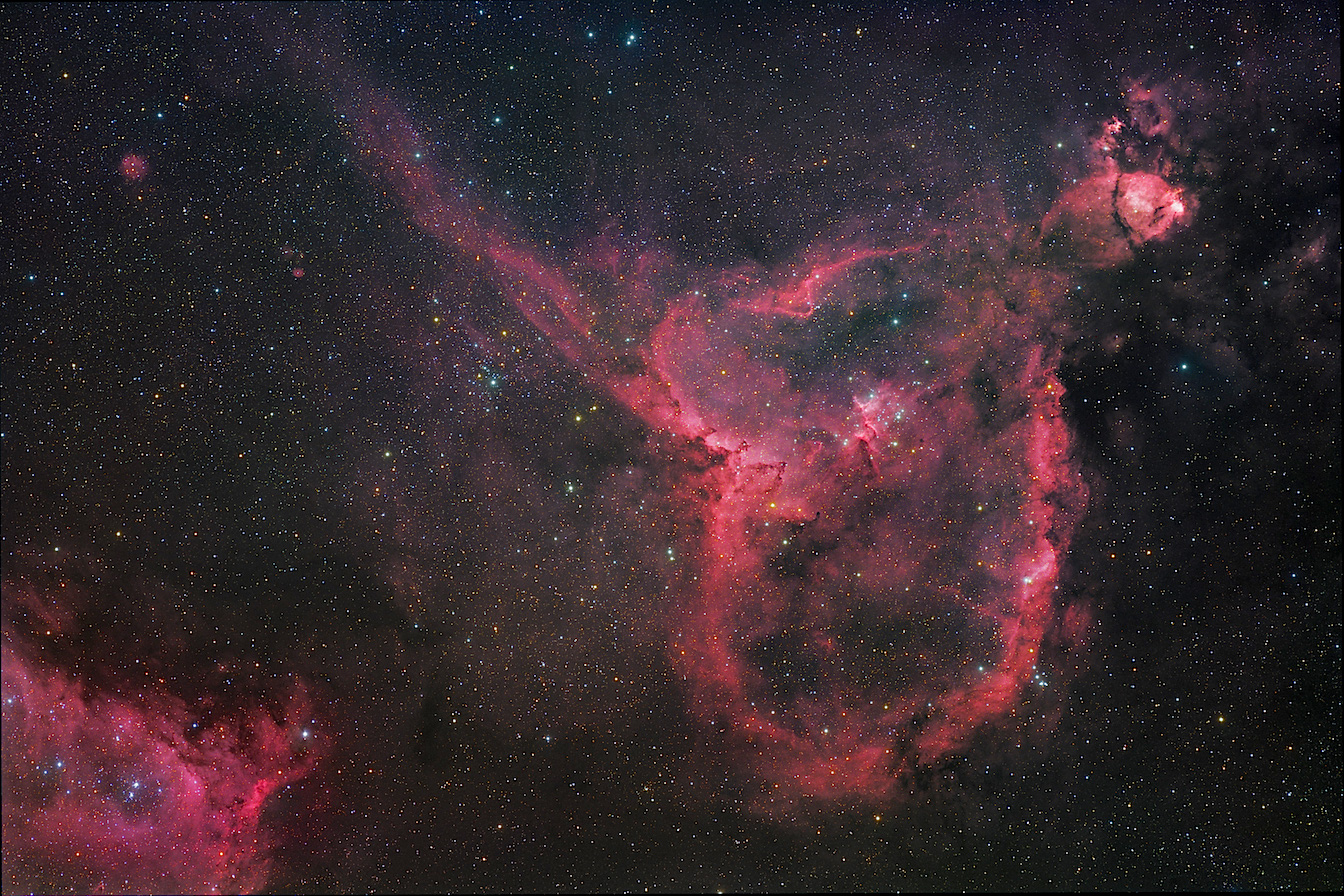
The Heart of the Matter
Oct 22, 2014 Nebulae exhibit electrical characteristics. Previous Picture of the Day articles contend for an electrical interpretation of astrophysical observations. Every science journal describes nebulae like IC 1805 in terms of gases and “blowing” dust, along with “winds” created by “shock waves” from exploding stars. In many cases…
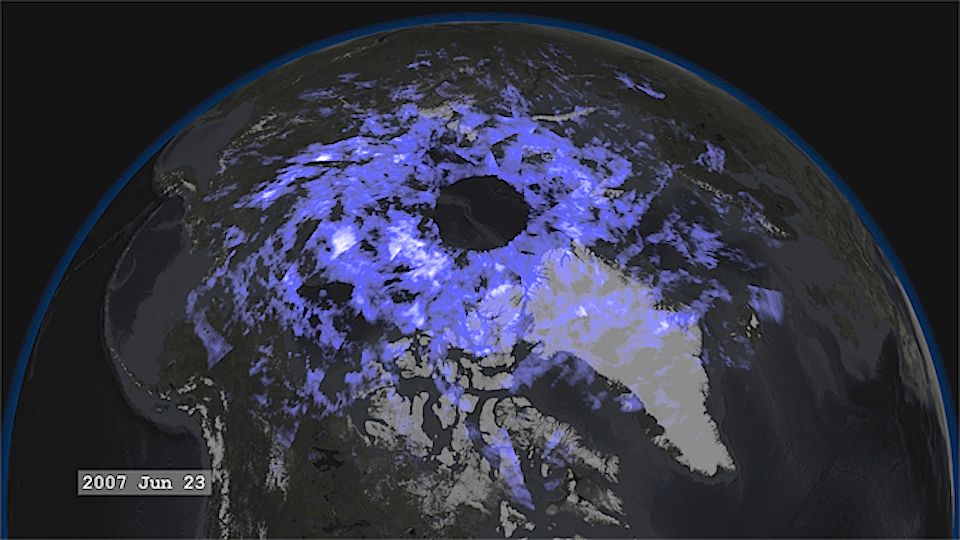
Polar Mesospheric Clouds
Oct 21, 2014 Could noctilucent clouds be part of Earth’s auroral phenomena? On April 25, 2007 NASA launched the Aeronomy of Ice in the Mesosphere (AIM) spacecraft on a multi-year mission to study the highest visible clouds, otherwise known as polar mesospheric clouds, or noctilucent clouds. Although AIM’s primary mission…
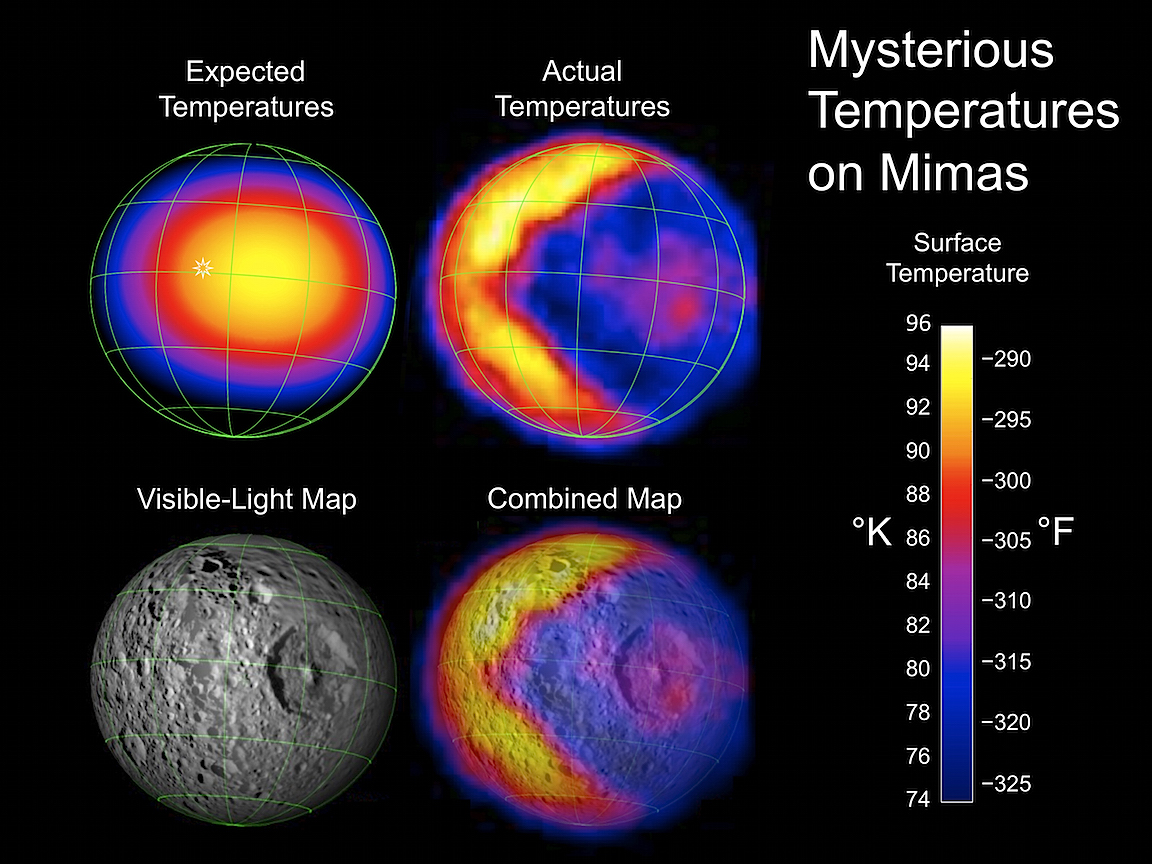
Rocking Rock
Oct 20, 2014 Saturn’s moon Mimas exhibits a significant libration. In past Picture of the Day articles, several moons in the Solar System were analyzed in terms of their electrical connection with their parent bodies. In particular, the discovery that Jupiter’s moon Io and Saturn’s moon Enceladus are exchanging…
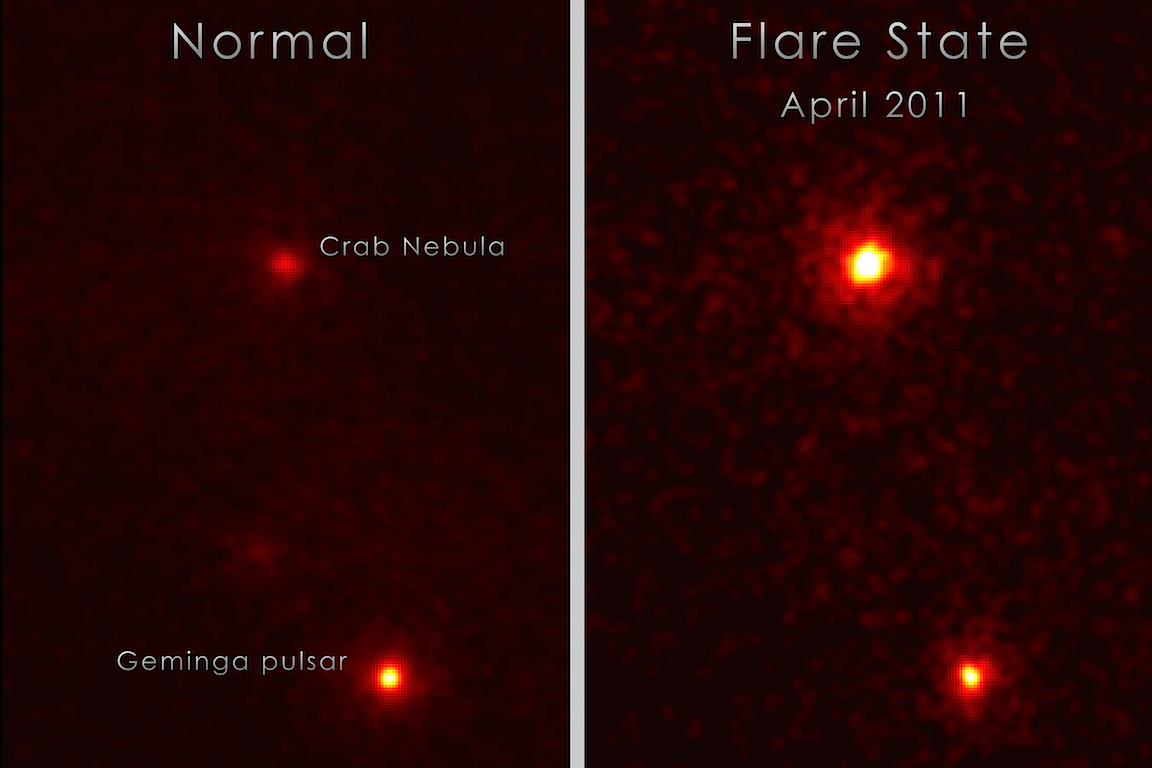
Super Flares
Oct 17, 2014 The Crab Nebula is surprisingly energetic. The Fermi Gamma-ray Space Telescope has detected several unidentified sources of intense gamma-ray emissions that are not seen in any other frequencies. NASA launched the telescope on June 11, 2008. Its primary mission is to detect high frequency electromagnetic waves…