Cluster Crash

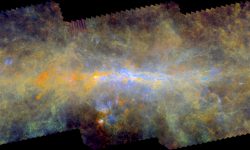
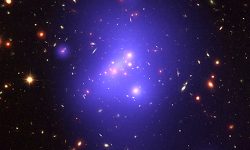
Feb 22, 2017 Do galaxies bump into each other? High temperatures in galaxy clusters are an enigma. Because astronomers have only one force in their bags of tricks—gravity—whenever energetic events are found, like high temperatures in the galaxy cluster shown above, it “must be” caused by a gravity-driven collision in…
Continue reading

Plasma Guns

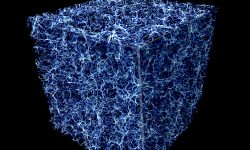
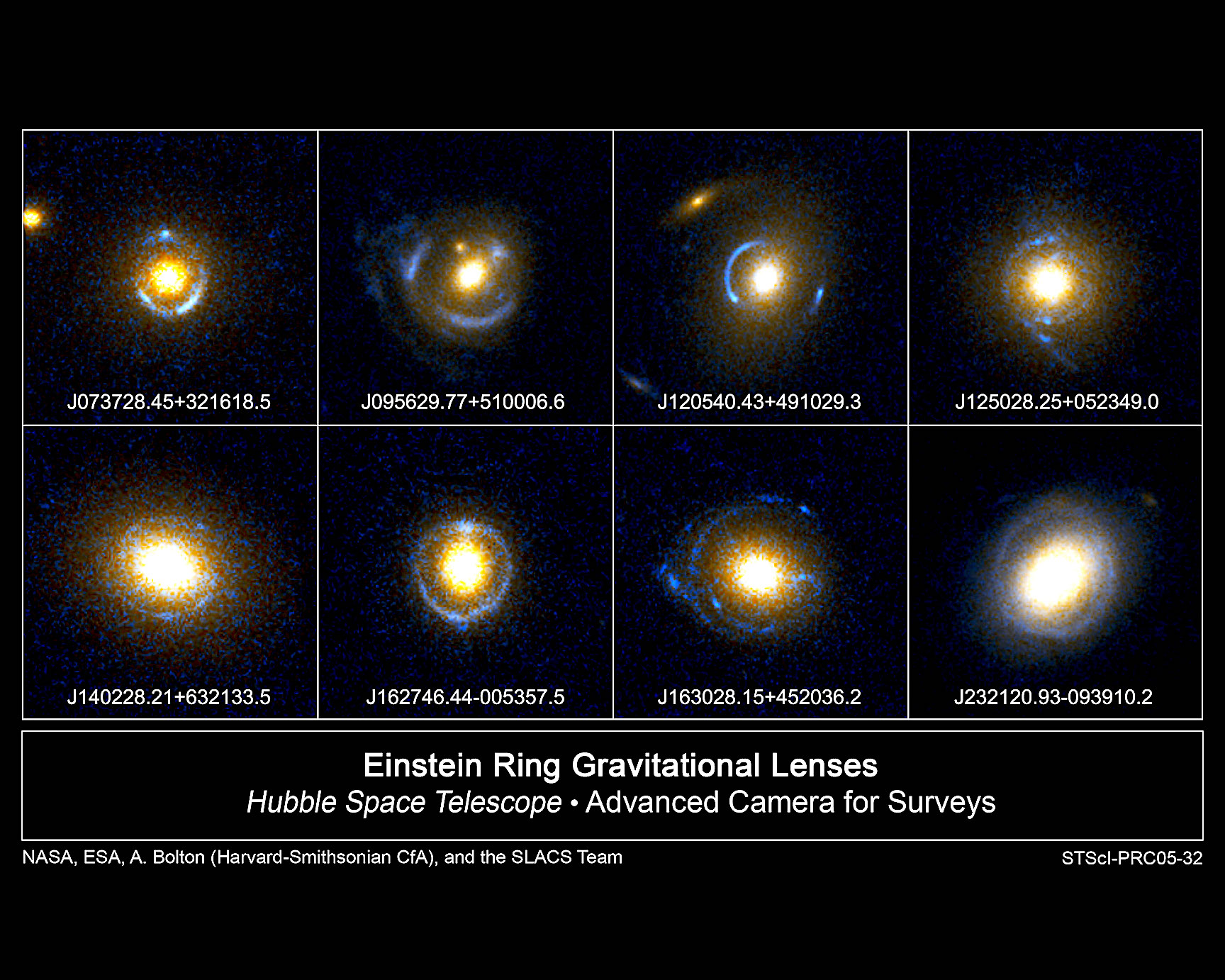
  Feb 21, 2017 Space and time do not bend. “Gravitational lensing” theory is used to explain the arcs of glowing material surrounding some galaxies. They also use it in conjunction with other theories to help deal with puzzling observations. One of those puzzles involves the so-called expanding Universe. Combining data…

Continue reading

Galactic Attraction

  Feb 17, 2017 Is the Universe expanding? Modern astronomers believe that galaxies are receding from each other because they received “inflationary energy” imparted by the Big Bang. They estimate the recession to be about 71 kilometers per second for every 3.3 million light-years of spatial distance. This “dilation of…

Continue reading

Star Links

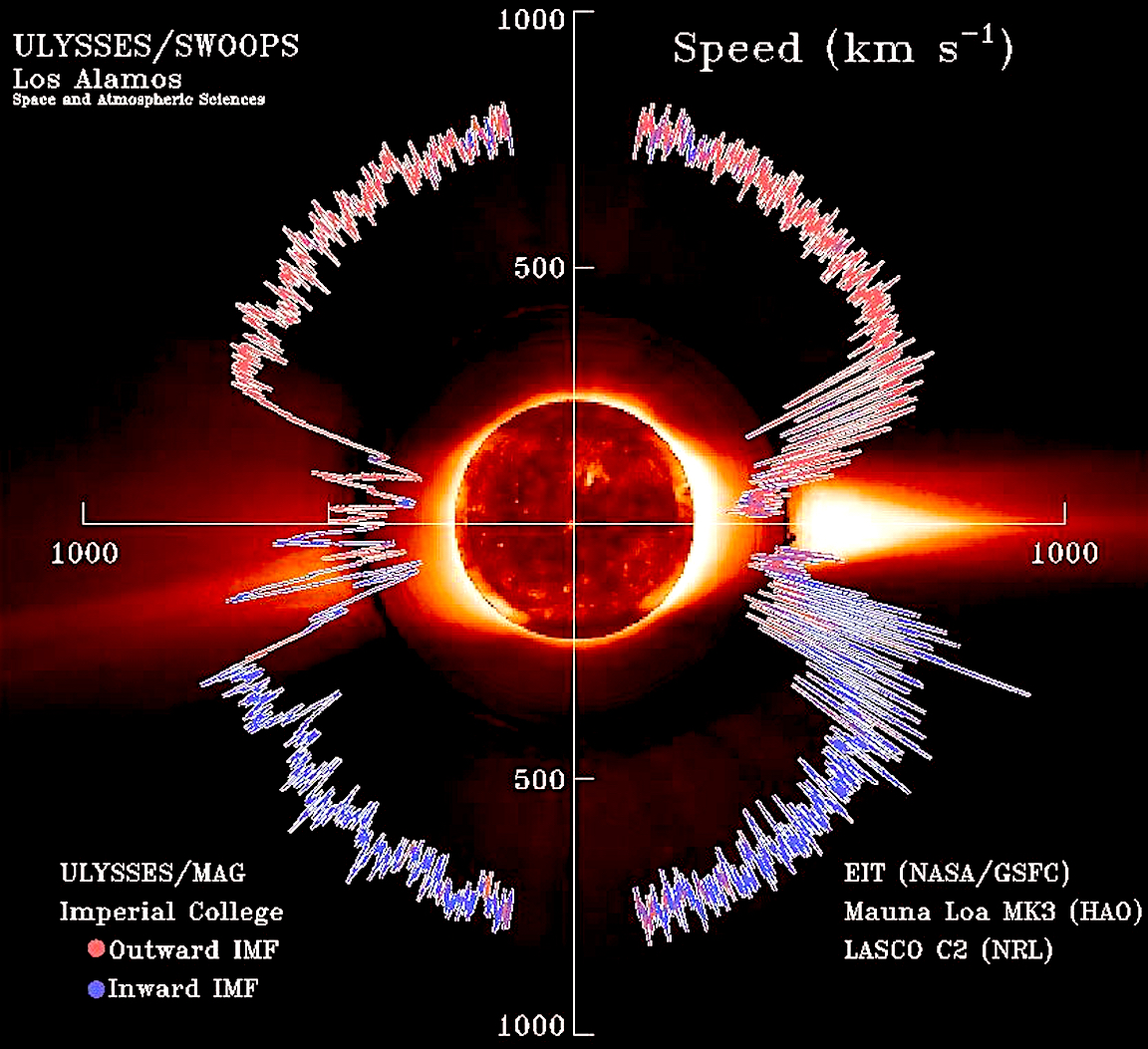
  Feb 16, 2017 The Sun’s activity drives Earth-based phenomena. Picture of the Day articles point out that there are linkages between galactic electric currents, solar electric currents, and terrestrial electric currents. Earth is connected to a circuit that flows through the cosmos, but that circuit is difficult to perceive. Charged…

Continue reading

Electrical Volcanoes | Space News

Space News -- Electrical Volcanoes

In previous Space News episodes, Thunderbolts contributor Andrew Hall presented his groundbreaking thesis on new aspects of Electric Universe geology. In his arc blast theory, Hall has attempted to explain the formation of mountains and other features on earth through the principles of plasma physics and electrical engineering. In this…

Continue reading