Mapping the Absurd

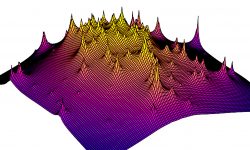
Mar 1, 2017 Astrophysicists are fixated on dark matter. The scientific press is convinced that dark matter exists. They believe that there are aspects of the theory that can be “known”. While dark matter, by its very definition, is undetectable by any instrument, it is often written that astronomers can…

Continue reading

A Red Dwarf

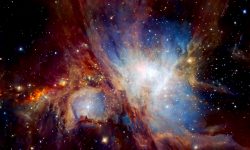
  Feb 28, 2017 Colorful planets are the result of plasma cosmogony. Immanuel Kant’s theorized that the Solar System was born from a dusty cloud of gas, or nebula, floating in space. His idea is now known as the “Nebular Hypothesis.” Kant suggested that the cloud contracted because gravity drew…

Continue reading

Push Or Pull

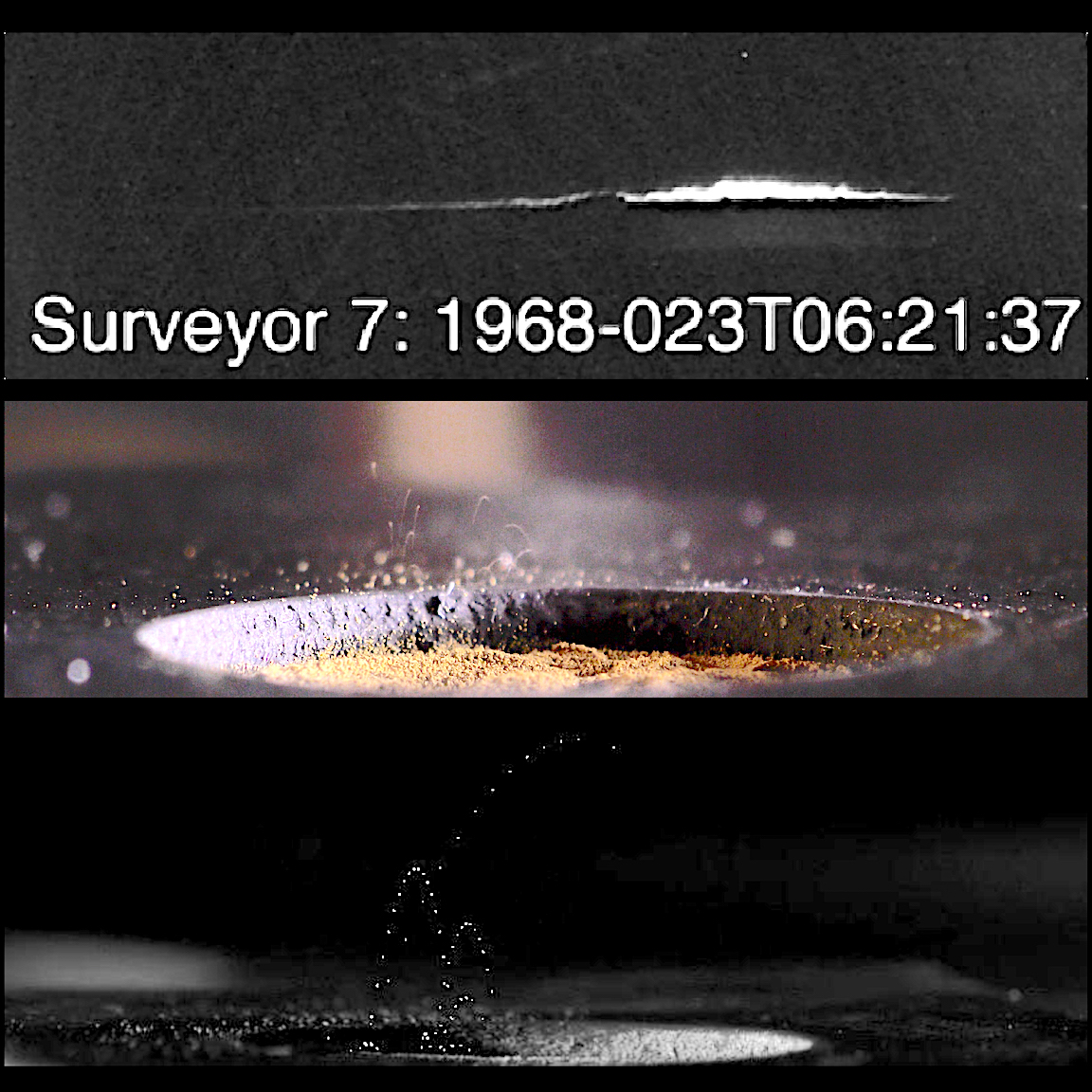
Feb 27, 2017 Electricity is a pulling force. Volcanoes on Earth are said to form when tectonic plates move over upwelling magma plumes. Conventional theories state that rising magma naturally erupts from the weakest fractures in the plates, building up lava deposits and creating steep-sided mountains. No hypothetical plate boundaries…

Continue reading

Kongpop U-yen: A Natural Disaster Forecasting Technique Based on Space Weather Data | EU2016

EU2014 Kongpop U-yen 550X440

A natural disaster forecasting technique was presented by Dr. Kongpop U-yen. It is based on the understanding of physical and electrical interactions between Earth and its surrounding space. Using this technique, natural disasters, e.g., earthquakes, volcanic eruptions and storm formations, can be forecasted. Several practical case studies will be presented…

Continue reading

Blob of Conformity

Feb 24, 2017 What is illuminating this gigantic nebula? Astronomers from the University of California, Santa Cruz recently announced the discovery of a massive cloud of gas called an “enormous Lyman-alpha nebula” (ELAN). The “blob” of gas resides in a region of space thought to be 10 billion light-years away,…

Continue reading

Imaginary Magnets

  Feb 23, 2017 There are no “super magnets” in space without powerful electric discharges. The standard model of stellar evolution proposes that pulsars are neutron stars rotating at incredible speed. In 2006, PSR J1748-2446ad was reported to spin at 43,000 RPM—the blades of a kitchen blender do not exceed…

Continue reading