Ultraviolet Mars

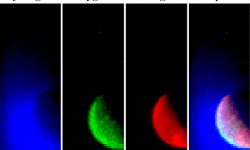
  Feb 3, 2017 Mars glows in high frequencies. NASA launched the Mars Atmosphere and Volatile Evolution mission (MAVEN) on November 18, 2013. Maven is investigating the upper atmosphere of Mars, its ionosphere, and the dynamics of solar wind interactions. Several onboard instruments are monitoring various phenomena: * Solar Wind…

Continue reading

Wired Together

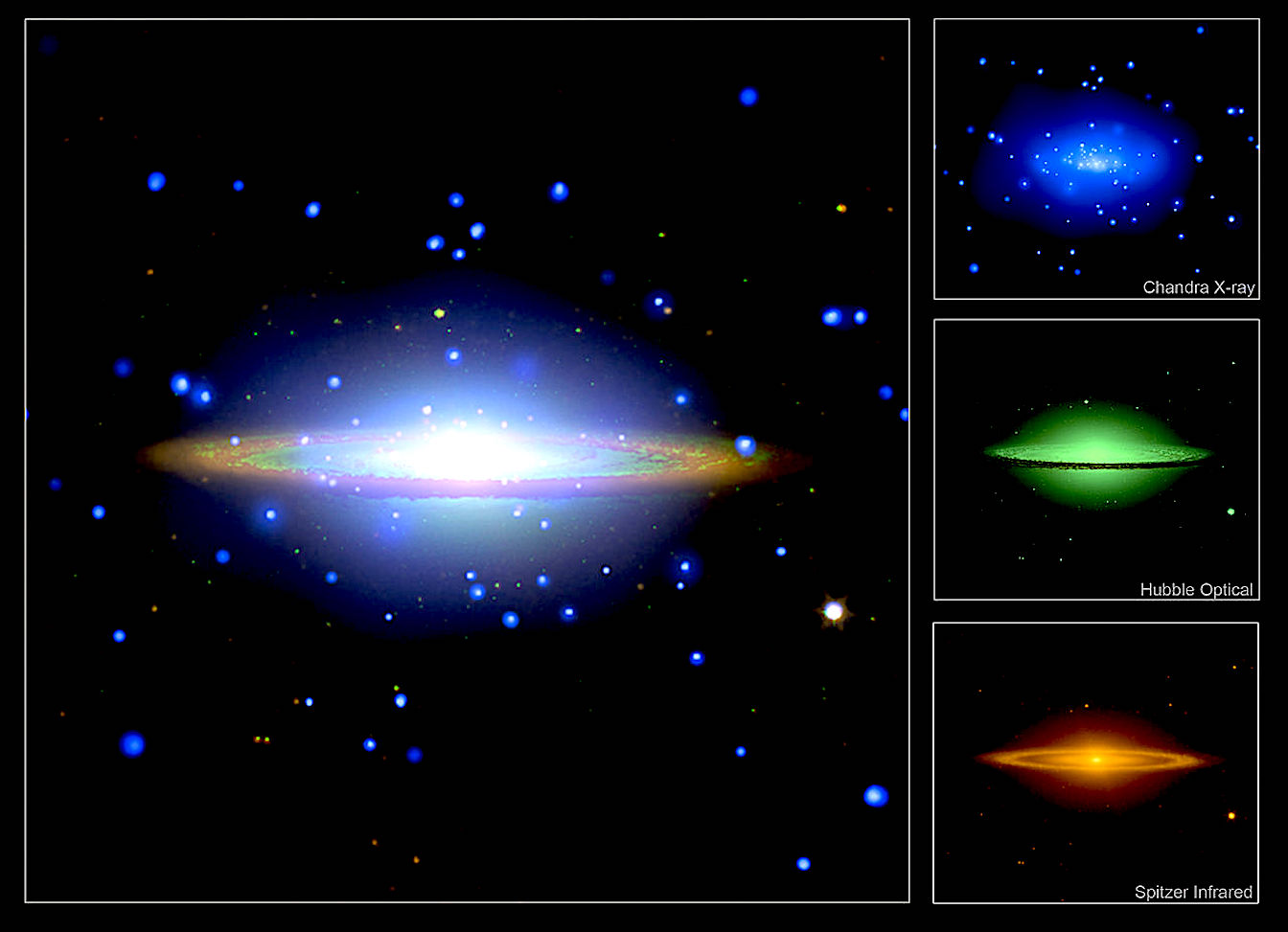
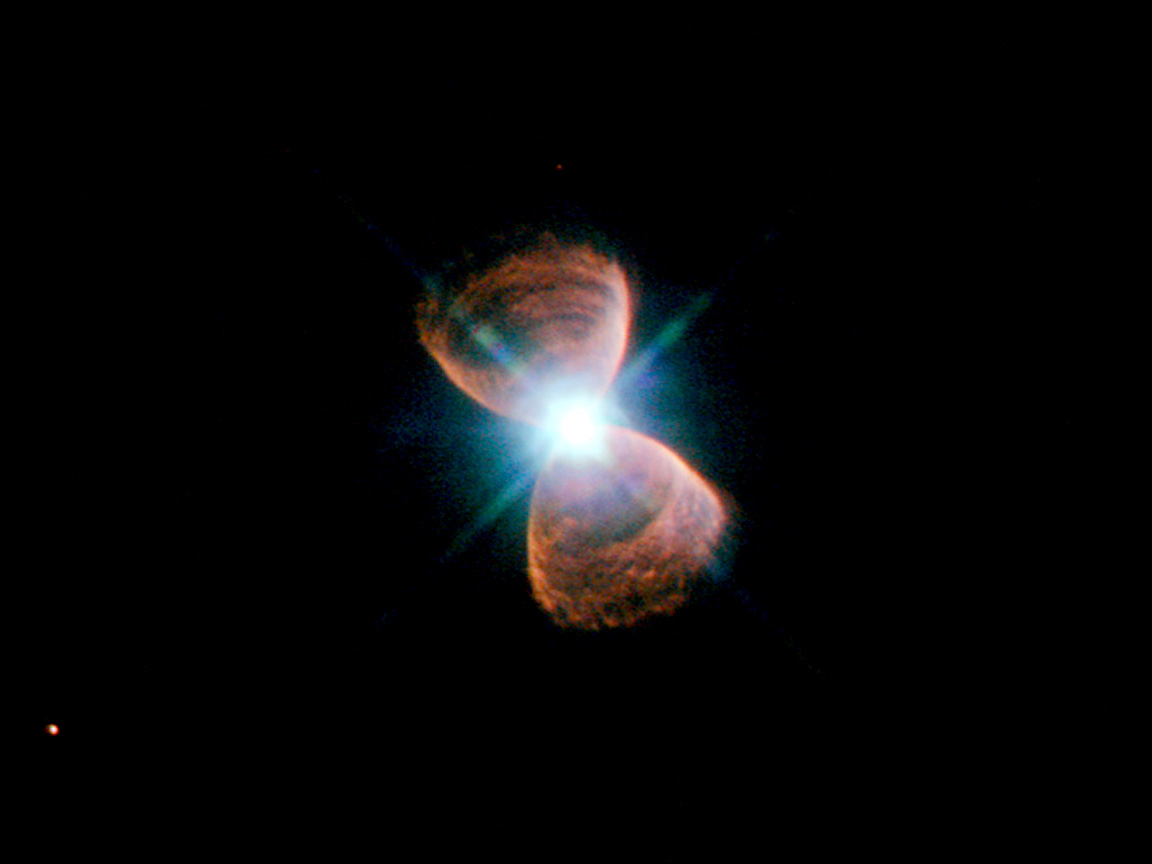
  Feb 2, 2017 Supernova remnants align with the Milky Way. Recently, astronomers found a connection between what they refer to as supernova remnants (SR) and the rest of the galaxy. When data from several instruments was inserted into their computerized model-maker, it was found that bipolar SRs, in particular, are…

Continue reading

Big and Little Science

Feb 1, 2017 What science produces is neither universally true nor real, but is created by the observer and is relative to his predispositions and equipment. As a result, it is not complete but selected, not objective but subjective, and not unique but partial. This produces an observer-created reality, says physicist…

Continue reading

Mysterious Sounds from Space | Space News

aurora_australis_h

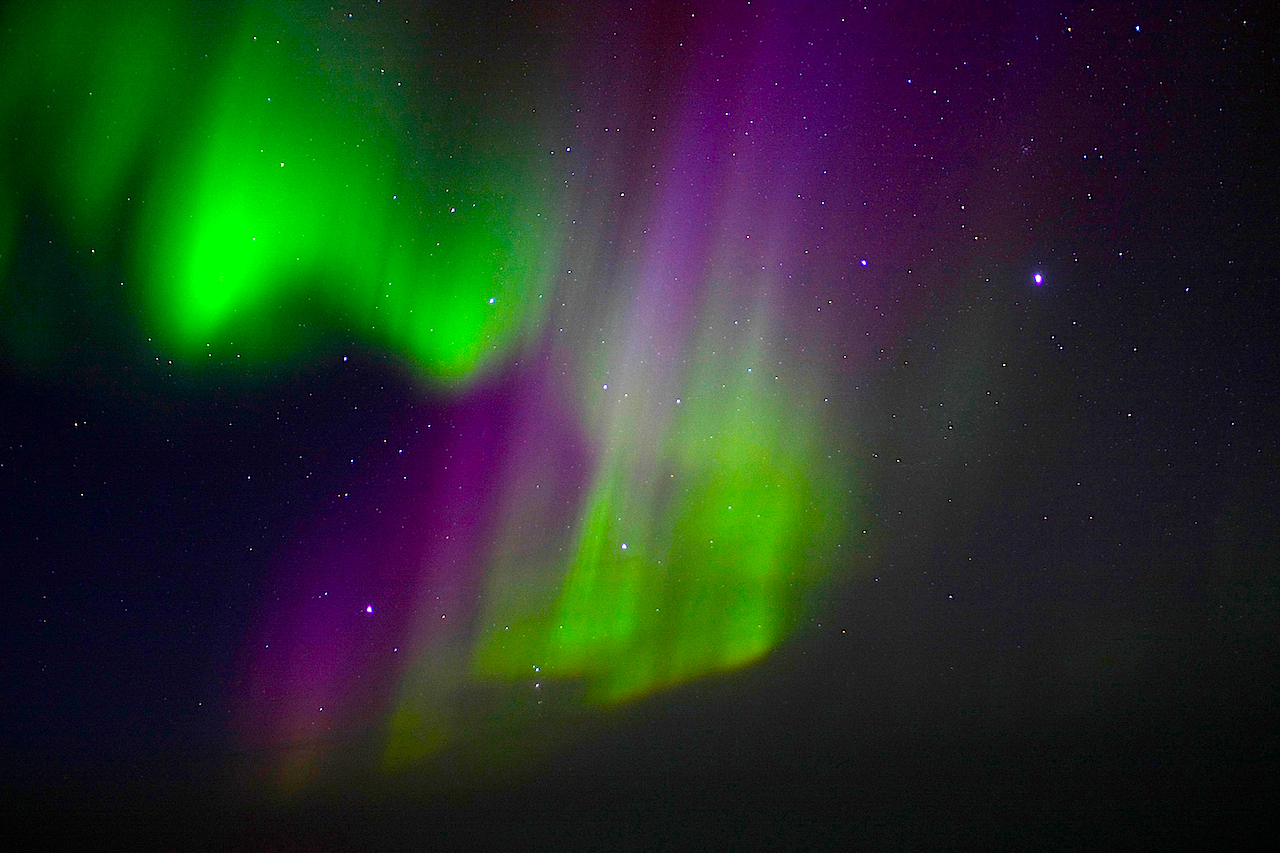
In this episode, we explore the causes of such mysterious sounds, which originate from the Earth/Sun electrical connection. Observers of the spectacular Northern Lights are offering new testimony on the amazing sounds produced from electromagnetic phenomena in Earth’s upper atmosphere. Witnesses in Sweden reported hearing sounds similar to so-called laser…

Continue reading

Cryptic Ellipse

  Jan 31, 2017 Are spiral galaxies really elliptical? Dr. Anthony L. Peratt, a plasma physicist and protégé of the Nobel laureate Hannes Alfvén, studied plasma formations in the laboratory for many years, monitoring short-duration z-pinch effects, as well as creating particle-in-cell animations using the best supercomputers available. He concluded that galaxies, rather than…

Continue reading

Battered Ice Ball

  Jan 30, 2017 Tethys is an electrically scarred moon. The plasmasphere of Saturn generates lightning a million times more powerful than anything on Earth. Saturn also emits twice the energy than it receives from the Sun, including 90 megawatts of X-rays. In part, Saturn’s energetic fields exist because Saturn is…

Continue reading

At Any Scale

  Jan 27, 2017 Plasma phenomena are similar no matter how big or how small. Almost ten years ago, astronomers discovered an energy signature they called a “Fast Radio Burst”, or FRB. The event lasted five milliseconds, reportedly releasing more energy than the Sun puts out in a month. Distance…

Continue reading

Black Wreckage

Jan 25, 2017 Black holes are said to collide. NASA launched the Nuclear Spectroscopic Telescope Array (NuSTAR) aboard a Pegasus rocket on June 13, 2012. A new X-ray image highlights a “monster of a galactic mashup”: two colliding galaxies, known as Arp 299, with “supermassive black holes” inside them. According…

Continue reading