Dark Decrepitude

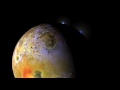
  Dec 9, 2016 If the Universe is expanding at an accelerating rate, then the future is dark. In 1998, two research groups discovered what is now called in consensus circles, “dark energy”. Saul Perlmutter of the Lawrence Berkeley National Laboratory and Brian Schmidt from the Australian National University projects…
Continue reading

Reflections

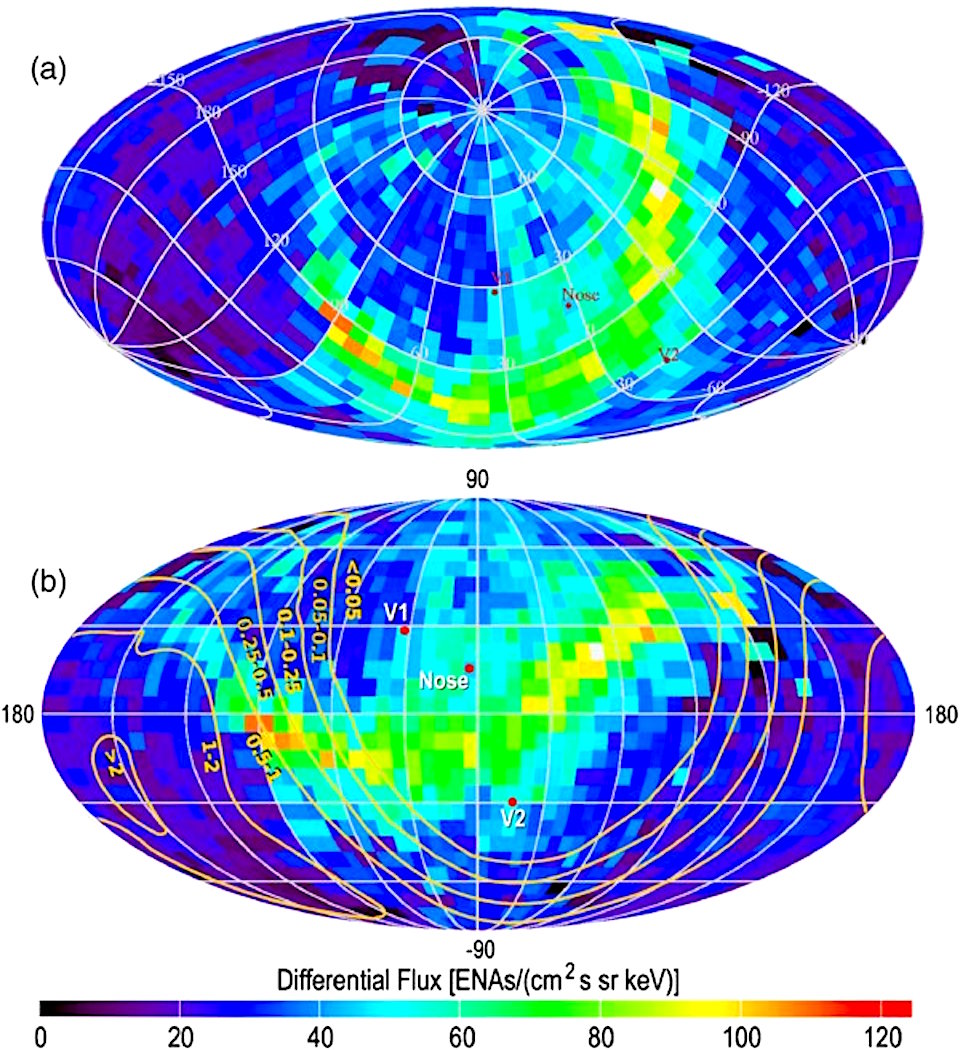
  Dec 8, 2016 Boundary layers in the heliosphere. Space is a vacuum, it is said. As written elsewhere, material in space is far more diffuse than any vacuum that can be created on Earth, but matter does exist there. The best vacuums created on Earth reach a 0.1 millimeter…

Continue reading

Solar Supreme

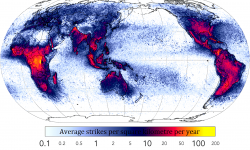
  Dec 7, 2016 Perhaps lightning powers the wind. Weather on Earth is thought to be driven by solar influences on the atmosphere. As Earth rotates beneath the Sun, gases and dust absorb radiation in varying degrees. Heat causes the air to expand and lose density, creating low pressure regions….

Continue reading

Plasma Stars

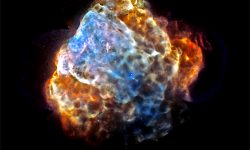
  Dec 5, 2016 What is a supernova? In an Electric Universe, stars do not follow a course through life that conventional understanding demands. Since stars are not balls of gas squeezed by gravity, other physical conditions must be considered. Plasma, for example, is not merely a “hot gas”, it…

Continue reading

NGC 4696

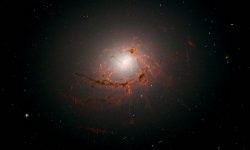
  Dec 2, 2016 Galactic filaments are known to plasma physicists as Birkeland currents. A recent press release details the enigmatic structure of Galaxy NGC 4696. What makes this galaxy so unique is that multiple strands of material extend outward in light-years-long tendrils, enclosing it in a loose cocoon. According to…

Continue reading

Order Out of Chaos

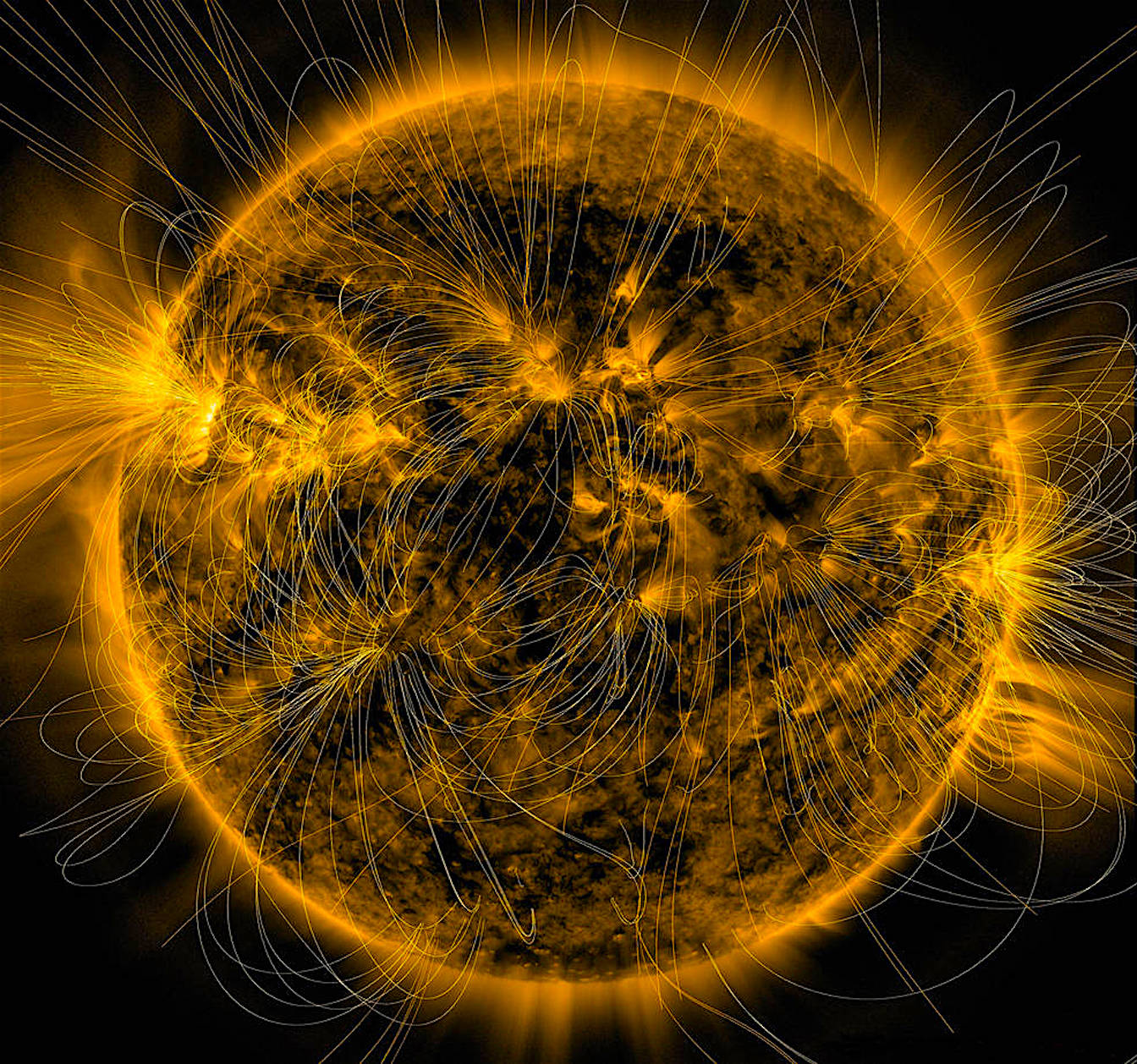
  Dec 1, 2016 What makes the Sun a variable star? A recently published animation illustrates the Sun’s electromagnetic field as it twists and folds through its ionized plasma. The “Sun in a bottle” was created in order to understand how an apparently chaotic solar environment forms a stable electromagnetic field….

Continue reading

Wanted: Cosmo-centric Ideas

  Nov 30, 2016 Currently accepted theories have evolved a long way toward catastrophics from their ancestry in uniformism. Assumptions of actualism and gradualism-that present-day processes acting over long times could explain the changing morphology of rocks and species-have been displaced. Impacts from space have broken the continuously gradual action…

Continue reading