Electric Helix

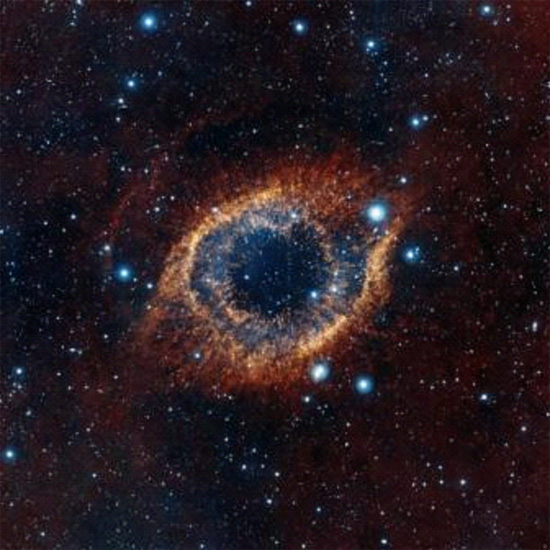
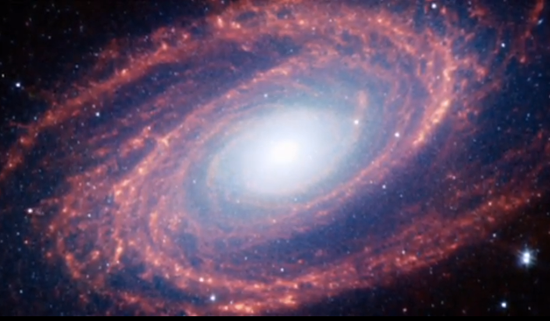
New infrared image of the Helix Nebula in Aquarius

  Jan 02, 2013 A recent image of the Helix Nebula in the constellation Aquarius exposes more details of its electrical structure. The new infrared image shows radial Birkeland currents (called “strands” in the press release) crossing the concentric rings and converging on the central star. (Will “strands” now replace the…

Continue reading

Callisto

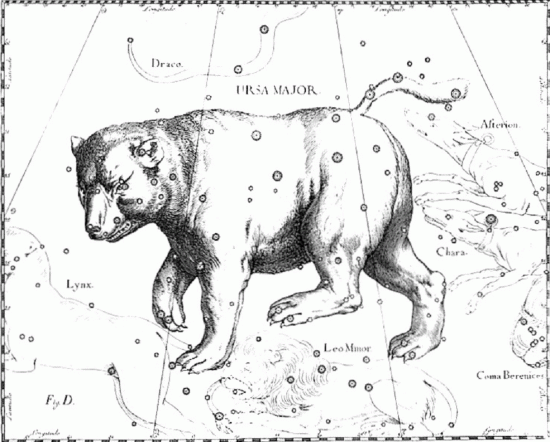
Callisto transformed by Zeus into a constellation

  Jan 01, 2013 The Galileo mission’s exploration of Jupiter and its environs provided substantial evidence for the Electric Universe hypothesis. The Galileo spacecraft was launched October 18, 1989, following a delay of several years while NASA recovered from the Challenger space shuttle explosion. On September 21, 2003, Galileo was incinerated by…

Continue reading

Red Herring

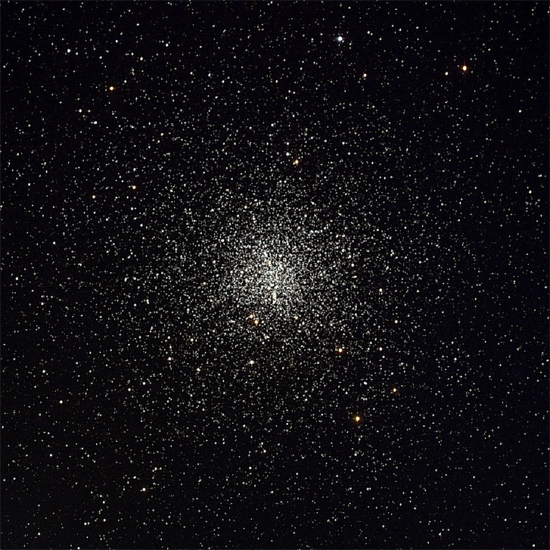
  Dec 28, 2012 The light from remote globular clusters should be blue according to theory because the farther away one looks the farther back in time one sees. It seems as if each new observation from the Hubble Space Telescope or the Chandra X-ray Observatory adds fuel to the…

Continue reading

Another Year

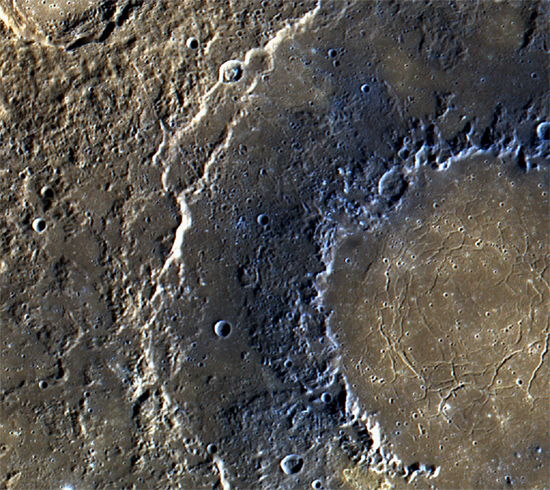
Color image of Rachmaninoff basin

  Dec 27, 2012 The MESSENGER spacecraft has recently been approved for an extended mission in Mercury orbit. The Mercury Surface, Space Environment, Geochemistry and Ranging (MESSENGER) spacecraft was launched from Cape Canaveral on August 3, 2004. On March 17, 2011 MESSENGER entered orbit, initiating a yearlong study of the Solar System’s…

Continue reading

Stars That Will Not Explode

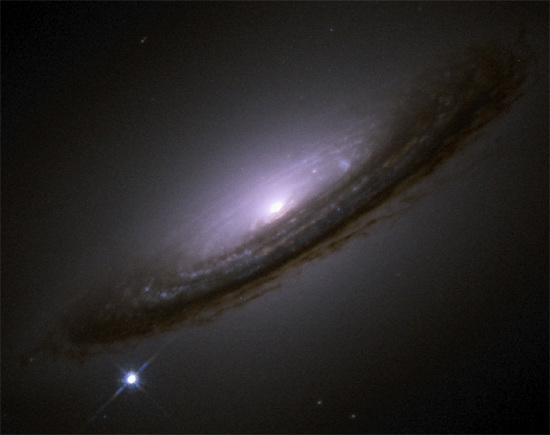
SN1994D, a supernova in NGC 4526

  Dec 26, 2012 NASA computer simulations are not able to correctly model supernova explosions. Contemporary astrophysical models of stellar evolution rely on the mechanical action of cold gas collapsing from gravitational impetus. Stars are seen as whirling vortices of compressed matter heated to fusion temperatures by pressure, alone. Clouds…

Continue reading

Arc Mode Discharge

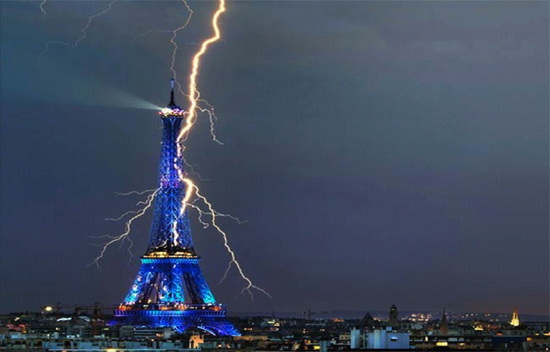
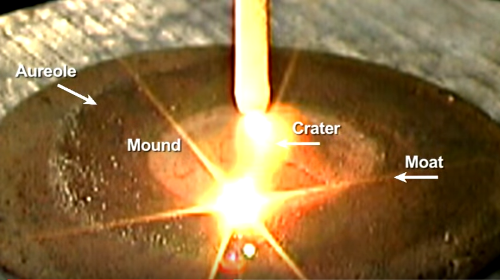
Dec 24, 2012 Glass, plastics, and various metal oxides are efficient dielectric insulators. Dry air is another example. Lightning is not well understood. The most common interpretation involves the circulation of water vapor up and down through clouds in a process called convection. Water is heated by the Sun until…

Continue reading