Spot Free

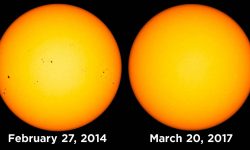
Jul 10, 2017 Sunspot activity is unusually low. Three things cannot be long hidden: the sun, the moon, and the truth. — Buddha The Sun fluctuates in output strength and visible sunspots across its surface in a cycle that lasts about 22 years. During the past 11 or 12 years,…

Continue reading

Anode Glow

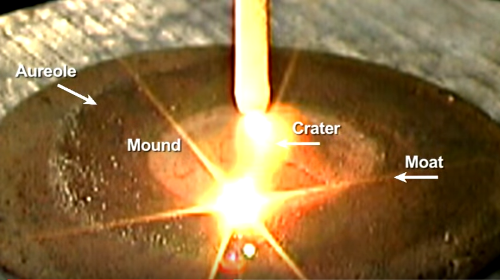
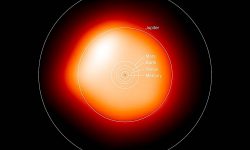
Jul 7, 2017 Stars are electrodes. The red giant star, Betelgeuse is among the largest stars. As the image above illustrates, if it occupied the Sun’s position, it would exceed Jupiter’s mean orbital diameter. Although it is large, its substance is so diffuse that the orbits of the inner planets…

Continue reading

Frozen Deserts

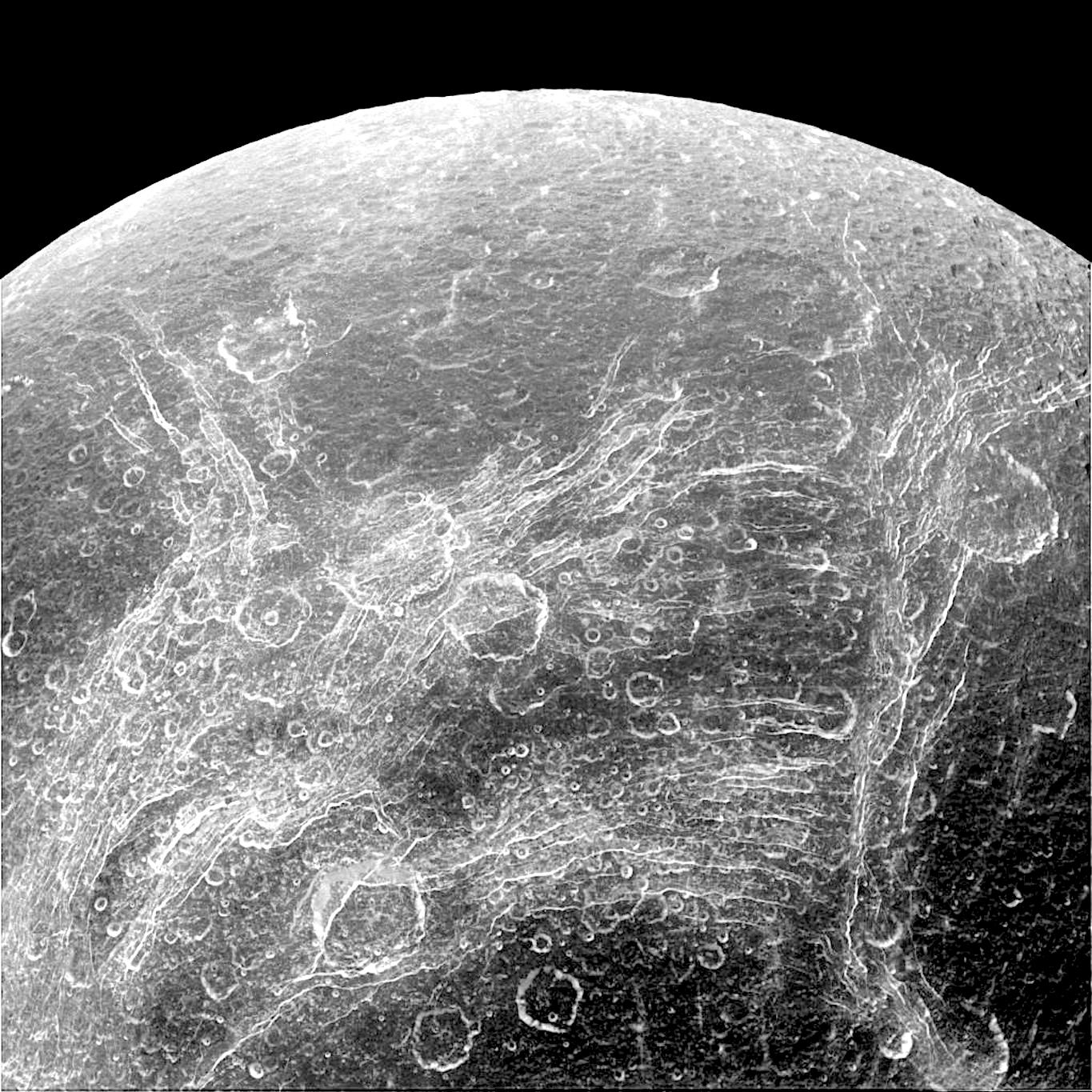
  Jul 4, 2017 Another of Saturn’s moons appears to be all wet. Quickly, bring me a beaker of wine, so that I may wet my mind and say something clever. —Aristophanes According to a recent press release, Saturn’s moon Dione shares a “decoupled” crust “floating” on a subsurface ocean with…

Continue reading

Plasma Cosmogony

Jul 3, 2017 Stars are not formed in gravity wells. A theory about how star systems form must include the most prevalent condition in the Universe: plasma. Stars are born when electric charge flow is confined into filaments that wind around each other, forming z-pinch zones that compress matter in…

Continue reading

174P/Echeclus

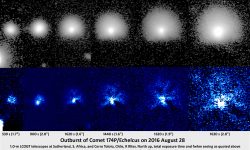
Jun 30, 2017 Cometary asteroids. “The EU model predicts that all active comets will exhibit frequent, short outbursts in different spots on their surfaces. The outbursts happen because they are electrical discharge phenomena, known technically as (cold) cathode jets.” — Wal Thornhill It is surprising that astrophysicists remain ignorant when…

Continue reading

Storm Lights

  Jun 29, 2017 The aurorae are not powered by magnetic reconnection. Earth’s northern lights both puzzle and entrance observers. Pierre Gassendi, in 1621, called the curtains of light in the north the Aurora Borealis after Aurora, the Roman goddess of dawn, and Boreas, the Greek name for the north…

Continue reading

Small Fry

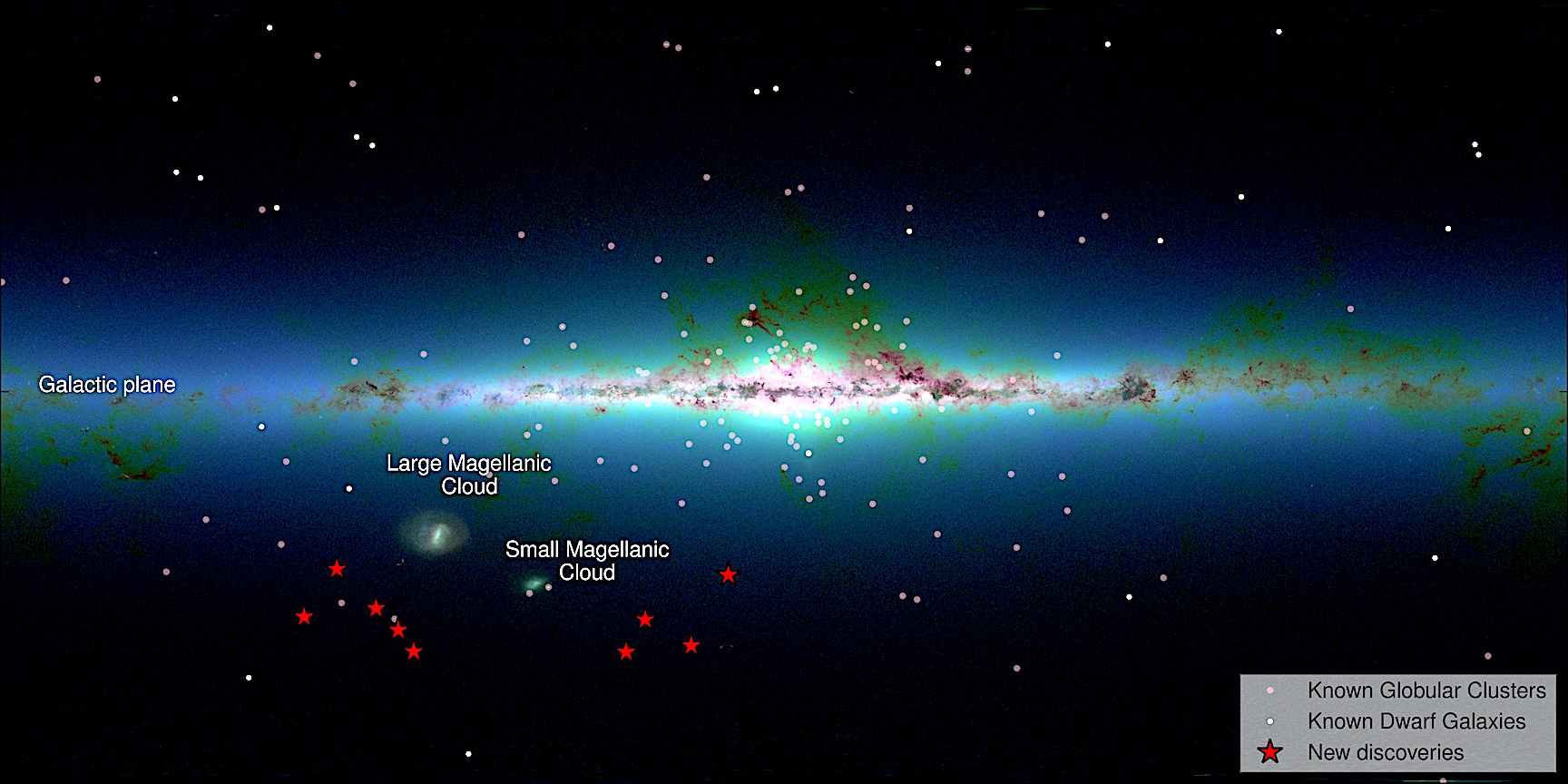
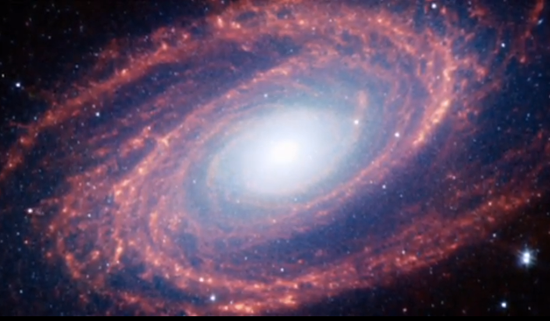
  Jun 27, 2017 Dwarf galaxy evolution is a problem for consensus theories. The Milky Way has at least two smaller companions, the Large and Small Magellanic Clouds. Some astronomers suspect that there are as many as 80 or more. A new predictive model is supposed to help answer the…

Continue reading