Electromagnetic Belts

  May 20, 2016 Bands of plasma circle the Earth. Earth’s ionosphere is connected to the Sun by filaments of electric charge, so upper regions of the atmosphere are influenced by solar emissions. This idea is a basic tenet of Electric Universe theory. Since Earth has an electrically active plasmasphere,…
Continue reading

Variability

  May 19, 2016 Stars are not constant. Attempts to locate planetary bodies in orbit around distant stars suffer from the “glare problem”: starlight tends to obscure direct observation of dim companions. A little over 18 years ago, astronomer Geoff Marcy and his team, using the 120-inch telescope at the Lick…

Continue reading

Hydra

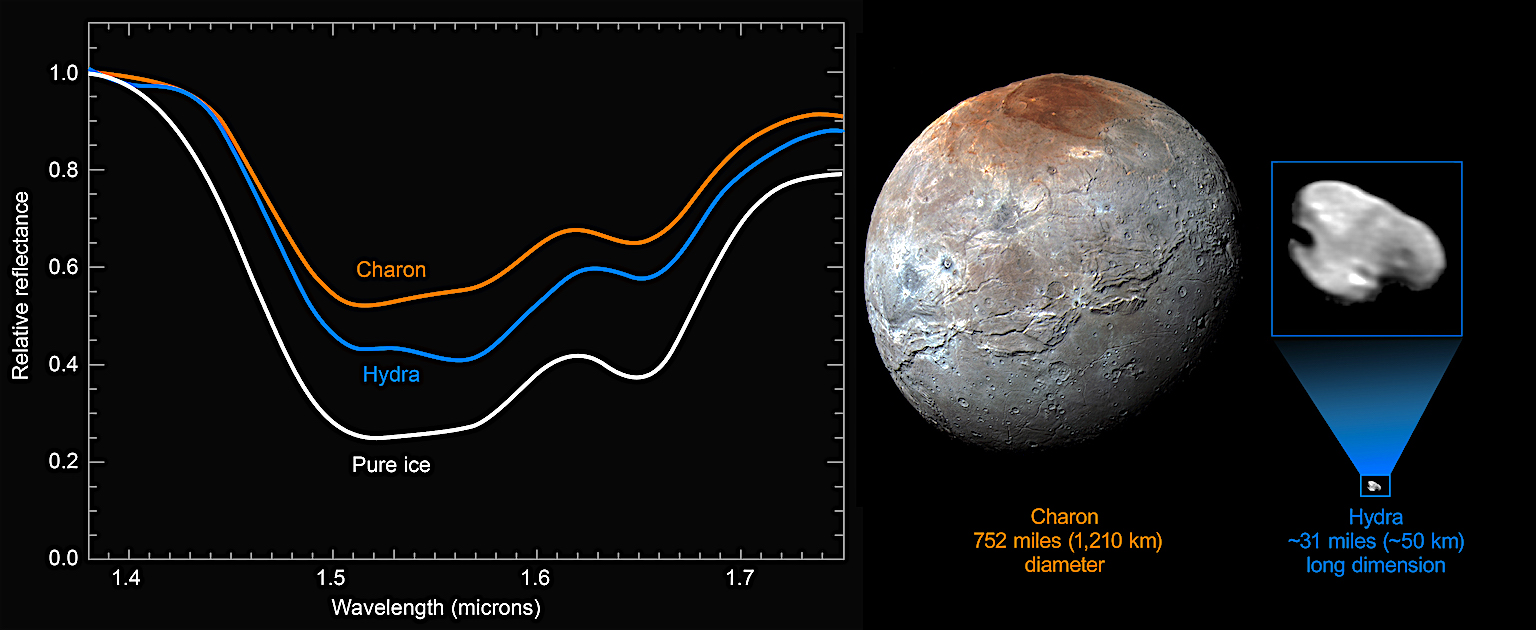
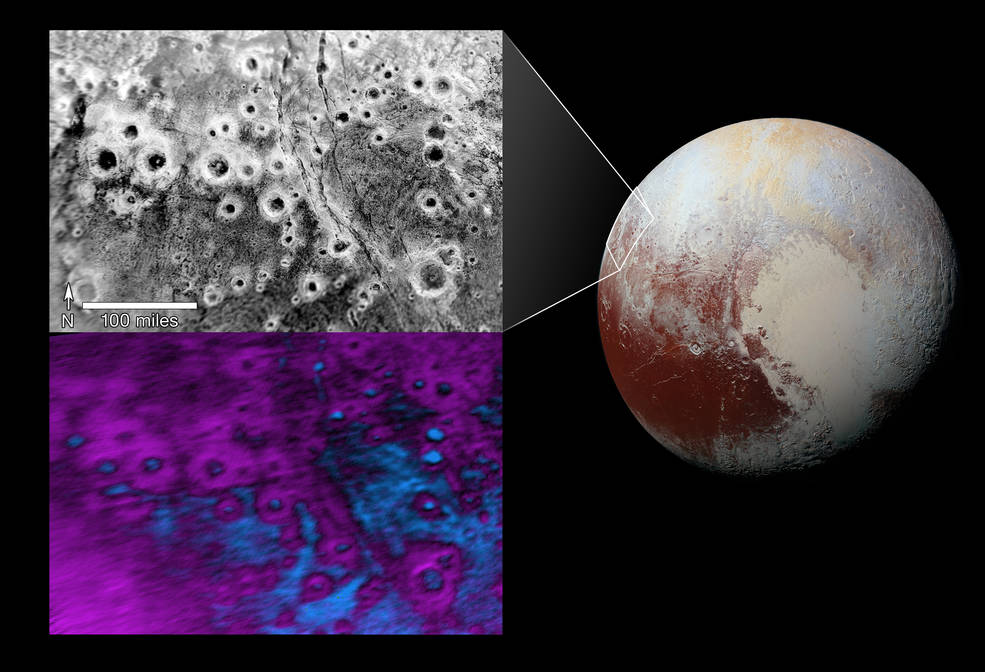
  May 18, 2016 Another asymmetrical moon of Pluto. NASA launched the New Horizons mission on January 19, 2006. Nine years later, the spacecraft flew by the dwarf planet Pluto on July 14, 2015. Infrared and spectral analyses should provide data sufficient to keep planetary scientists occupied for years. An…

Continue reading

Luminous Charge

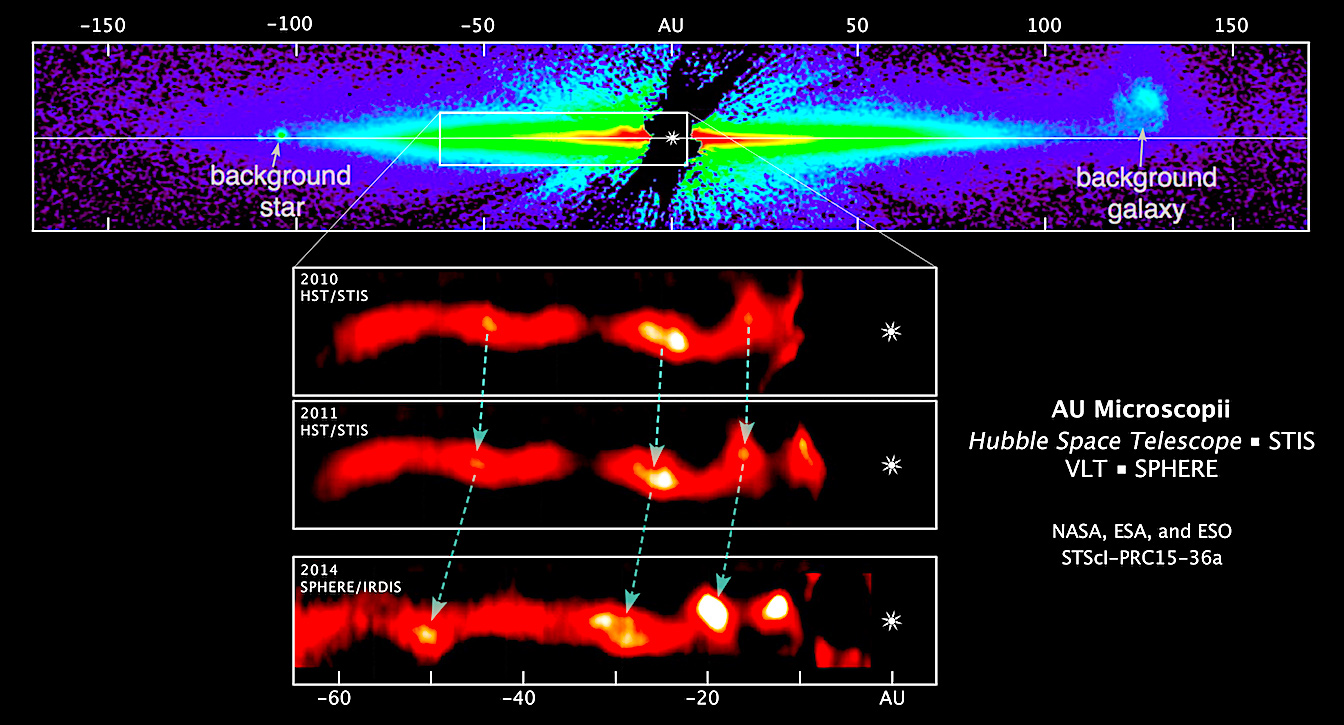
  May 17, 2016 Electric stars in an electric Universe. The Nebular Hypothesis is considered the sine qua non of consensus star-forming theory. When a star condenses out of primordial material, it is thought that the remaining clumps of dust and gas that are not absorbed swirl around, attracting more…

Continue reading

Star Magnets Part Two

  May 13, 2016 Magnetic fields in stars are not rare, study finds. According to a recent press release, astronomers from the University of Sydney, New South Wales, Australia “…discovered strong magnetic fields are common in stars, not rare as previously thought.” Pictures of the Day often note that astronomers…

Continue reading

Arc Blast — Part 1

Thunderblog Arc Blast Part 1 5080_mount_fitzroy_c

Arc Blast – Part One By Andrew Hall One of the most compelling aspects of Electric Universe cosmology is that it is visually apparent. A person can see a Peratt column in a petroglyph and reasonably conclude that our ancestors viewed a different sky than we do. Or look at…

Continue reading