Arc Blast — Part Three

Thunderblog -- Arc Blast Part 3

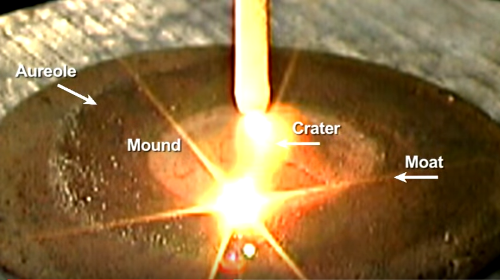
Arc Blast – Part Three By Andrew Hall In Part One of this series, we looked at how arc blast creates a mountain. We examined triangular buttresses on mountainsides and how they conform precisely with the characteristics of reflected shock waves. In particular, we looked at layering, compression and expansion…
Continue reading

Solar Plasmoids

  May 26, 2016 Ionized particles from the Sun constitute the solar wind. In an electric Universe, plasma discharges are a better model for solar activity than the consensus community likes to accept. Experiments using a positively charged sphere show that a plasma torus forms above the sphere’s circumference. Charged…

Continue reading

Electric Clouds

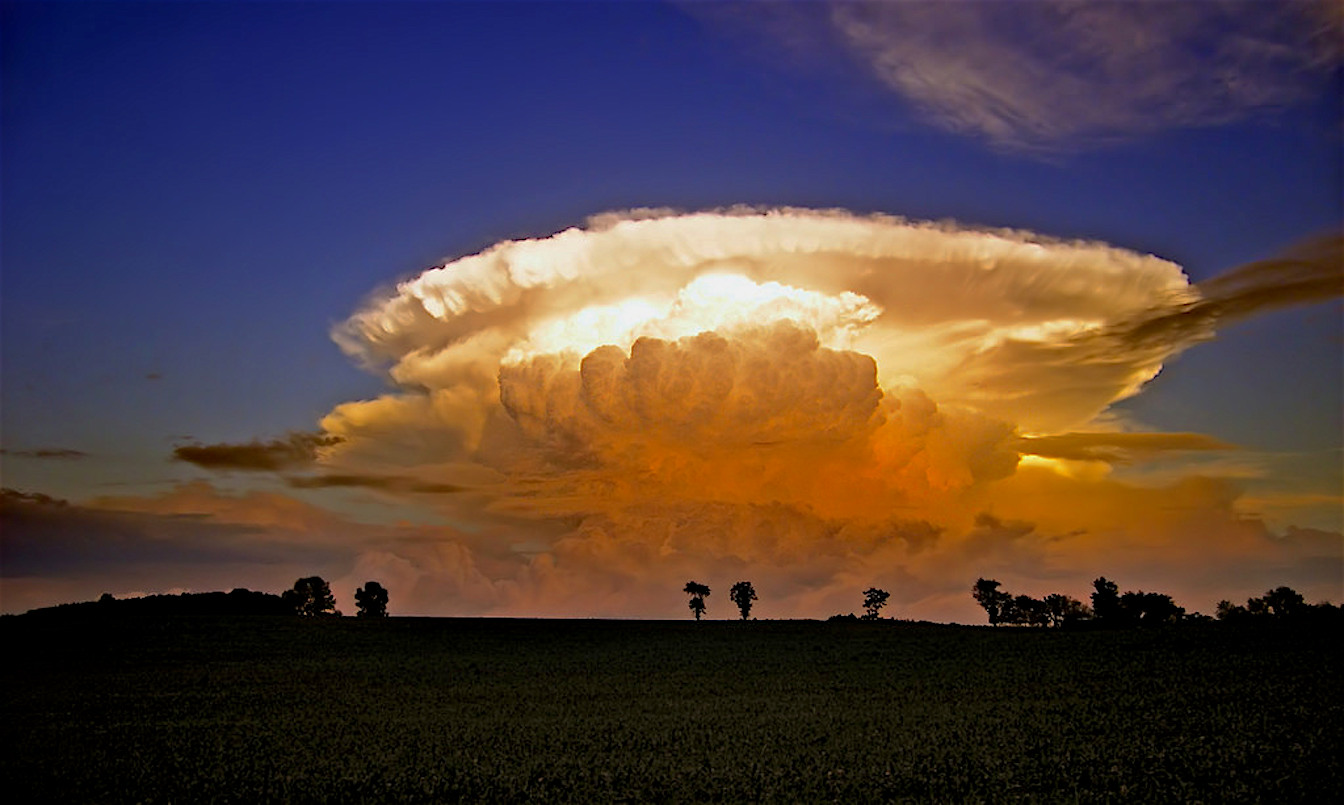
  Originally published Dec 17, 2007 Cloud formations often exhibit structure that could be the result of something other than blowing winds. Does ionized plasma actually shape the clouds? The Picture of the Day will be on a short hiatus, returning May 27, 2016. In the interim, please enjoy this…

Continue reading

The Arc Blasted Earth | Space News

#12-7

In the recent Space News episode, Electric Universe Geology: A New Beginning, Thunderbolts contributor Andy Hall began the laying the foundations for new, revolutionary concepts in Earth geology. Hall introduced his hypothesis based on the principles of plasma physics and electrical engineering for the formation of mountains and other landforms…

Continue reading

Nix

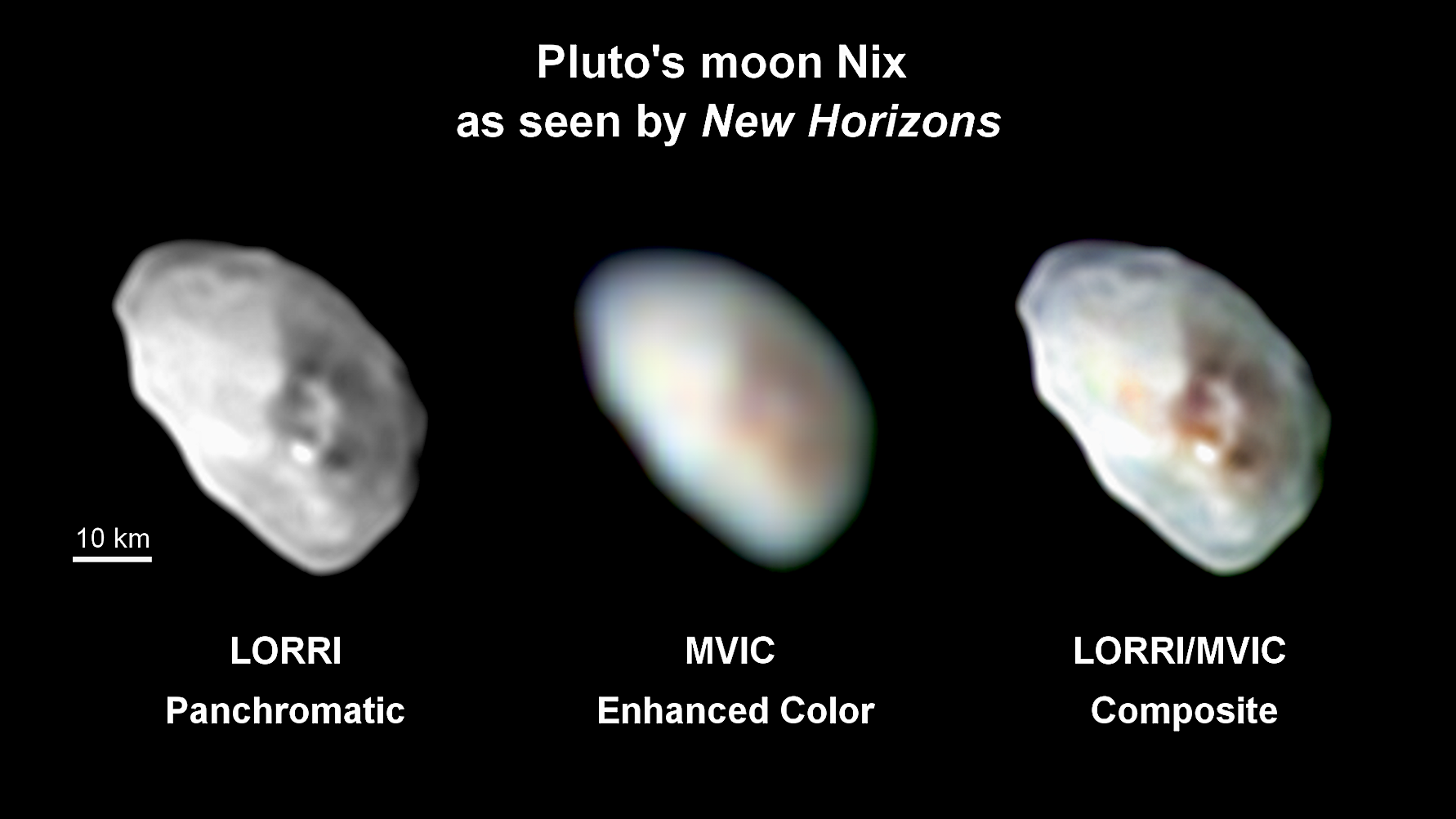
  May 24, 2016 Pluto’s potato-shaped moon. The New Horizons space probe flew by the dwarf planet Pluto on July 14, 2015. Its images of Pluto and Charon, along with infrared and spectral analyses, will provide planetary scientists with enough data to keep them occupied for years to come. More…

Continue reading

A Fox in the Henhouse

  May 23, 2016 Electromagnetism rules the Universe. Birkeland currents transport electric charges through space along twisting electromagnetic filaments that can span intergalactic distances. They are seen at all cosmic scales because almost every celestial object in the Universe is filamentary. Planetary nebulae are webs of lighted tendrils; energetic galaxies…

Continue reading

Arc Blast — Part Two

Thunderblog -- Arc Blast -- Part Two tricolor_collage_w2

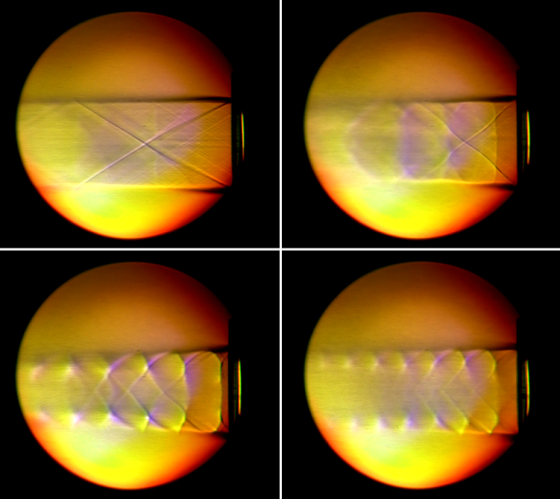
Arc Blast – Part Two By Andrew Hall In “Arc Blast – Part One” we looked at how arc blast from current in the atmosphere could produce supersonic shock and wind effects that create a mountain. We examined triangular buttresses on mountainsides that exhibit the characteristic standing wave-form of a…

Continue reading