Star Links

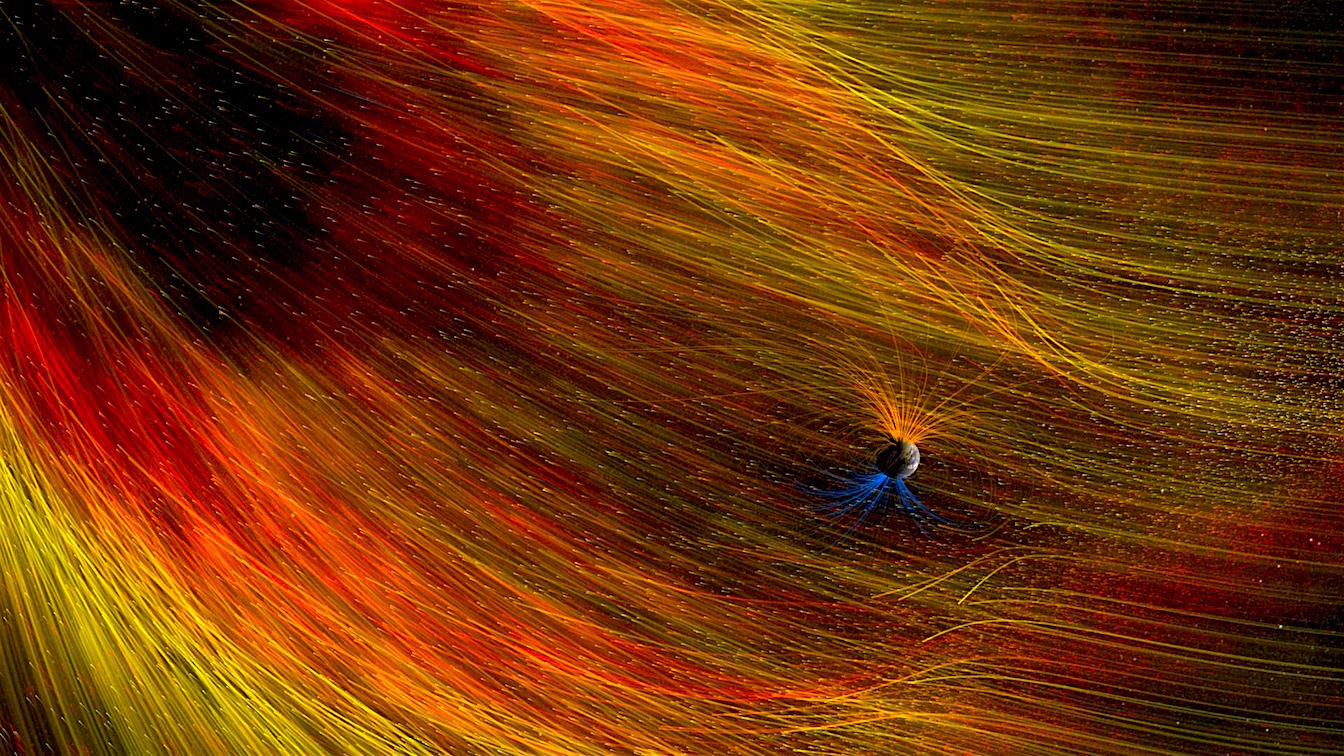
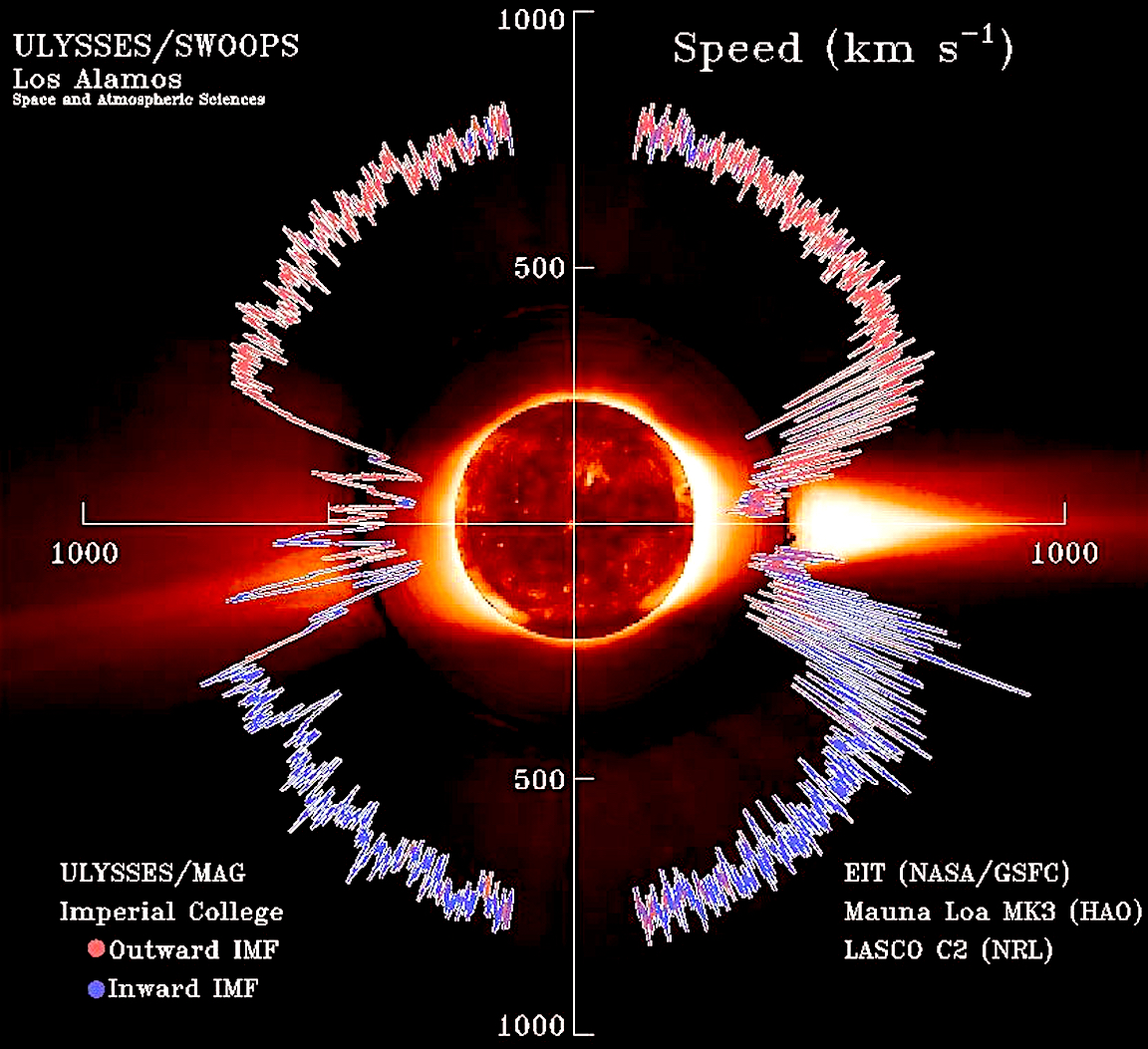
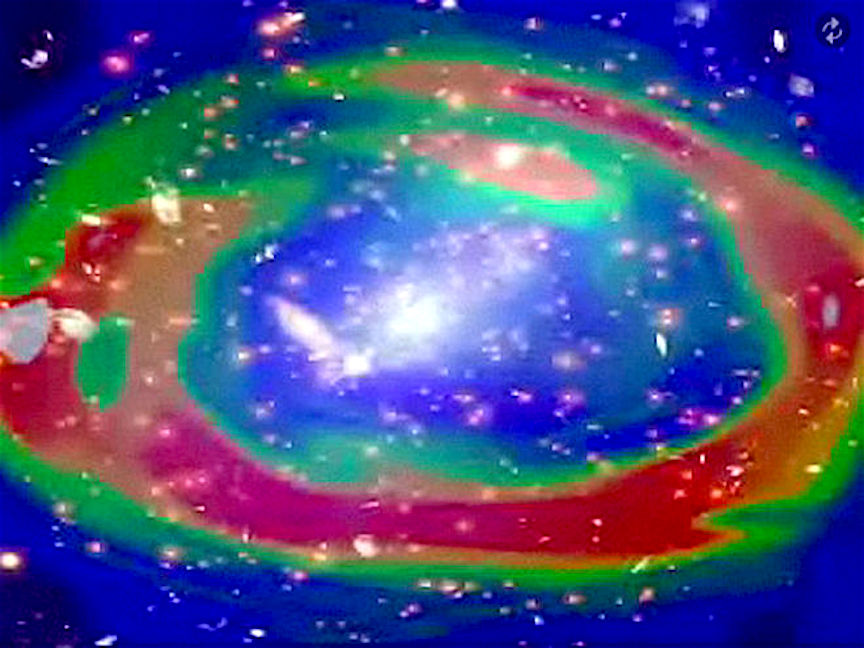
  Jun 22, 2016 The Sun’s activity drives Earth-based phenomena. Picture of the Day articles point out that there are linkages between galactic electric currents, solar electric currents, and terrestrial electric currents. Earth is connected to a circuit that flows through the cosmos, but that circuit is difficult to perceive….
Continue reading

Distant Cousins

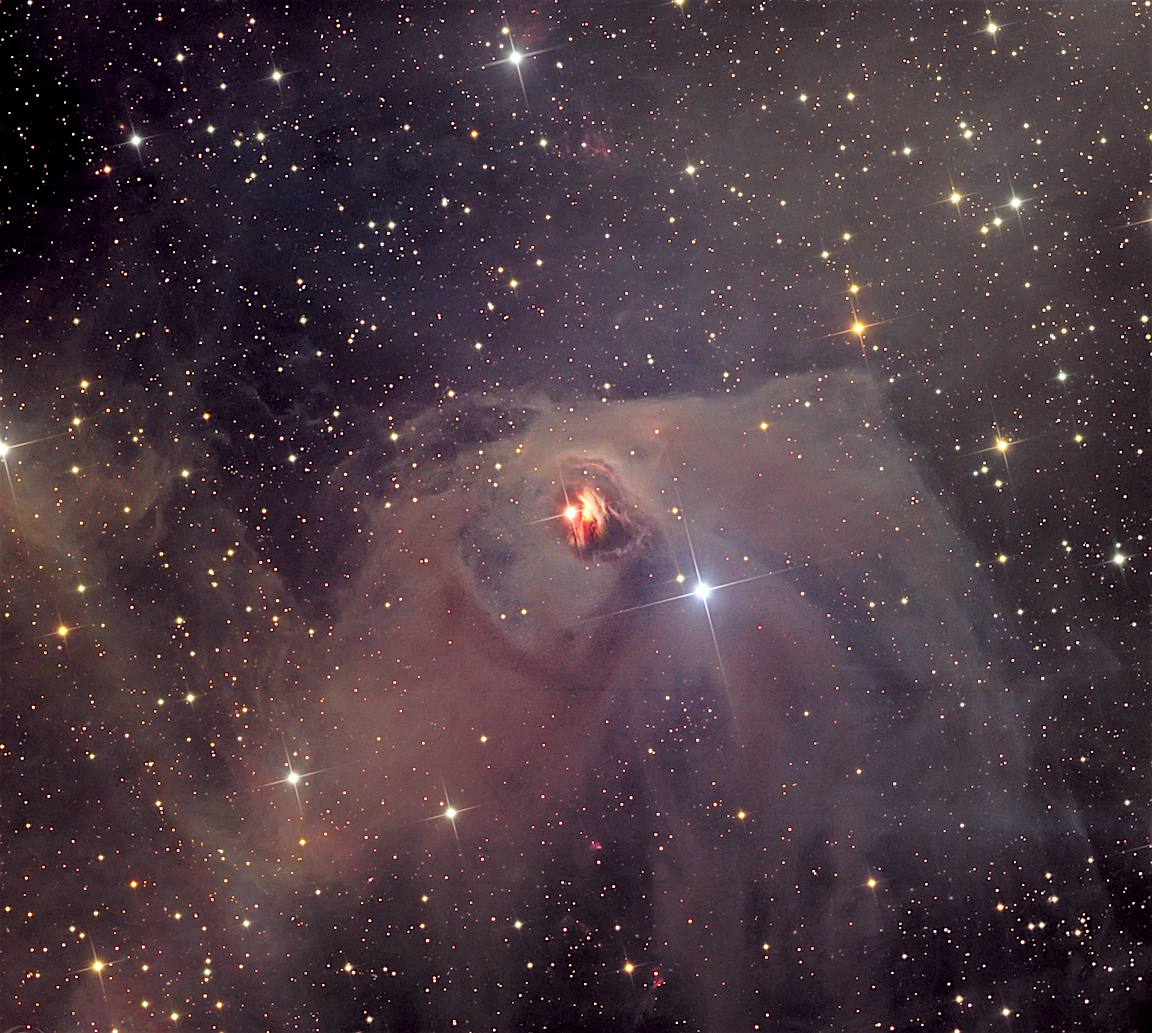
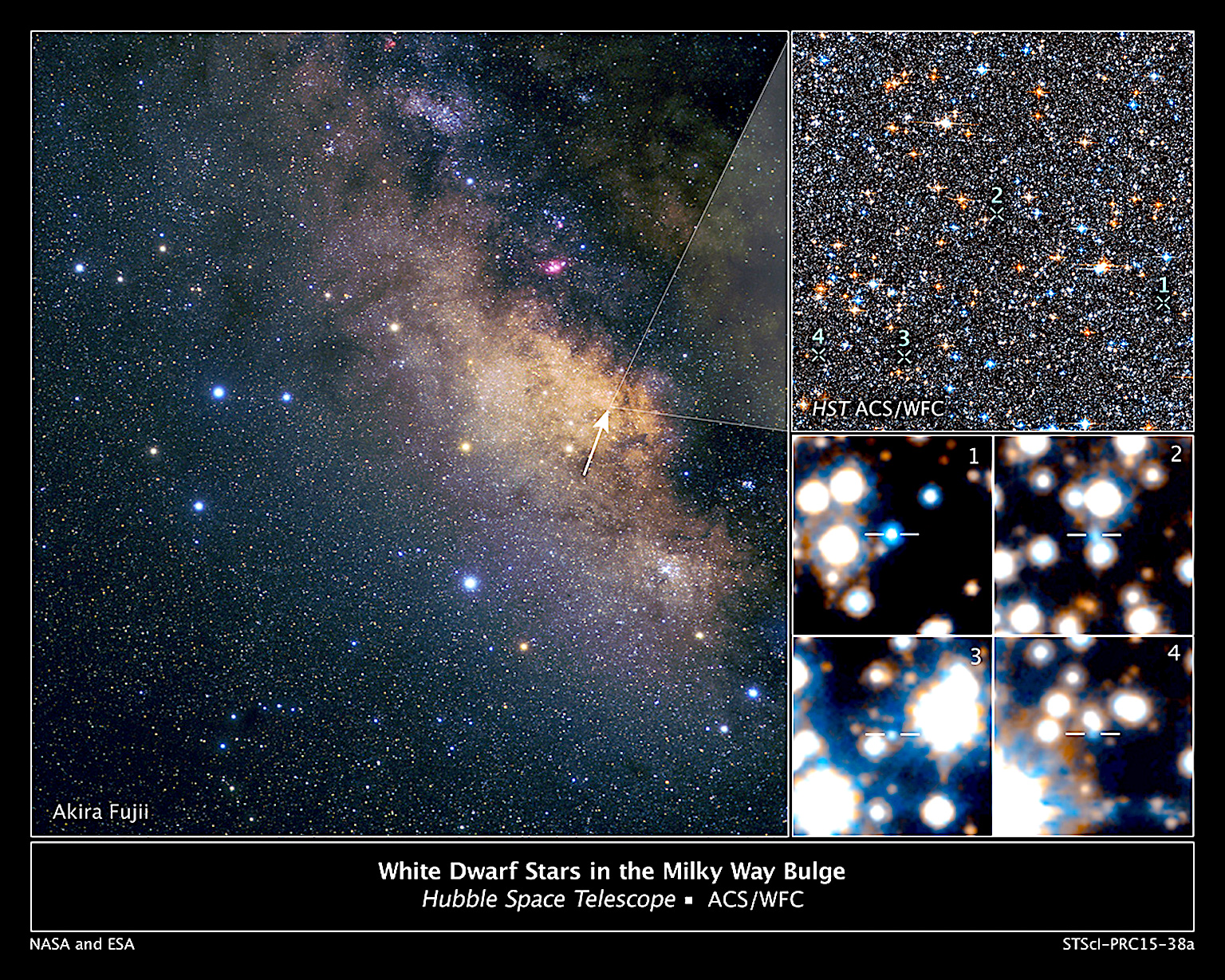
  June 20, 2016 How are stars and galaxies born? The Milky Way is thought to harbor nearly a trillion stars in orbit around its central gravity source. According to cosmologists, our galaxy condensed out of a cloud of hydrogen and dust thousands of light-years wide, with a more-or-less homogeneous…

Continue reading

X-ray Lightning

  Jun 17, 2016 Earth displays its celestial nature. Intense lightning in thunderstorms can interact with electricity (cosmic rays) coming from space. When the right conditions in Earth’s atmosphere occur, lightning causes giant particle accelerators to form above the clouds. Cosmic rays are high energy sub-atomic particles, mostly protons, that…

Continue reading

High Temperature Inclusions

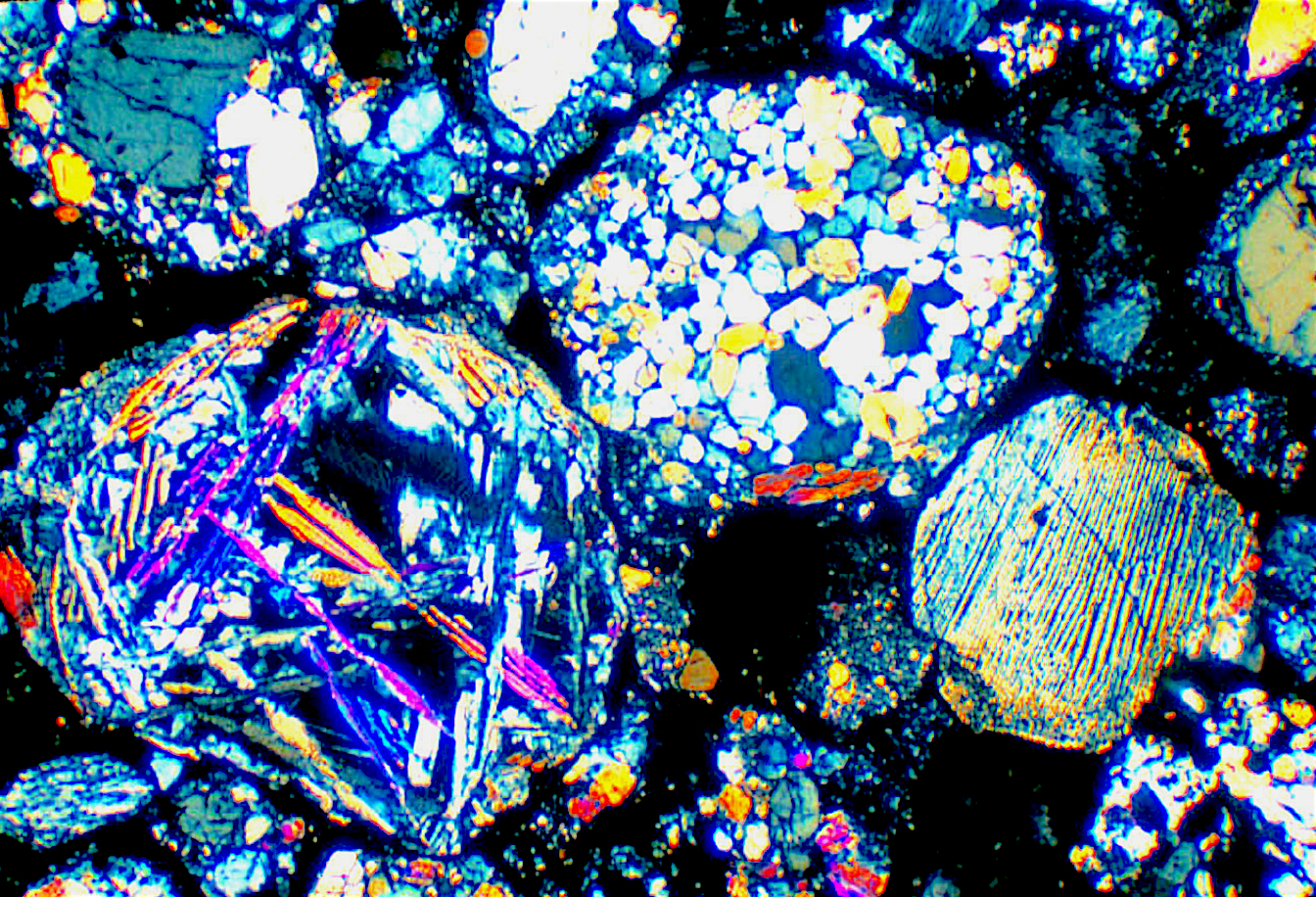
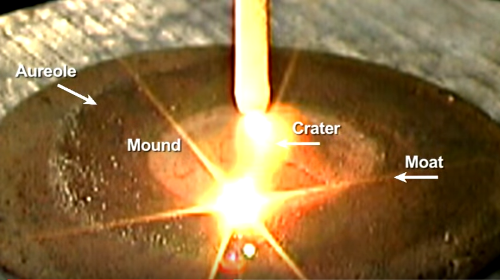
  Jun 16, 2016 Rocky bodies in the Solar System share a common experience. Recently, a press release from the Massachusetts Institute of technology (MIT) announced the discovery of high temperature minerals in meteorites that goes against the standard interpretation of Solar System formation. As the article states, meteorites are…

Continue reading

Electric Lighthouses in Space

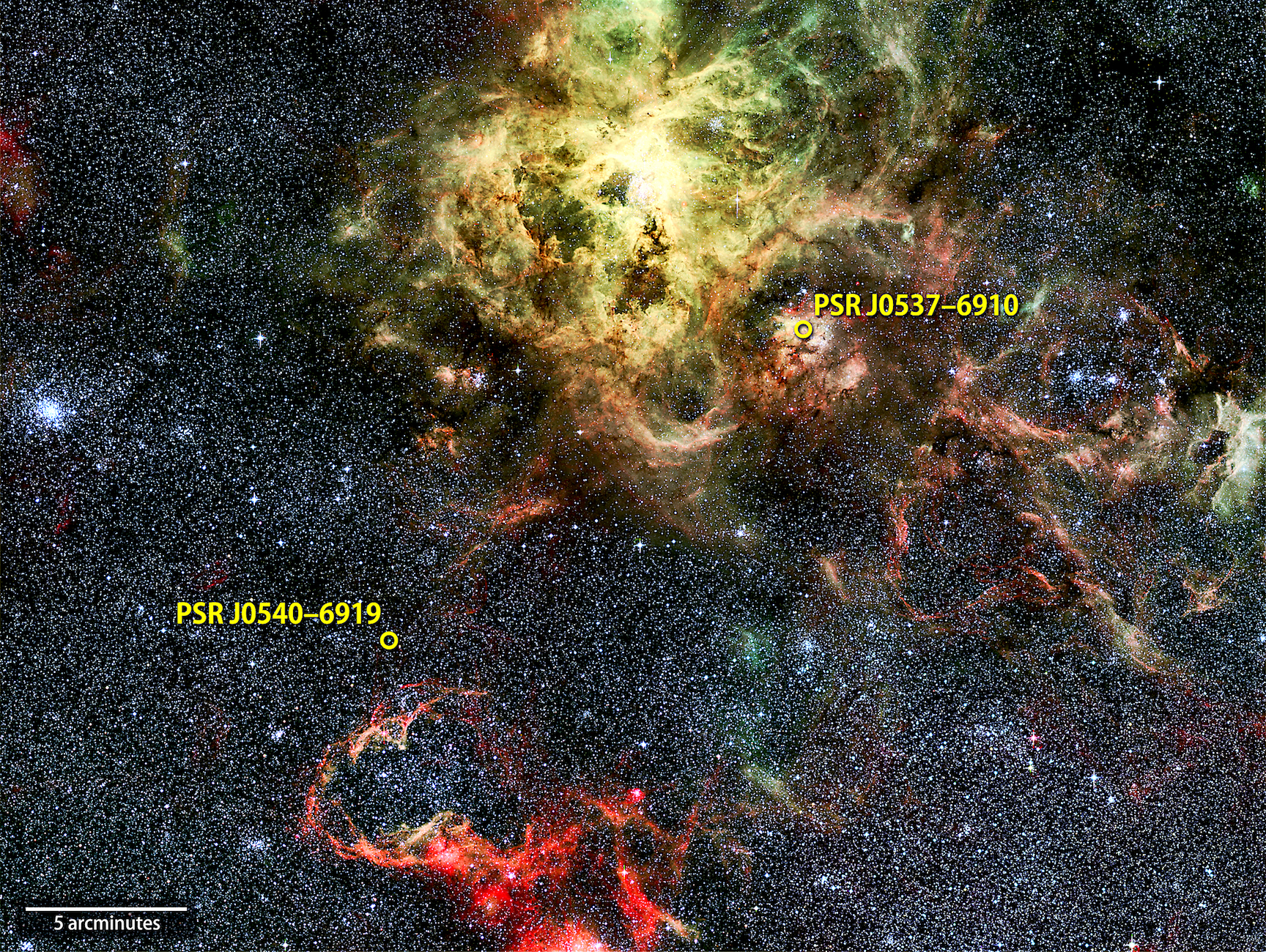
  Jun 14, 2016 Electrical effects drive pulsars. When any charged particle follows a curved trajectory, or is accelerated in a straight-line, it will emit electromagnetic radiation, otherwise known as synchrotron radiation. Synchrotron radiation creates X-rays and gamma-rays, a phenomenon demonstrated in laboratory experiments. Gamma-rays are a class of theoretical “electromagnetic…

Continue reading

Galactic Plasma Gun

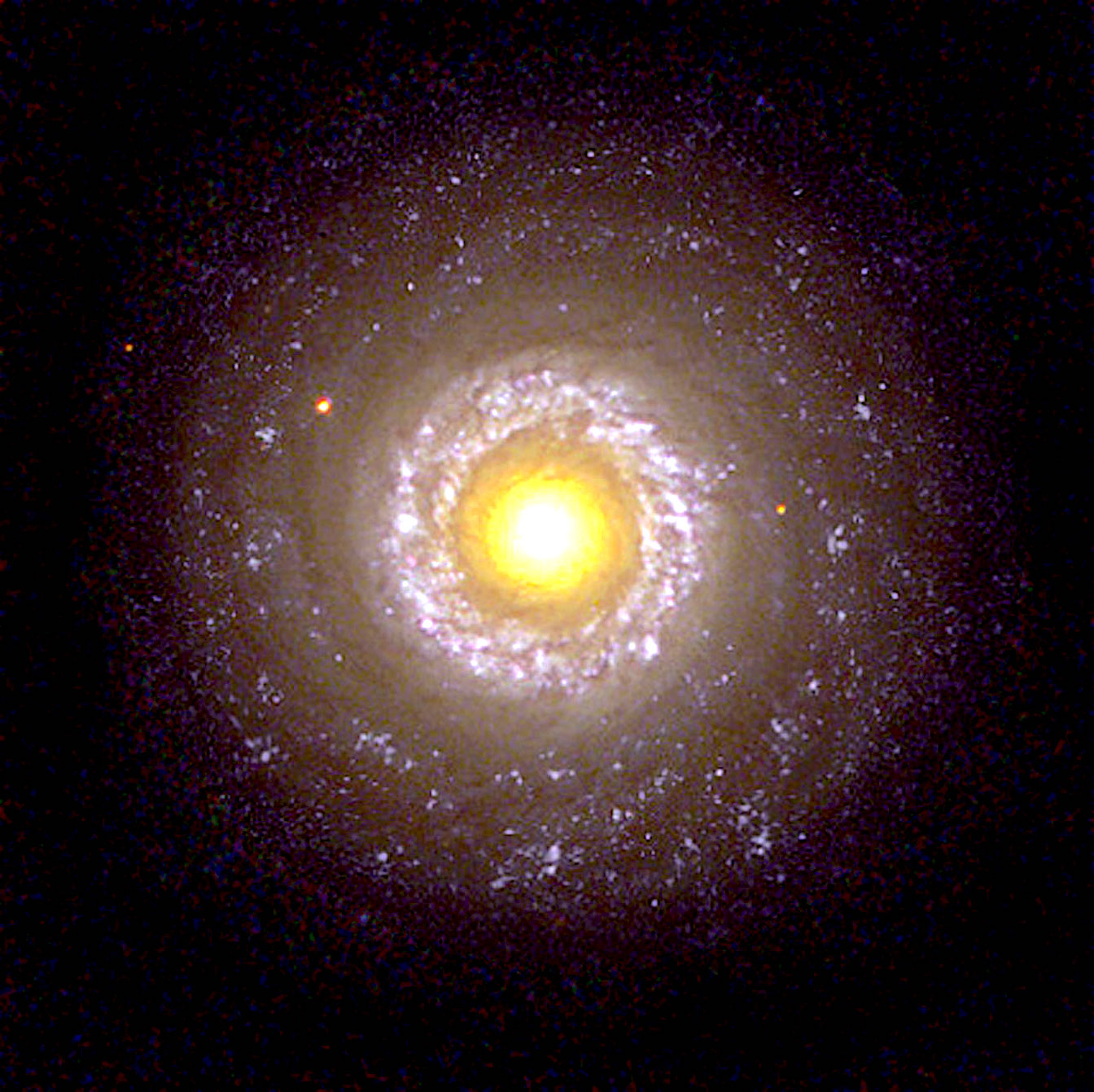
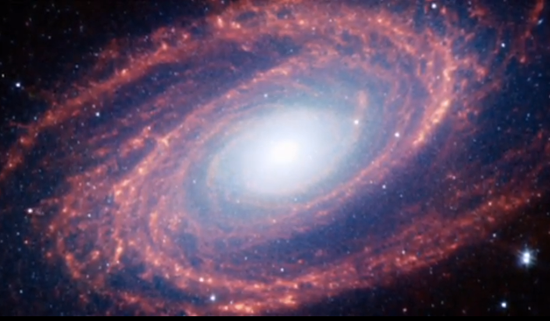
  Jun 10, 2016 Does electricity energize the galaxies? In the cosmos there are regions where stars range in thousand light-year lines. Elsewhere, rings of stars can be found, along with galaxies stretching in filaments for enormous distances. The Milky Way contains over 200 billion stars in its spiral arms…

Continue reading

Conspicuous Absence

  Jun 9, 2016 Astronomers see magnetism but not electricity. According to a recent press release from Princeton University’s Plasma Physics Laboratory (PPL), scientists working with dynamos (an abbreviation of the nineteenth century term, electric-dynamo) think they found clues to “an enduring mystery…how stars and galaxies acquire their magnetic fields.” As…

Continue reading

Wired Together

  Jun 8, 2016 Supernova remnants align with the Milky Way. Recently, astronomers found a connection between what they refer to as supernova remnants (SR) and the rest of the galaxy. When data from several instruments was inserted into their computerized model-maker, it was found that bipolar SRs, in particular,…

Continue reading