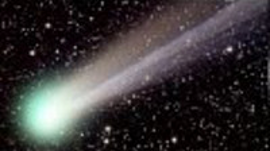
Star Magnets Part One

May 11, 2016 What prevents stellar dissipation? Children are taught from an early age that stars are “burning” balls of hydrogen gas. According to standard theories, it is a star like the Sun’s gravitational attraction that keeps planets, along with all other material, in orbit. Fusion fire releases energetic particles…

Continue reading

Focal Point

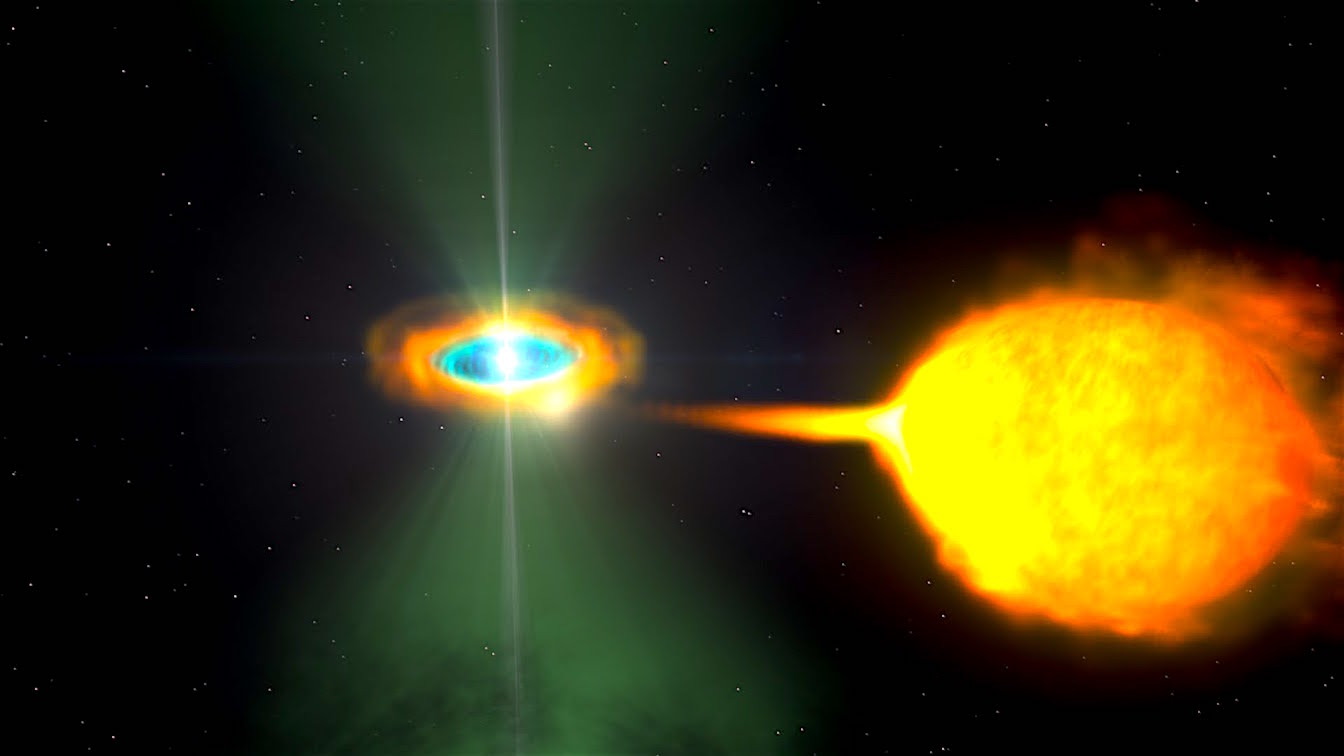
  May 10, 2016 Pulsars rotating faster than a dentist’s drill? Pulsars are described as “lighthouses” with rotating beams of energy concentrated at specific points. Plasma physicists Anthony Peratt and Kevin Healy noted that: “Because of the stability of the pulse period, Thomas Gold concluded that pulsars must be highly…

Continue reading

Straighten Up

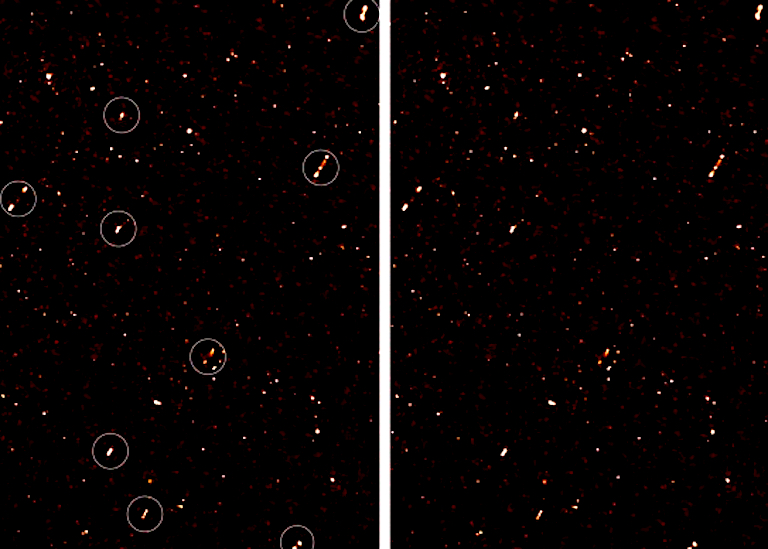
  May 9, 2016 The Universe is filamentary. Conventional cosmological theories state that a black hole forms when a star with a mass about five times that of the Sun reaches the stage in its evolution where its thermonuclear fuel is used-up. Since stars are thought to be internally powered…

Continue reading

Heads or Tails

  May 4, 2016 Comets and asteroids. “A new comet model is presented that resolves the chief problem of abnormal cometary motions and accounts for a number of other cometary phenomena. The nucleus is visualized as a conglomerate of ices, such as H2O, NH3, CH4, CO2 or CO, (C2N2?), and…

Continue reading