The Basics

photon_dance_8_by_zwopper-d31xk0x

  Mar 11, 2015 Imagine a rock. Now, imagine breaking it into pieces. Break the pieces into smaller pieces. Continue breaking until your eyes can no longer resolve the pieces. Get a microscope. Now you can distinguish the pieces. Break them until the microscope can no longer resolve the parts….

Continue reading

Hot Under the Collar

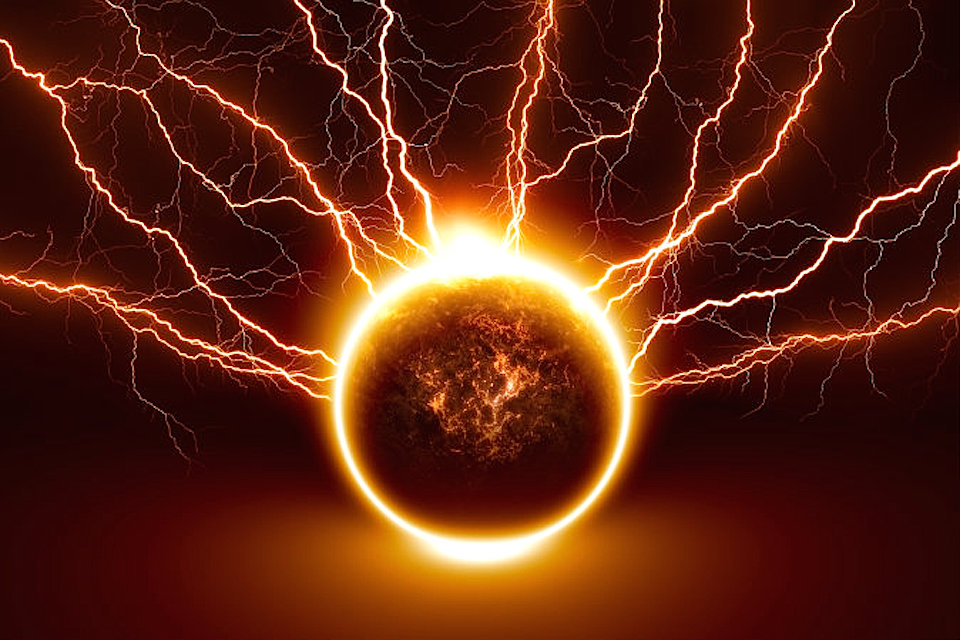
  Mar 10, 2015 A recent coronal mass ejection could be headed toward Earth. “A day without sunshine is like, you know, night.” — Steve Martin According to the Electric Sun hypothesis, the Sun is a positively charged electrode within a vast, galactic electric circuit. As previously written, the negative electrode…

Continue reading

Time Will Tell

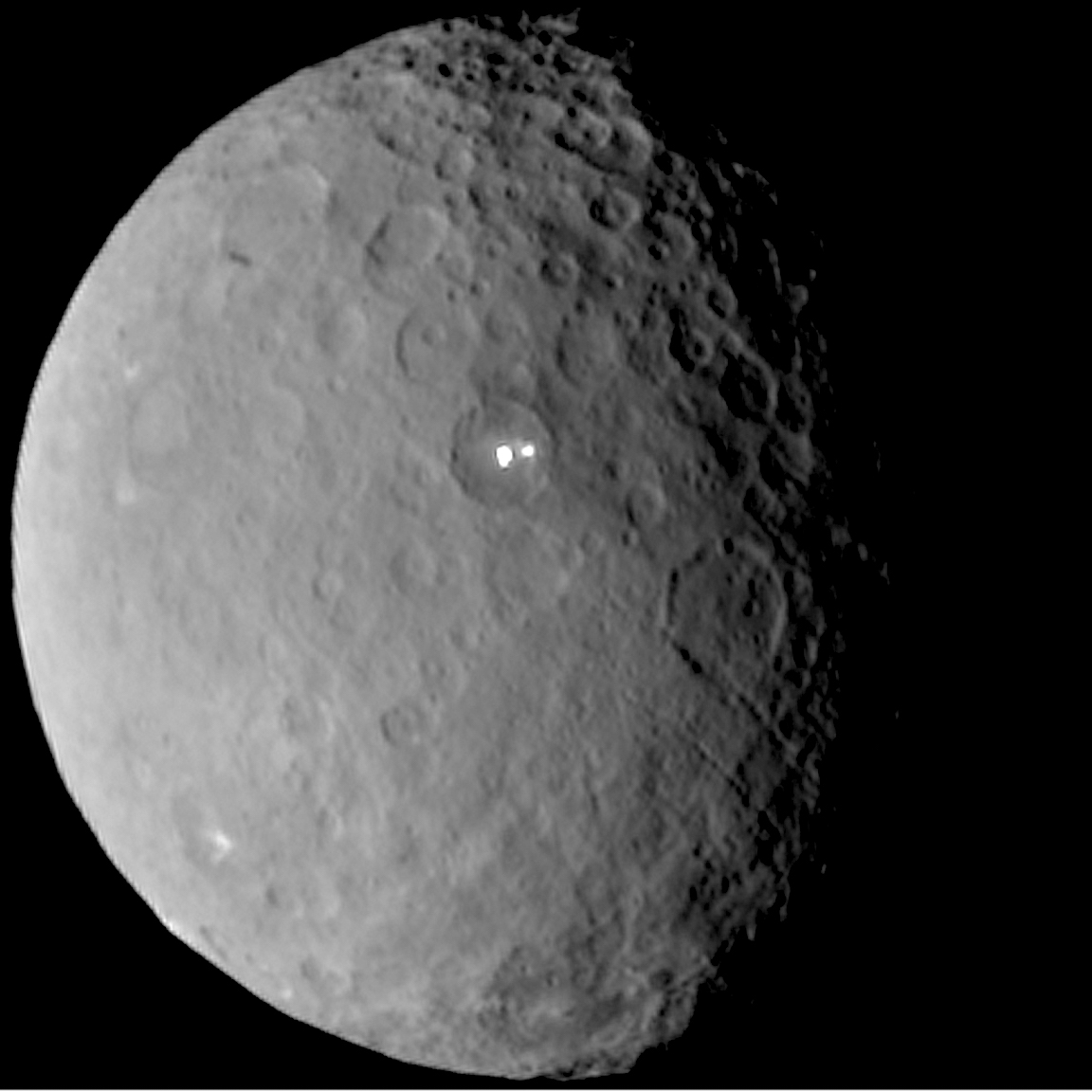
PIA18920-Ceres-DwarfPlanet-20150219

  Mar 9, 2015 The Dawn spacecraft achieves another historical first. Ceres captured the Dawn spacecraft in its gravity field at a distance of 61,000 kilometers at 7:39 AM EST on Friday, March 6, 2015, after spending several months in orbits around asteroid Vesta. Three ion propulsion engines enabled Dawn…

Continue reading

The Ring is a Barrel

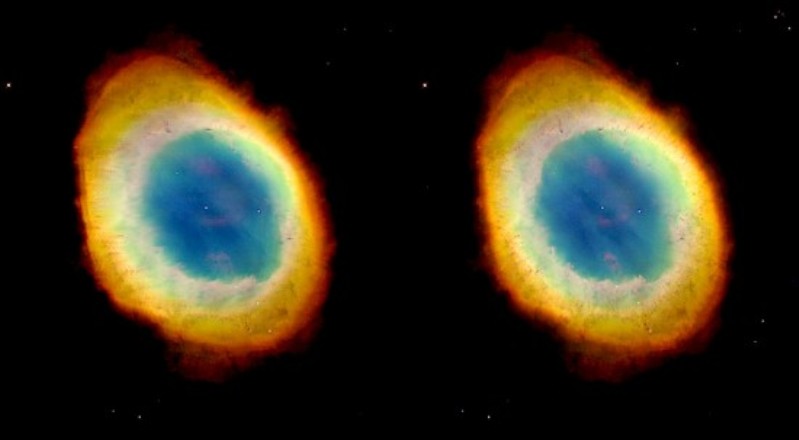
TPOD Mar 6, 2015 ring_nebula_cross-550x440

  Mar 5, 2015 The Ring Nebula could be called the “Tube Nebula”. “Bipolar outflow” is a term often used to describe the nebular structure seen above, although the cause of the effect remains baffling to consensus astronomers. The prevailing opinion is that nebular structures form “knots” because gases and dust…

Continue reading

Dynamic Jupiter

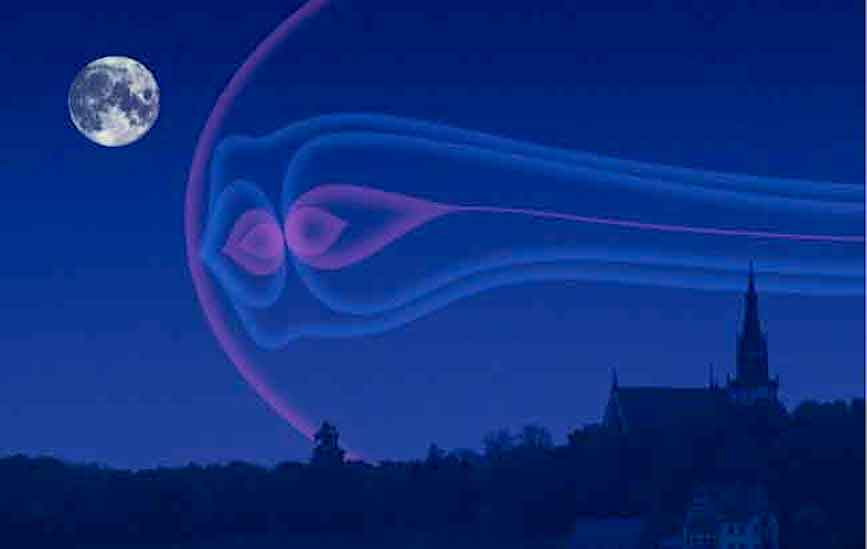
If Jupiter's magnetosphere were in glow mode, it would be the largest structure visible in the night sky. Credit: NASA

  Mar 03, 2015 Could two dynamos made of hydrogen create Jupiter’s magnetosphere? Jupiter is the largest of all the planets. At 142,984 kilometers in diameter at its equator, it is so large that all the other planets could fit within its volume. Jupiter rotates so fast that a day lasts…

Continue reading

Electric Helix

  Mar 2, 2015 An image of the Helix Nebula in the constellation Aquarius exposes more details of its electrical structure. The infrared image shows radial Birkeland currents (called “strands” in the press release) crossing the concentric rings and converging on the central star. (Will “strands” now replace the former…

Continue reading

Puppis A

  Aug 25, 2014 Can shockwaves create X-rays? Many Picture of the Day articles point out that stars are not simplistic globes of hot gas under pressure, they are composed of plasma. Plasma is electrically charged. Since it is ionized, it does not behave like a pressurized gas, so shockwaves…

Continue reading

Cometary Moon

  Feb 25, 2015 Enceladus shares characteristics with comets. Proponents of mainstream viewpoints are slowly beginning to realize that asteroids and comets exist in a continuum: neither are strictly identical nor completely different from the other. For example, when the Stardust mission returned to Earth with samples from the coma…

Continue reading