Storm Lights

  Oct 12, 2016 The aurorae are not powered by magnetic reconnection. Earth’s northern lights both puzzle and entrance observers. Pierre Gassendi, in 1621, called the curtains of light in the north the Aurora Borealis after Aurora, the Roman goddess of dawn, and Boreas, the Greek name for the north…
Continue reading

Electric Reticulation

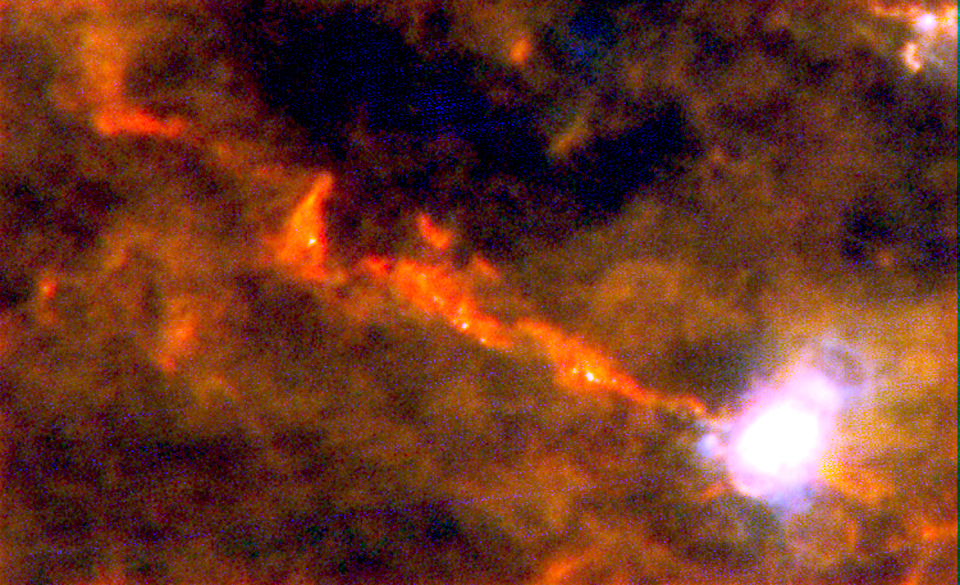
  Oct 11, 2016 Braided filaments stitch the Universe together. The Herschel Space Observatory was launched on May 14, 2009 into an orbit around LaGrange point L2 (behind Earth in relation to the Sun). Herschel’s supercooled infrared detectors were built to last only three years, so its cooling system has long since failed. The…

Continue reading

Small Fry

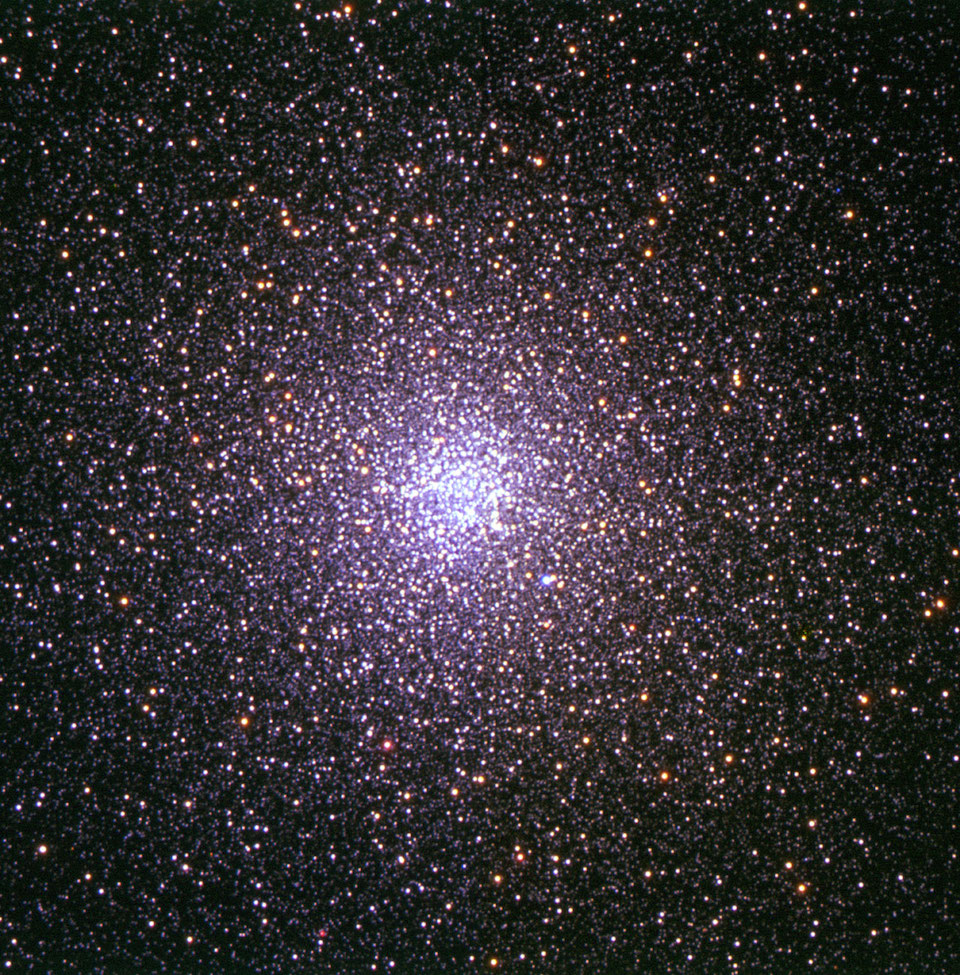
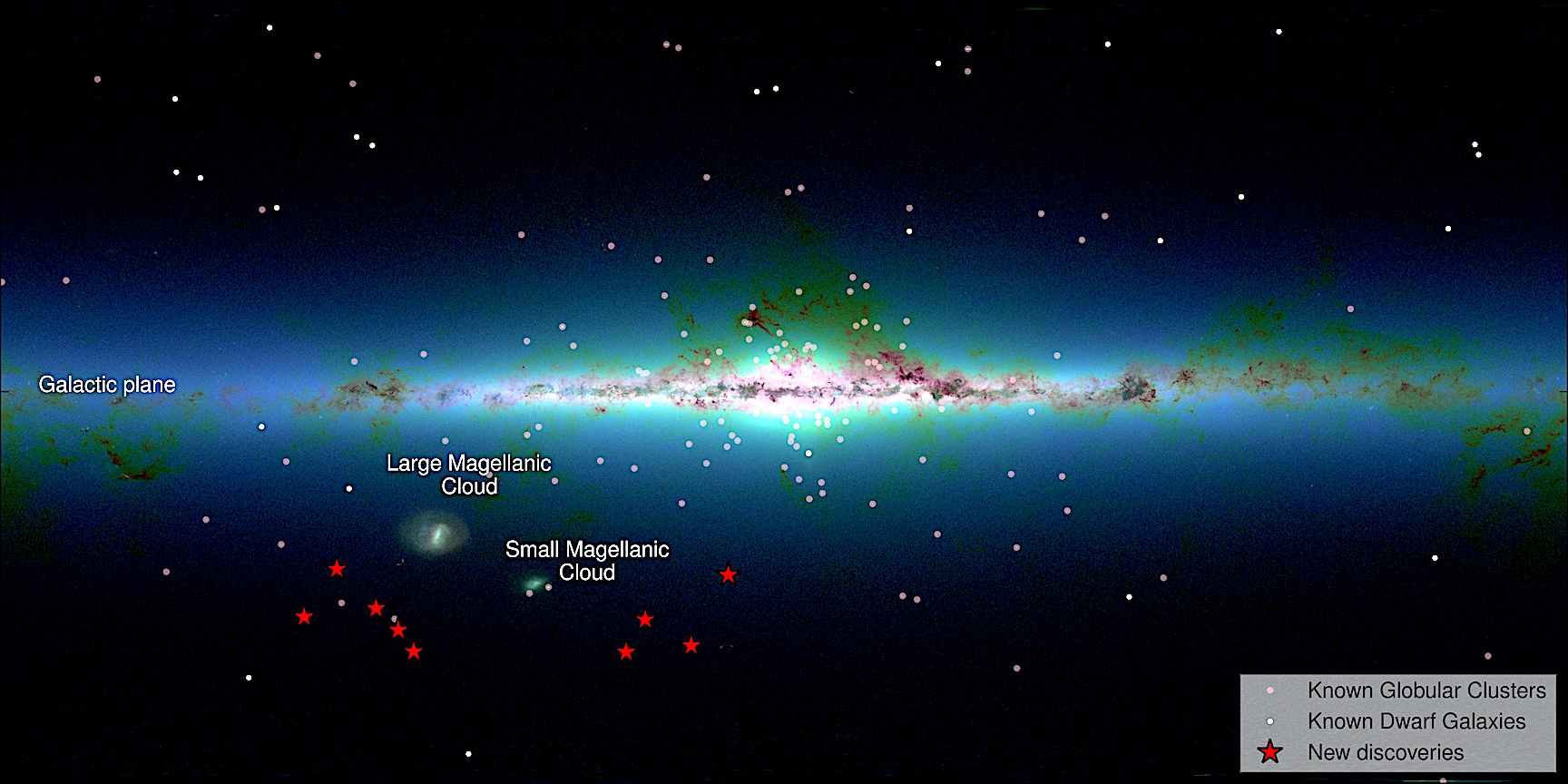
  Oct 10, 2016 Dwarf galaxy evolution is a problem for consensus theories. The Milky Way has at least two smaller companions, the Large and Small Magellanic Clouds. Some astronomers suspect that there are as many as 80 or more. A new predictive model is supposed to help answer the…

Continue reading

Electric Gyres

  Oct 7, 2016 Helical structures reveal electrical entities. Spiral structures are common in the Universe. Galaxies, planetary nebulae, hurricanes: all exhibit characteristic shapes that point to electrically induced formations. The term “planetary nebula” was first applied in the early days of telescopic observation, since they appeared to be round,…

Continue reading

Solar Media

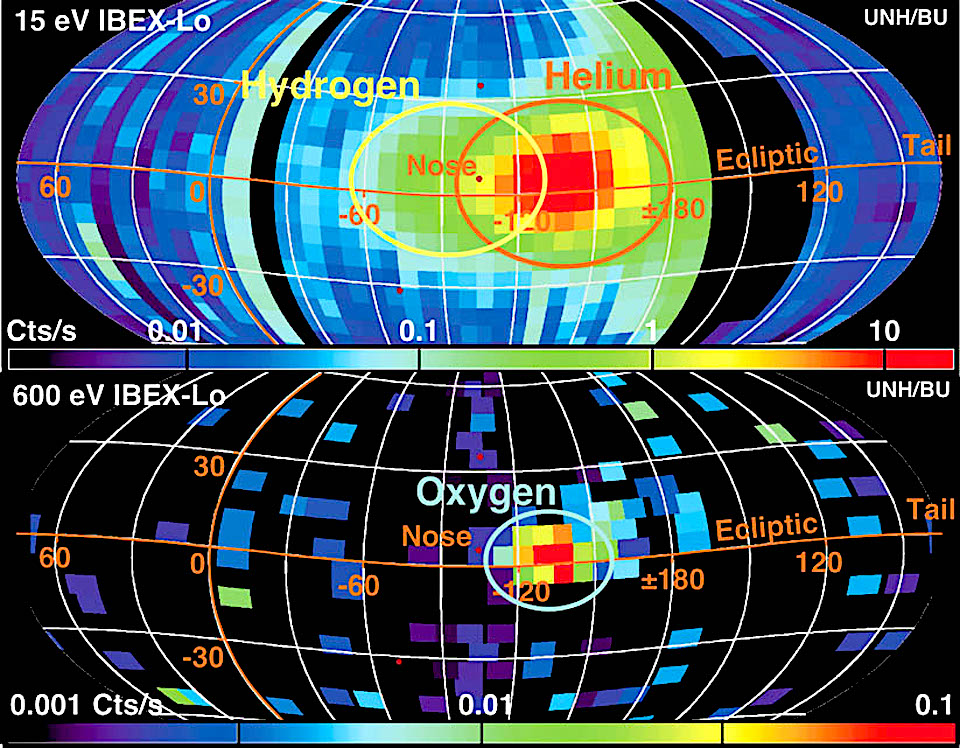
  Oct 06, 2016 The Interstellar Medium was detected by Voyager 1. Electric Sun theory presupposes that the Sun is a positive terminal, or anode, in a complex interstellar circuit. The Sun’s negative pole, or cathode, is known as the heliosphere, a shell of charged particles surrounding the Sun’s electric discharge…

Continue reading

Similarities

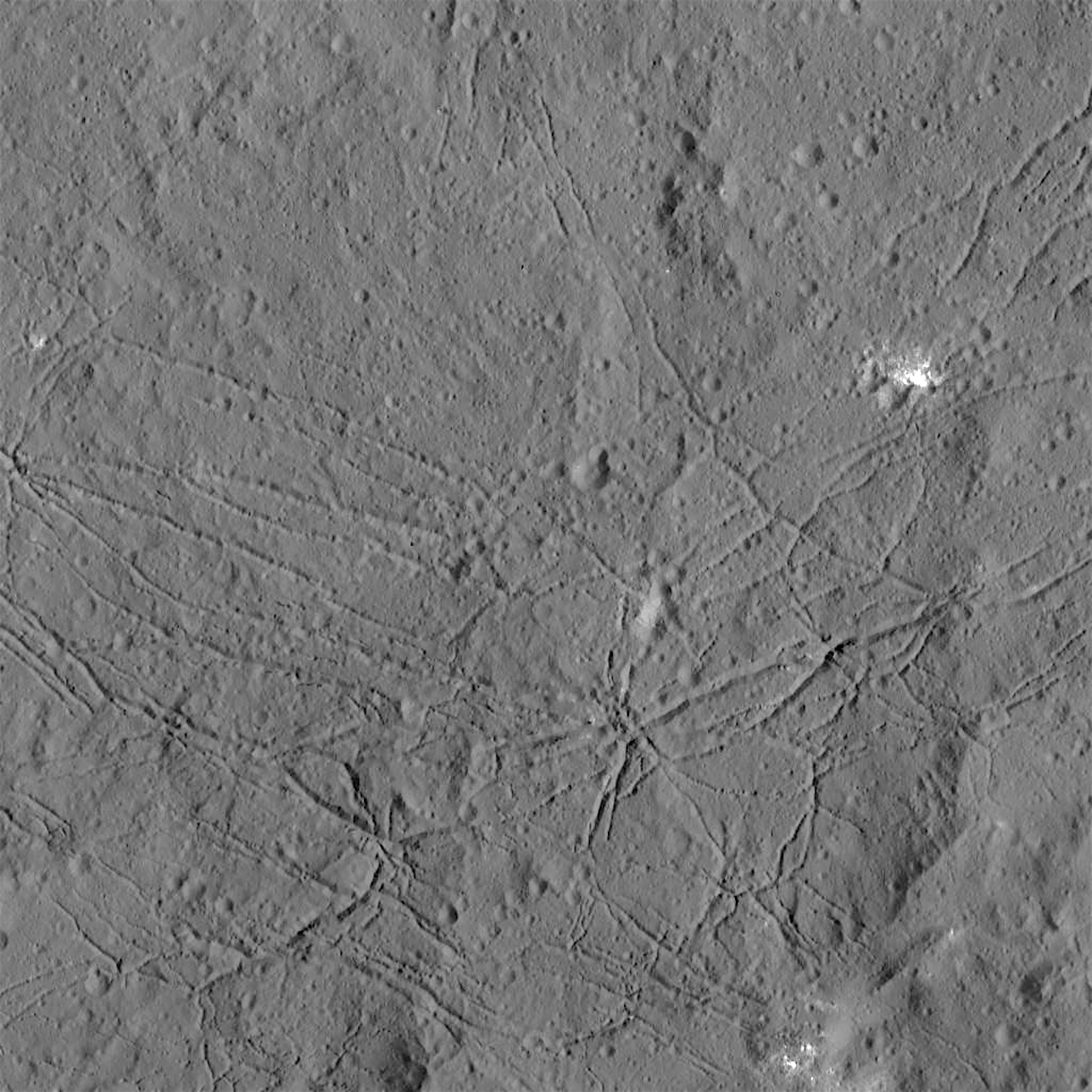
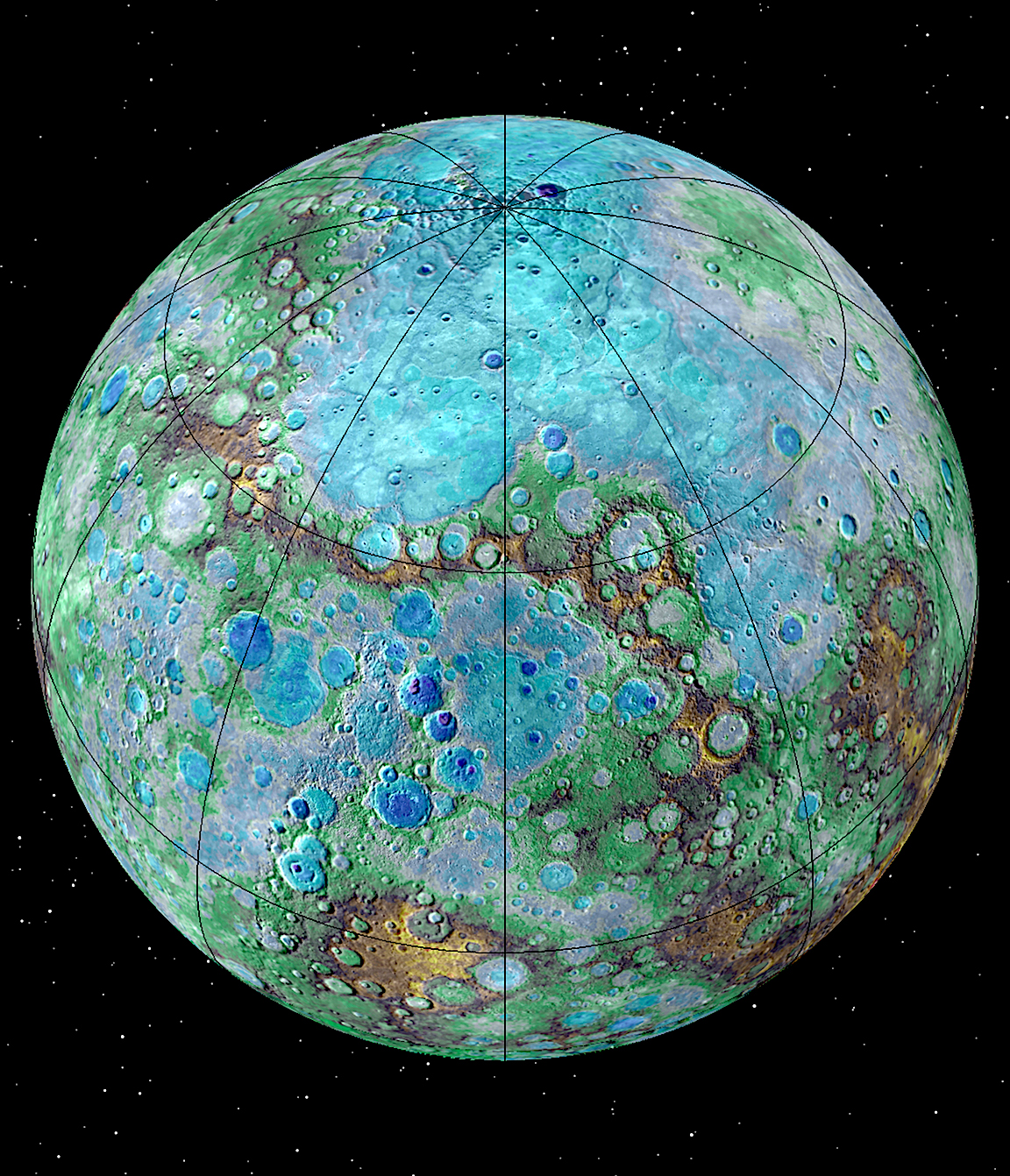
  Oct 04, 2016 The topography of Ceres is reminiscent of other planets and moons. NASA launched the Dawn spacecraft on September 27, 2007. Its scientific observations of the asteroid Vesta began on July 17, 2011 and ended on September 5, 2012 when Dawn fired-up its ion thruster engine and headed toward Ceres….

Continue reading

Charge Fluctuation

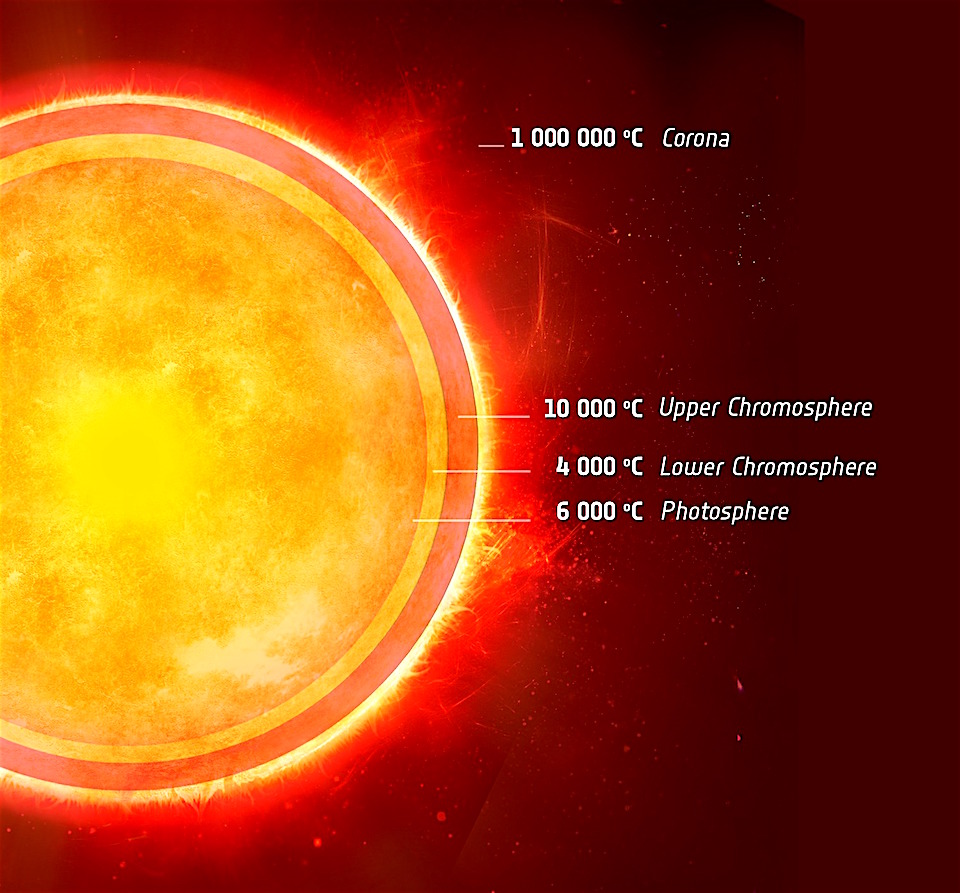
  Sep 29, 2016 The Sun’s activity remains mysterious. Among heliophysicists it is commonly thought that the Sun accelerates charged particles into space in the same way that sound waves are amplified. Solar energy is said to travel outward from the interior through “acoustical wave-guides”, known as magnetic flux tubes. Spicules…

Continue reading

Down to the Sea

  Sep 28, 2016 Europa is not a harbor for life. In March of 1979 Voyager 1 found that Europa appeared to be completely encased in water ice, with few craters. Sinuous channels, called “rilles,” extend for thousands of kilometers across its face. Cycloid, dual ridge “faults” mystified NASA mission team…

Continue reading