A Picture of Plasma

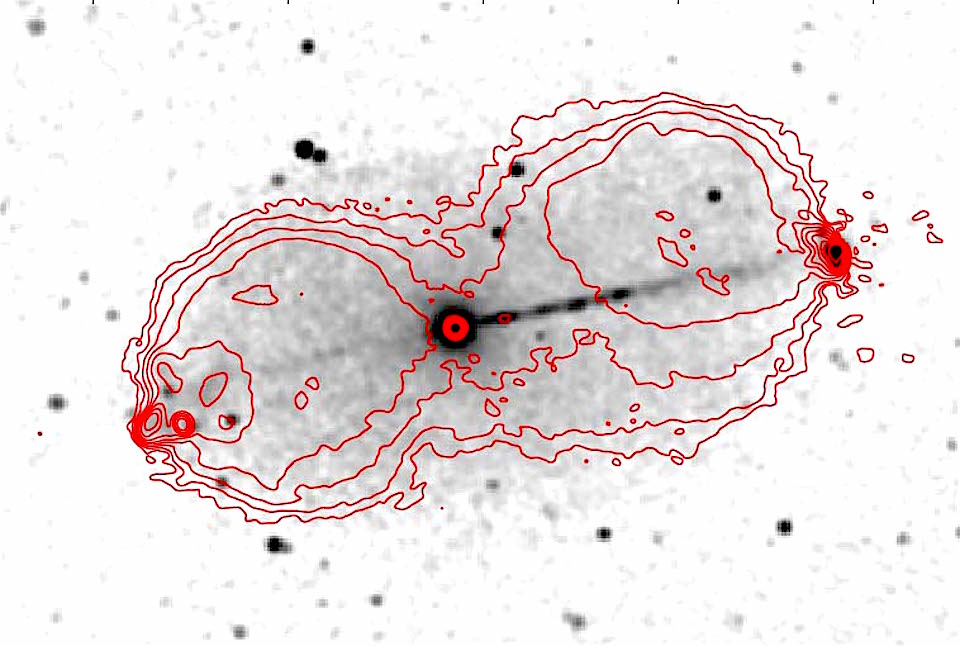
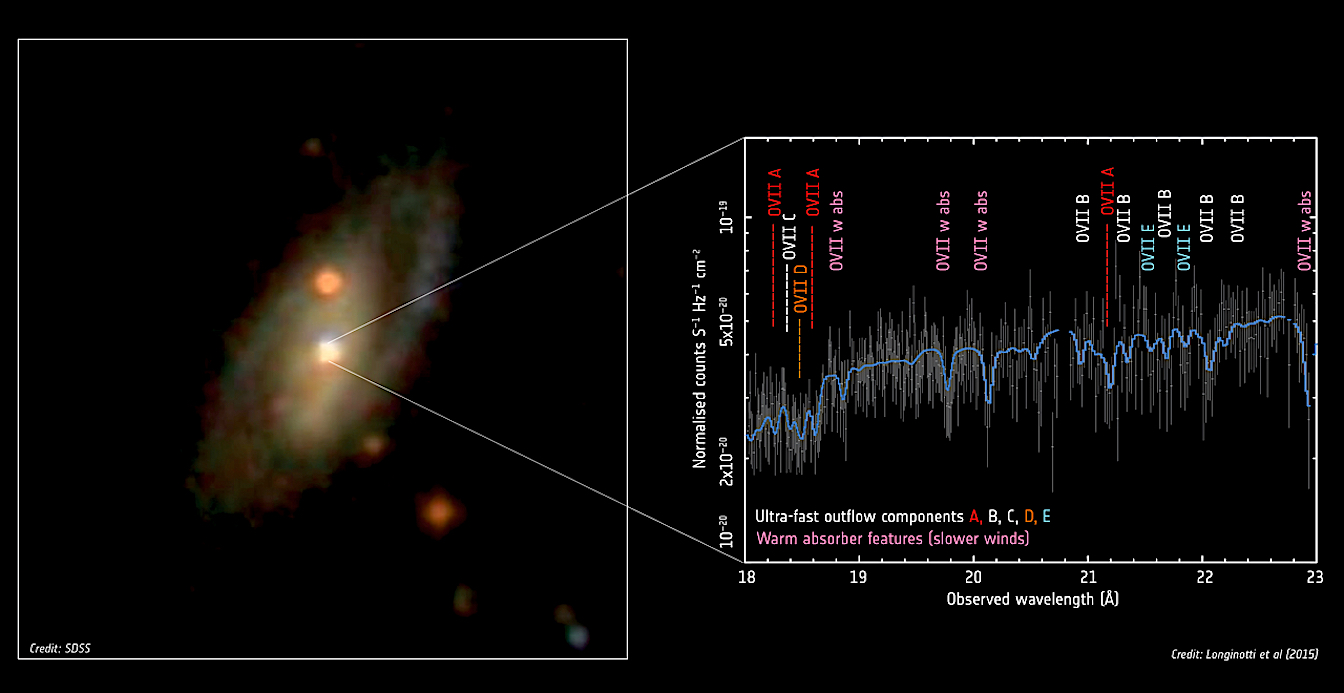
  Sep 8, 2016 X-rays in space. A recent press release from the Chandra X-ray Observatory reports that “strong winds” are racing outward from the core of Pictoris A, a galaxy said to be 500 million light-years away in the constellation Pictor. A supermassive black hole (SMBH) is the culprit, according to astronomers….

Continue reading

Pole to Pole

  Sep 7, 2016 The first pictures of Jupiter’s north pole show “…storm systems and weather activity unlike anything previously seen.” After an August 5, 2011 launch, and a five-year flight, the Juno spacecraft entered orbit around Jupiter on July 4, 2016. Jupiter is the largest planet, with an equatorial…

Continue reading

Radiant Wind

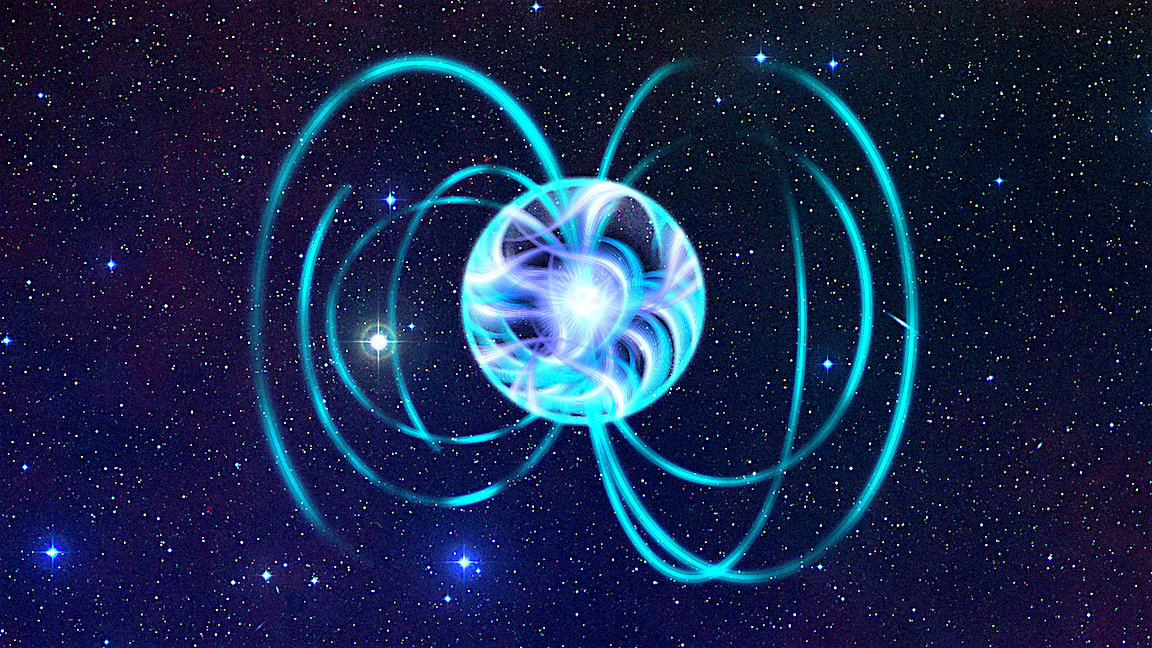
  Sep 6, 2016 X-rays are not created by pressure. According to a recent press release, a black hole in the center of galaxy IRAS17020+4544, about 800 million light-years from Earth (as astronomers measure distance via redshift) is almost six million Suns in mass. The most important aspect to the announcement…

Continue reading

Sun Fire

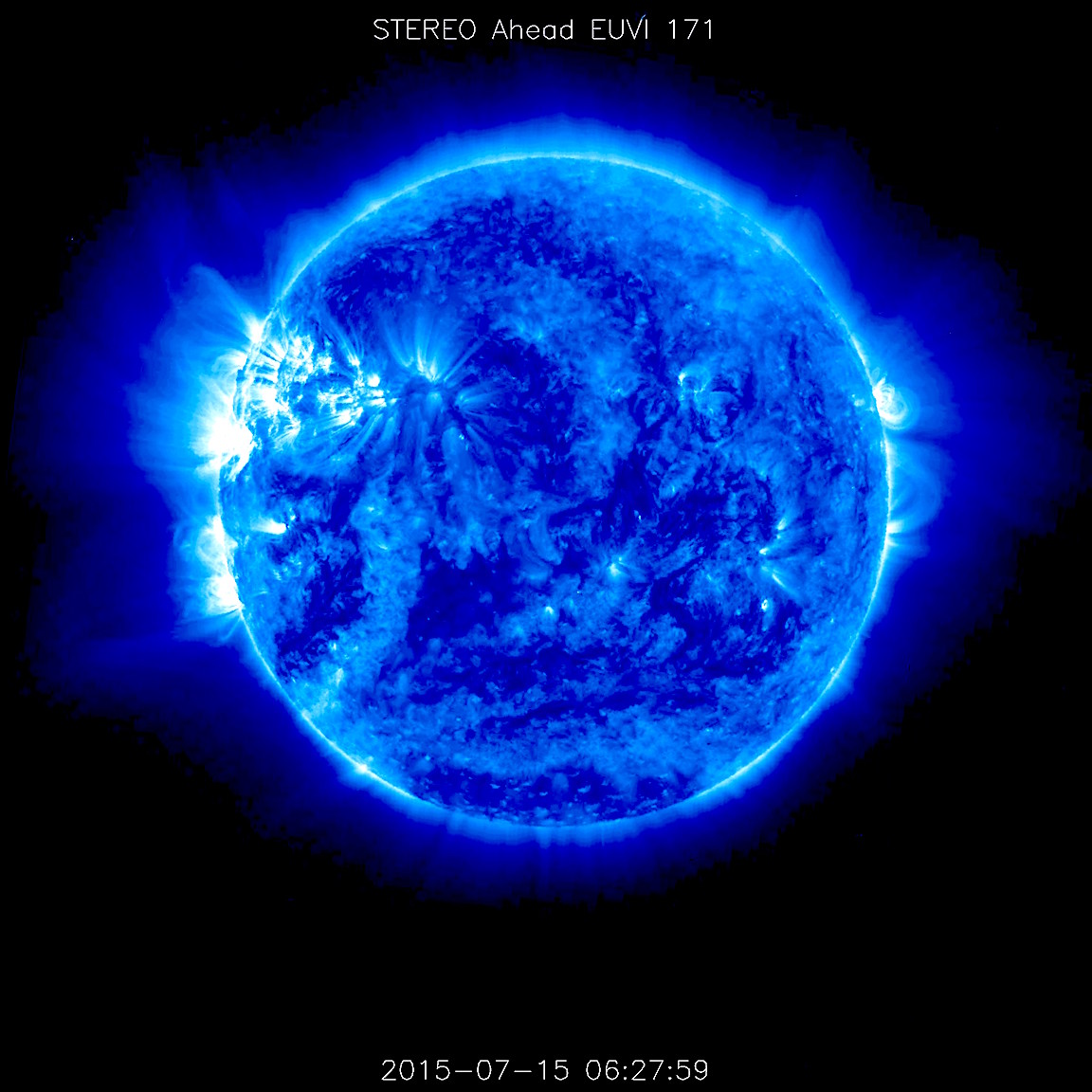
  Sep 5, 2016 The Sun is a mysterious force. NASA launched the Solar TErrestrial RElations Observatory (STEREO) spacecraft on October 25, 2006 from Cape Canaveral. Its mission is to study the solar weather, including coronal mass ejections (CME) and solar flares. The twin STEREO satellites are in orbit around…

Continue reading

Chains of Habit

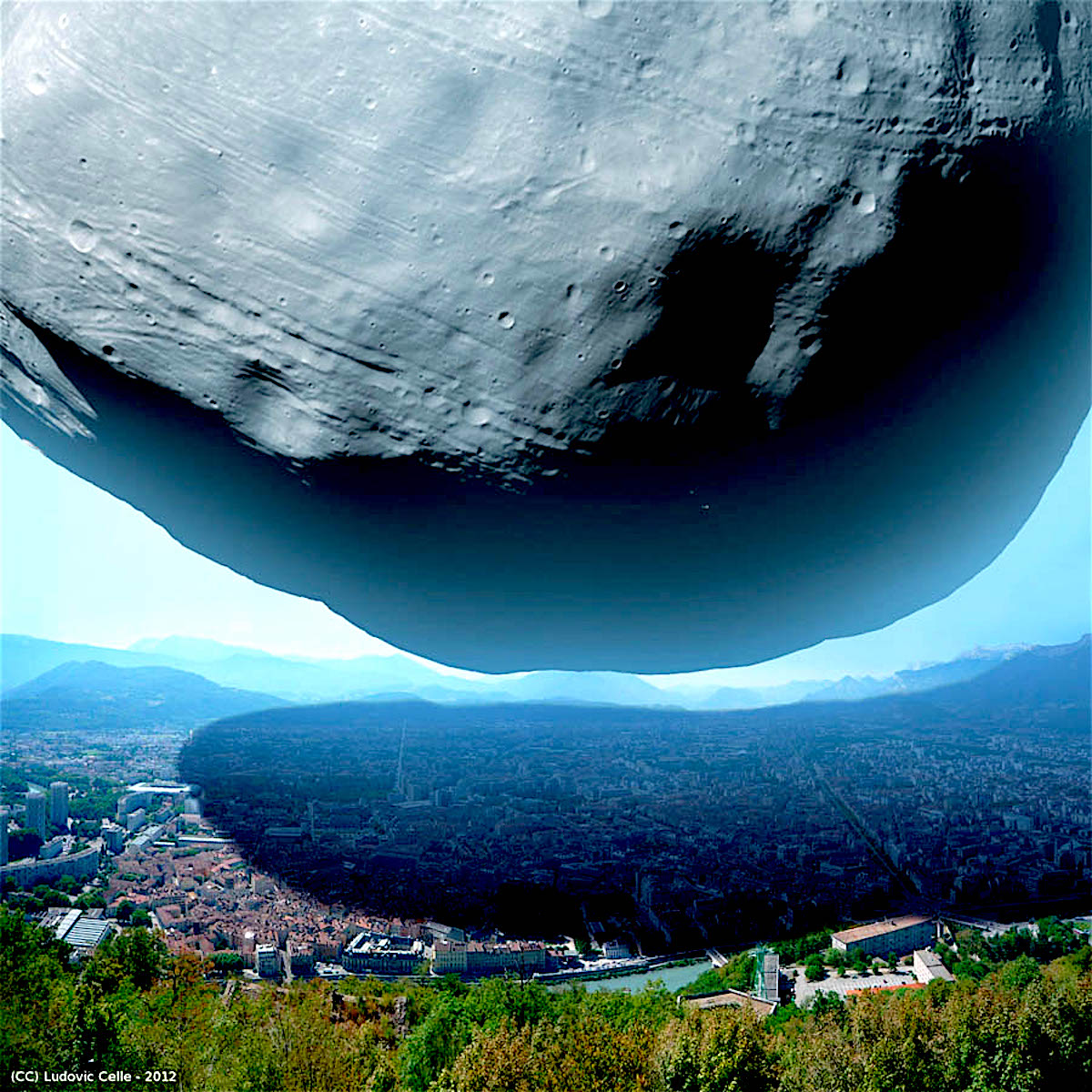
  Aug 31, 2016 Crater chains do not necessarily indicate impact features. It is difficult to free fools from the chains they revere. — Voltaire According to a recent press release, a new study finds that the grooves on Phobos “…are the result of debris ejected by impacts eventually falling…

Continue reading

The Serpent’s Coils

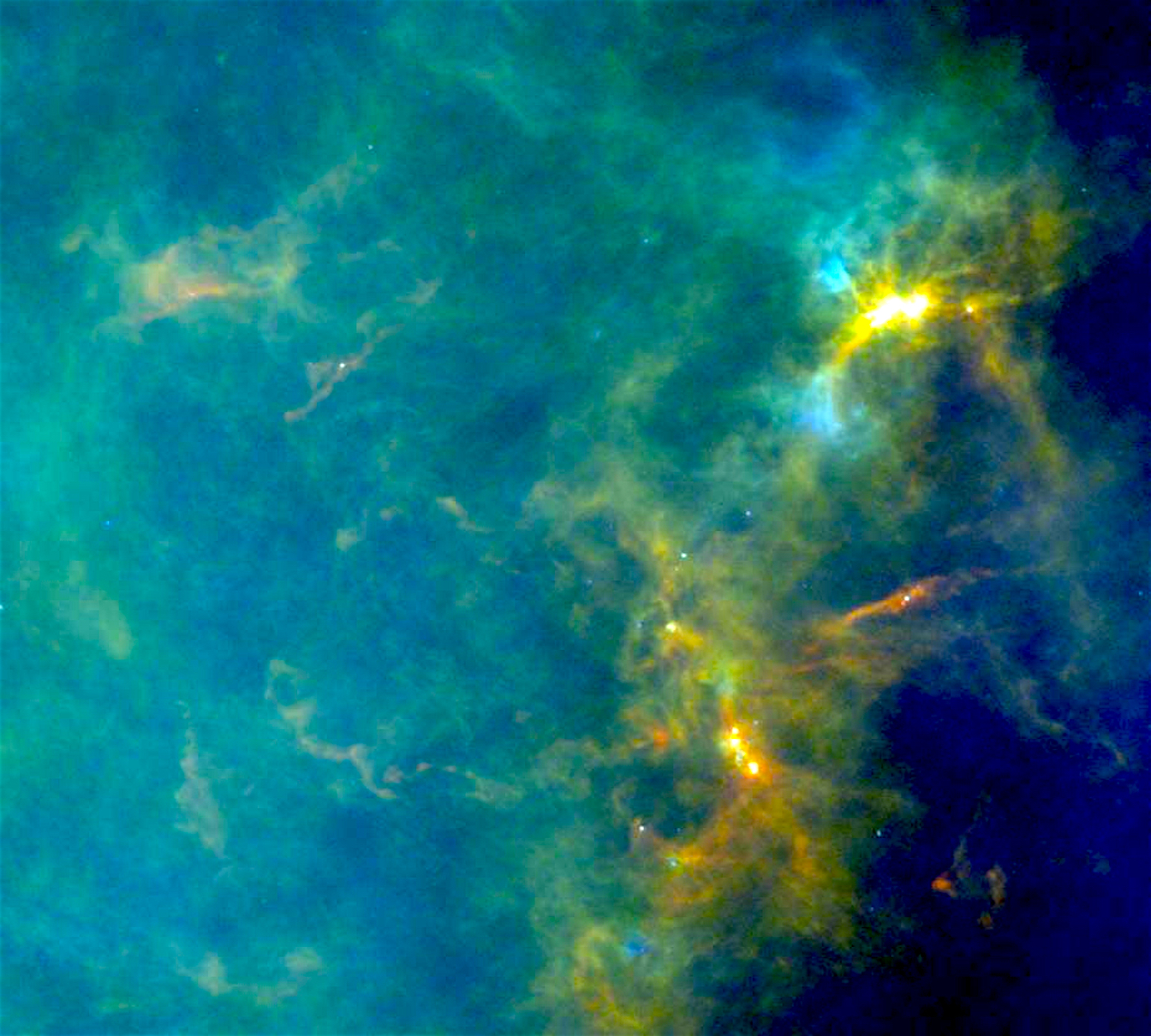
  Aug 30, 2016 Astronomical viewpoints suggest alternatives. NASA and the European Space Agency (ESA) launched The Herschel Space Observatory on May 14, 2009. Herschel’s helium coolant system was built to last only three years, however, so on April 29, 2013 its mission came to an end. According to a recent…

Continue reading

Wee Bairns

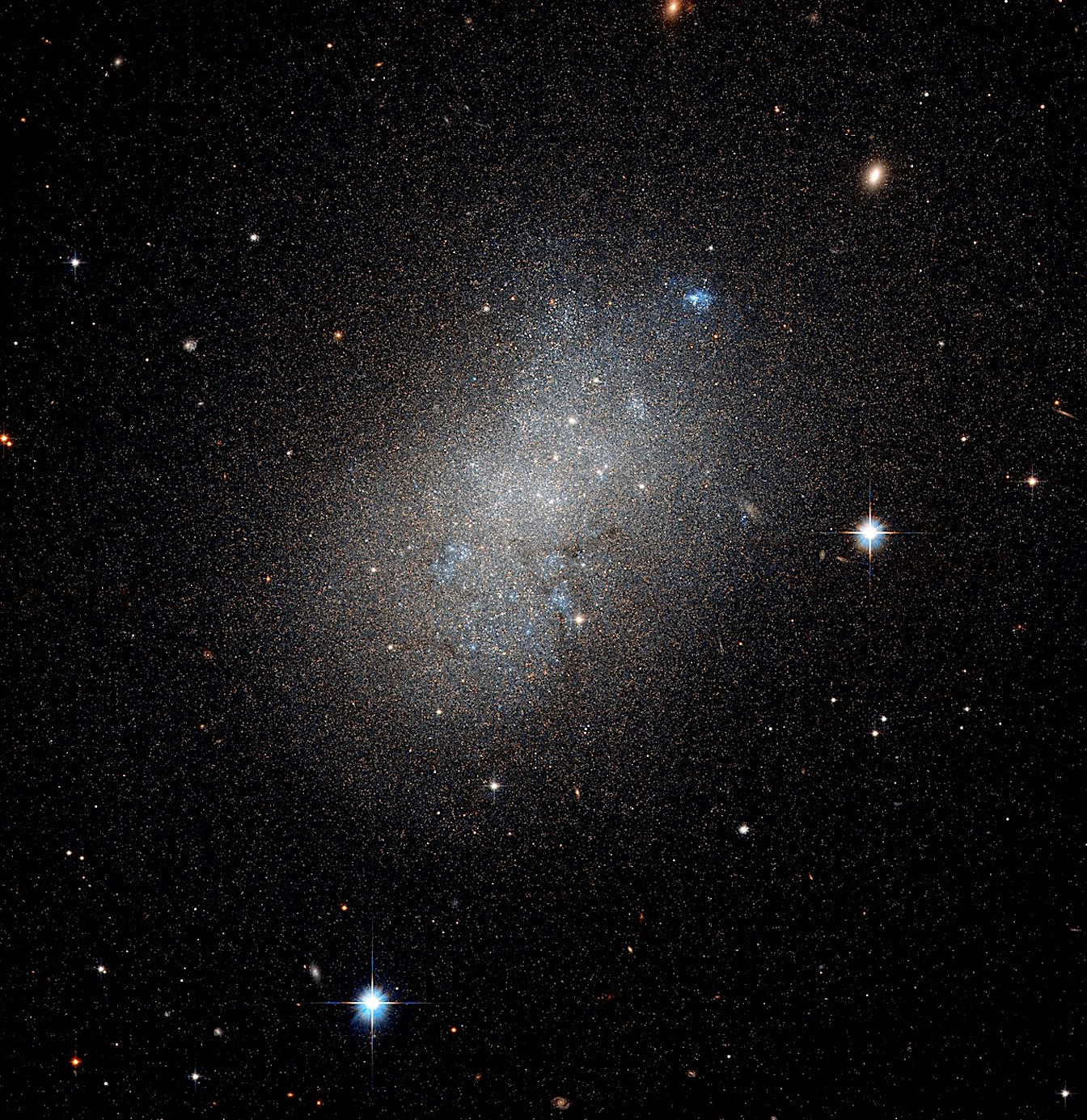
  Aug 29, 2016 Many smaller celestial objects are associated with the Milky Way. The Milky Way galaxy does not travel space, alone, it is accompanied by dozens of smaller galaxies with more diffuse and irregular structures. Conventional theories suggest that there are too few dwarf companions in orbit, as…

Continue reading

Threadbare Theories

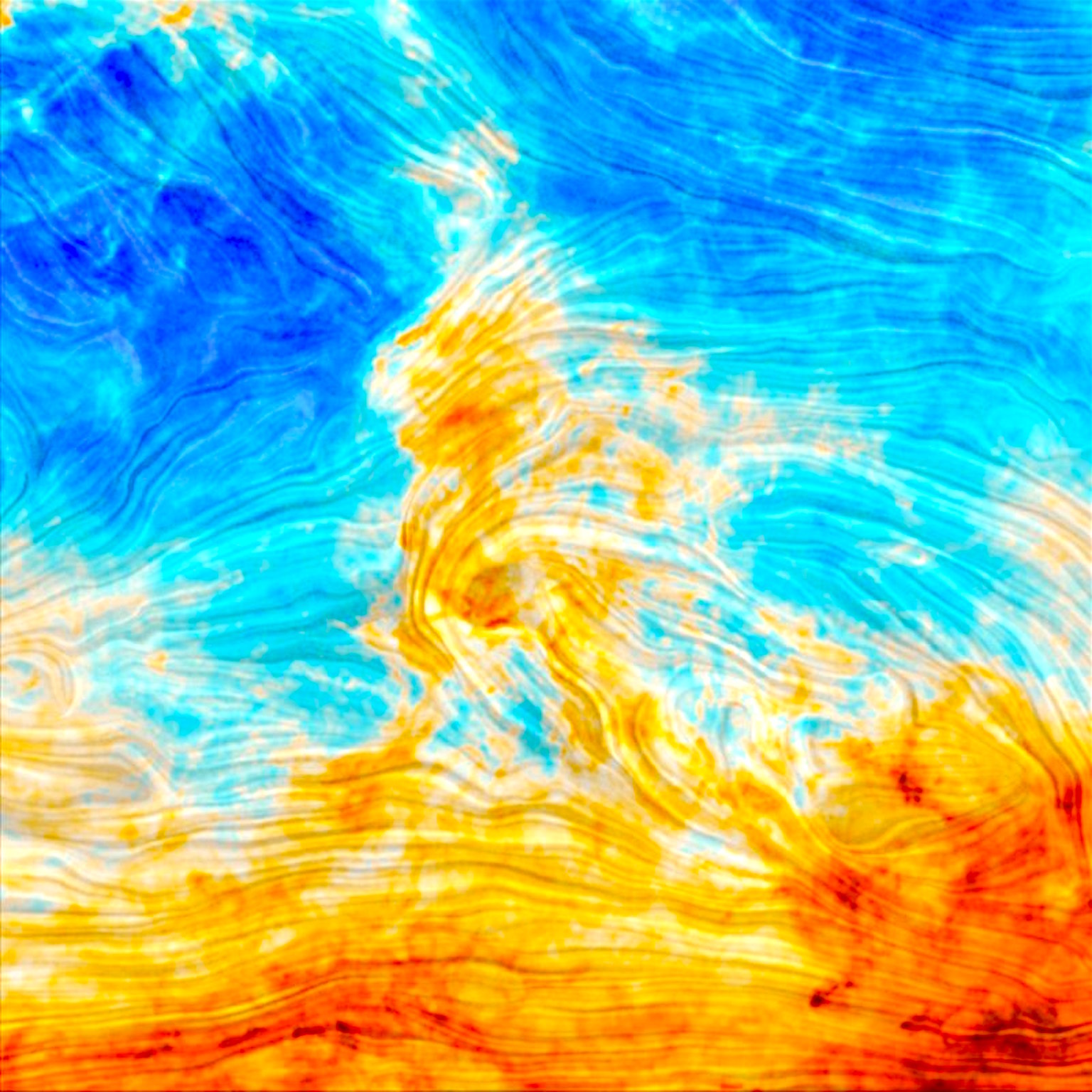
  Aug 26, 2016 The Universe reveals itself through electrical phenomena. The above image of the polaris Flare is derived from observations by the Planck satellite, now defunct, that was launched by the European Space Agency (ESA) in May 2005, along with the Herschel Space Observatory. According to a recent…

Continue reading

Orbicular Knots

  Aug 24, 2016 In space, spheres and filaments predominate. Approximately 22,000 light-years away in the constellation of Musca, NGC 4833 orbits the Milky Way, along with at least 150 of its cousins. Globular clusters are thought to contain some of the oldest stars, so astronomers believe that they can…

Continue reading