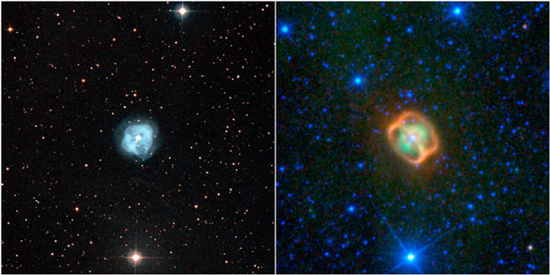
Nebular Plasmoids

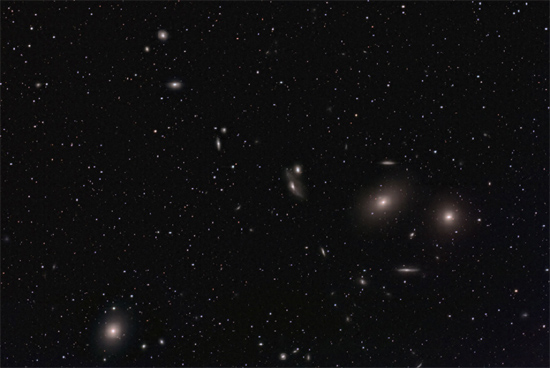
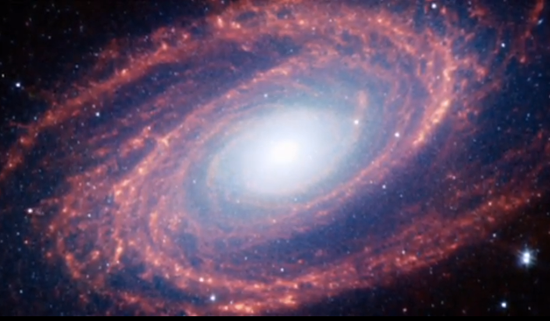
Jan 05, 2012 Most nebulae exhibit the unmistakable characteristics of electrical activity. Previous Thunderbolts Picture of the Day articles have argued for an electrical interpretation of astrophysical observations, so that there is an alternative available for those who want extracurricular exploration and deeper levels. Every science journal describes nebulae like…
Continue reading

Sun Stroke

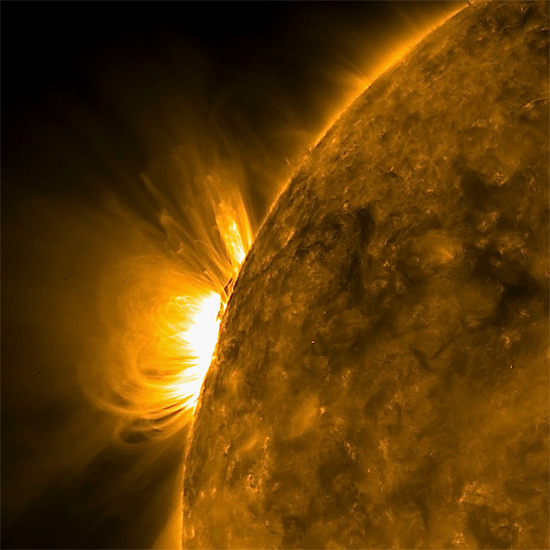
Dec 30, 2011 Is it the breaking and reconnecting of magnetic field lines that power solar phenomena? According to a popular view of the Sun, its core pressure is supposed to be so high that it crushes hydrogen atoms together until they fuse into helium atoms, releasing energy of such…

Continue reading

Power Lines

Dec 29, 2011 Galaxies often exhibit alignment with one another across vast distances. According to Electric Universe theory, galactic evolution occurs as large-scale plasma discharges form spinning wheels of coherent filaments that display electrodynamic behavior and not merely that which gravity alone can contribute. Stars in galaxies can also form…

Continue reading

Criss Cross Bulge

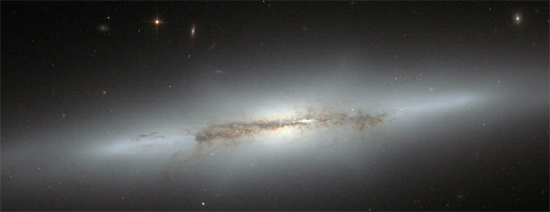
Dec 27, 2011 A pair of field aligned currents can be seen discharging from the core of this active galaxy. Any substance containing charged particles is a plasma: electrons, positive ions, electrically charged dust, neon lights, lightning, planetary magnetospheres, the so-called “solar wind,” stars, and even galaxies are plasma. Filaments…

Continue reading

Number Three

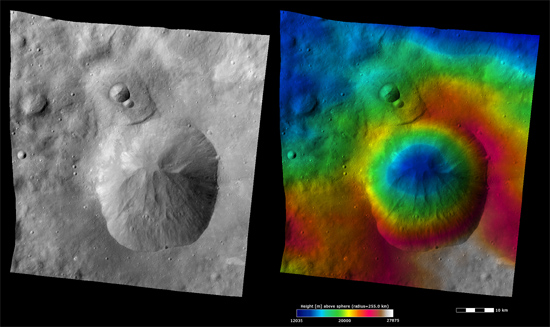
Dec 16, 2011 New images of the third largest asteroid reveal etched chasms and deep holes. The Dawn mission continues in orbit around Vesta. Vesta is ranked high among minor planets, with Pallas (531 kilometers) and Ceres (952 kilometers) as its larger cousins. Ceres is also part of the Dawn…

Continue reading

Bubbling Plasma

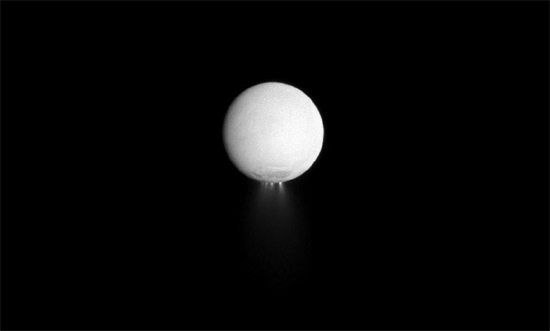
Dec 15, 2011 Enceladus joins other celestial objects that produce “magnetic bubbles.” In a recent Picture of the Day, the so-called “bubbles” of magnetism supposedly found by the Voyager spacecraft at the boundary where the Sun’s heliosphere meets the ISM (interstellar medium) were explained as Langmuir sheaths, or electrically charged…

Continue reading

Solar Stagnation

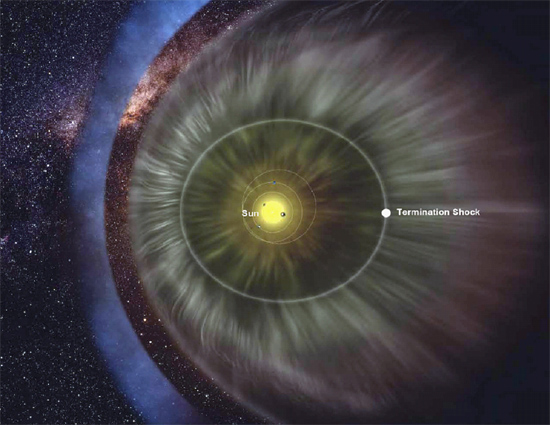
Dec 14, 2011 Matter from the Interstellar Medium has been detected by Voyager 1. A postulate of the Electric Sun hypothesis presupposes the Sun to be the positive terminal in a circuit, or anode. The negative electrode, or “virtual” cathode, is known as the heliosphere, a shell of charged particles…

Continue reading

Twisted Pairs

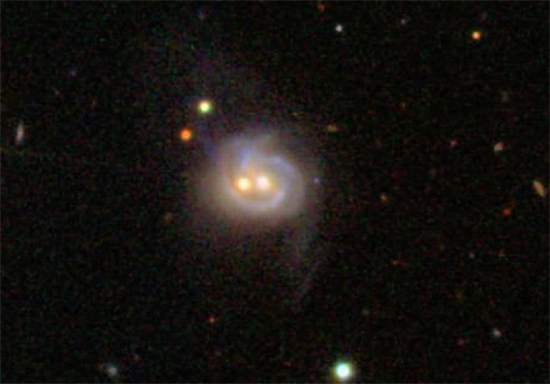
Dec 13, 2011 A remote galaxy is said to host two black holes. Could an electrical explanation better fit the observation? Electric Universe advocates propose that electric currents in plasma generate magnetic fields that constrict the current. As previous Picture of the Day articles point out, the constricted channel is…

Continue reading

Magnetic Effervescence

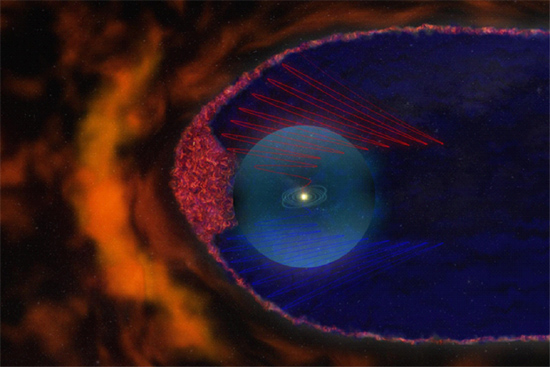
Dec 08, 2011 “Bubbles” of magnetic energy are said to surround the Sun’s heliosheath. “In all our quest of greatness, like wanton boys, whose pastime is their care, we follow after bubbles, blown in the air.” — John Webster According to astronomer Merav Opher of Boston University’s Voyager team: “The…

Continue reading