Out in the Cold

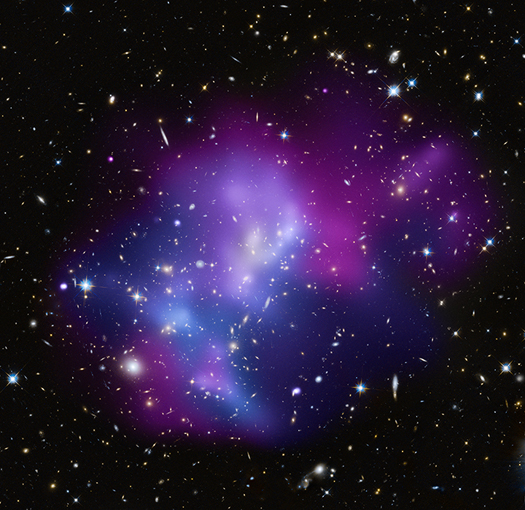
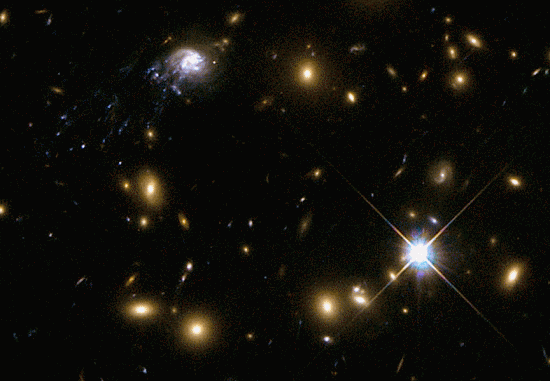
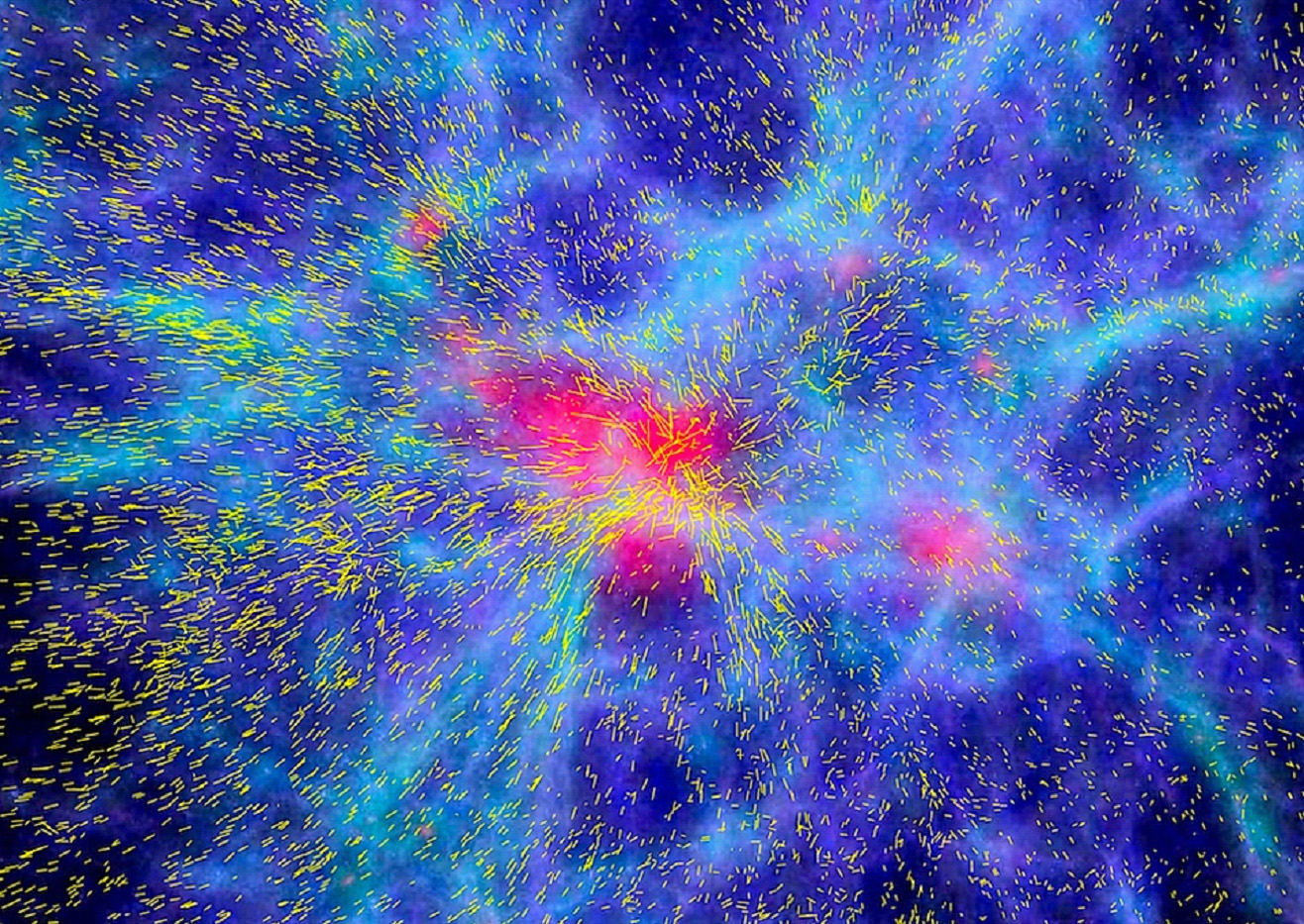
Aug 20, 2013 Cold dark matter theory might be in need of serious revision. Dark matter theory makes the news every once in awhile. Although cold dark matter (CDM) gets its name from the idea that it cannot be detected with any known instruments, cosmologists persist in using it to prop up…
Continue reading

Does Recession Exist?

  Aug 19, 2013 Cosmologists still have no idea what dark energy is. In 1998, two astronomical research teams independently discovered what is now called “dark energy.” Saul Perlmutter of the Lawrence Berkeley National Laboratory and Brian Schmidt from the Australian National University projects each led the two teams who…

Continue reading

Shaping What Is

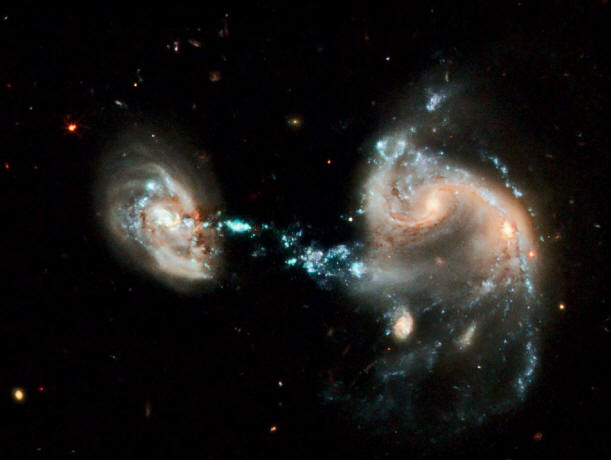
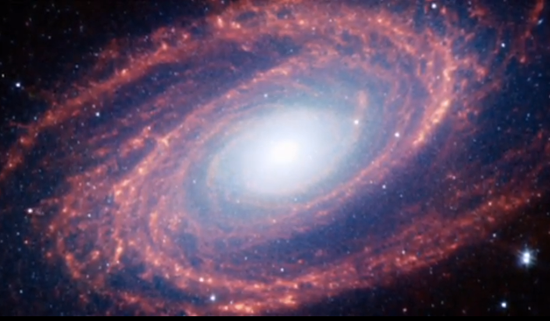
  Aug 09, 2013 Galaxies are the luminous children of electrical parentage, not the darkling spawn of invisible forces. “Hear one side and you will be in the dark. Hear both and all will be clear.” — Lord Chesterfield “Galaxies come in many shapes and sizes, but until recently astronomers…

Continue reading

Flame On!

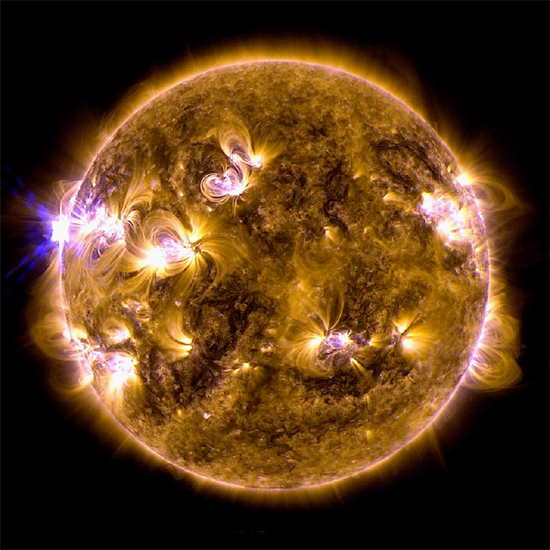
  Jul 31, 2013 What causes some stars to rapidly fluctuate in brightness? The Electronic Sun theory postulates that sunspots, solar flares, anomalous coronal heating, and coronal mass ejections on the Sun are due to changes in the electrical supply that it receives from the galaxy. In other words, the…

Continue reading

Comet ISON (C/2012 S1)

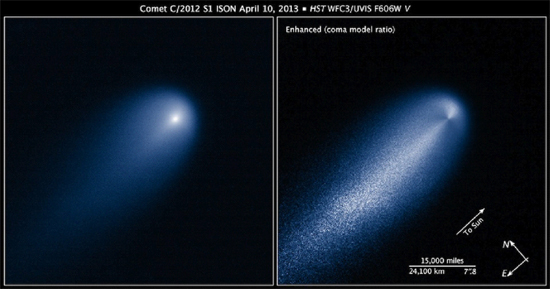
  Jul 29, 2013 The Hubble Space Telescope has returned remarkable images of Comet ISON, revealing structures that appear to confirm the electrical nature of comets. Recent observations of Comet Pan-STARRS in April of 2013 confirmed that it would not be one of the “comets of the century” that astronomers…

Continue reading

Iapetus

  Jul 26, 2013 The Cassini space probe’s flyby of Iapetus confirms its electrical attributes. The closest images of Iapetus ever taken came from the Cassini spacecraft as it flew to within 5000 kilometers of its target, resolving features as small as ten meters. In a previous Picture of the Day article…

Continue reading

Comets and Galaxies

  Jul 25, 2013 Galactic tails, bright comas, and central nuclei are reminiscent of comets. What is a comet? Most astronomers think comets are small, fragile, irregularly shaped objects composed mostly of water ice and dust, along with carbon and silicon-based compounds. “Dirty snowballs,” as Fred Whipple described them in…

Continue reading