Flagellar Motors

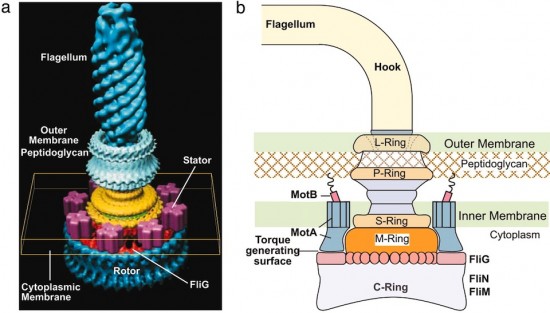
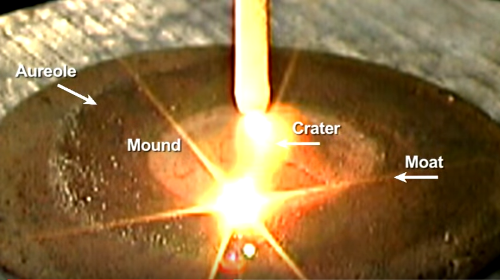
Jul 20, 2013 Rotating motors propel some bacteria. Some bacteria can swim through their tiny worlds. They accomplish this feat with the aid of spinning propellors called “flagella”. The species of bacteria with this capability that is most familiar to readers is probably Escherichia coli, or E-coli. E-coli possesses a…

Continue reading

Phobos

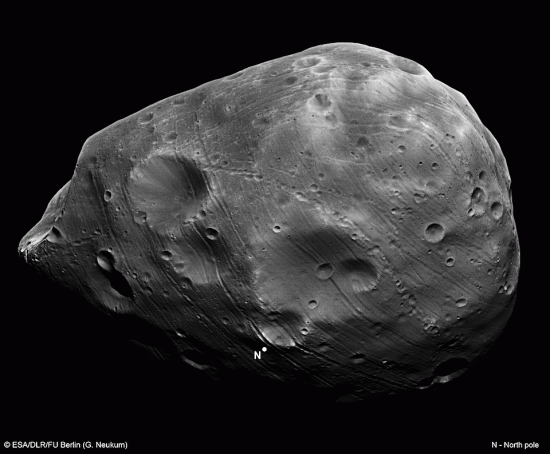
The north pole of Phobos. Credit: ESA/DLR/FU Berlin (G. Neukum)

Editor’s note: The new Picture of the Day that normally appears on Friday will delayed until Saturday. Meanwhile, please continue to enjoy this one about the enigmatic Martian moon Phobos for another day. Jul 18, 2013 Did meteor bombardment scar Phobos? Phobos is the largest of the two moons of Mars. Deimos is…

Continue reading

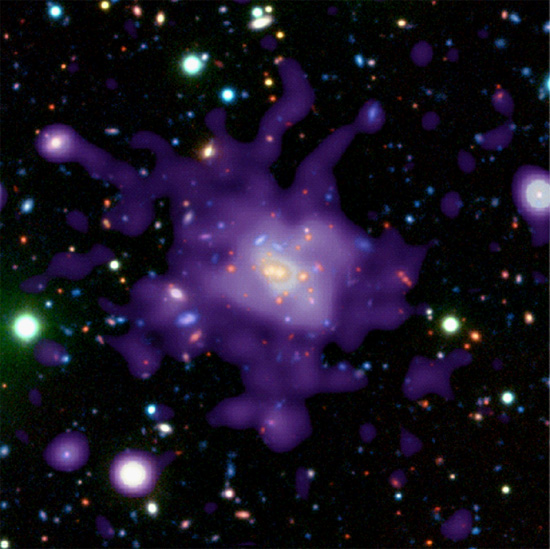
Cluster Conundrum

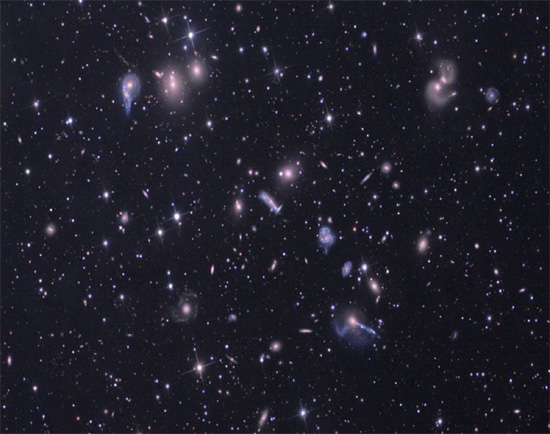
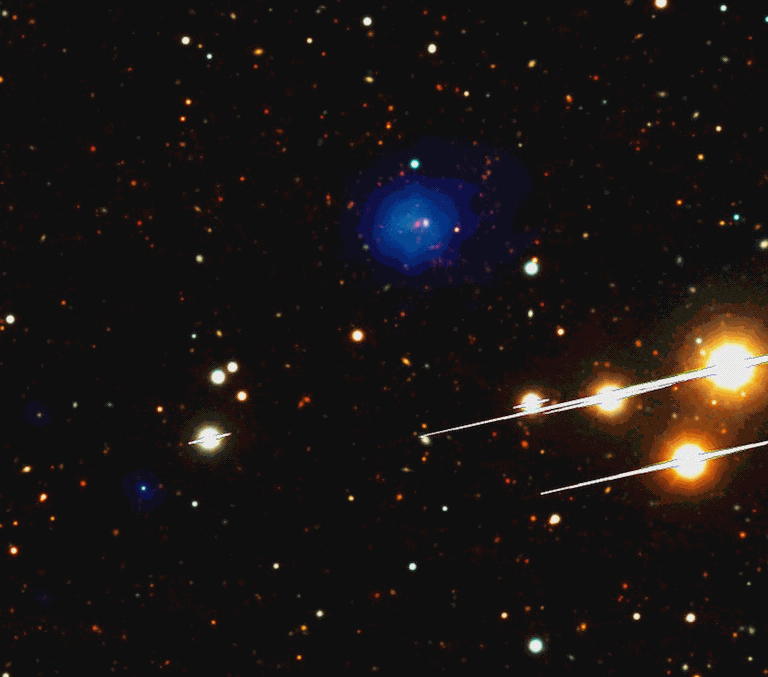
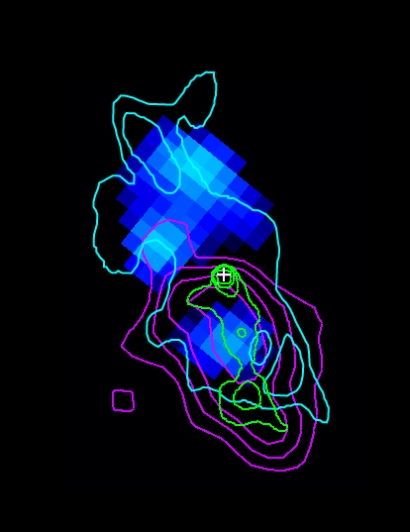
  Jul 16, 2013 A distant galaxy cluster is said to exhibit evidence for an unknown force. Not a single reference is made to the most powerful known force in the Universe: electricity. The European Space Agency’s XMM Newton X-ray Telescope research team has found a grouping of galaxies containing more than…

Continue reading

Dusty Plasma

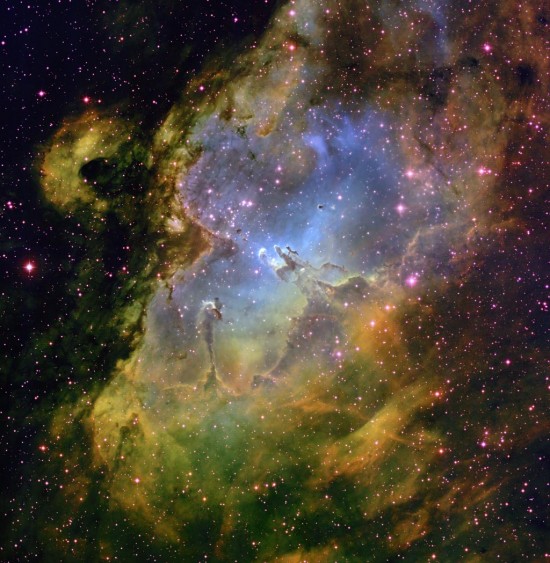
The Eagle Nebula (M16). Credit: T.A.Rector (NRAO/AUI/NSF and NOAO/AURA/NSF) and B.A.Wolpa (NOAO/AURA/NSF)

  Jul 15, 2013 Spiraling filaments suggest electric currents in space. Dust at a temperature near absolute zero shows up in the image above as a blue fog deep in the heart of the Eagle nebula. The Eagle nebula, located in the constellation Serpens approximately 7000 light-years away, is supposedly an active…

Continue reading

Pulsar Wind Nebulae

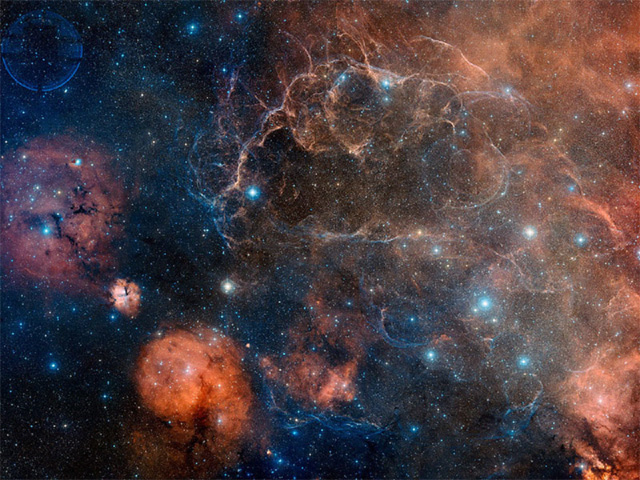
The Vela supernova remnant

  Jul 12, 2013 Some so-called “neutron star pulsars” are said to create nebulae as they spin. The standard model of stellar evolution proposes that pulsars are neutron stars rotating at incredible speed. For example, PSR J1748-2446ad, in the globular cluster Terzan 5, is reported to be spinning at almost 43,000…

Continue reading

Electromagnetic Nebulae

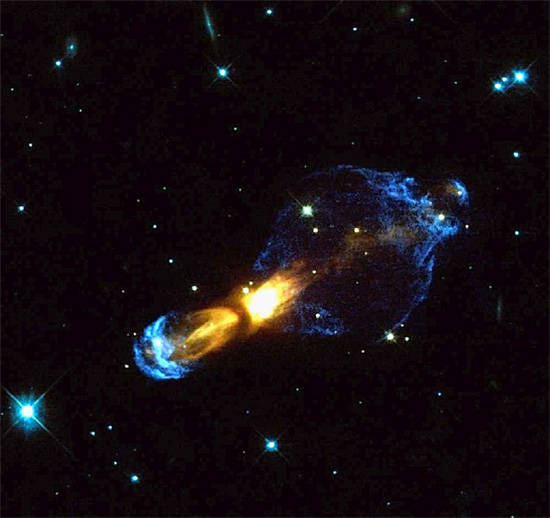
  Jul 10, 2013 The Universe behaves according to the laws of plasma dynamics. In every science journal discussing the behavior of planetary nebulae, the prevailing opinion usually involves gases and dust “blowing” through them, as well as “winds” created by “shock waves” from exploding stars. In many cases, the…

Continue reading

Plasma Storms

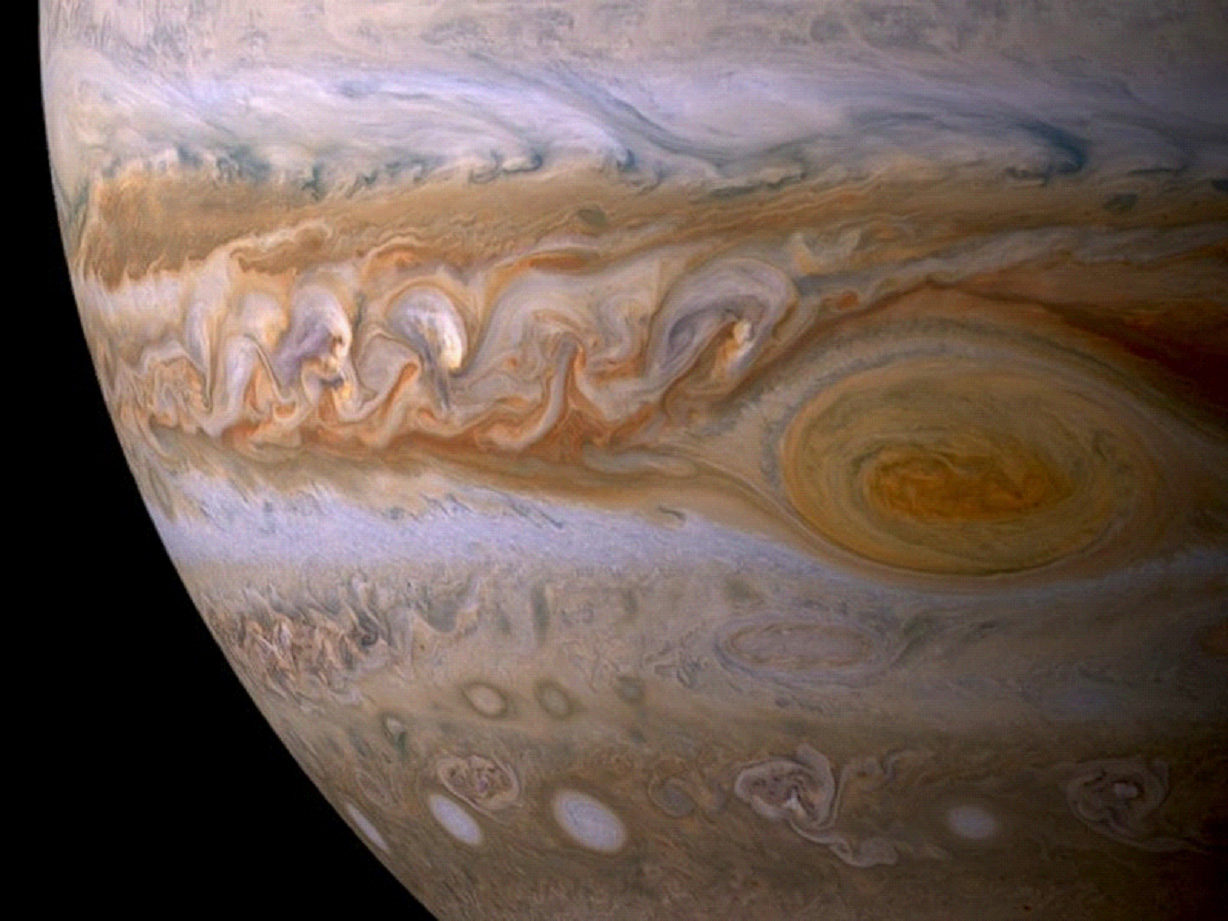
Storms on Jupiter

  Jul 09, 2013 Why do planets farthest from the Sun have the fastest winds? Earth’s average wind speed is approximately 56 kilometers per hour, with a maximum of 372 kilometer per hour gust recorded on Mount Washington, New Hampshire in 1934. Some isolated wind phenomena, such as tornadoes and…

Continue reading

The Powers of Darkness

  Jul 08, 2013 Was the early Universe powered by “dark matter annihilation”? According to modern cosmologists, the Universe is composed primarily of dark matter. More than 95% of all that exists is unseen and undetectable by the most sensitive instruments yet devised. Many astrophysicists claim that the earliest stellar…

Continue reading