Cosmic Accelerator

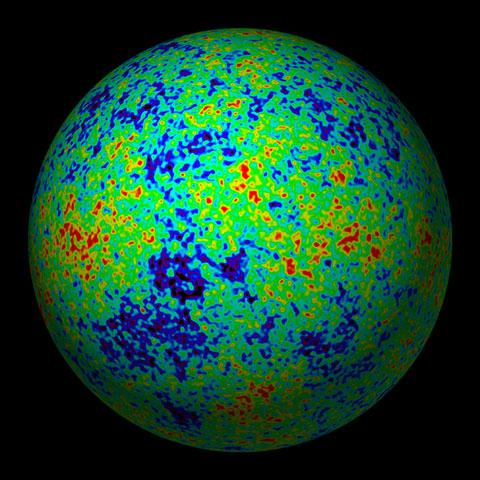
  Nov 22, 2013 Observations suggest that cosmic rays are not produced by supernova explosions. Cosmic rays are ionized particles, or fragmented atoms. Electrons are stripped from atoms, leaving them free to move, with positively charged nuclei remaining. The majority of cosmic rays are single protons (hydrogen ions), but uranium…
Continue reading

Martian Water?

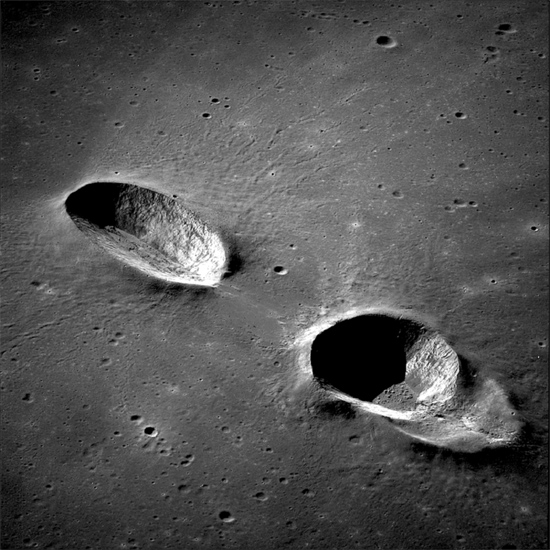
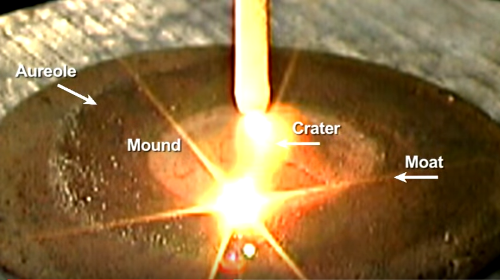
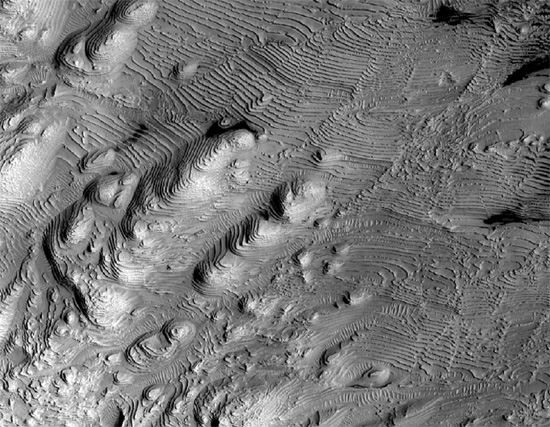
  Nov 21, 2013 Structures on Mars that resemble Earth’s hydrothermal vents or eroded mounds have sparked renewed interest in water flowing over the Red Planet. Mounds on Mars are thought to be the remains of ancient hydrothermal vents because they have a similar appearance to fossilized “mound springs” in the Australian Outback, so…

Continue reading

A Bend in Time

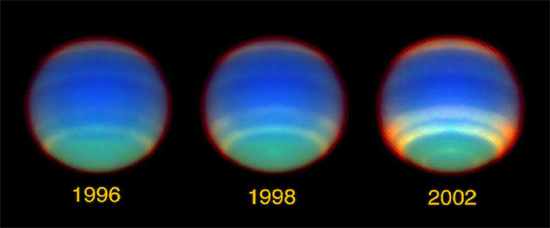
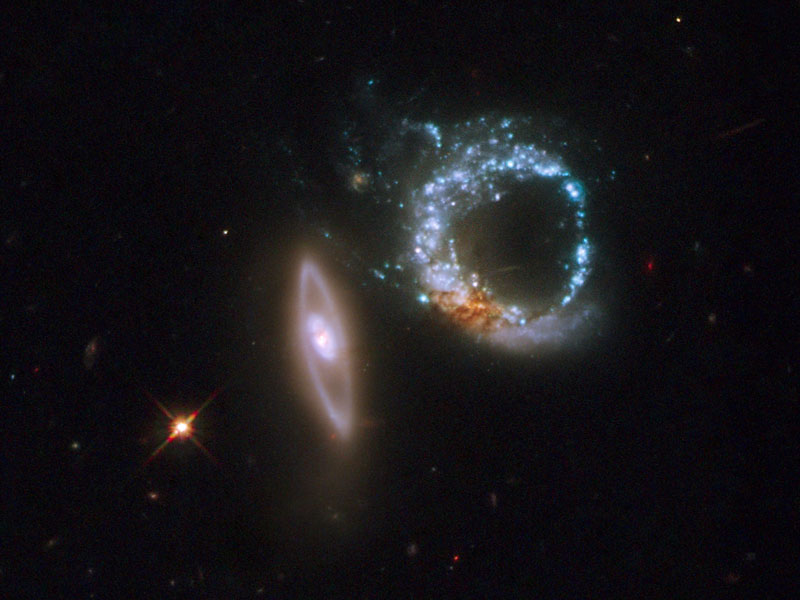
  Nov 14, 2013 A University of Michigan press release announces “warped space-time” around a so-called “neutron star”. Could electricity provide a better explanation? The smeared lines of an iron spectrum have given NASA and University of Michigan astronomers another mystery to solve when it comes to explaining the universe. Using the…

Continue reading

Number Three

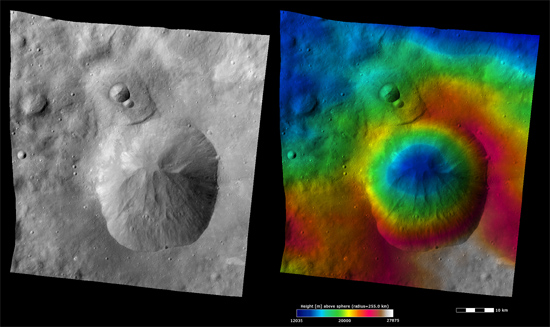
Albedo and elevation images for Oppia crater on Vesta

  Nov 13, 2013 New images of the third largest asteroid reveal etched chasms and deep holes. The Dawn mission continues in orbit around Vesta. Vesta is ranked high among minor planets, with Pallas (531 kilometers) and Ceres (952 kilometers) as its larger cousins. Ceres is also part of the…

Continue reading

Oxygen on Rhea

Nov 11, 2013 Where did the extremely rarified atmosphere on Rhea come from? Relative to Saturn, Rhea is most likely negatively charged. Saturn’s powerful opposite charge is probably initiating an electric discharge, causing the water in Rhea’s icy surface to dissociate, so the presence of oxygen around the moon is…

Continue reading