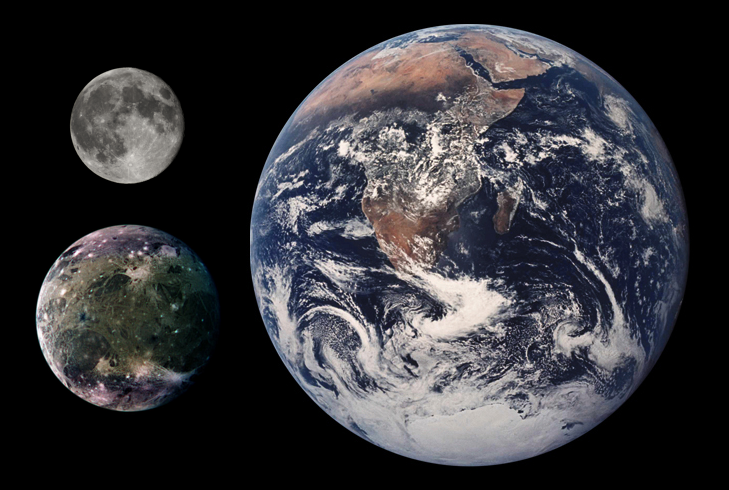
Ganymede

  Sep 13, 2013 The largest moon in the Solar System shows signs of what could be electric scarring. Jupiter and its moons have been the destination of several deep space missions over the last four decades. Beginning with Pioneer 10 in 1973, and including the most recent visit by…

Continue reading

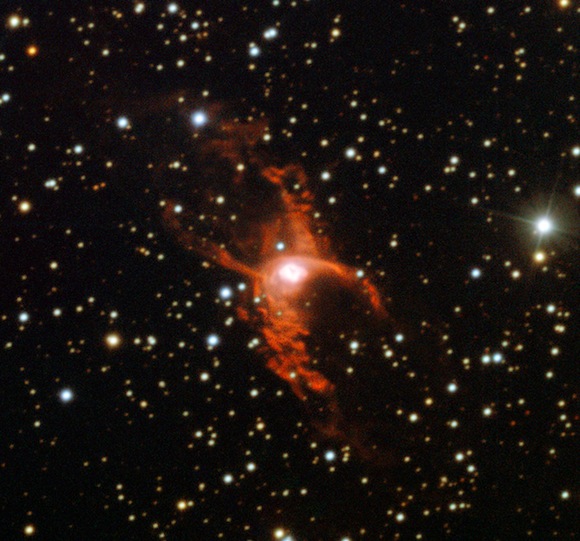
Butterflies on a String

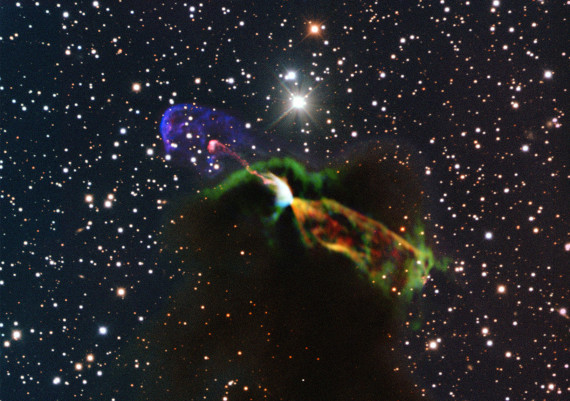
  Sep 11, 2013 Modern astronomy has a planetary nebula (PN) problem: Gravity can’t do what PNs do. Astronomers invent a kind of pseudo-magnetism to fill the explanatory holes. This pseudo-magnetism is a reified presumption that’s unplugged from the electric currents that generate real magnetic forces. Consensus theory has PNs…

Continue reading

Galactic Plasmoids

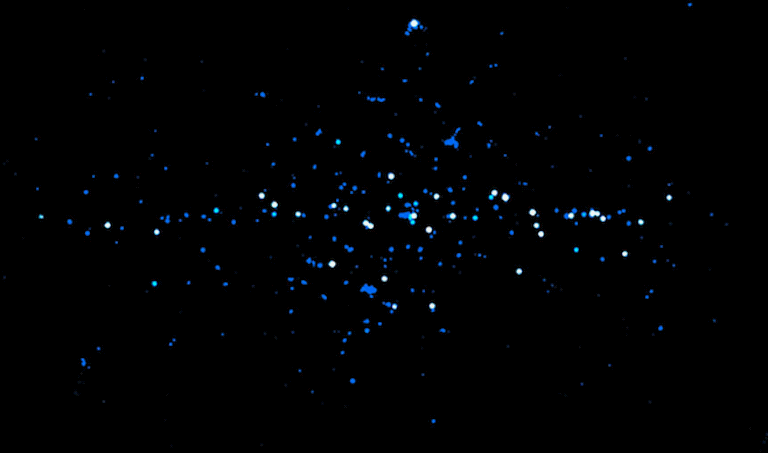
  Sep 10, 2013 So-called “dark matter” reactions are said to initiate gamma rays from the center of our galaxy. “We should remember that there was once a discipline called natural philosophy. Unfortunately, this discipline seems not to exist today. It has been renamed science, but science of today is…

Continue reading

A Grander Canyon

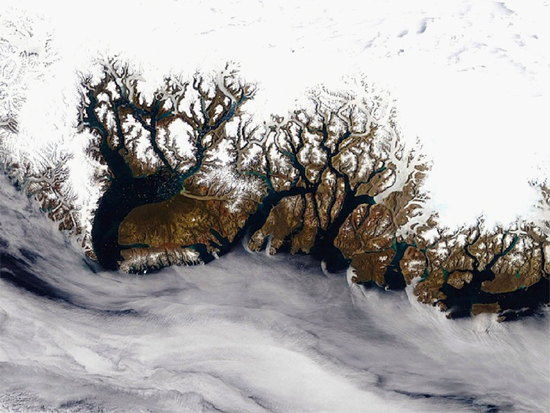
  Sep 09, 2013 A giant scar beneath Greenland’s ice sheet could indicate an electric discharge. One of the tenets of Electric Universe theory involves recent catastrophes in the Solar System, including Earth and its near neighbors. Scores of articles outline the possible scenarios that might have devastated our planet…

Continue reading

Electric Sunbeams

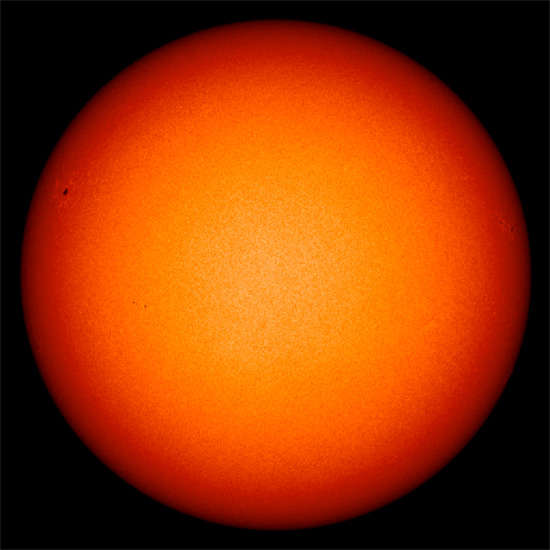
  Sep 05, 2013 The Sun is not a fusion reactor. In a recent Picture of the Day, it was noted that sunspots are not well understood by astronomers. Furthermore, their bizarre electromagnetic displays are not readily explainable by models of solar activity that rely on radiant emissions from thermonuclear…

Continue reading

Knot So Fast!

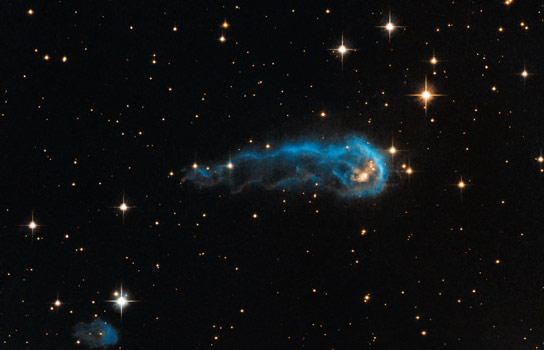
  Sep 04, 2013 Well-organized phenomena in space cannot be solely based on mechanical action. A recent press release from the Hubble Space Telescope science team announces a “cosmic caterpillar” in the constellation Cygnus. This knotted structure is said to be caused by “harsh winds from extremely bright stars…” The…

Continue reading