Category: Picture of the Day
A picture and essay from the perspective of the Electric Universe.
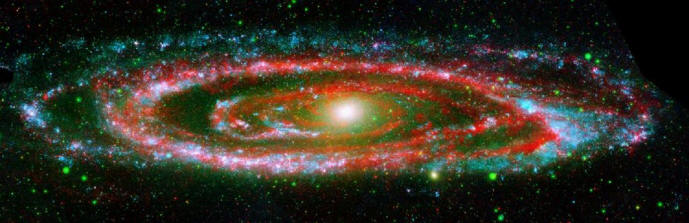
A New Look at Near Neighbors Part Two
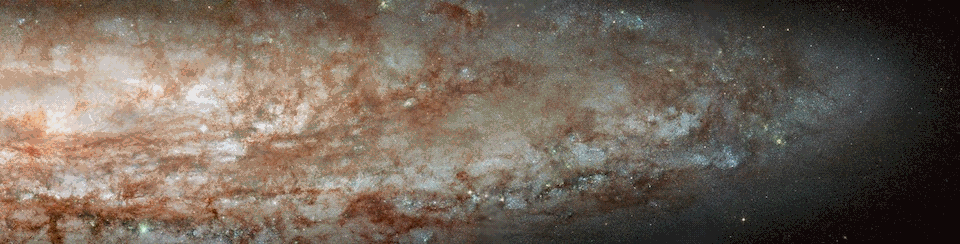
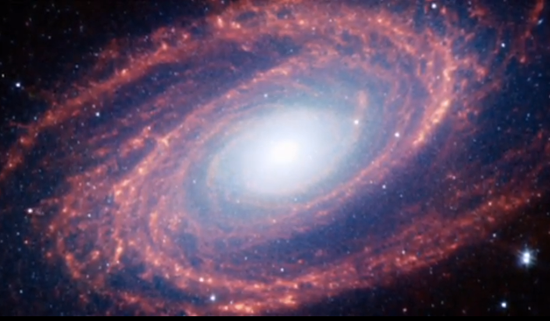
Mar 25, 2014 The standard model and the Electric Universe model paint fundamentally different pictures of how galaxies are formed and driven. In Part One of this article, the Electric Universe theory’s proposal that magnetic fields are integral to galaxy formation was examined. A galaxy originates through the Bennett pinch…
A New Look at Near Neighbors – Part One
Mar 24, 2014 A fundamental difference between the standard cosmological and Electric Universe models lies in their views about how the Universe was assembled over time. According to the standard model, some time after the Big Bang gas and dust clouds organized into stars, stellar clusters, then black holes…
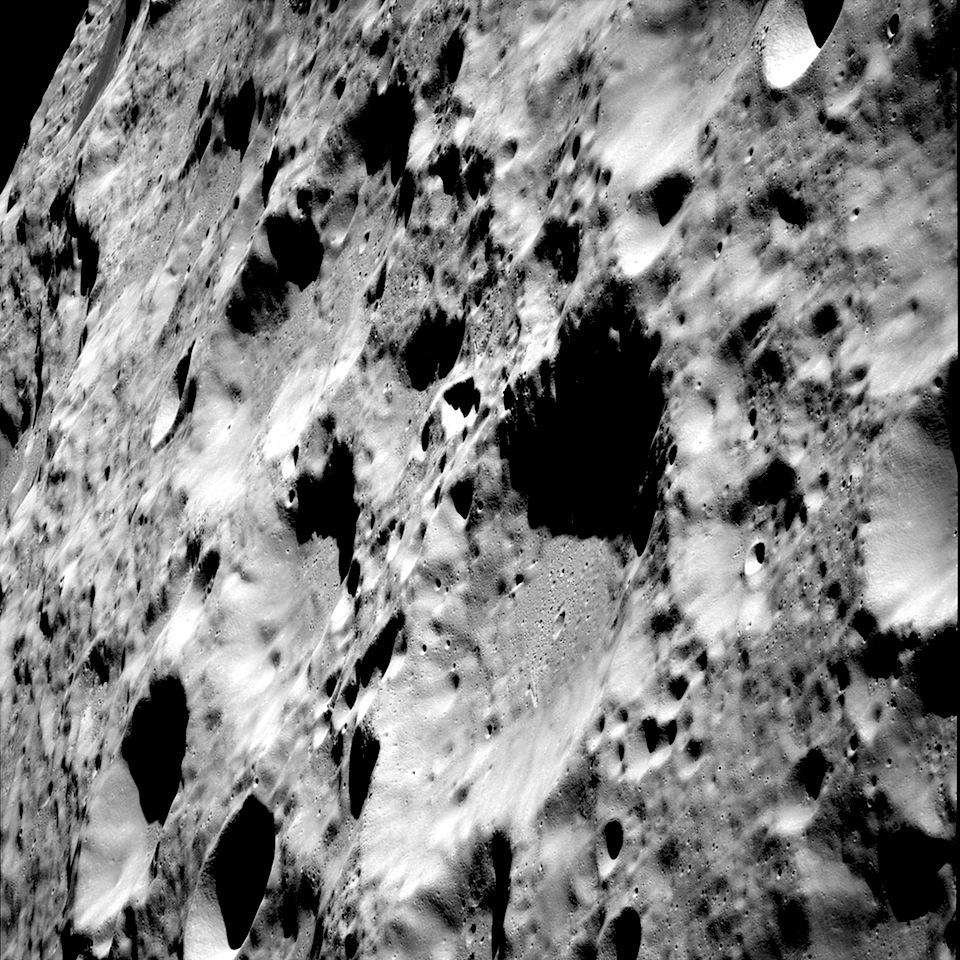
The South Lunar Pole
Mar 21, 2014 Future manned missions to the Moon are slated to land in the polar regions because large deposits of water are thought to exist there. On January 25, 1994, NASA launched the Deep Space Program Science Experiment satellite, Clementine, with a dual mission objective: map the surface of the Moon…
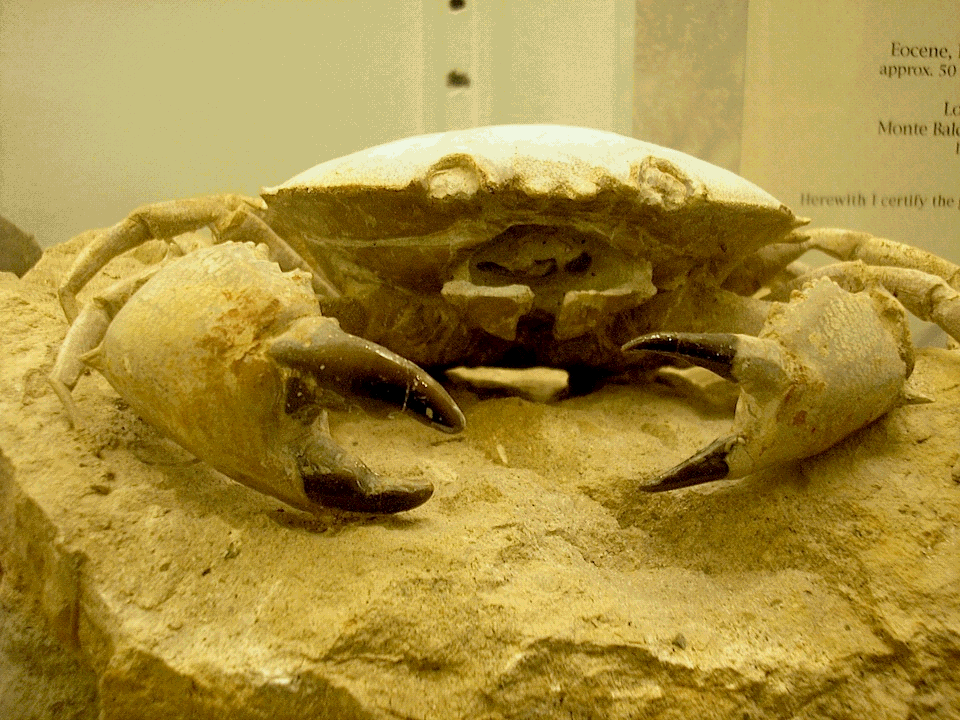
Electric Fossils and Thundercrabs
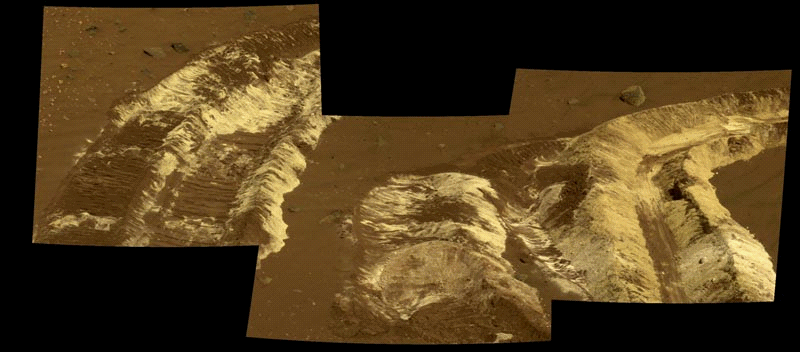
Signs of Life?
Galactic Superwinds
Mar 18, 2014 Radial filaments within galaxies identify them as plasma phenomena. “If a man does not know what port he is steering for, no wind is favorable to him.” — Seneca The irregular galaxy M82—otherwise known as the Cigar Galaxy—forms a pair with M81, Barnard’s Galaxy in the constellation Ursa…
Misbehaving Gas
Accretion or Expulsion?
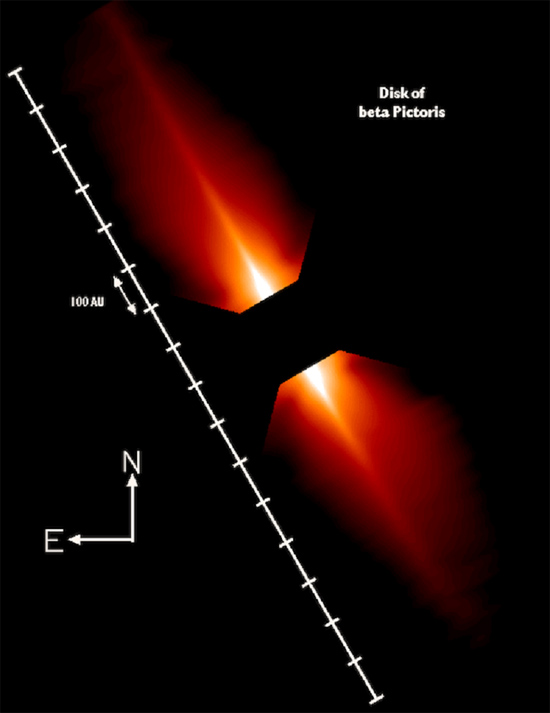
Mar 14, 2014 Protoplanetary disks are said to be accreted around infant stars. A recent press release from the National Radio Astronomy Observatory reports the possibility that collisions between comets and a large planet might be occurring around the star, beta Pictoris. A cloud of carbon monoxide (CO) and…
Island Universes
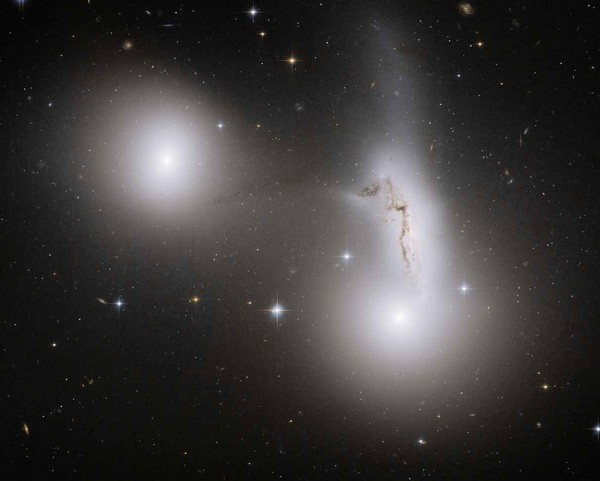
Mar 13, 2014 Galactic magnetic fields were discovered more than 50 years ago. Astronomers continue to ask basic questions about galaxies: what generates their magnetic fields? What gives those fields their shape and their strength? Researchers using the latest computer simulations think they have found the answers. Cool gas…