Category: Picture of the Day
A picture and essay from the perspective of the Electric Universe.
Contemporary Perspectives
Coils
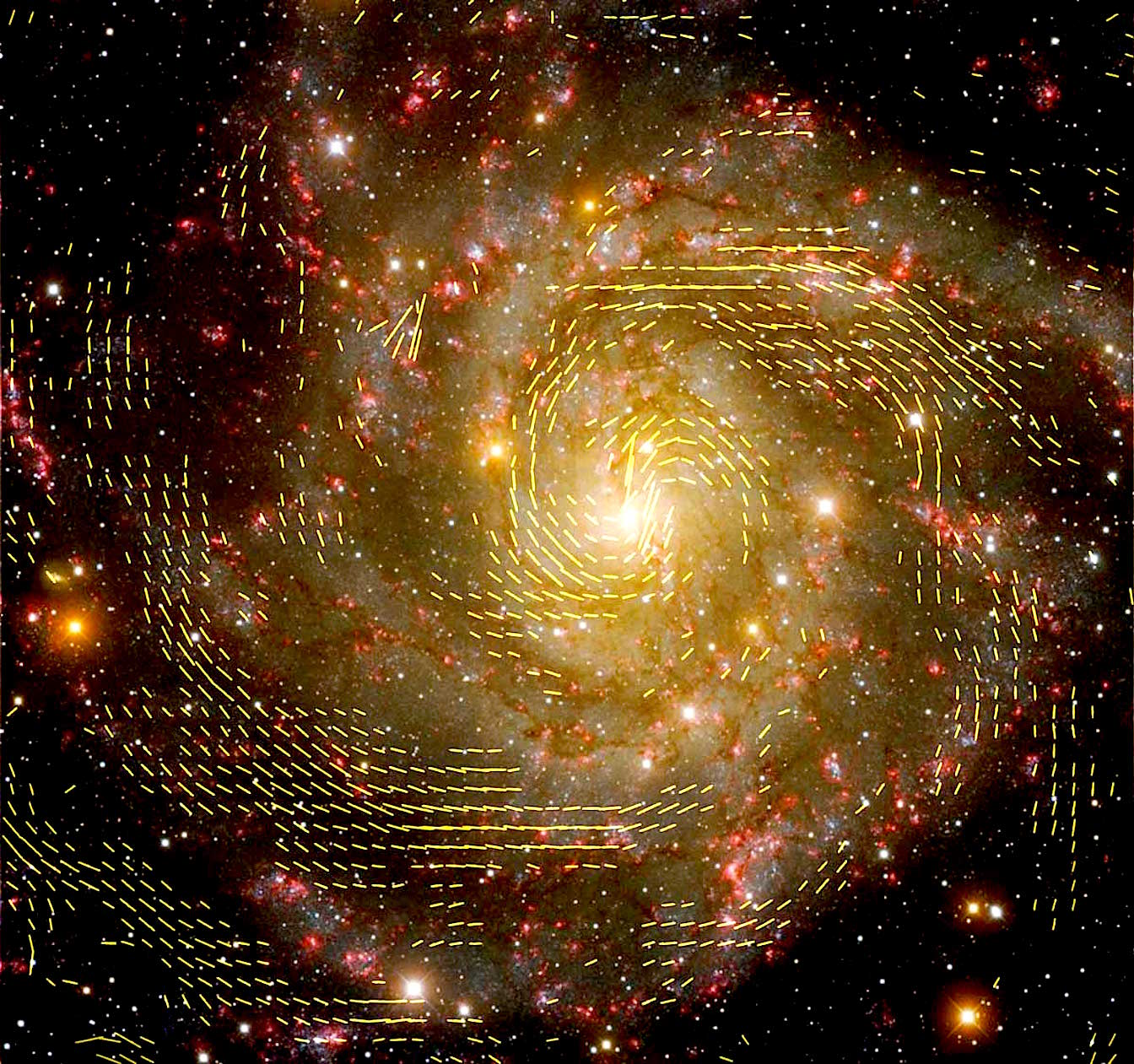
Jun 24, 2015 Galactic magnetic fields continue to be a mystery. Recently, astronomers using the National Science Foundation’s Karl G. Jansky Very Large Array (VLA), and the MPIfR’s 100 meter Effelsberg radio telescope in Germany observed galaxy IC 342. Both of the radio telescopes’ capabilities were merged in order…
A Ring, A Ring O’Roses
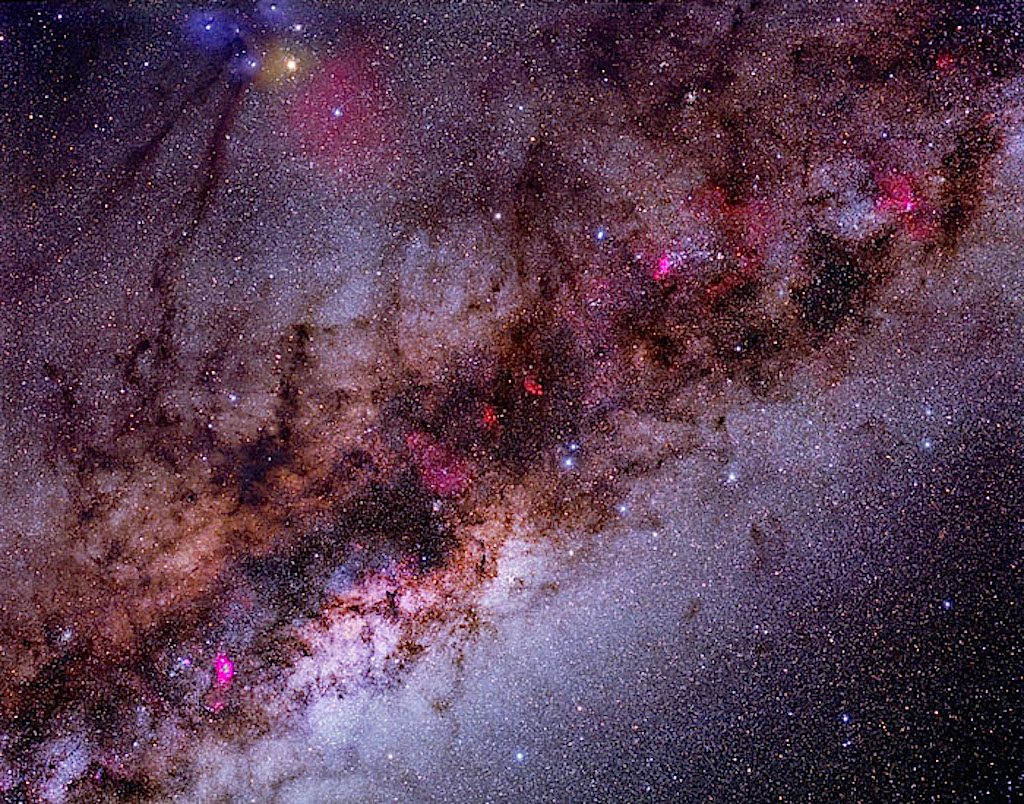
Jun 23, 2016 A ring of gas is said to be orbiting the center of our galaxy. Previous Pictures of the Day discuss the active nucleus in galaxy Centaurus A. The conclusion was that active galaxies display characteristic axial jets and transverse, donut-shaped plasma discharges. According to information from the…
Double Layer Bursters
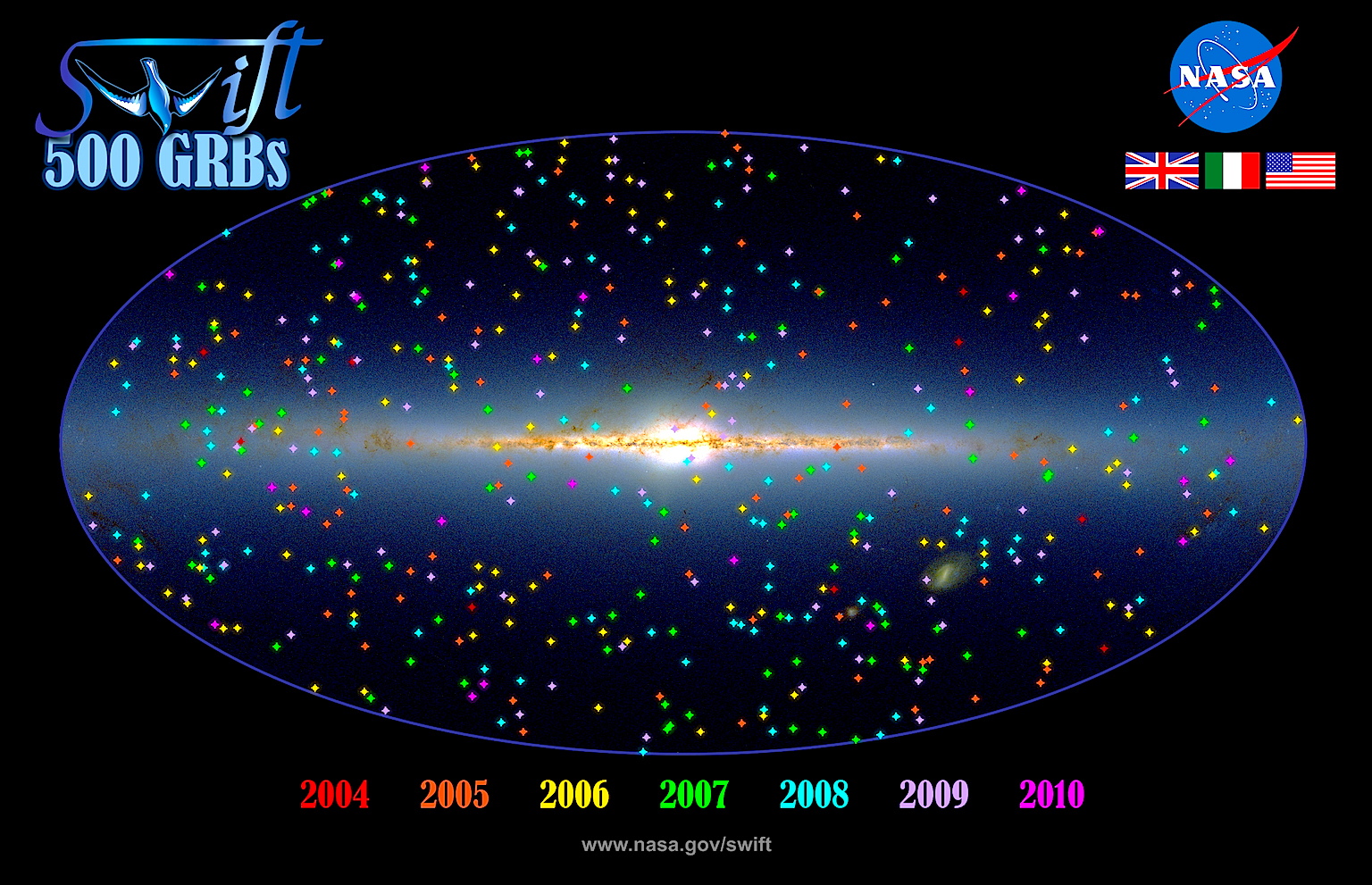
Jun 22, 2015 Gamma ray bursts might not be so far away. Astrophysicists describe gamma-ray bursts (GRB) as due to the “merging of neutron stars” or gamma-ray light radiating from supernova explosions. Recently, the SWIFT satellite’s Burst Alert Telescope detected a beam of gamma radiation so intense that it…
The Electronic Sun
Jun 19, 2015 “Plasma phenomena are complicated and can be understood only with the help of a very sophisticated diagnostics.” — Hannes Alfvén According to consensus opinions, the Sun accelerates charged particles into space in the same way that sound waves are amplified. The interior solar energy travels outward…
The Daughter of Lycaon
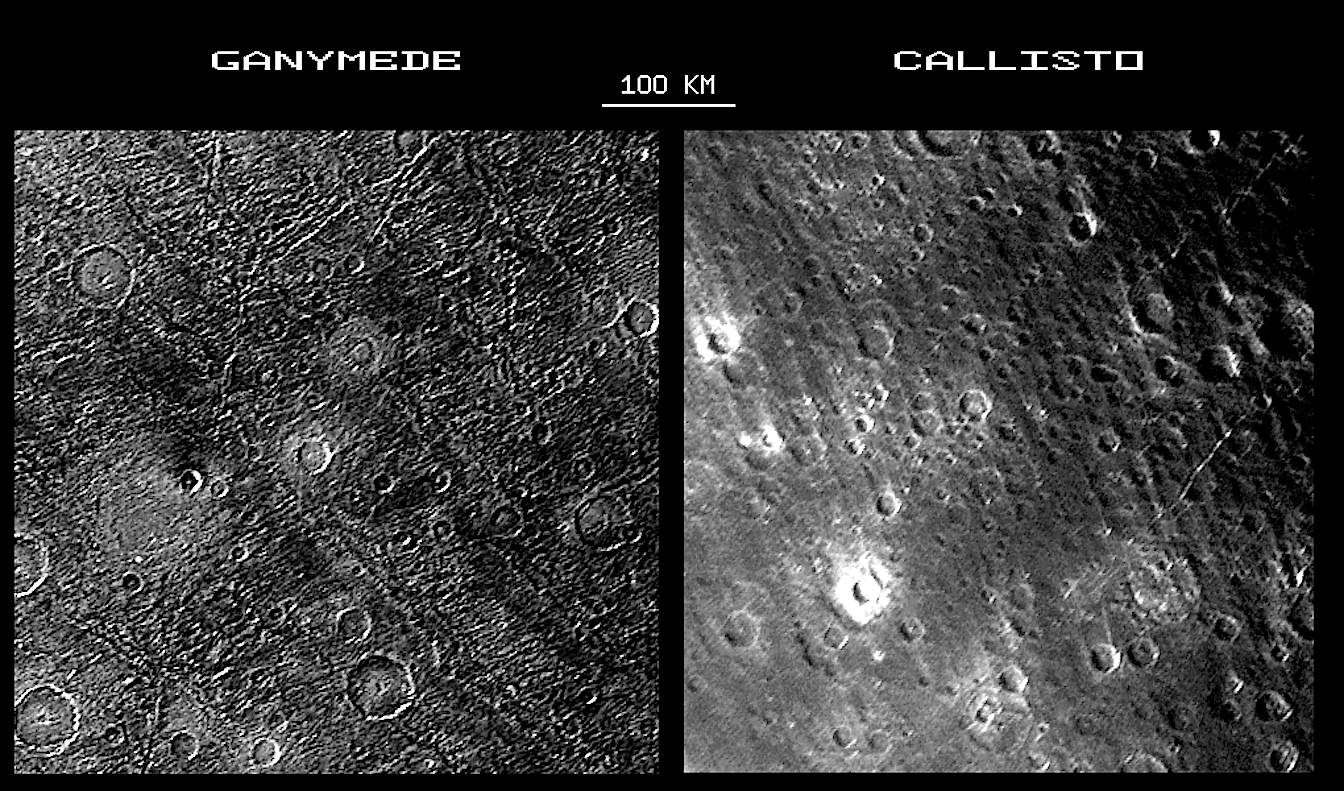
Jun 18, 2015 Callisto resembles other electrically shocked bodies in the Solar System. The Galileo spacecraft was launched October 18, 1989 after a delay lasting several years, while NASA underwent a management and procedures overhaul following the Challenger space shuttle explosion. On September 21, 2003 Galileo’s mission ended when it…
The True Disbeliever
Lacking in Strength
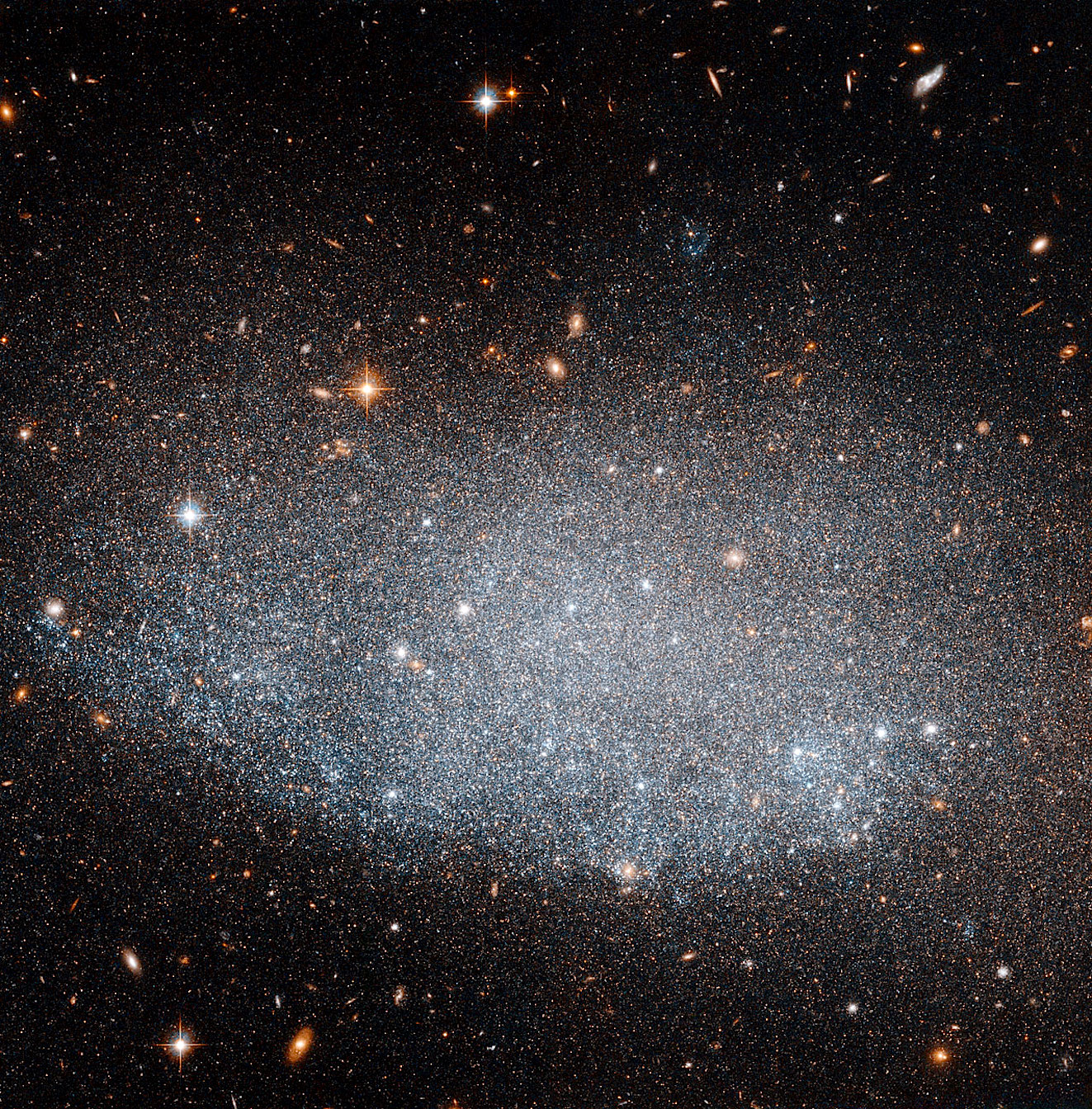
Jun 15, 2015 Dwarf galaxies do not appear to follow conventional models of galaxy development. The Milky Way galaxy is not a solitary wanderer; it is accompanied by dozens of smaller galaxies with a more diffuse and irregular structure. As conventional models suggest, there are too few dwarf companions…