Paradigm and Perception

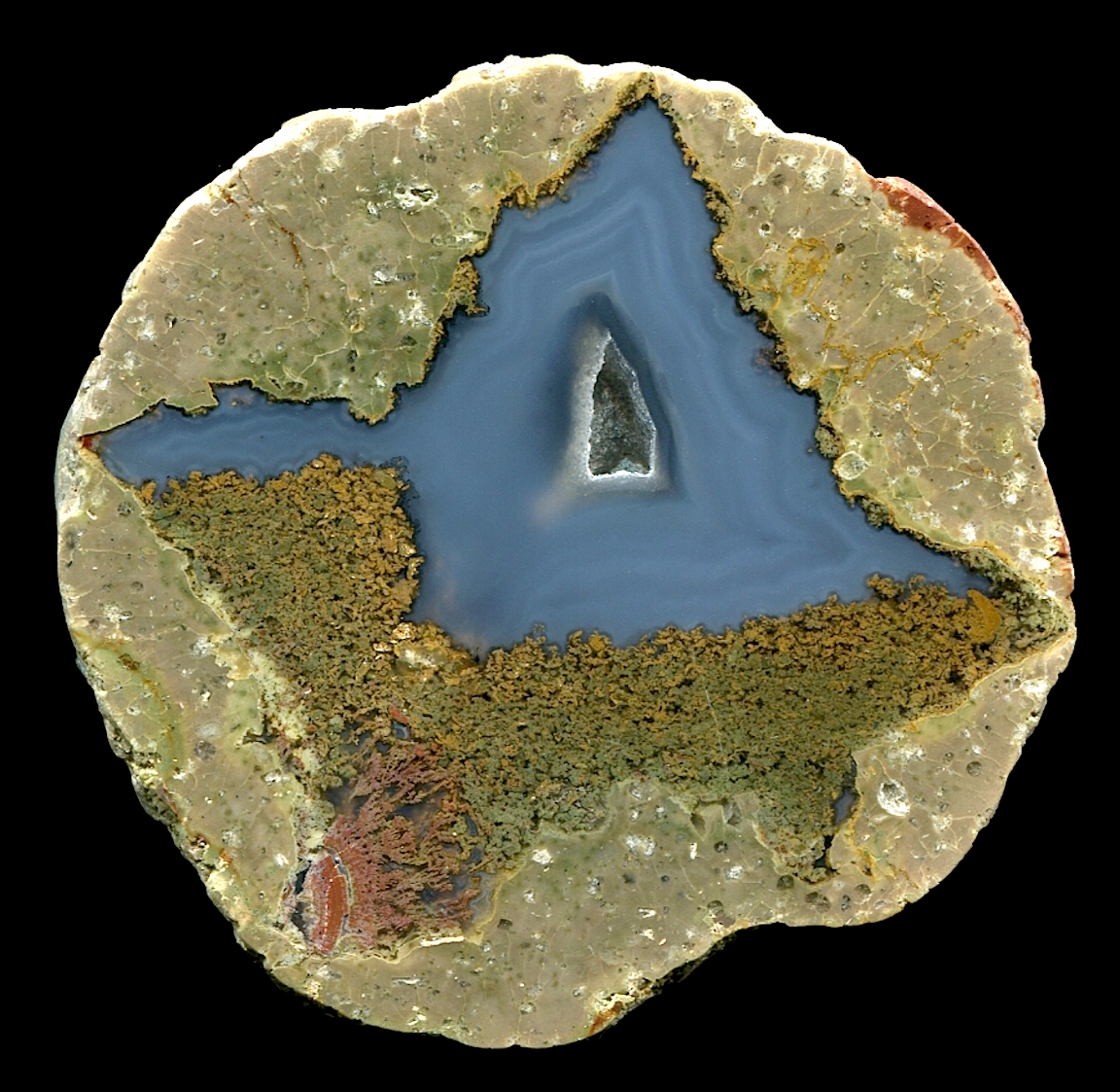
  May 26, 2015 Some thoughts upon re-reading Thomas Kuhn’s 1962 essay, The Structure of Scientific Revolutions. His thesis was an instance of itself. The prevalent opinion was that scientific knowledge accumulates incrementally toward ever more accurate approximations of “the truth”, embodied in facts that are “out there”. Kuhn’s study of the history of science-plus…

Continue reading

Gravity vs. Plasma

309187

  May 25, 2015 Kuhn’s 1962 essay (The Structure of Scientific Revolutions) exploring the nature of changes in scientific theories, and a plethora of commentaries since, have made it out to be a Big Deal and to be also somewhat mysterious: “revolution”, “incommensurability of paradigms”, “new world”, etc. It seems…

Continue reading

Steady On

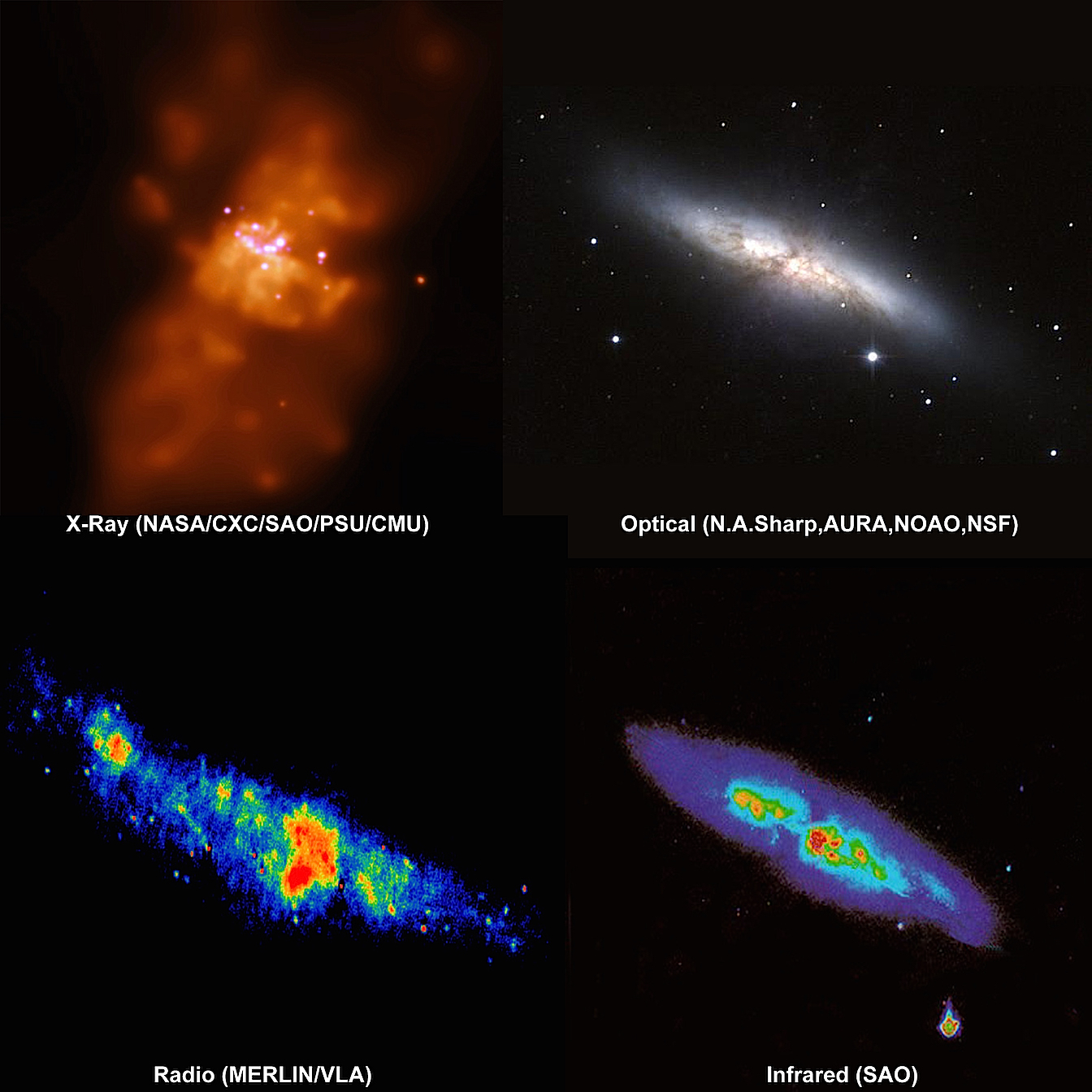
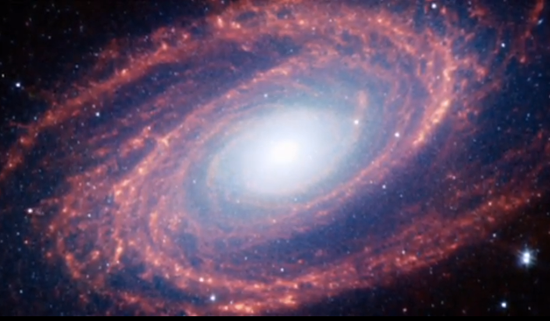
  May 22, 2015 Something near M82 started sending out powerful radio waves more than five years ago and has been holding steady ever since. Energy emissions in radio wavelengths are shining from somewhere near galaxy M82, otherwise known as the Cigar Galaxy. The fact that nothing like them had…

Continue reading

The Whichness of the Why

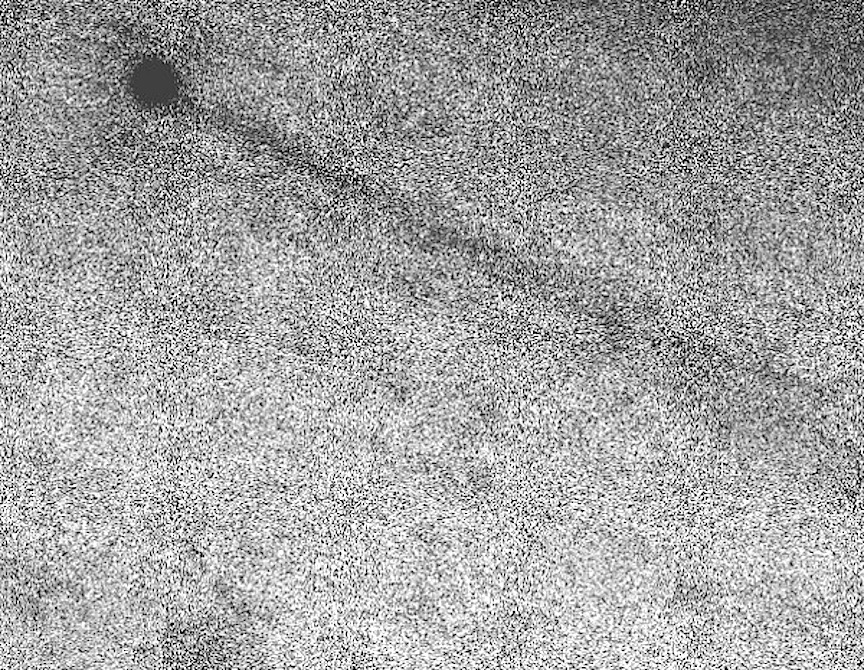
  May 21, 2015 Another asteroid has been detected sporting a long tail. Comets are often called “dirty snowballs” by astronomers. However, various investigative missions, such as Giotto and Deep Impact, revealed them to be blackened, cratered, and fractured. No ice fields, reflective crust, or watery clouds were observed. Indeed, the…

Continue reading

Dark Light

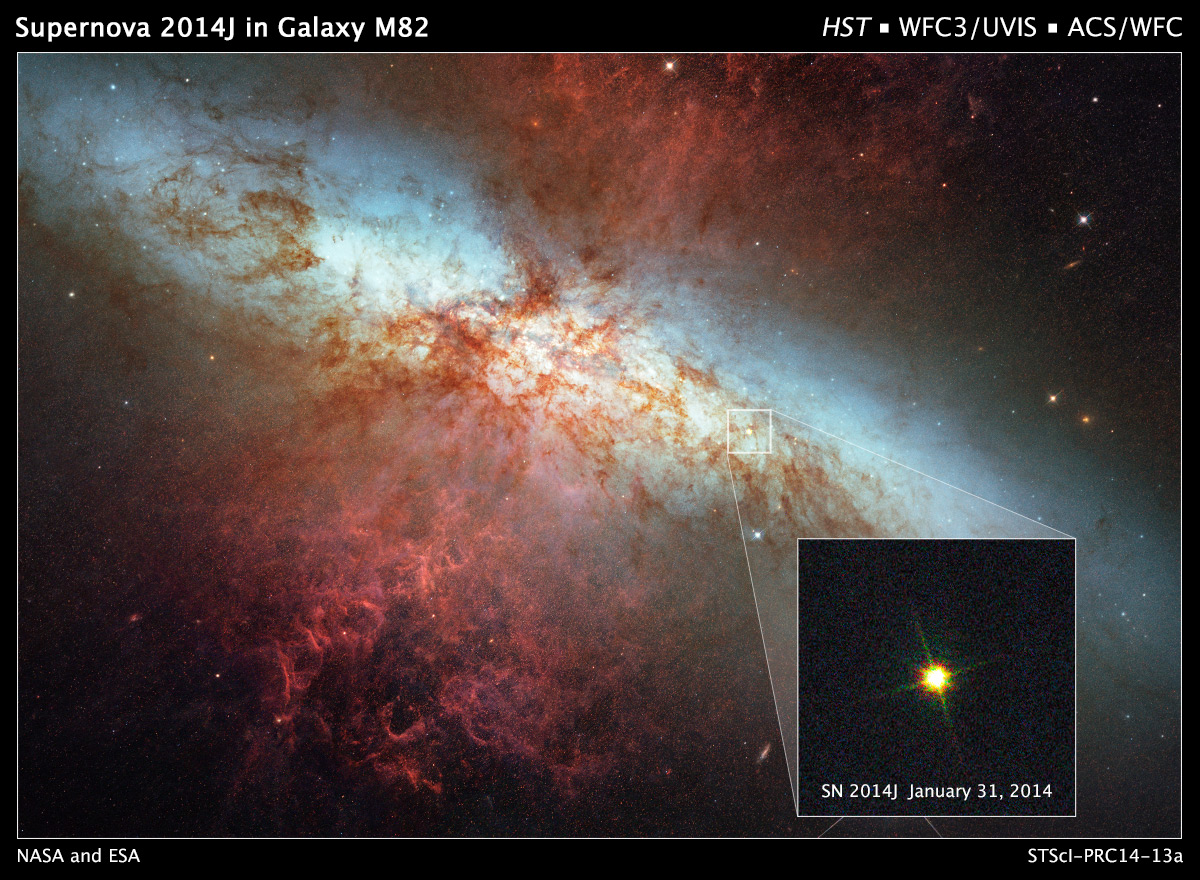
  May 20, 2015 A new supernova illustrates the same old problems. In January 2014 astronomers discovered the first type 1A supernova seen in a decade. Type 1A class stellar explosions (or, implosions) are important to how astronomers view the Universe for two reasons: their light-curves, or graphs of their…

Continue reading

Circular Afterglow

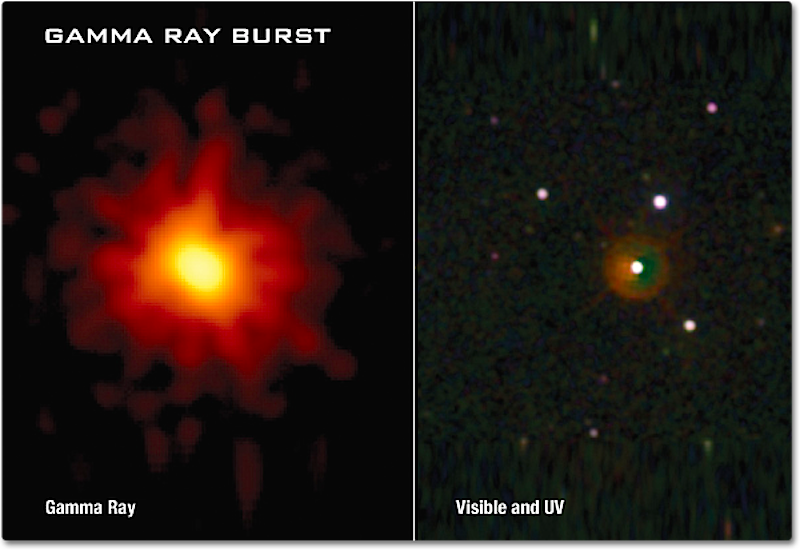
  May 19, 2015 Some gamma ray bursts exhibit unusual characteristics. When charged particles are accelerated in an electric field, they emit synchrotron radiation that creates X-rays and gamma rays—something that has been demonstrated in laboratory experiments. Gamma rays are a class of theoretical “electromagnetic particles” called photons, which are…

Continue reading

Fusion Fail

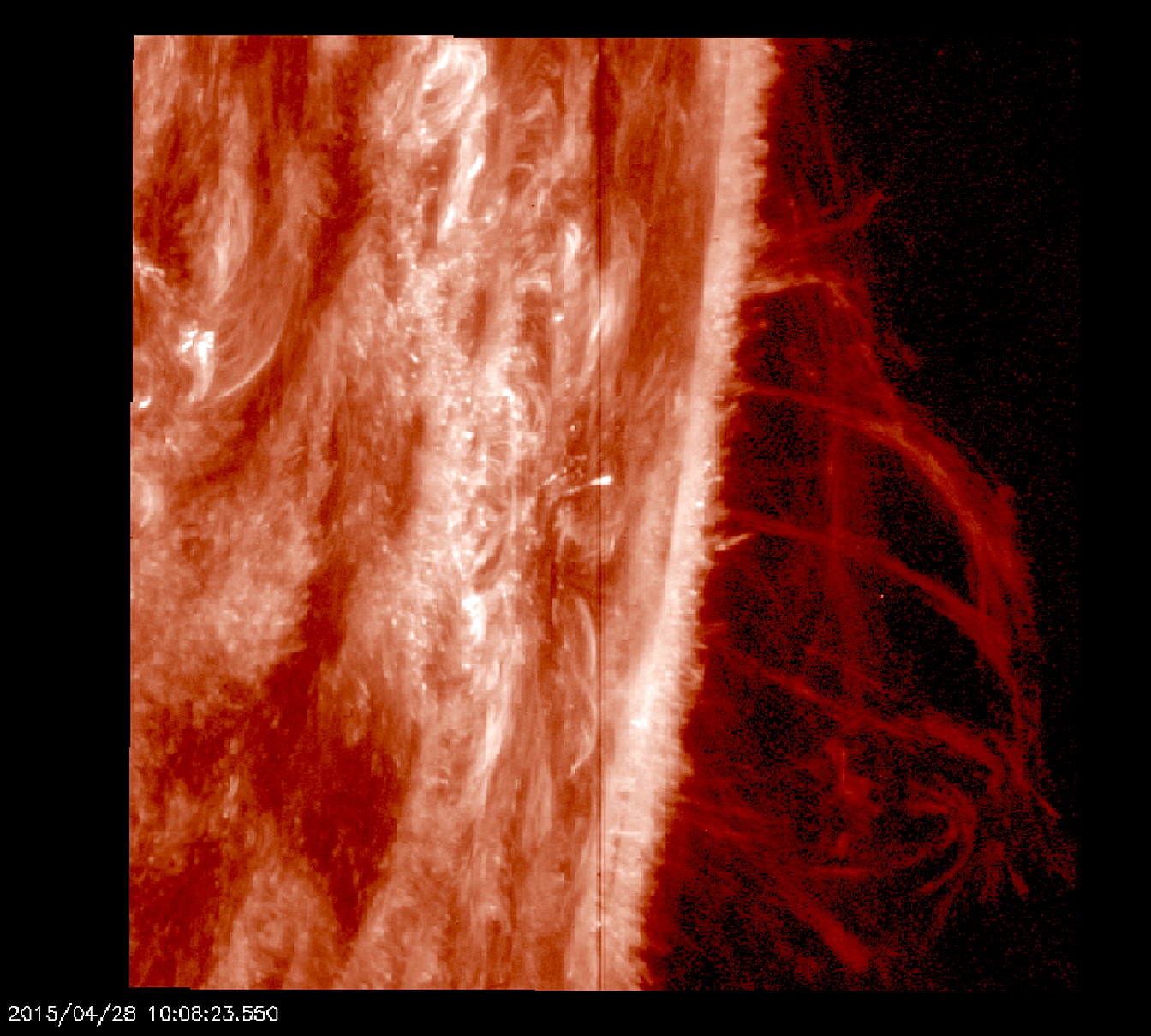
  May 18, 2015 The thermonuclear Sun theory is falsified. Hypothetically, how does the Sun produce heat and light enough to sustain life on our planet at a mean distance of 149,476,000 kilometers? It is apparently not a hot rock, so what is it? According to spectrographic analysis, the Sun…

Continue reading

Plasma Forms

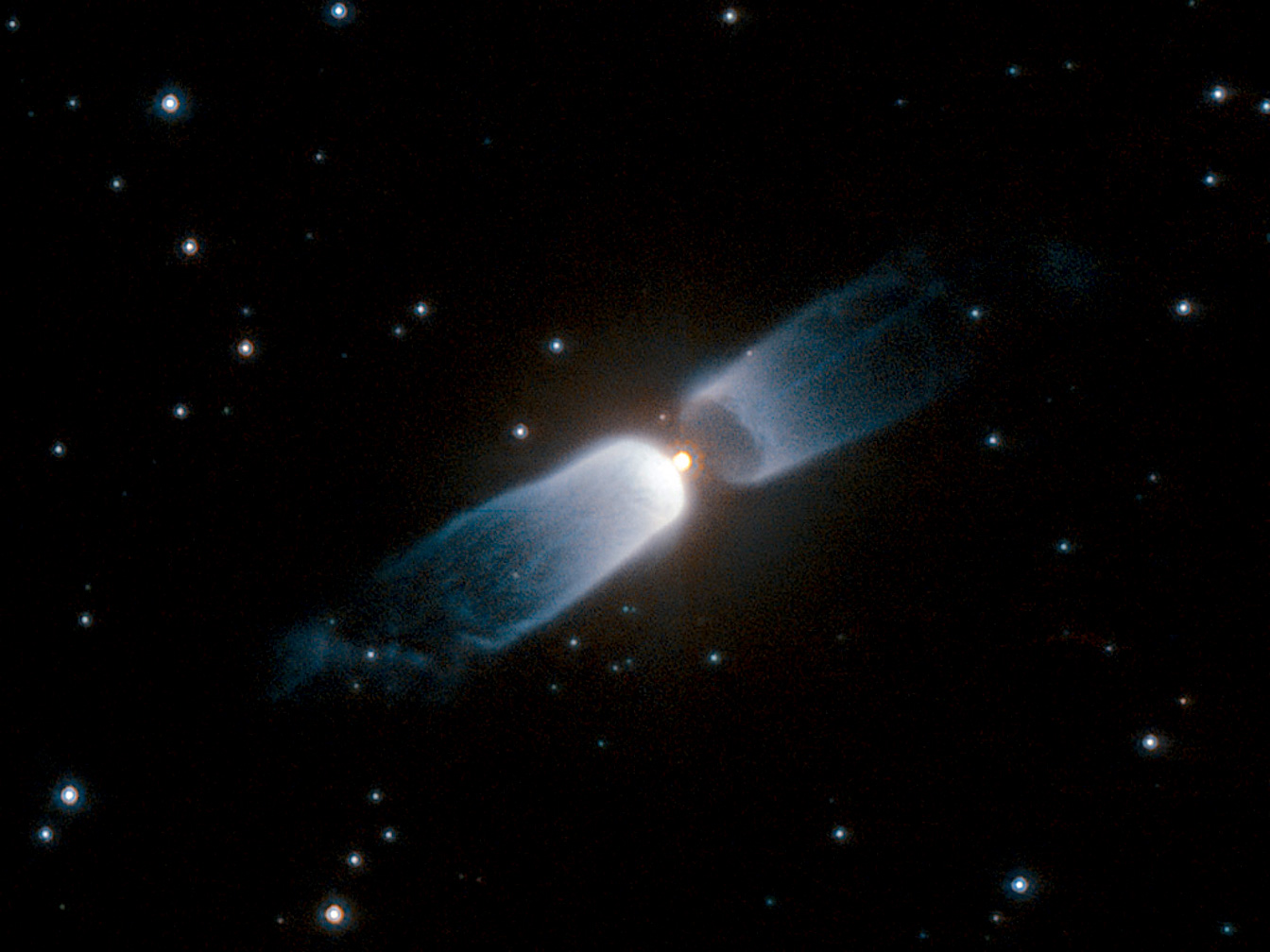
  May 14, 2015 Measurements indicate that this nebula is one degree above absolute zero. Temperature has little to do with electricity, though. “Bipolar outflow” is a term used to describe the nebular structure seen above, although the cause of the effect remains baffling to scientists who study such phenomena….

Continue reading