Dark Clusters

    May 13, 2015 Dark matter used as an excuse—again. Gravitational theory demands that the tidal forces acting on globular clusters in their orbits as they pass through the plane of a galaxy would disrupt the spheres, leaving a collection of stars that is more open or chaotic than…

Continue reading

Close Cousins

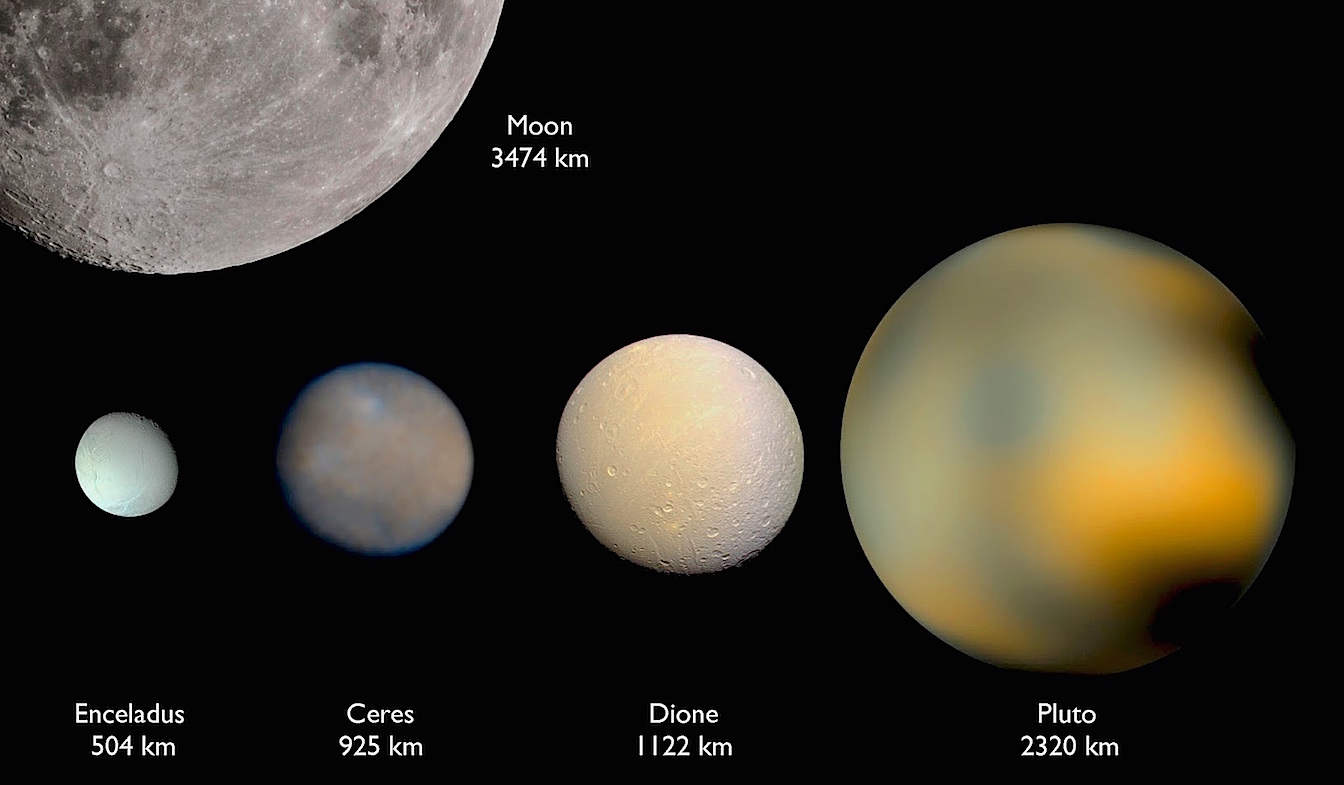
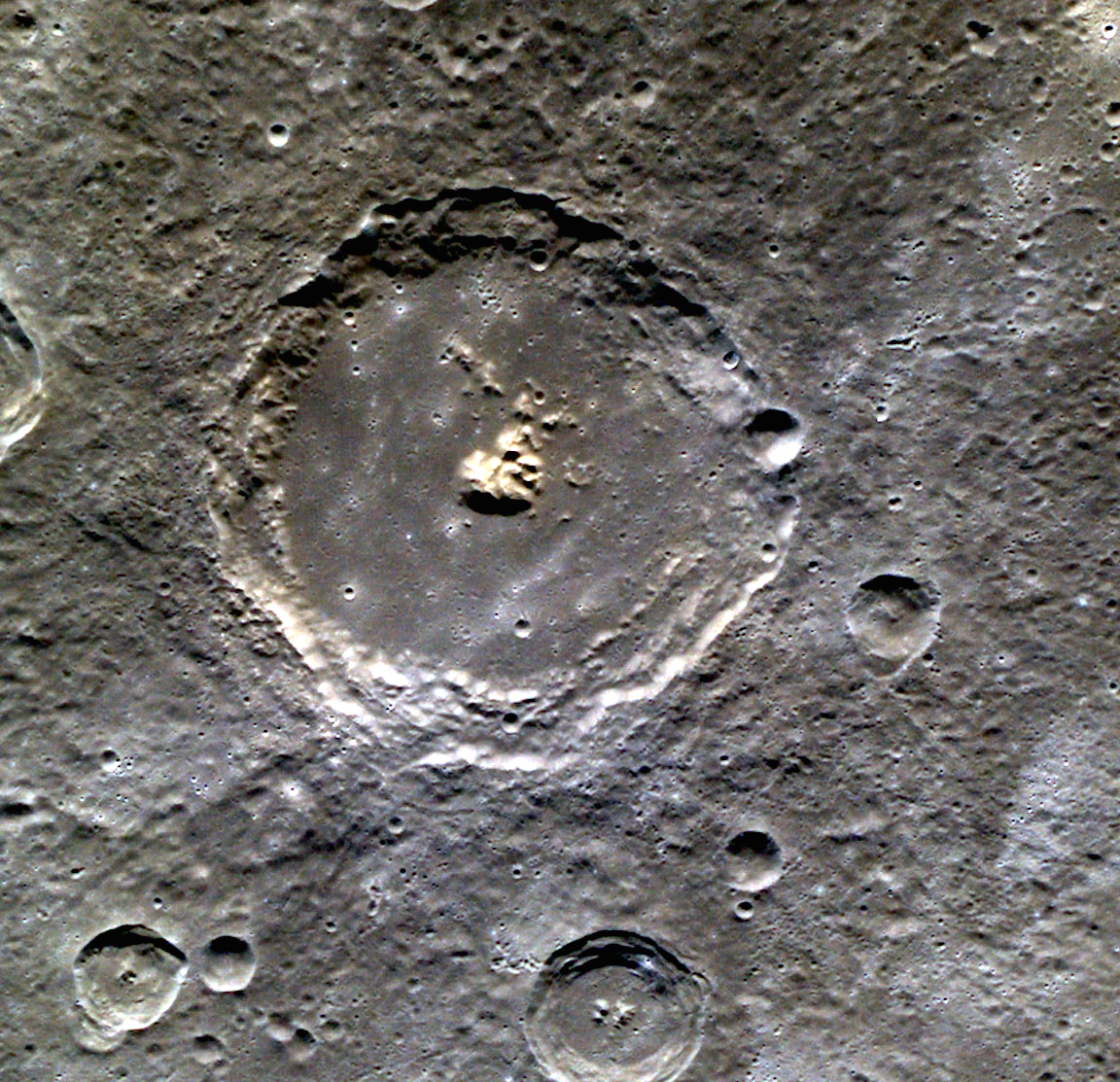
  May 12, 2015 Could Mercury and the Moon be more closely related than previously thought? On March 18, 2011 the MESSENGER spacecraft (Mercury Surface, Space Environment, Geochemistry and Ranging) entered orbit around the planet Mercury. The last time a spacecraft explored Mercury was Mariner 10 during its tour of it…

Continue reading

Sunspot AR 2192

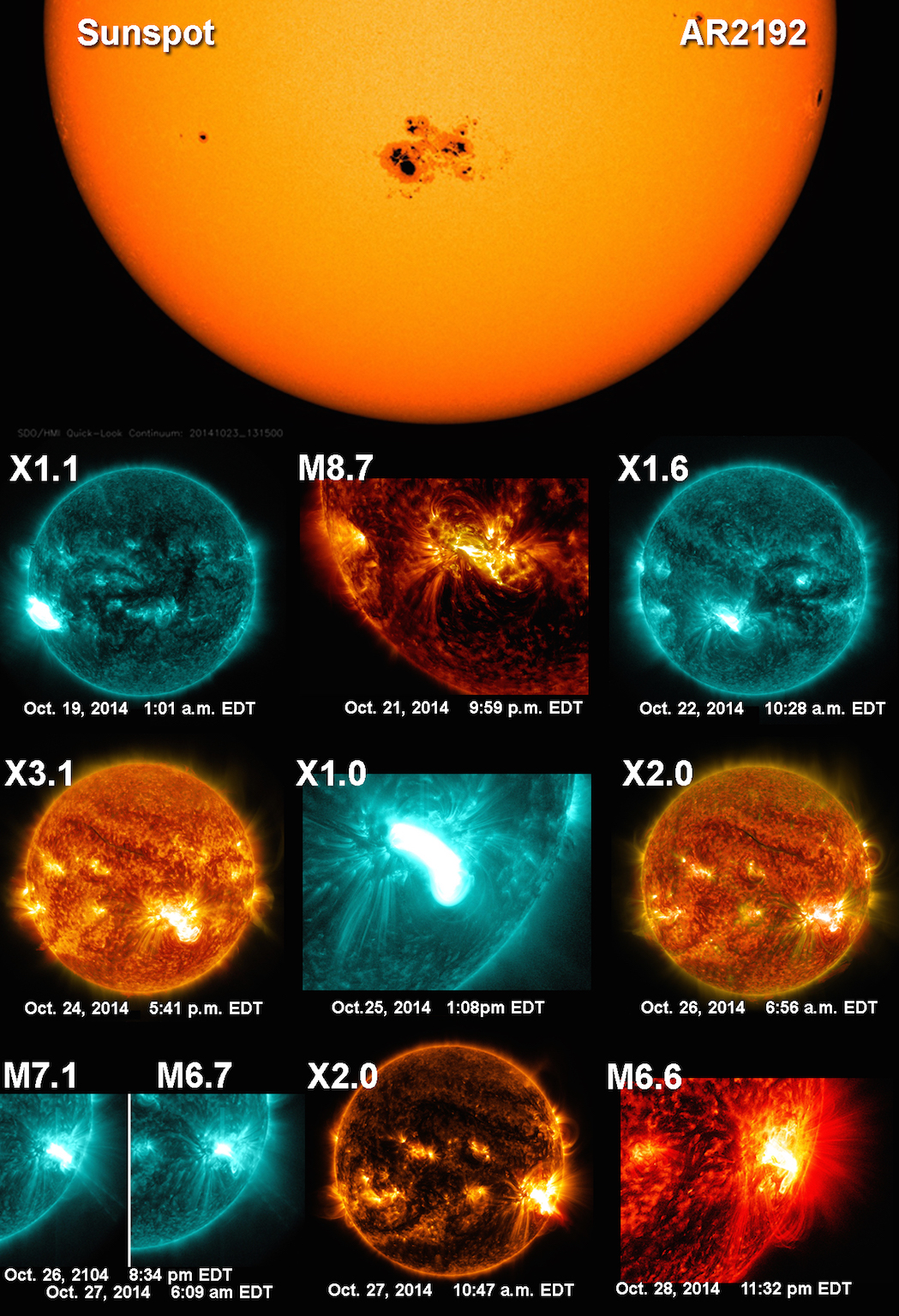
  May 7, 2015 Solar plasma phenomena are governed by electricity flowing through space. The conventional view of the Sun is illustrated by a popular science website: “Our Sun is made up of elements left over from the Big Bang, elements formed from dying stars, and elements created in supernovae.”…

Continue reading

The Cold Cosmos

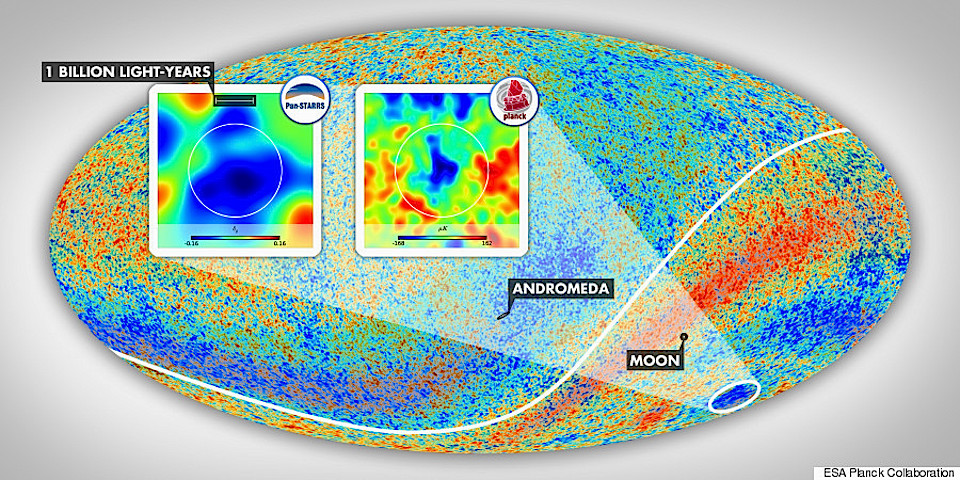
    Apr 29, 2015 Birkeland current interaction is probably the best large-scale structure model for the Universe. A recent article in the astronomical journals and popular press identifies an area of space as a “huge hole” completely empty of matter and energy; “colder” than any other region previously observed….

Continue reading

Hunting Planets

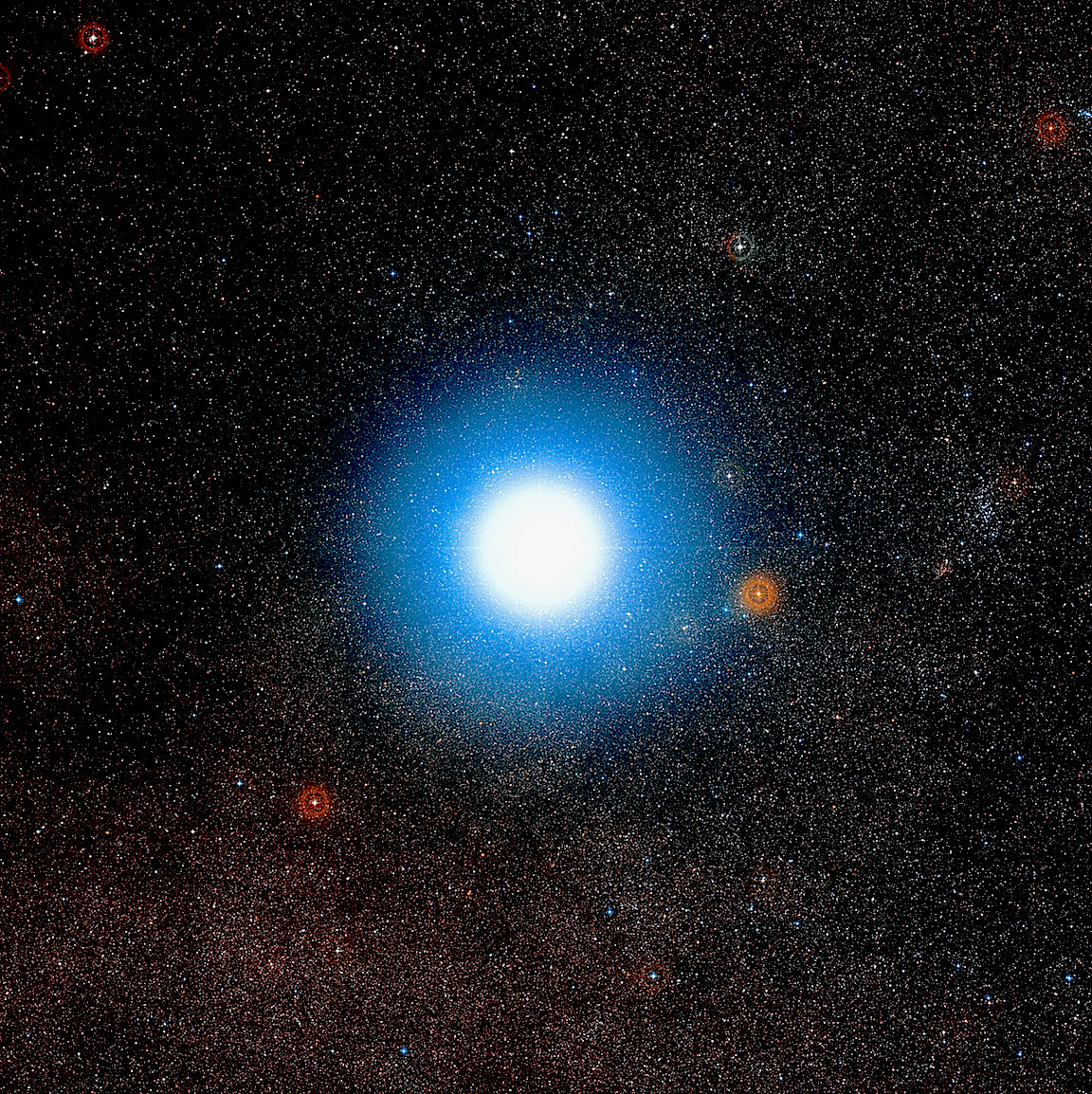
  Apr 28, 2015 Are there billions of rocky planets in the galaxy? “Are we alone in the Universe?” That is probably one of the earliest questions that people ask, after “where do we come from?” According to the European Southern Observatory (ESO), there could be planets galore in our galaxy…

Continue reading

Auroral Arrangement

    Apr 27, 2015 Earth and Jupiter reveal their common connections to the Sun. As previous Picture of the Day articles mention, Earth possesses a complex electrically active structure called a magnetotail (or plasma tail) that extends for millions of kilometers, always pointed away from the Sun. Streams of…

Continue reading