Nebular Lights

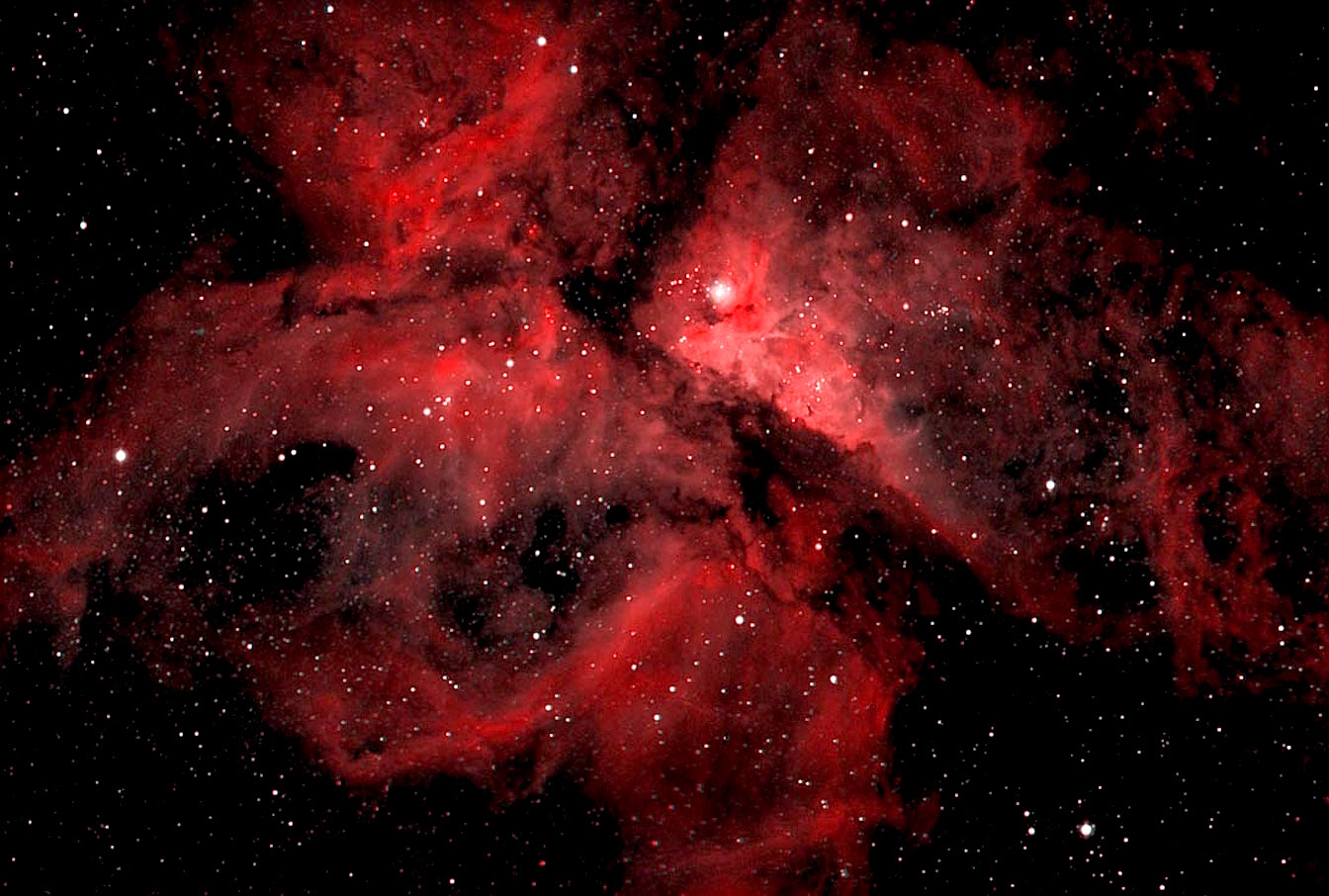
  Jul 27, 2015 What creates X-ray emissions in nebulae? From gamma rays down through X-rays and extreme ultraviolet, conventional theories rely upon gravity and acceleration as the only way for them to be produced in space. Compression of hydrogen gas and dust is supposed to create enough transfer of…

Continue reading

Martian Plumes

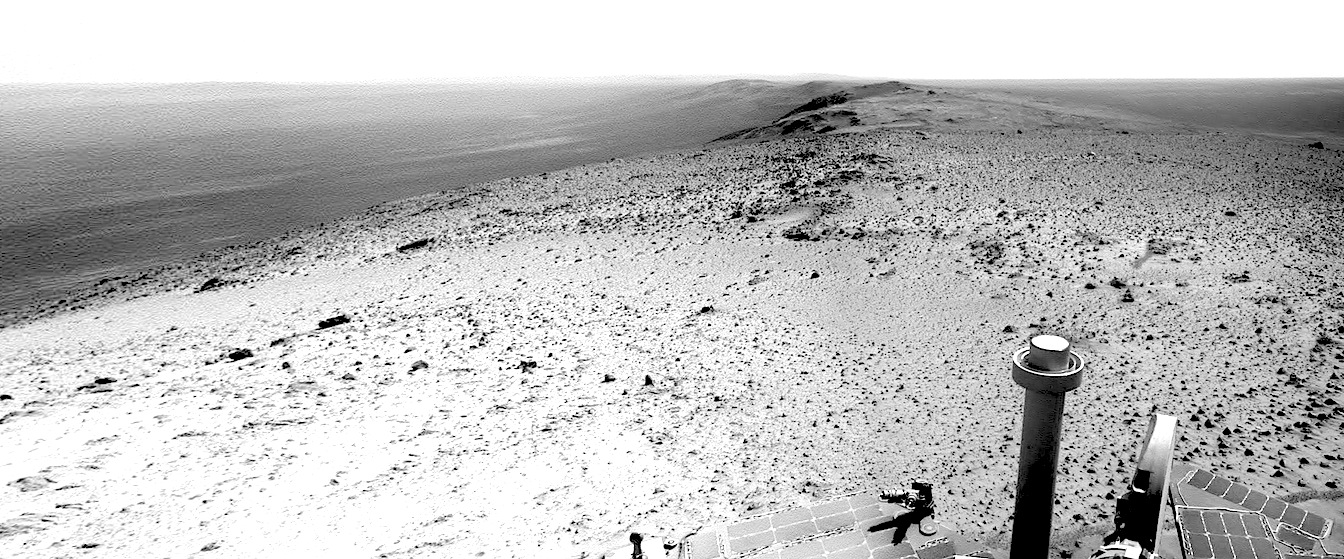
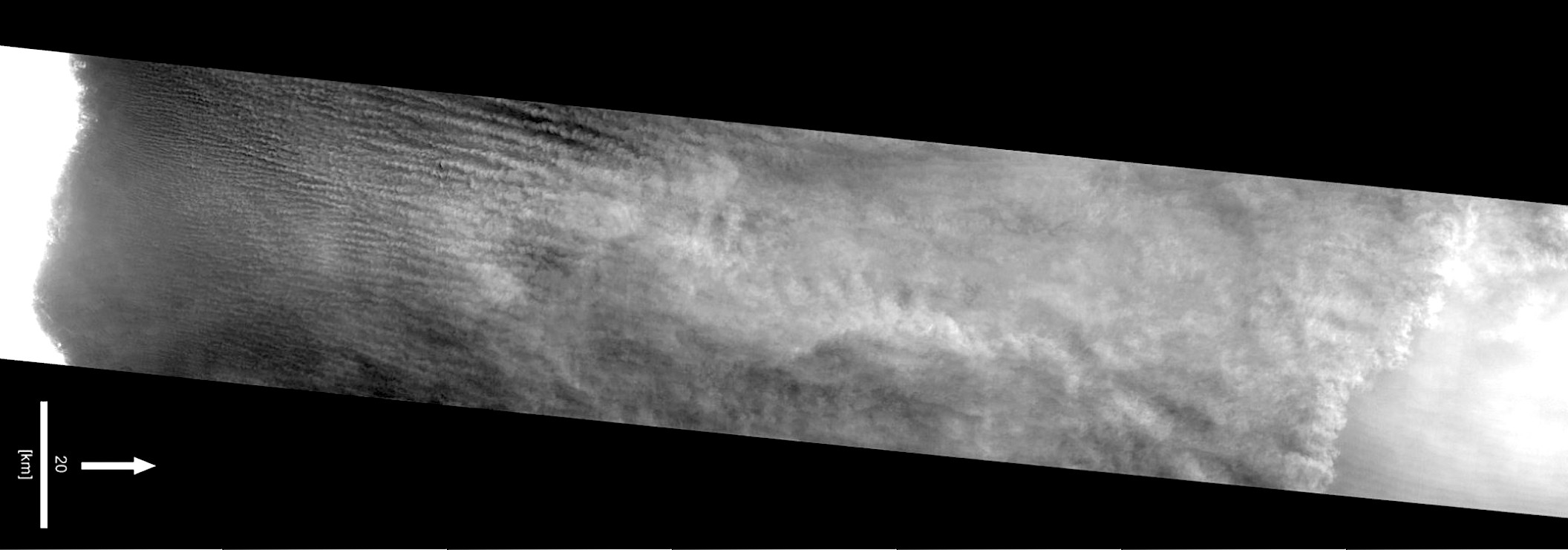
  Jul 24, 2015 Wispy clouds are seen hundreds of kilometers above Mars. Recently, planetary scientists announced the discovery of giant plumes reaching up to 250 kilometers from the Martian surface. Agustin Sanchez-Lavega of the Universidad del País Vasco in Spain wrote in the journal, Nature: “One idea we’ve discussed…

Continue reading

The X Factor

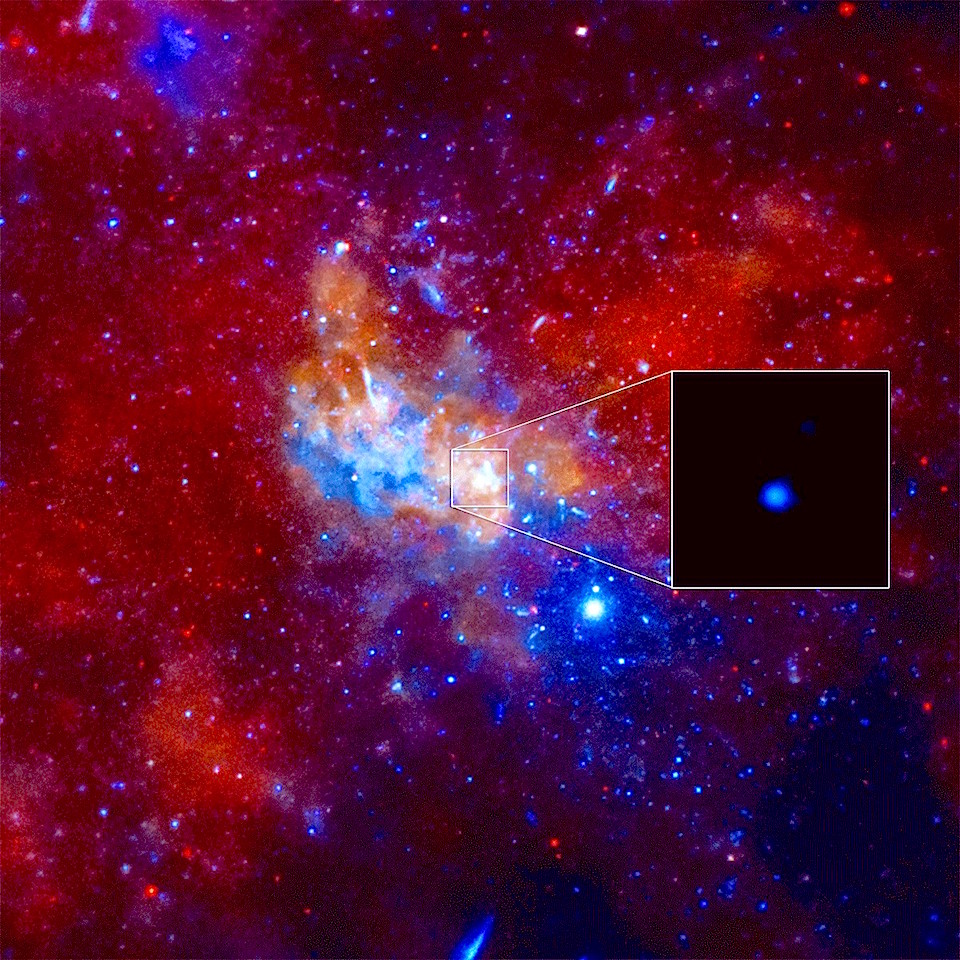
  Jul 23, 2015 Consensus black hole theory called into question again. “The largest X-ray flare ever detected from the supermassive black hole at the center of the Milky Way galaxy” was recently announced by the Chandra X-ray Telescope observation team. According to the report, the extreme energy calls into…

Continue reading

Electrical Hierarchy

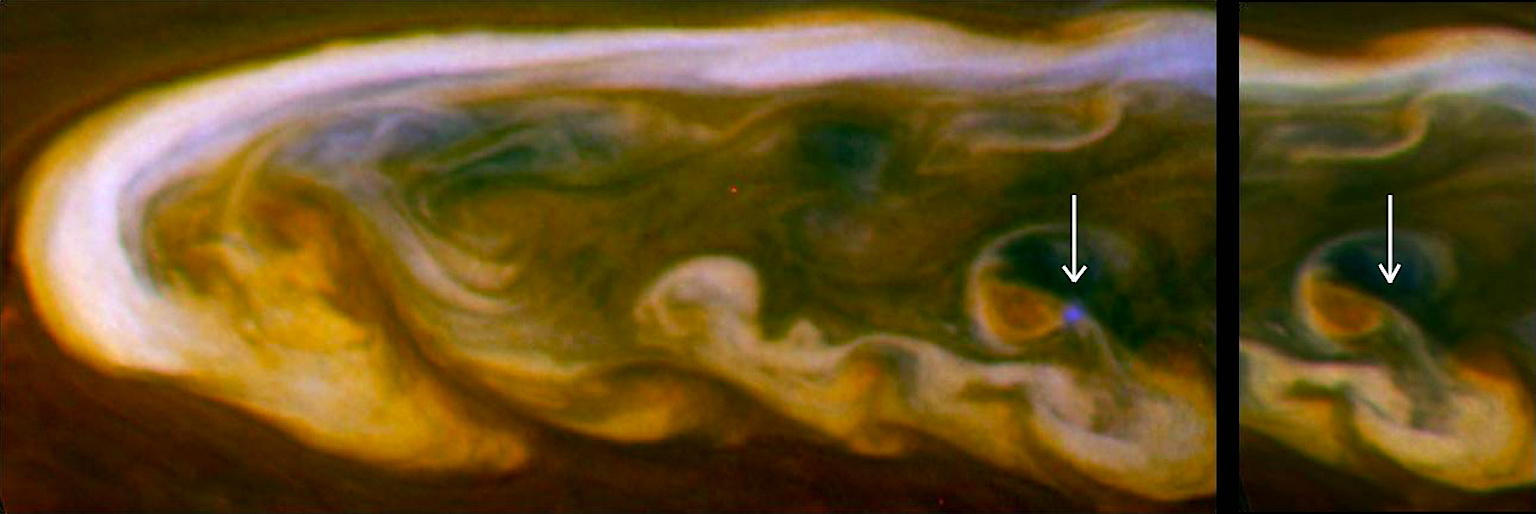
  Jul 22, 2015 Elves could be found in gas giant atmospheres. The plasmasphere of Saturn is highly energetic. The Cassini orbiter found lightning up to a million times more powerful than anything on Earth. It is not surprising that the discovery was made, since Saturn emits 2.3 times more energy than it…

Continue reading

Moon to Moon

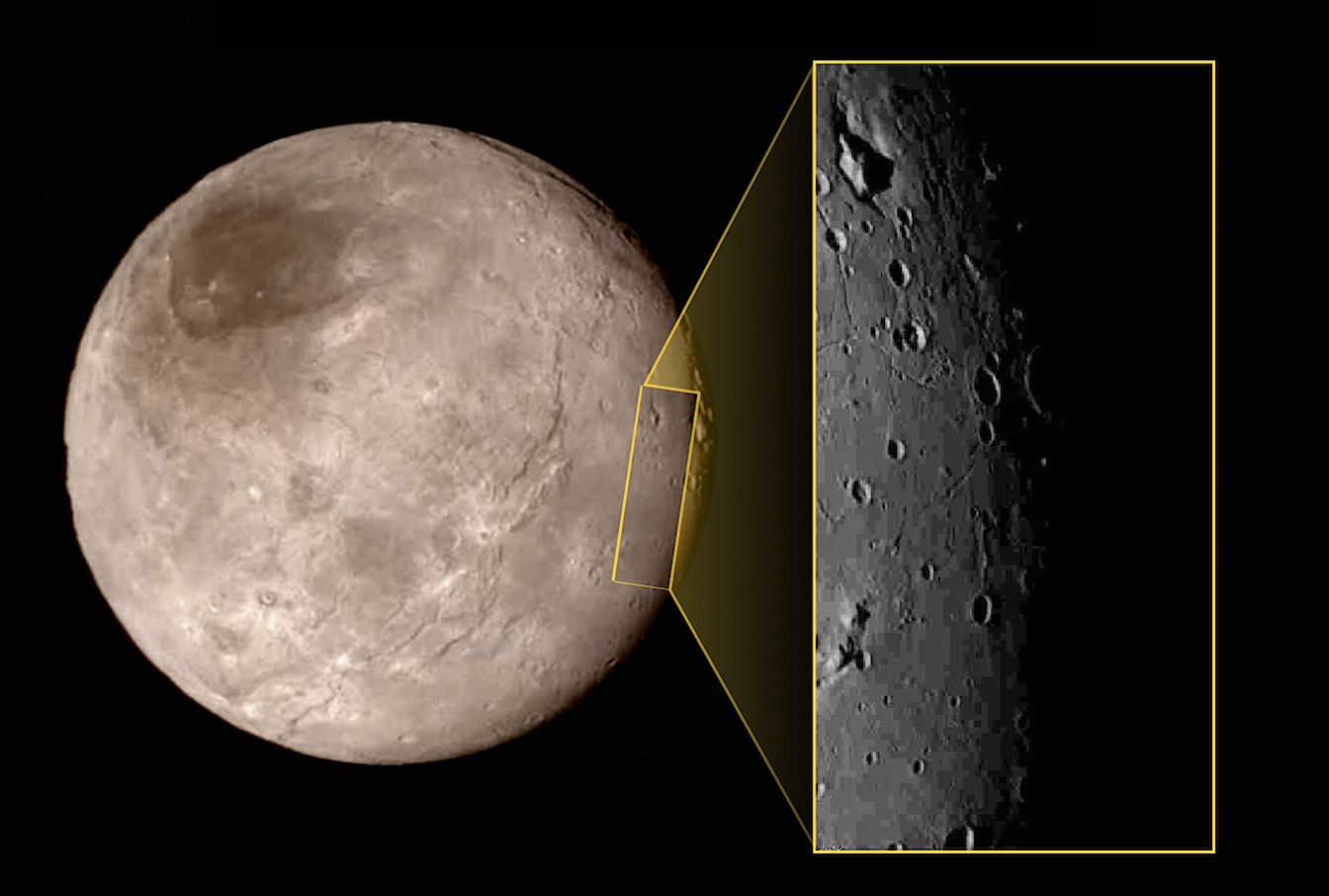
  Jul 17, 2015 Charon and Earth’s Moons bear a striking resemblance. Pluto’s moon, Charon was discovered by astronomer James Christy on June 22, 1978 when he noticed a “bulge” on the disk of Pluto that was subsequently found in telescope images as far back as 1965. Charon is a…

Continue reading

Rhea’s Debris Disc

  Jul 16, 2015 Evidence for the dust cloud came from a gradual drop on either side of Rhea in the number of electrons detected by two of Cassini’s instruments. Scientists from the Jet Propulsion Laboratory in Pasadena, California discovered a “debris ring” surrounding Saturn’s frigid moon, Rhea. The Cassini space…

Continue reading

Dark Clusters

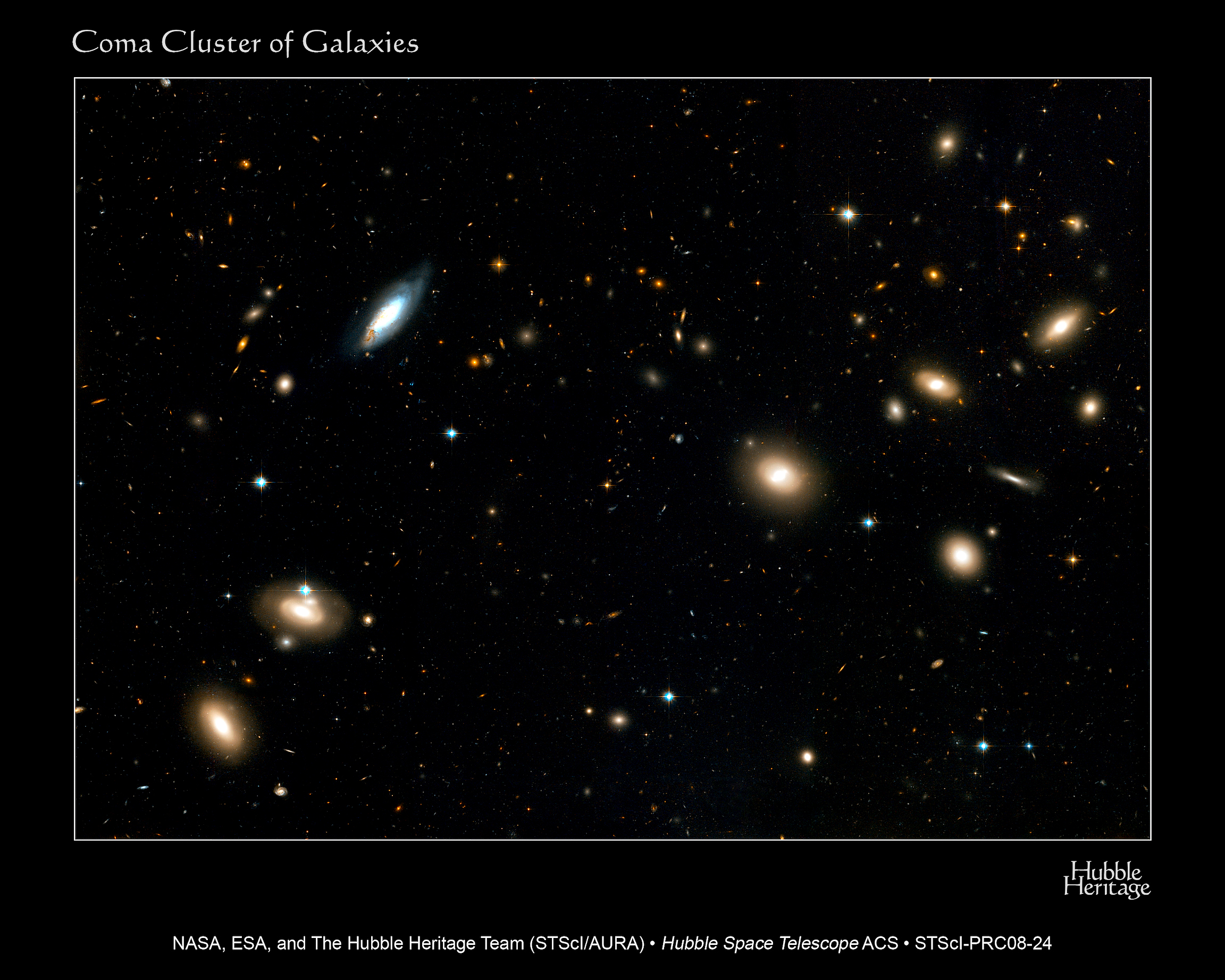
  Jul 15, 2015 A recent press release announces the discovery of so-called “dark galaxies” in the Coma Cluster. Pieter van Dokkum of Yale University wrote: “On Coma’s outskirts lurk 47 galaxies similar in size to the Milky Way — but with 1,000 times fewer stars. To survive in crowded…

Continue reading