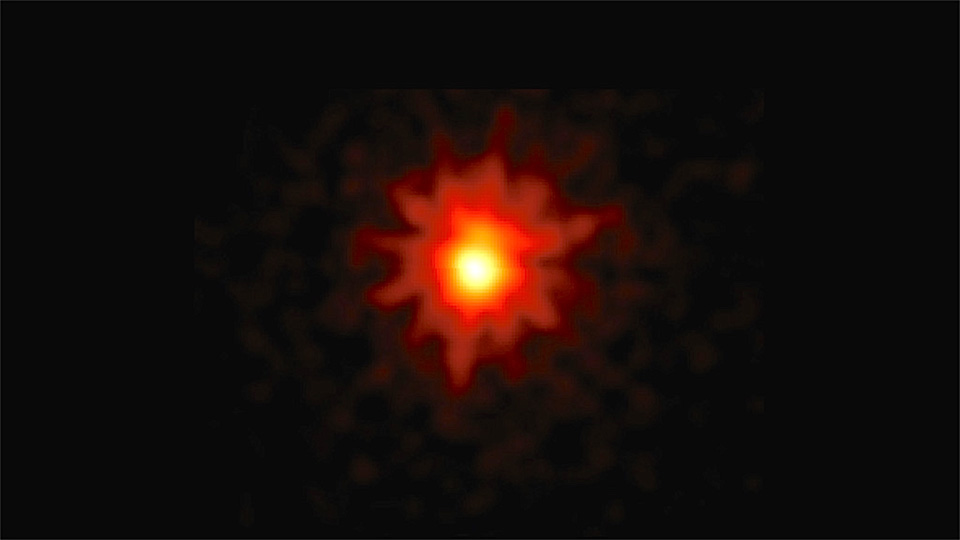
X-ray Eruption

  Aug 25, 2015 Stellar flares are seen in unexpected places. In a September 30, 2014 press release, NASA officials from the Goddard Space Flight Center announced that their SWIFT satellite detected a stellar flare with X-ray emissions larger than anything they expected to witness from DG Canum Venaticorum, a…

Continue reading

Thermal Axes

  Aug 21, 2015 Hot polar regions are common among planets and moons. Scientists using the Very Large Telescope (VLT) discovered a ten degree Celsius temperature difference above the polar region of Neptune. Another consideration that has not been published regarding Neptune’s polar thermocline, is that the “hot spots” can…

Continue reading

Crystal Comets

Comet_activity_22_November_2014

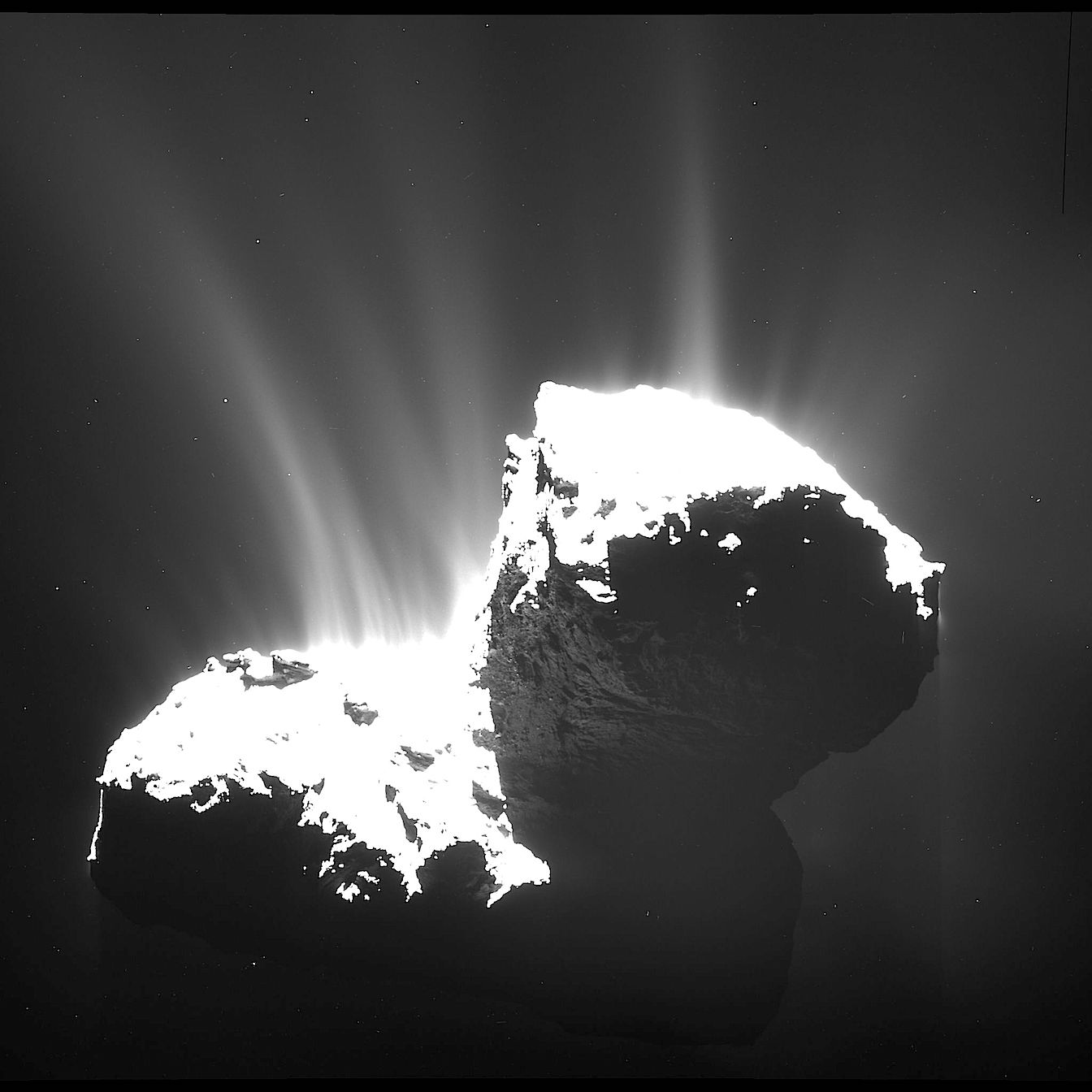
  Aug 20, 2015 The “dusty snowball” theory of comets needs attention, since there are crystals that need high temperatures to form in the matrix of at least two. Recently, the composition of comet 67P/Churyumov-Gerasimenko (67P/C-G) was discussed in the scientific press. It is only in the last few months that…

Continue reading

Dark Dreams

  Aug 18, 2015 An apparently empty patchwork of darkness strung across this field of stars is actually full—of dust and gas and Other Things. The dust and gas doesn’t show up because there’s not sufficient light that we can see for it to reflect, and it isn’t hot enough to…

Continue reading

Hot Plasma or Cold Dust?

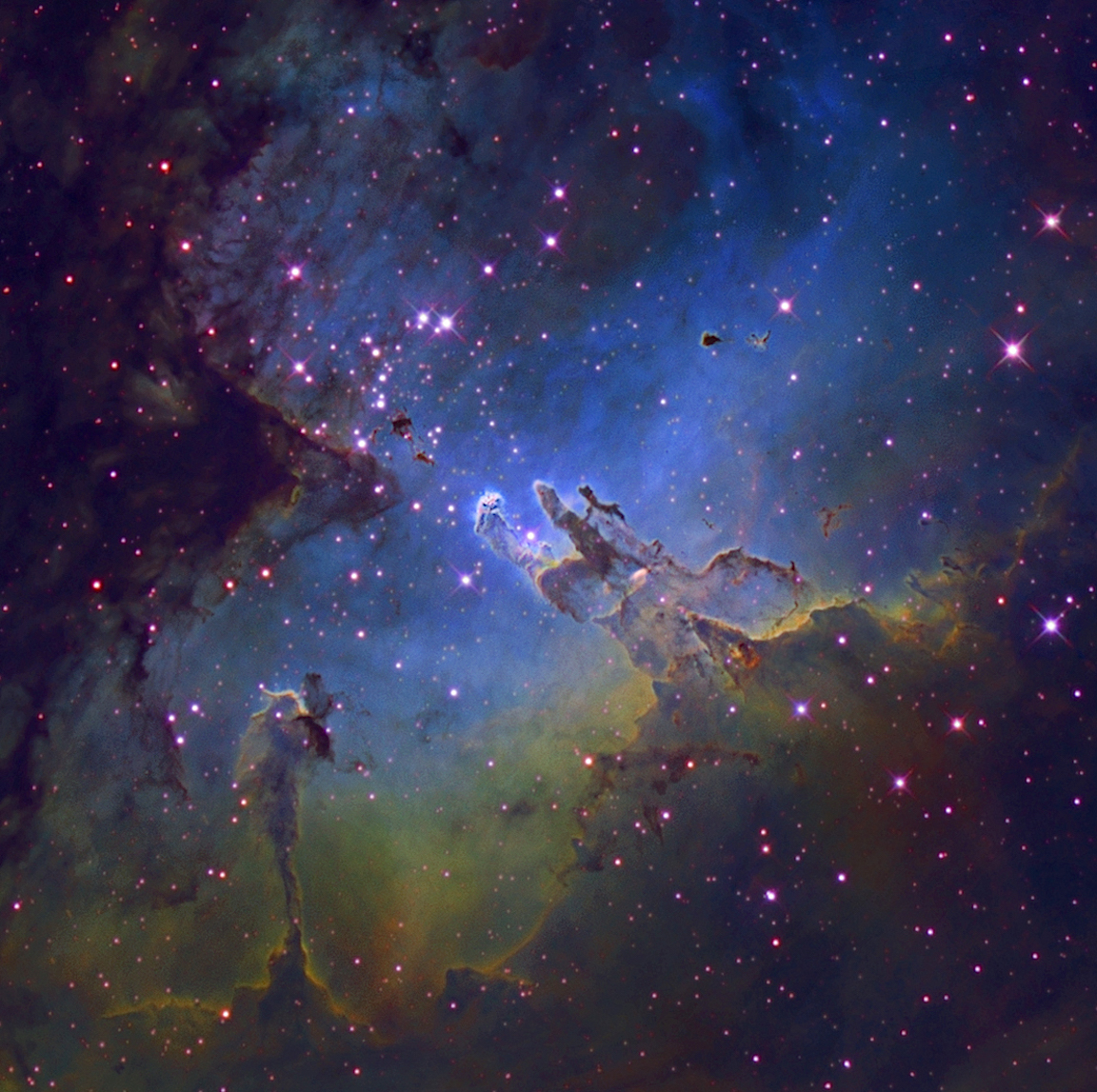
  Aug 13, 2015 Rather than clouds of frigid dust and gas, twisted filaments suggest electric currents in space. The Eagle nebula is an active “star nursery” located in the constellation Serpens, approximately 7000 light-years away. It is a multi-spectral cloud of gas mixed with microscopic particles of dust. The infrared image…

Continue reading

Consequence-free Cosmology

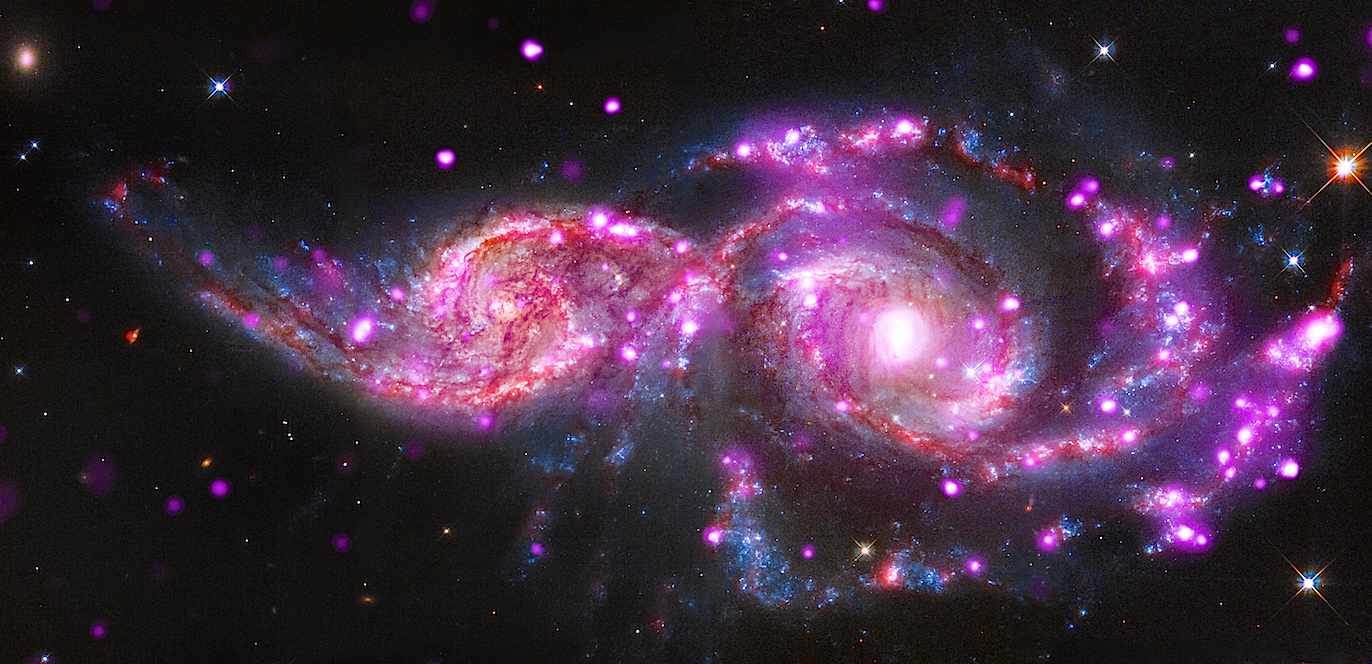
  Aug 12, 2015 These two galaxies appear to be elbowing each other with their spiral arms. The consensus interpretation is that they’re colliding and generating shock waves that initiate gravitational collapse of gas clouds. The collapsing clouds become stars, many of which are extremely massive. These quickly run through their…

Continue reading