Dark Stars

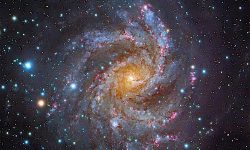
May 31, 2017 Black holes are most likely electrical phenomena. Black holes are the subject of many previous Picture of the Day articles. The short story, from an Electric Universe perspective, is that black holes are a misperception. The descriptive terminology used by researchers is problematic, relying on loose interpretations….
Continue reading

Ionic Wind

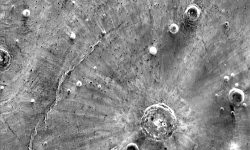
May 26, 2017 Ionic disturbances through electrically charged regolith shaped the Martian surface. Craters, canyons, dunes and many other features do not readily correspond to contemporary theories about their evolution. Dunes on Mars often do not align with prevailing winds, and do not indicate any movement after years of observation….

Continue reading

Sun Fire

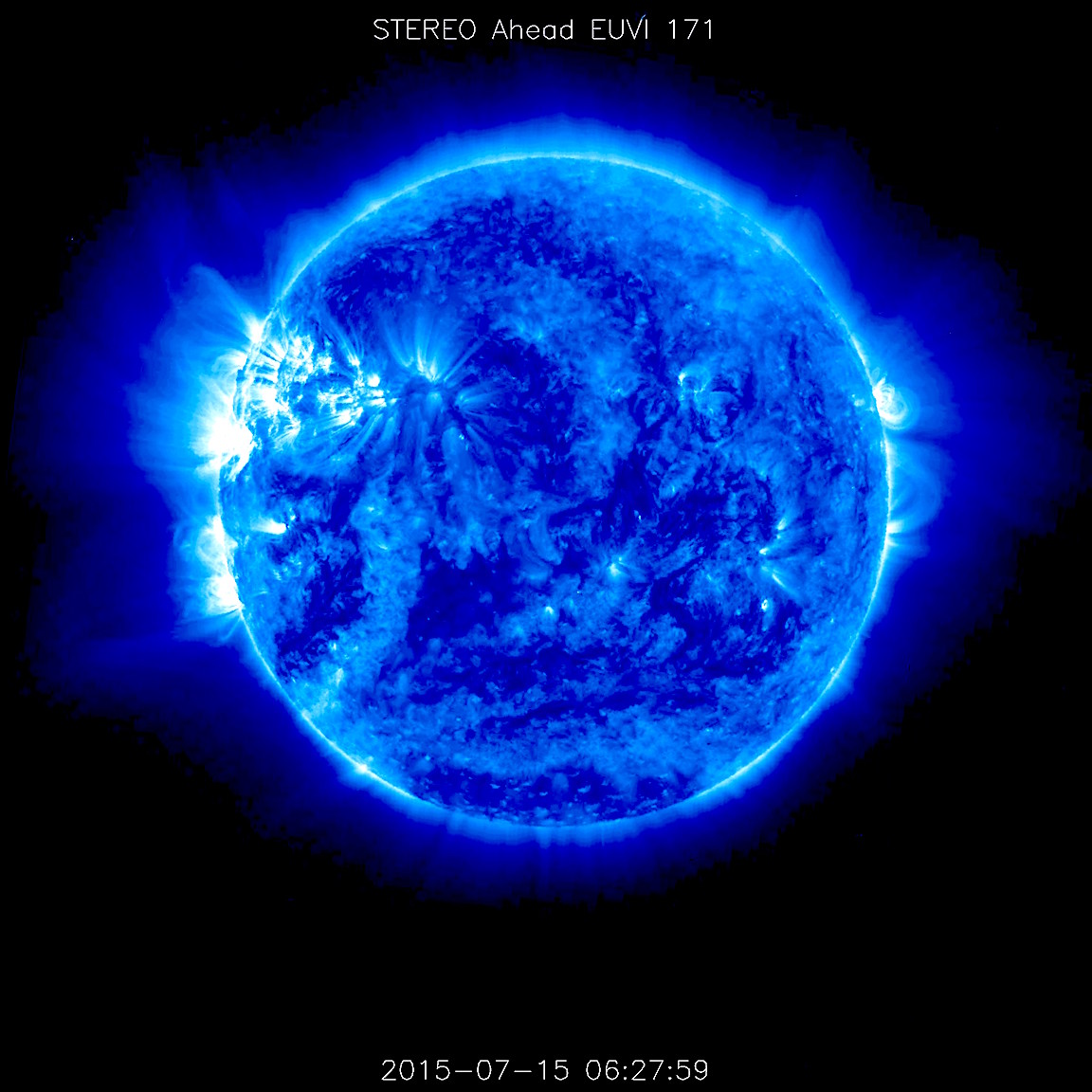
  May 25, 2017 The Sun is a mysterious force. NASA launched the Solar TErrestrial RElations Observatory (STEREO) spacecraft on October 25, 2006 from Cape Canaveral. Its mission is to study the solar weather, including coronal mass ejections (CME) and solar flares. The twin STEREO satellites are in orbit around…

Continue reading

Brown Jets

May 24, 2017 Brown dwarf stars are another class of stellar object that emit jets of material. A recent press release reports detecting a jet of material erupting from a brown dwarf star. A brown dwarf star earns its name because it is too small to sustain hydrogen fusion reactions…

Continue reading

A Burst in the Night

  May 23, 2017 Many phenomena could be due to something astronomers do not expect. Some things are familiar, even though they are not easily explained. The aurorae at each of Earth’s poles are familiar to most people, although the way they form is not completely understood. Similarly, lightning bolts…

Continue reading

Above and Below

  May 19, 2017 Phenomena on Earth, as well as in deep space, share similar characteristics. “I have always believed that astrophysics should be the extrapolation of laboratory physics, that we must begin from the present Universe and work our way backward to progressively more remote and uncertain epochs.” —…

Continue reading

Chains of Habit

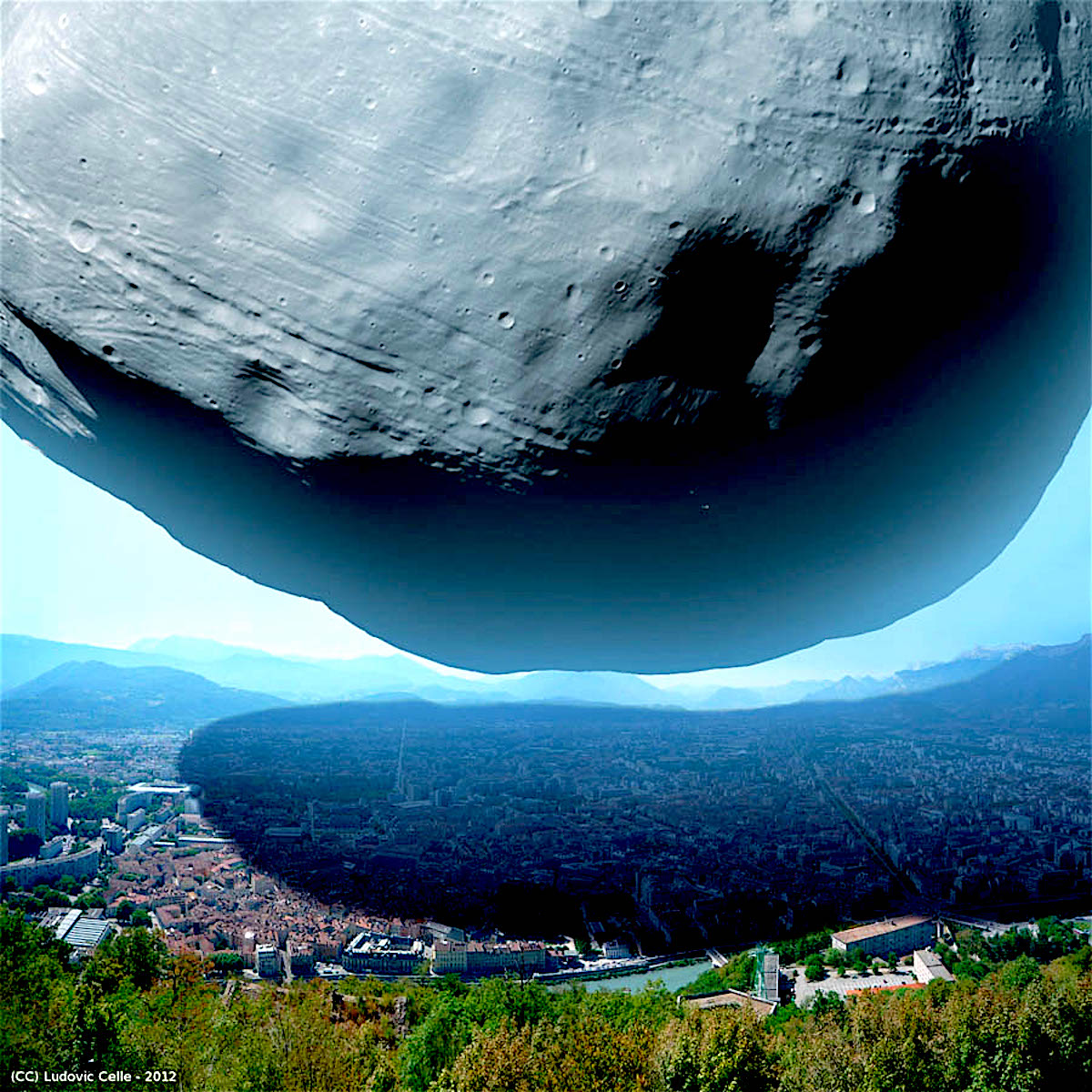
  May 18, 2017 Crater chains do not necessarily indicate impact features. It is difficult to free fools from the chains they revere. — Voltaire According to a recent press release, a new study finds that the grooves on Phobos “…are the result of debris ejected by impacts eventually falling…

Continue reading

Circuit Breakers

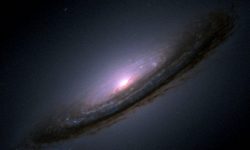
May 17, 2017 Computer simulations cannot correctly model supernova explosions. Contemporary astrophysical models of stellar evolution rely on the mechanical action of cold gas collapsing from gravitational impetus. Stars are seen as whirling vortices of compressed matter heated to fusion temperatures by pressure, alone. Clouds of gas and dust a…

Continue reading

Wee Bairns

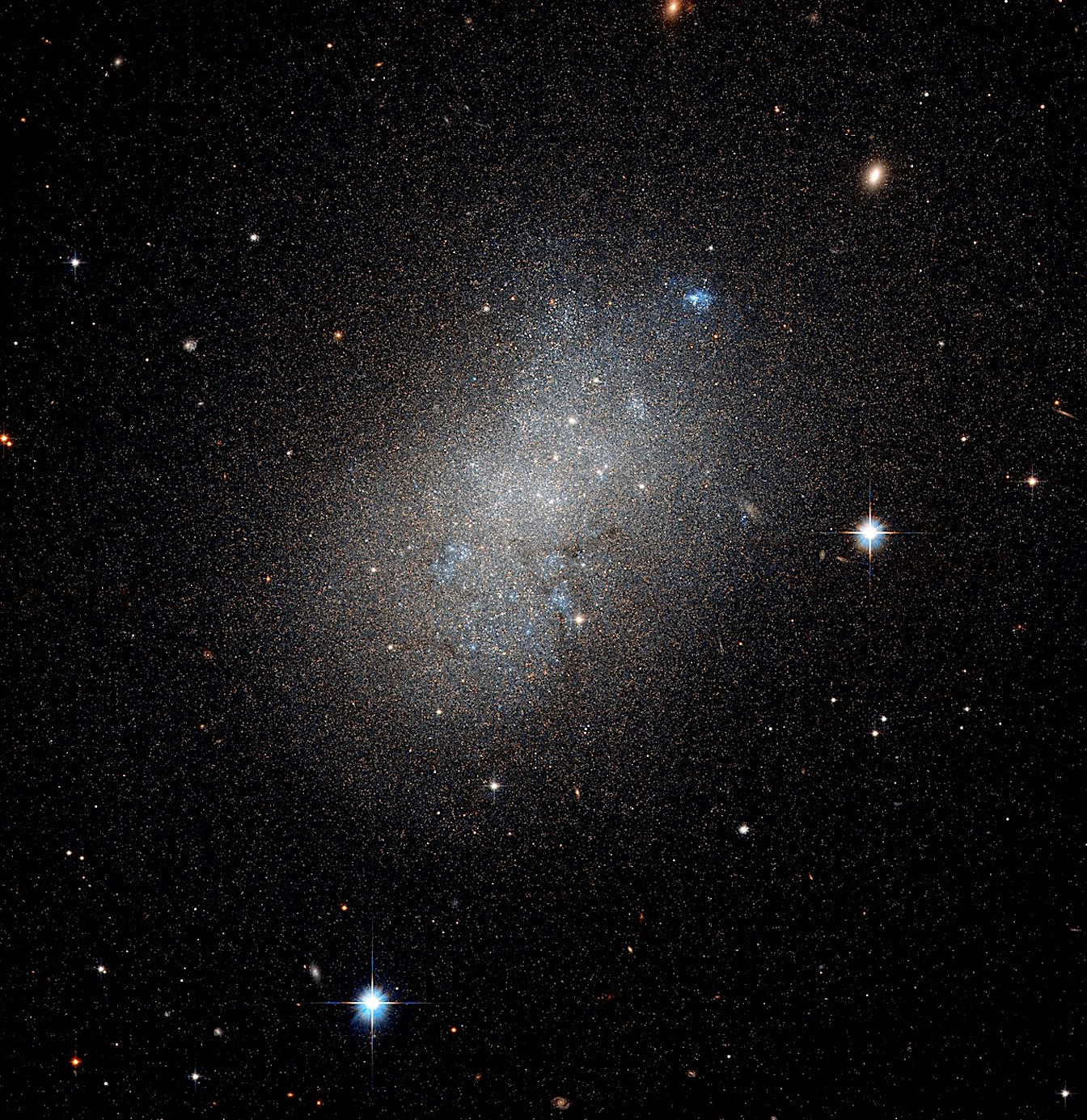
  May 16, 2017 Many smaller celestial objects are associated with the Milky Way. The Milky Way galaxy does not travel space, alone, it is accompanied by dozens of smaller galaxies with more diffuse and irregular structures. Conventional theories suggest that there are too few dwarf companions in orbit, as…

Continue reading

Field of Vision

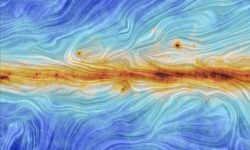
May 15, 2017 New ways to see the cosmos. According to a recent press release, an electromagnetic field connects the Large and Small Magellanic Clouds. As previously written, the Small Magellanic Cloud is no more than a smudge of light in the southern sky. Its companion, the Large Magellanic Cloud…

Continue reading