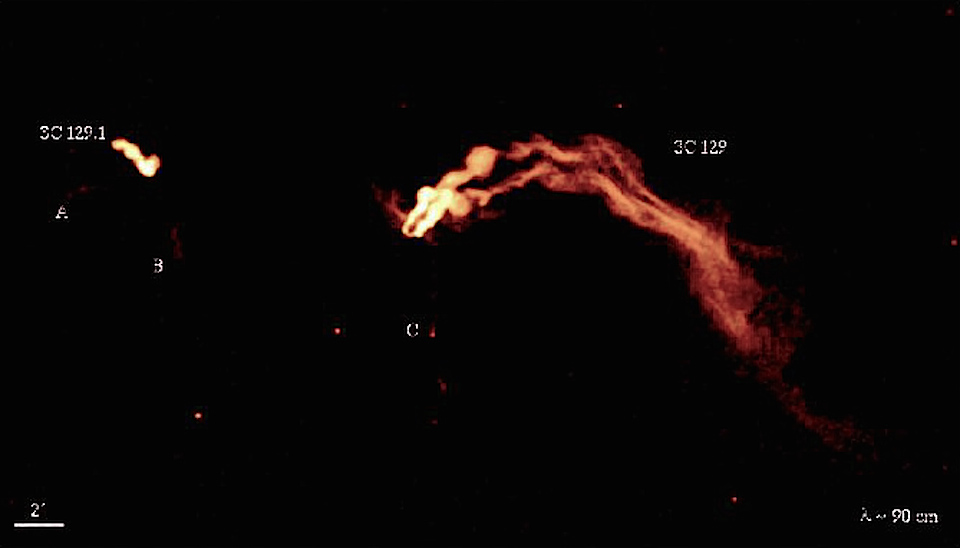
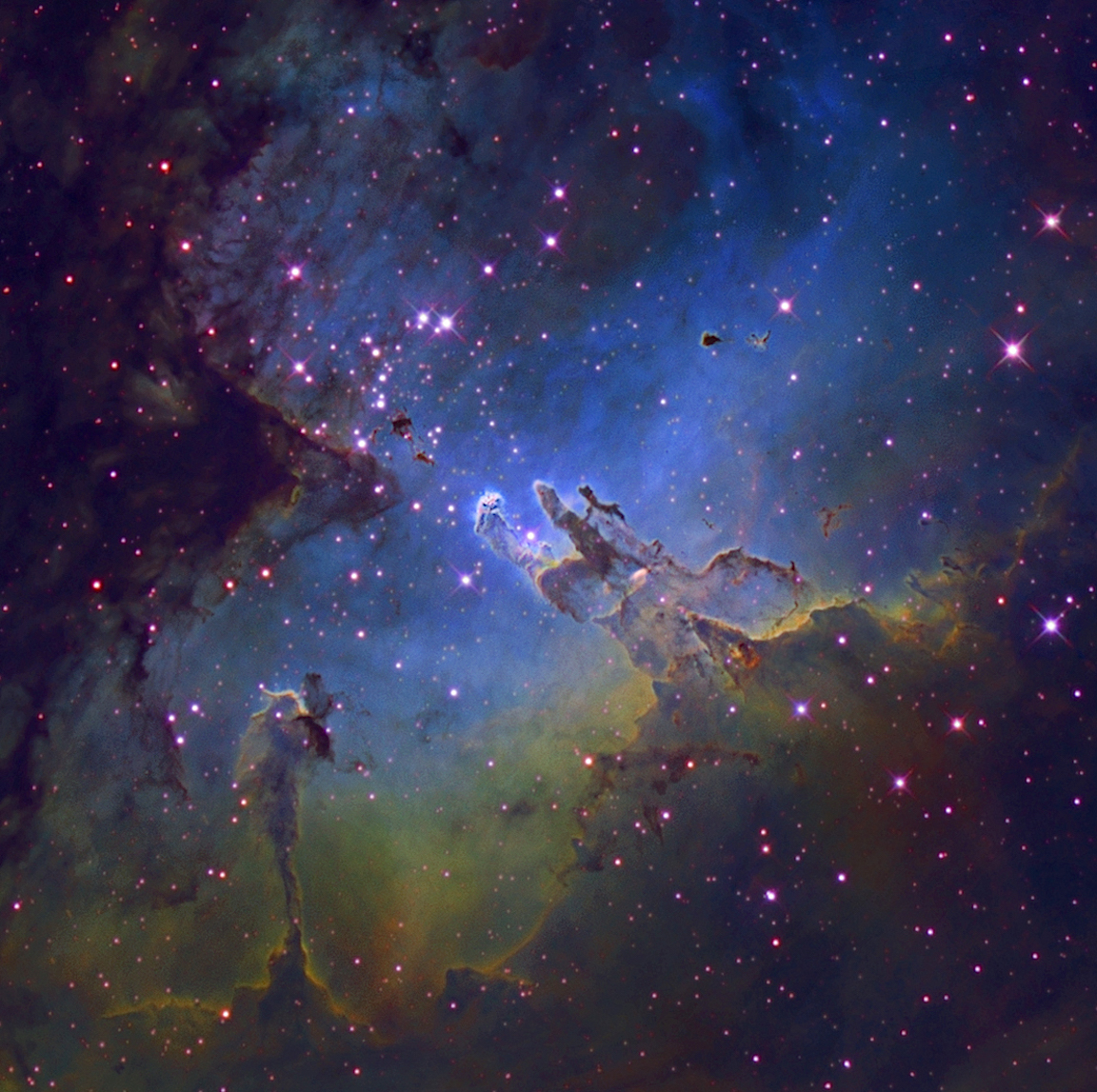
Hot Plasma or Cold Dust?
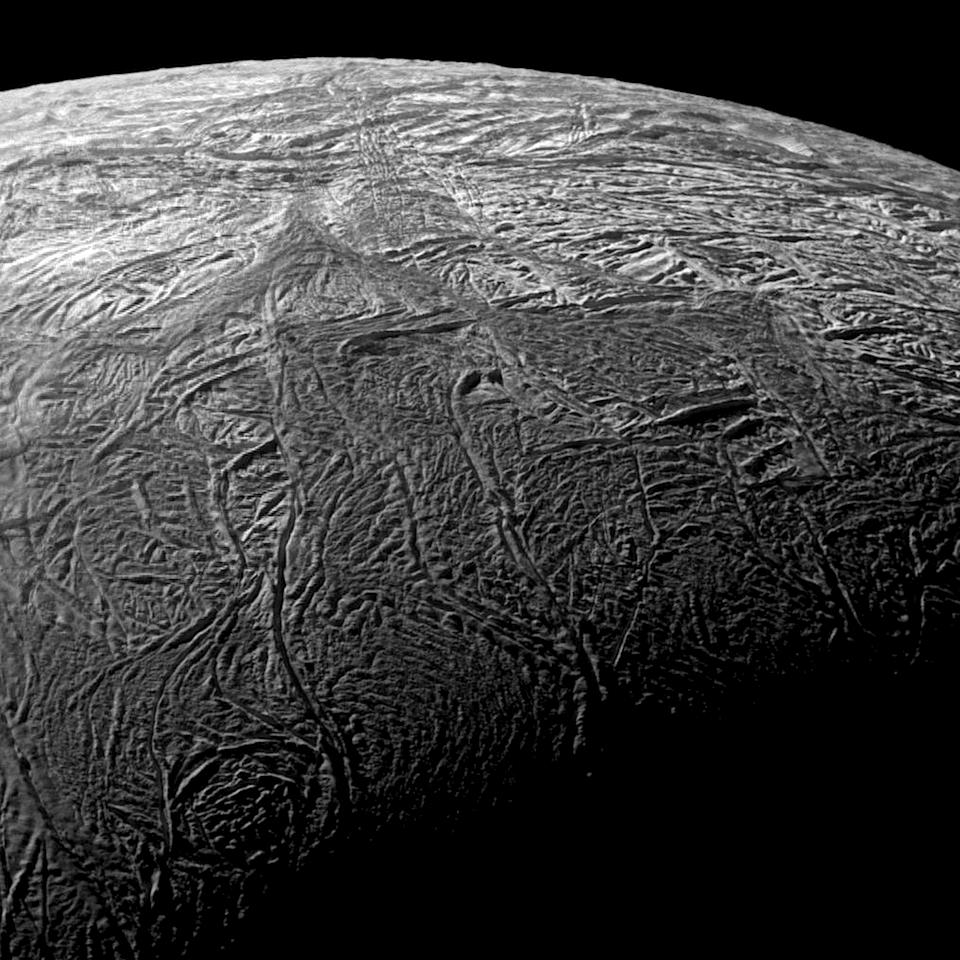
Enceladus is not at Fault
Feb 9, 2015 Plumes of water vapor from Enceladus are not caused by friction. Saturn’s moons are difficult explain when conventional ideas about the composition and age of the Solar System are considered. They vary in composition, orbital inclination, size, and mass. With 62 moons now identified, and 53 of…
Bacterial Batteries?
Feb 05, 2015 More electric biology. A previous Picture of the Day described the way that some single-celled organisms make use of charge exchange in order to drive their flagella. Rather than the conversion of ATP, they move protons along special cellular structures, converting that flow of electric charge into…
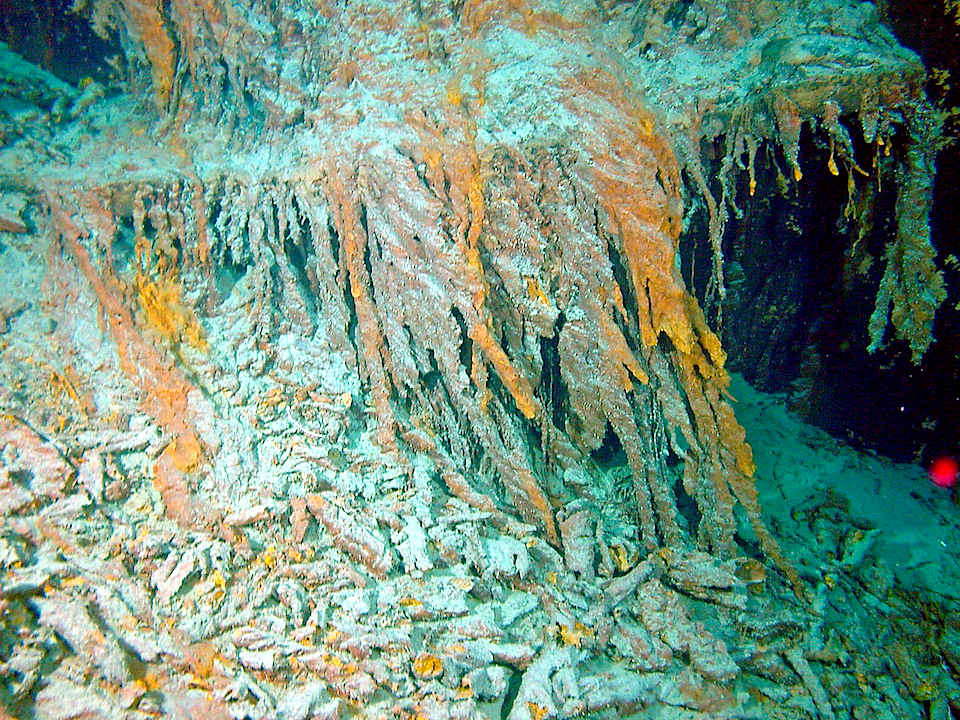
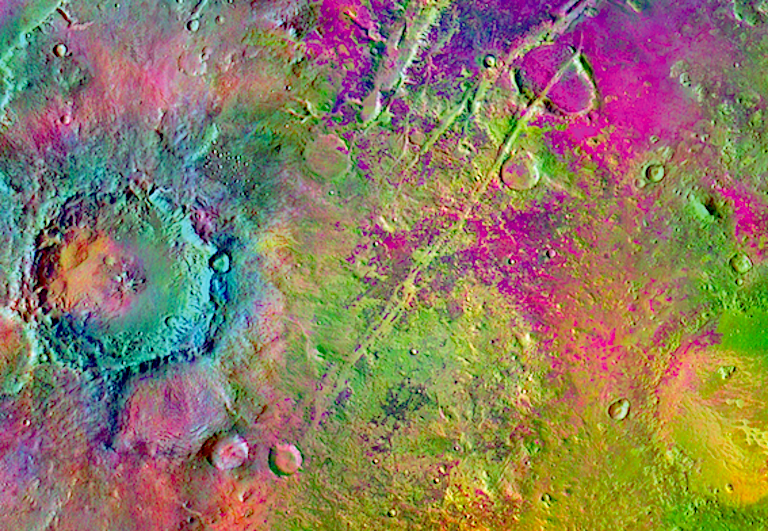
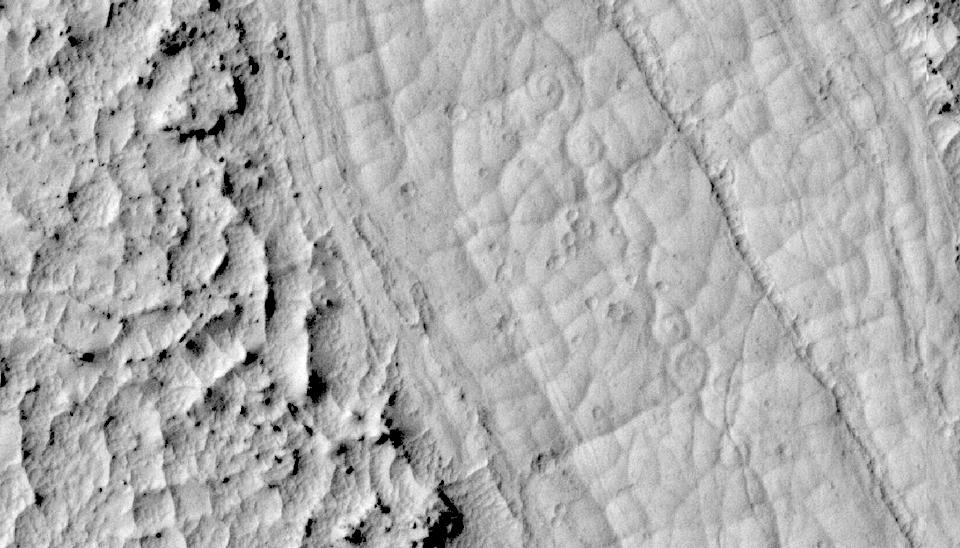
Minerals on Mars
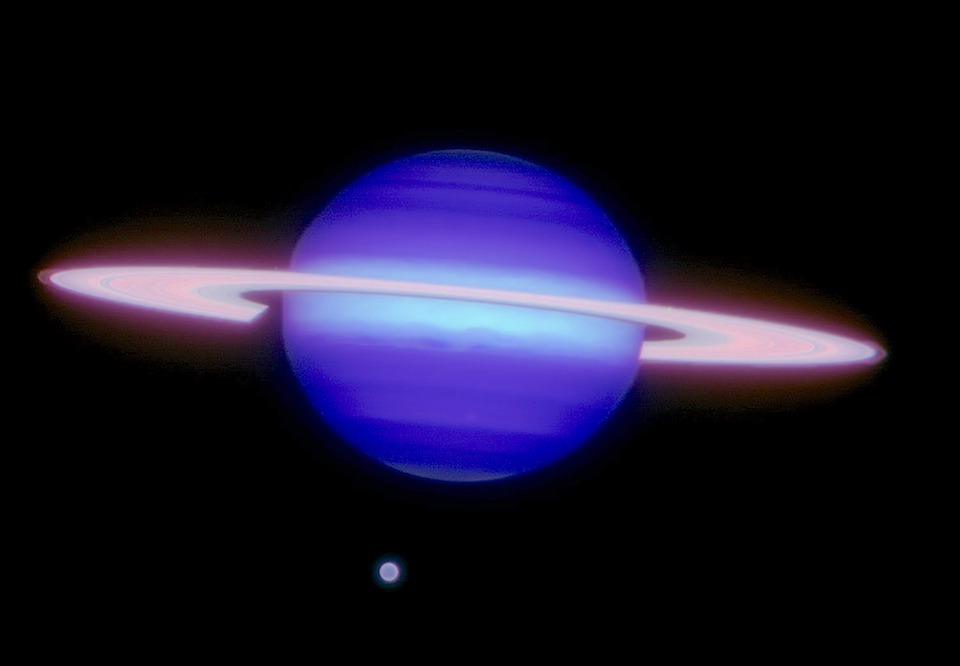
Saturn Supernova
Jan 29, 2015 Shockwave: a compressional wave of high amplitude caused by a shock (as from an earthquake or explosion) to the medium through which the wave travels. The plasmasphere of Saturn is highly energetic, enough so that, when the Cassini orbiter sent images to Earth, lightning up to a million times…
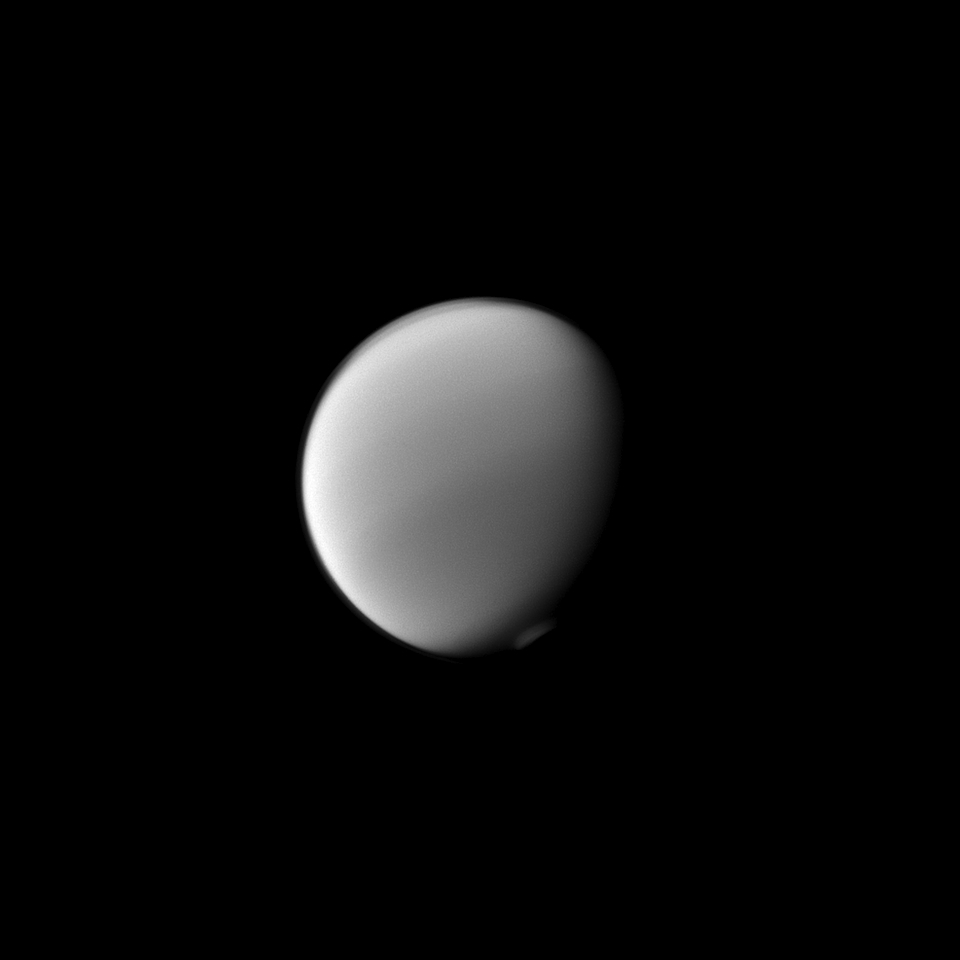
Titan Salsum Mare
Jan 27, 2015 A salty ocean beneath Titan’s ice? NASA launched the Cassini-Huygens spacecraft On October 15, 1997. The bus-sized, six ton payload was the largest deep space mission ever deployed, requiring a seven year journey to Saturn. Cassini-Huygens entered orbit around Saturn on June 30, 2004. Its name has…
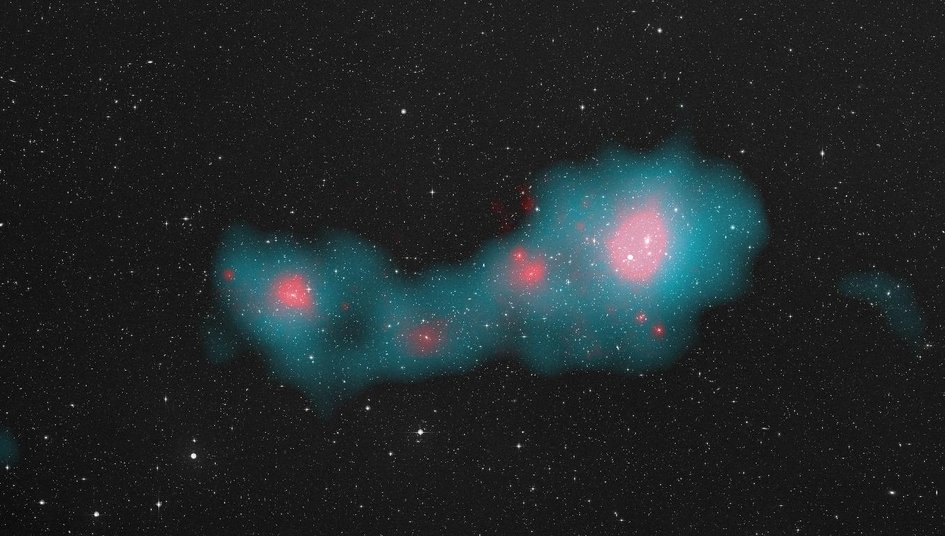
The Great Beguiler
Jan 26, 2015 Galaxy clusters are thought to be pulled by a force emanating from “beyond the horizon” of the Universe. Astronomers believe that the Universe is expanding at an ever accelerating rate. Contemporary theories suggest that galaxies are receding from us because they started out receding from us…
Cellular Plasmas
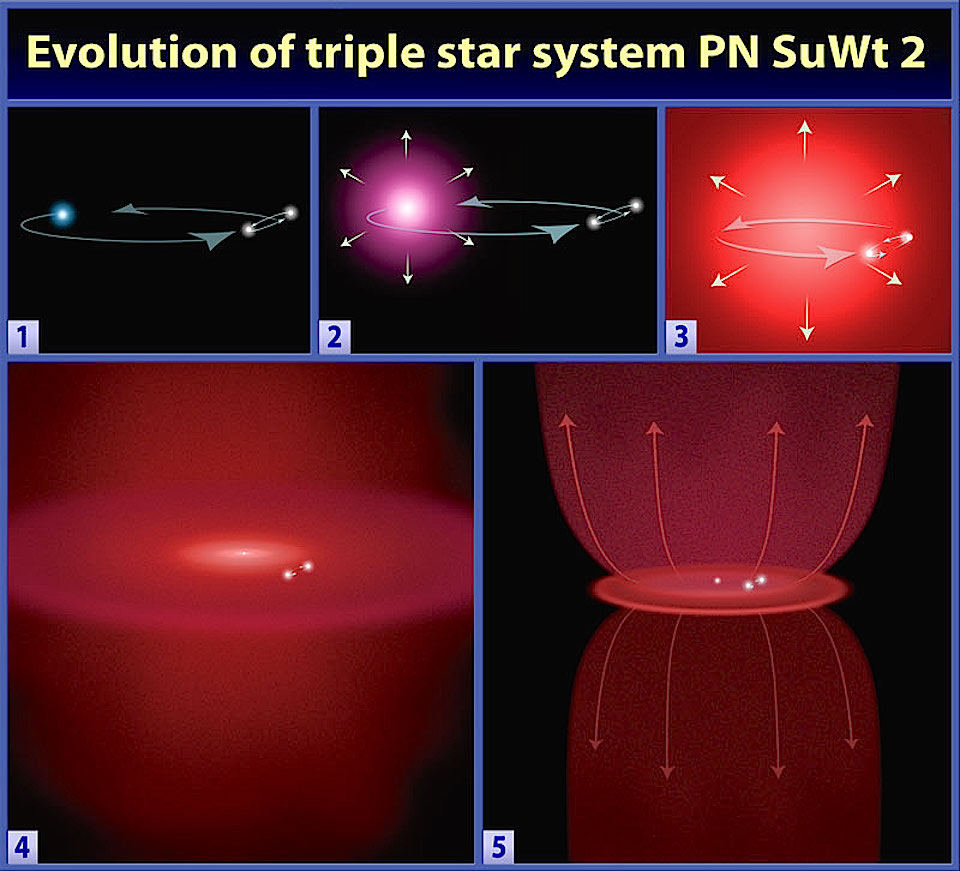
Jan 23, 2015 Astronomical theories predict a white dwarf star that can not be found. In the nuclear view, a planetary nebula is the result of a dying star that has exhausted its hydrogen/helium fuel supply and collapsed under gravitational compression. The stellar implosion rebounds off the core, throwing…