Impressions of Titan
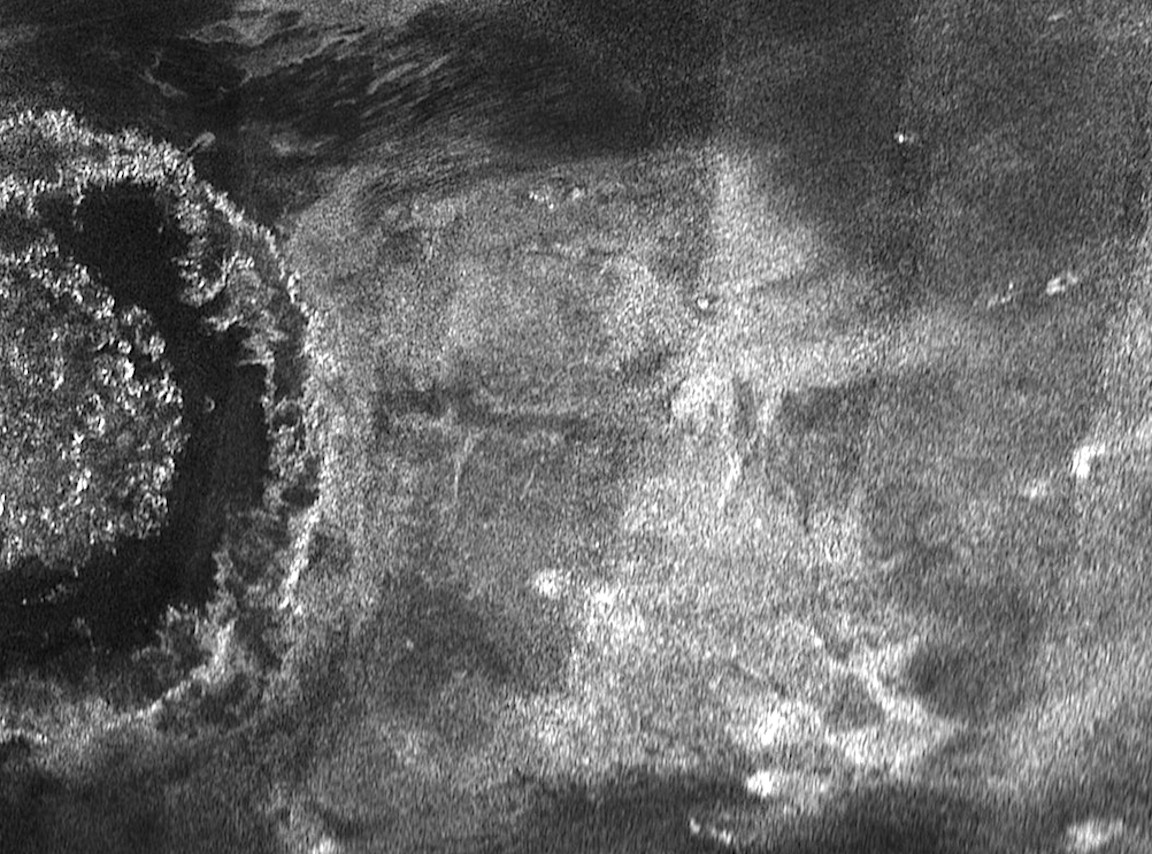
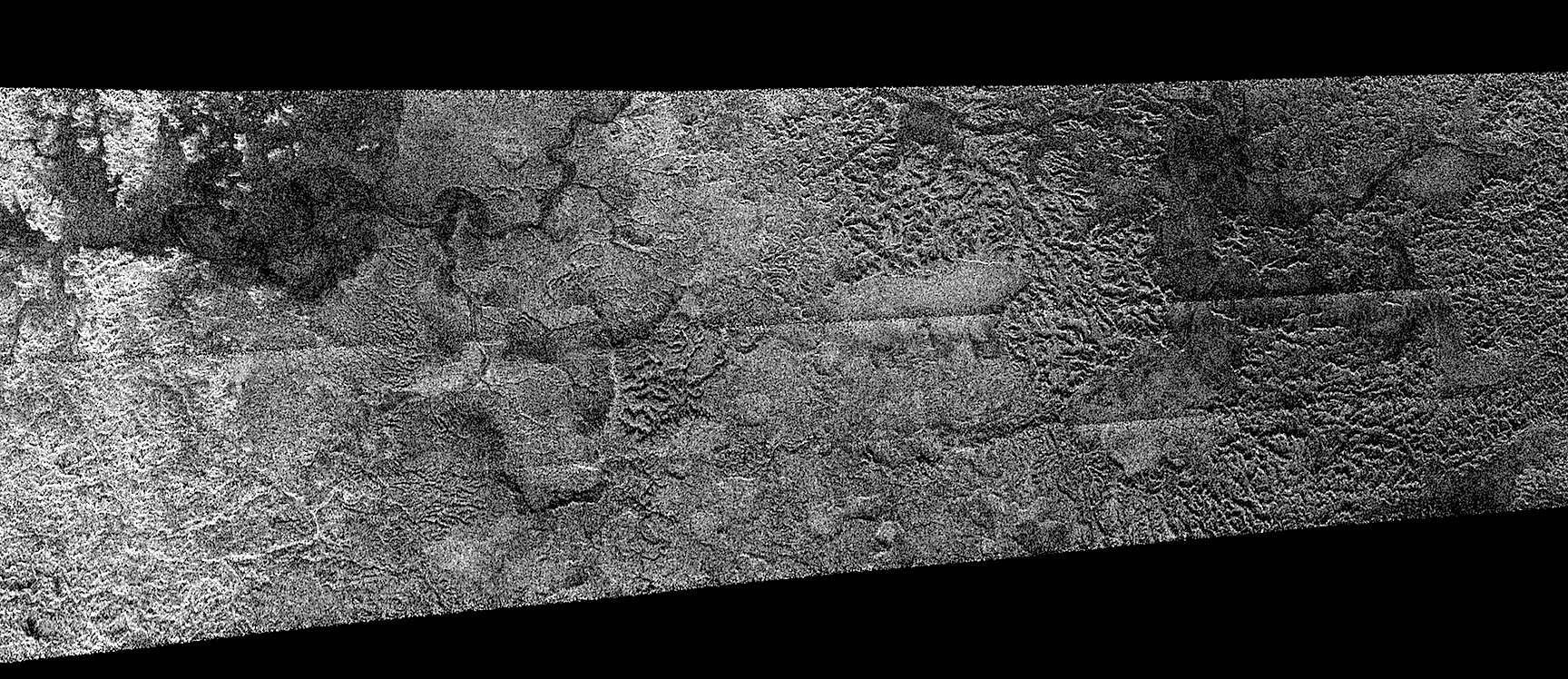
Mar 24, 2014 Lakes are supposed to exist on Titan. Could that be a misinterpretation of electrical effects? The then named Cassini-Huygens mission was launched October 15, 1997 on a mission to explore Saturn and titan, its largest moon. With the Huygens lander included, Cassini was the largest interplanetary…
Collective Quality
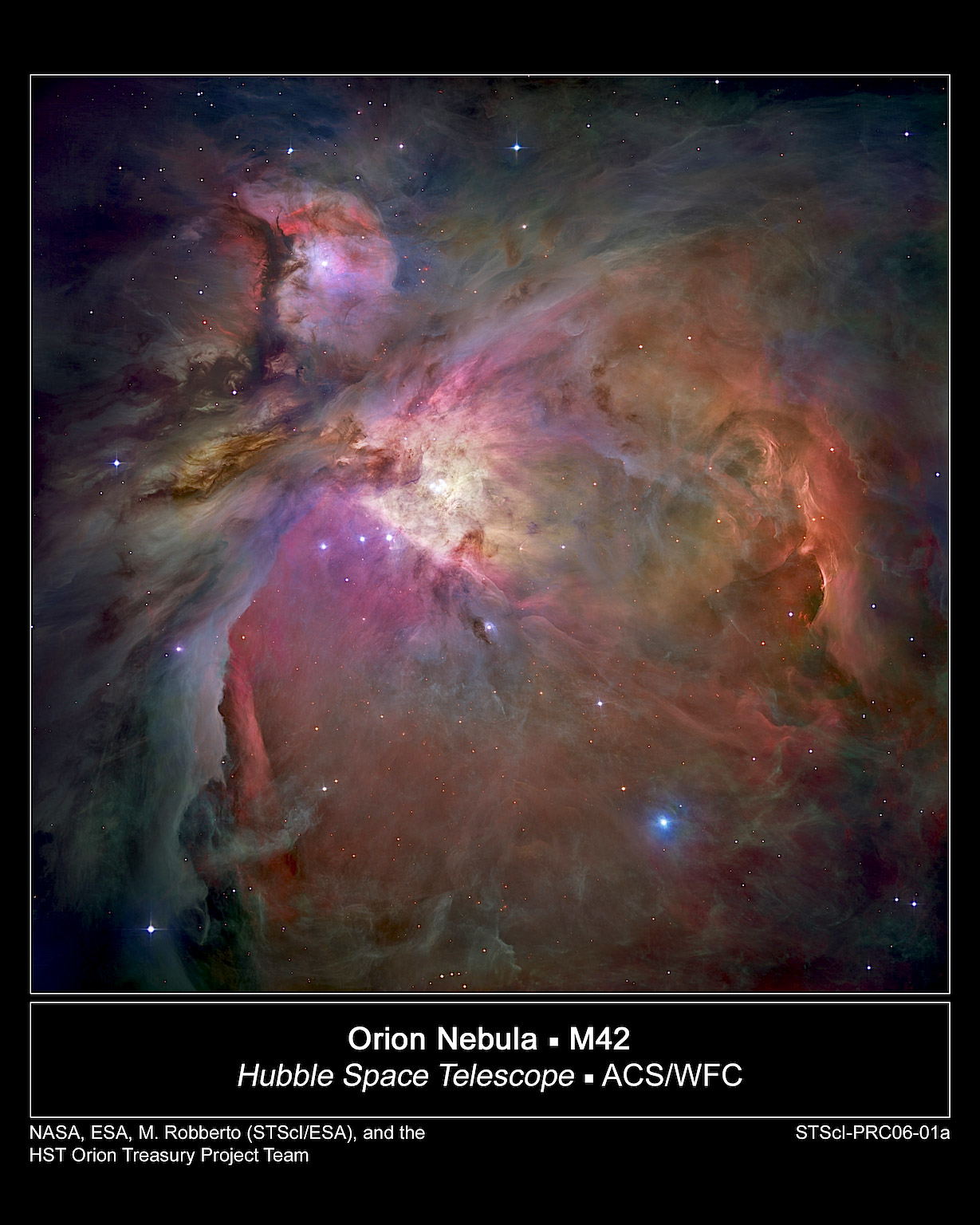
Mar 23. 2015 Filaments in nebulae suggest charge separation in space. The Orion Nebula is visible to the naked eye in the constellation Orion; it is the second star in Orion’s sword. Astrophysicists believe several formations in the cloud are star-forming regions because high frequency light emanates from many active…
Adieu MESSENGER
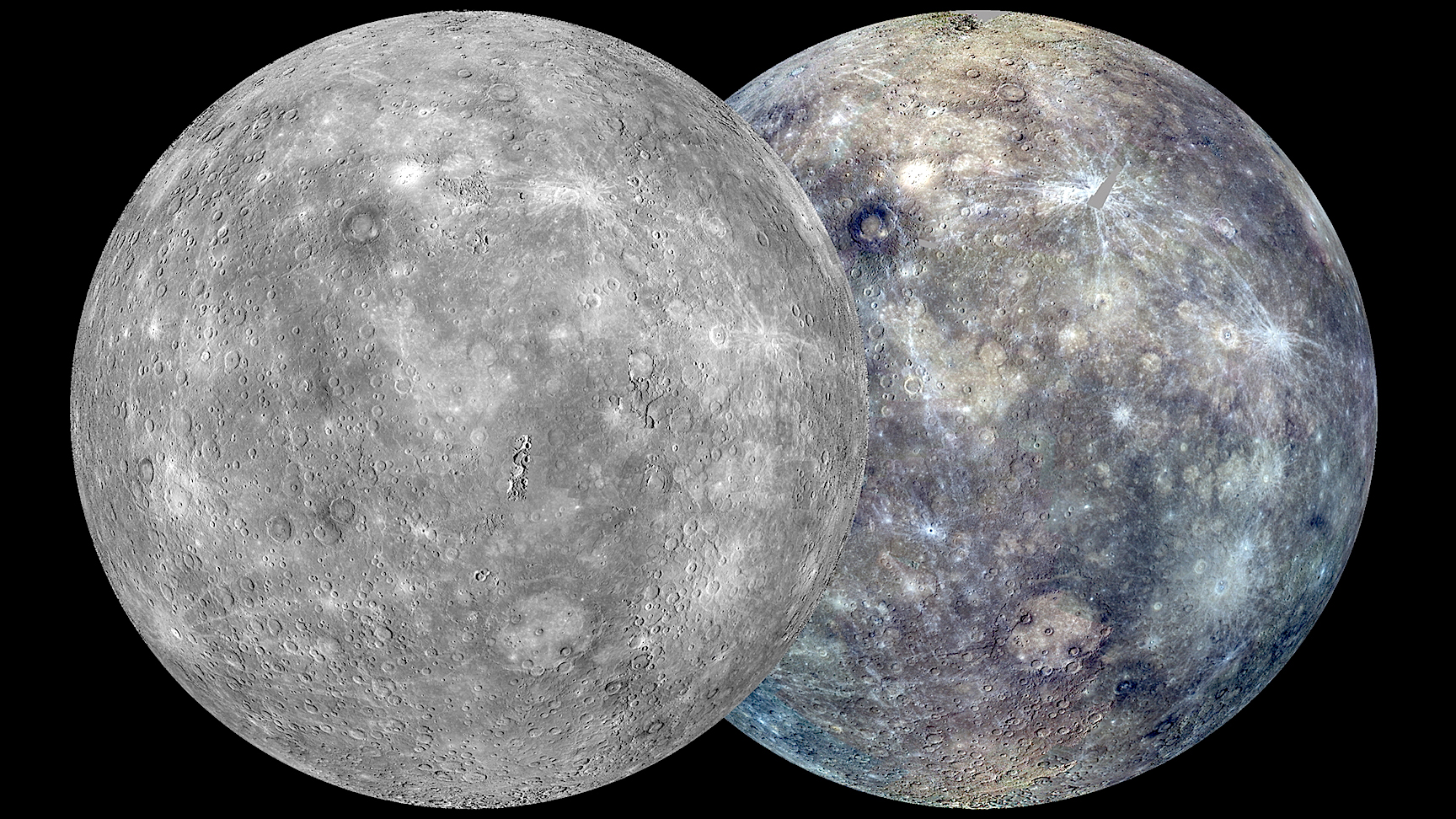
Mar 20, 2015 After four years in orbit, MESSENGER is nearing the end of its life. On August 3, 2004, NASA launched the Mercury Surface, Space Environment, Geochemistry and Ranging (MESSENGER) experiment from Cape Canaveral. After traveling nearly eight billion kilometers, the 485 kilogram spacecraft initiated orbital insertion…
Star Drive
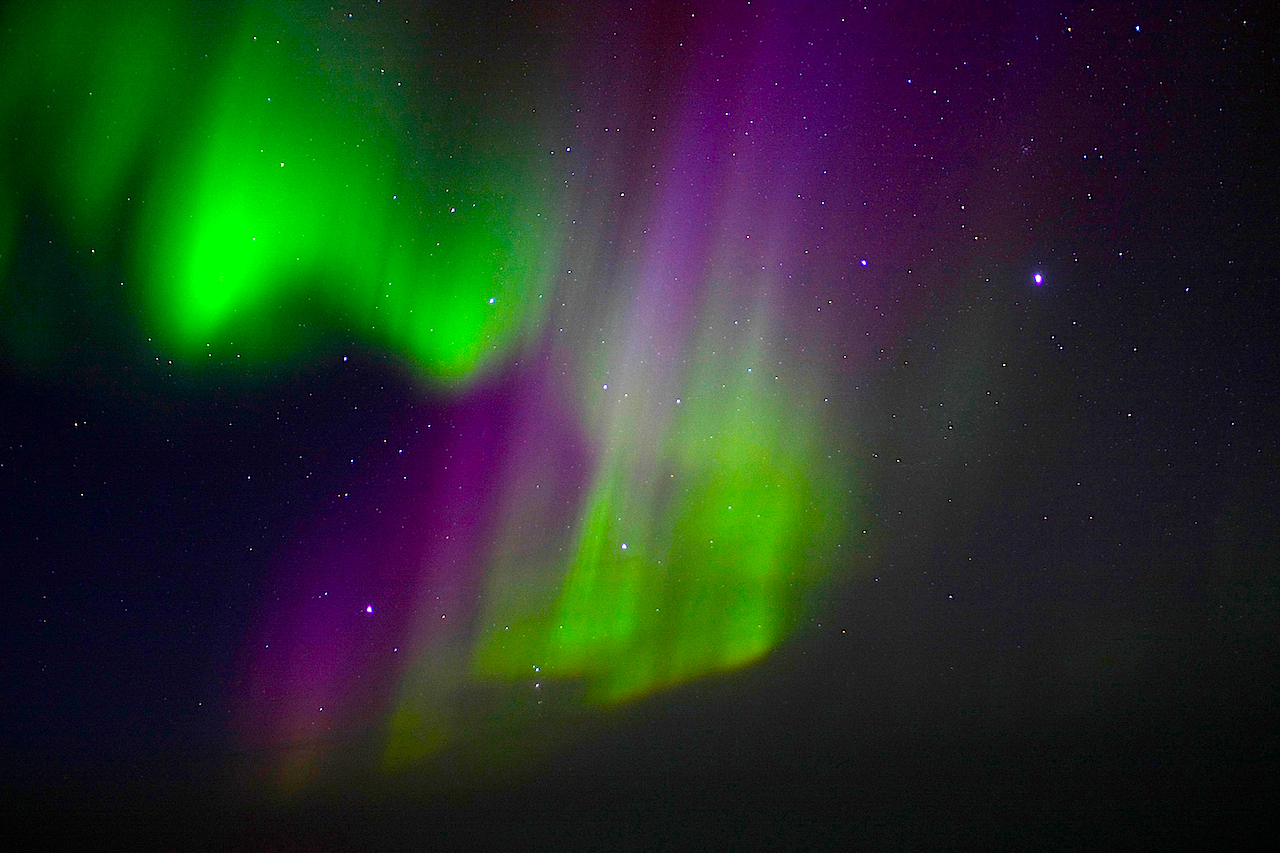
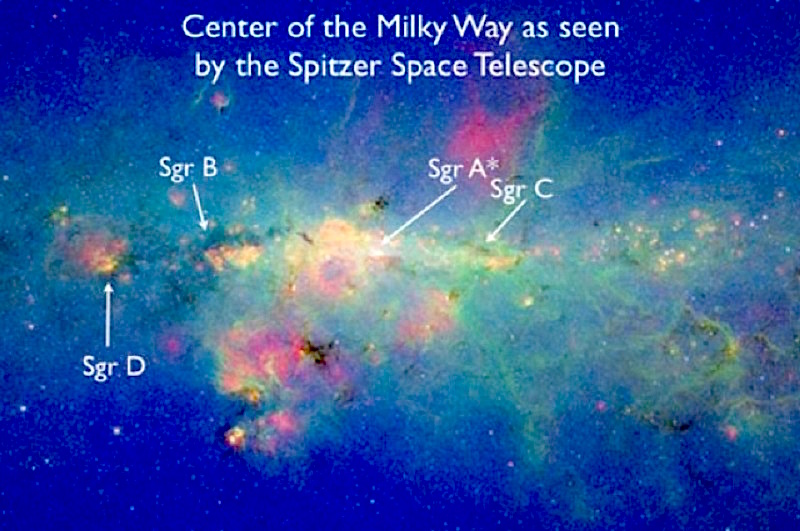
Mar 19, 2015 Electric Universe theory assumes Earth and the Sun are electrically connected. Previous Picture of the Day articles discuss the linkages between the flow of electric charge through the galaxy, solar electric currents, and terrestrial electric currents. Earth’s environment is also driven by those cosmic electrical circuits, but…
Fixing a Hole
Titanic Sculpture
Unfaithful Geysers
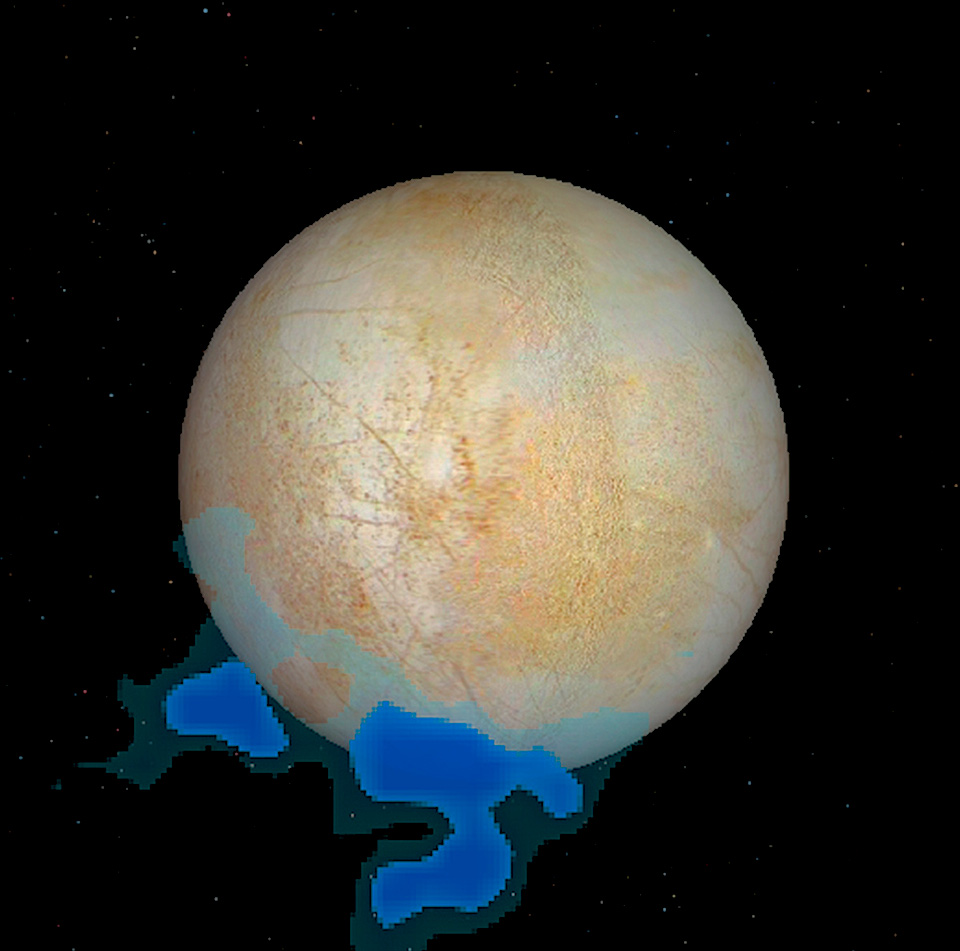
Mar 12, 2015 Previously detected “plumes” on Europa are no longer visible. When Voyager 1 flew by Europa on March 1979, planetary scientists were surprised to see that the moon seemed to be completely encased in water ice. Another surprise was that Europa exhibited few craters. Instead, its surface is…
Hot Under the Collar
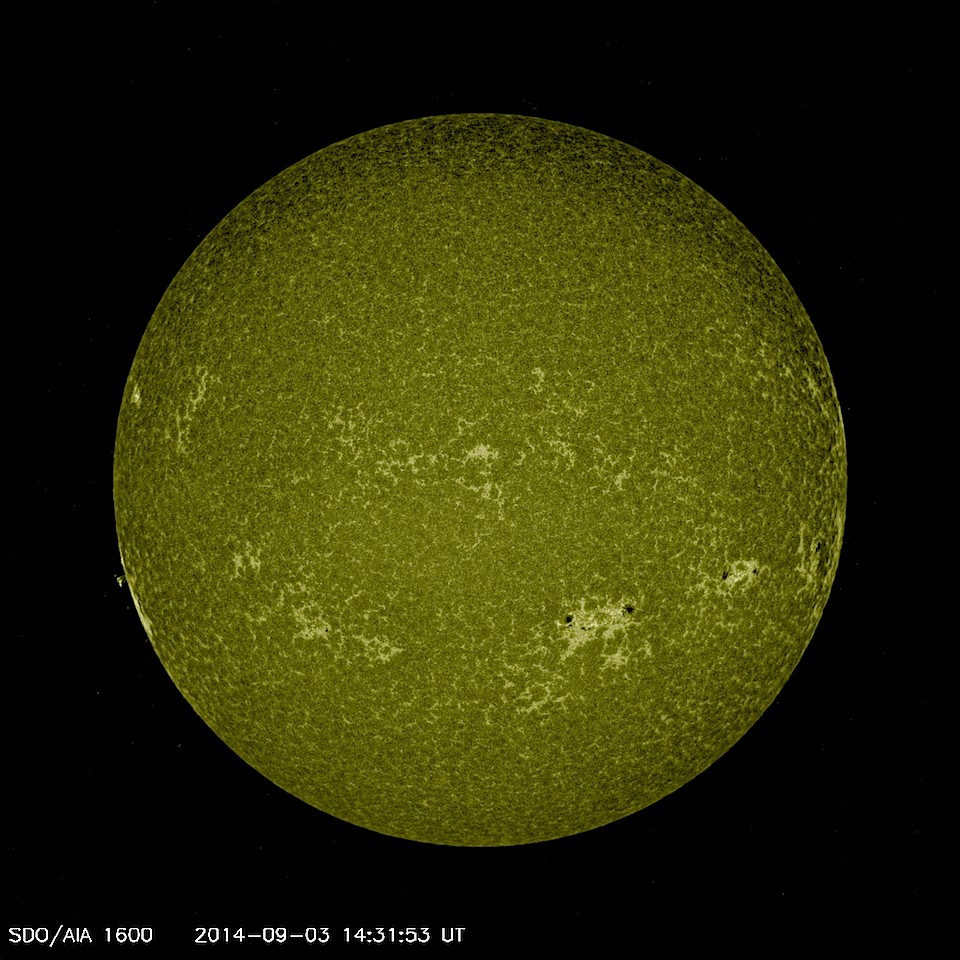
Mar 10, 2015 A recent coronal mass ejection could be headed toward Earth. “A day without sunshine is like, you know, night.” — Steve Martin According to the Electric Sun hypothesis, the Sun is a positively charged electrode within a vast, galactic electric circuit. As previously written, the negative electrode…
Time Will Tell
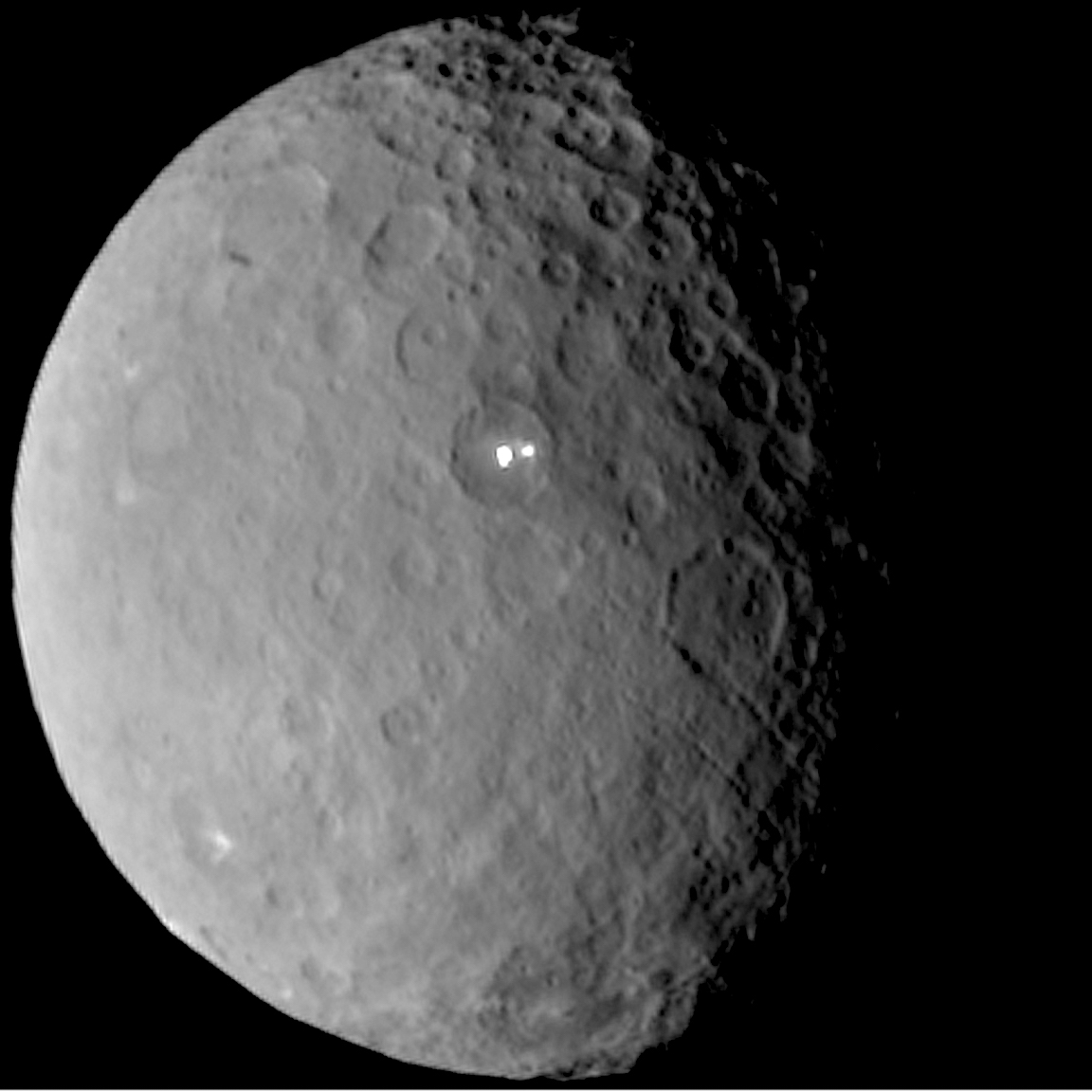
Mar 9, 2015 The Dawn spacecraft achieves another historical first. Ceres captured the Dawn spacecraft in its gravity field at a distance of 61,000 kilometers at 7:39 AM EST on Friday, March 6, 2015, after spending several months in orbits around asteroid Vesta. Three ion propulsion engines enabled Dawn…