Electromagnetic Fire

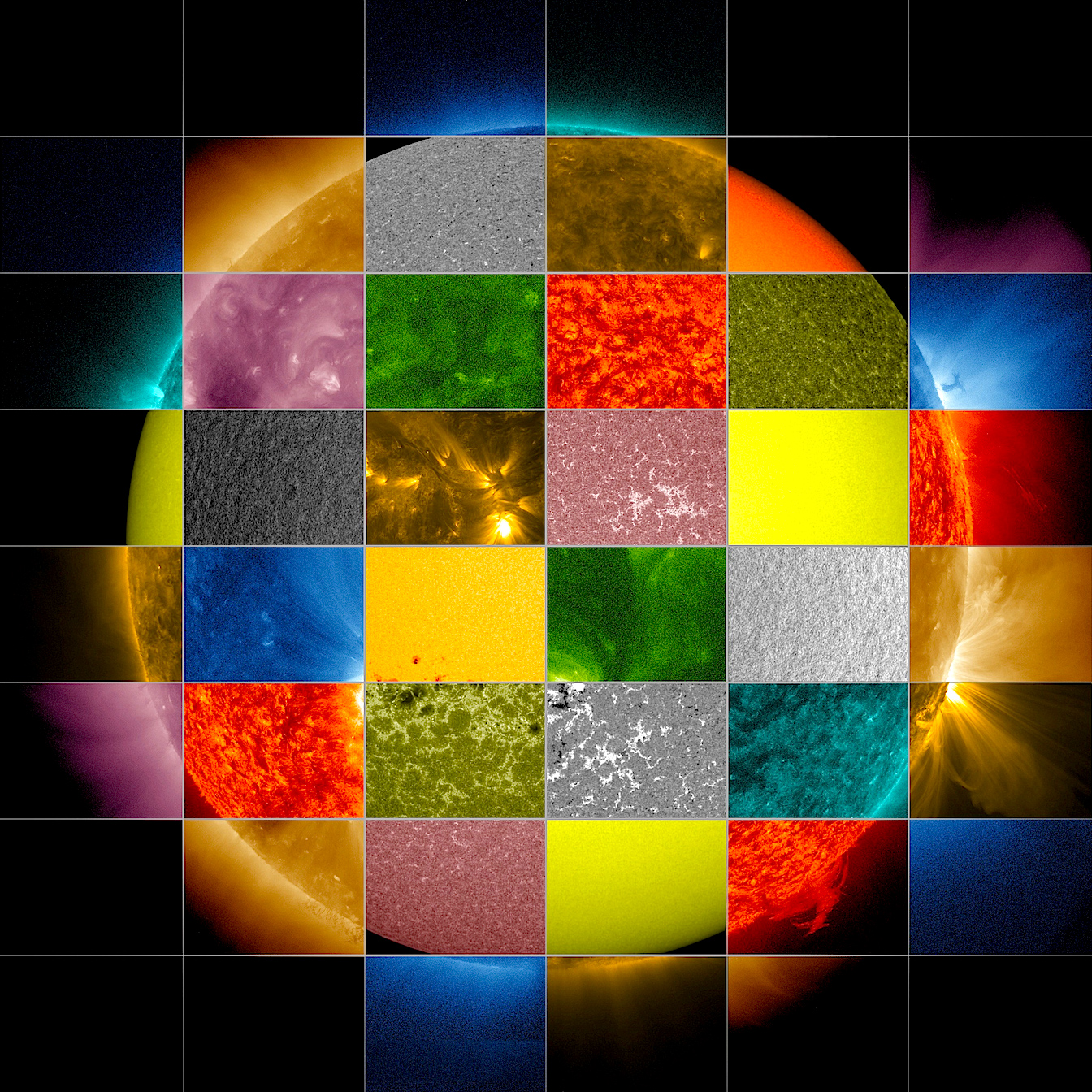
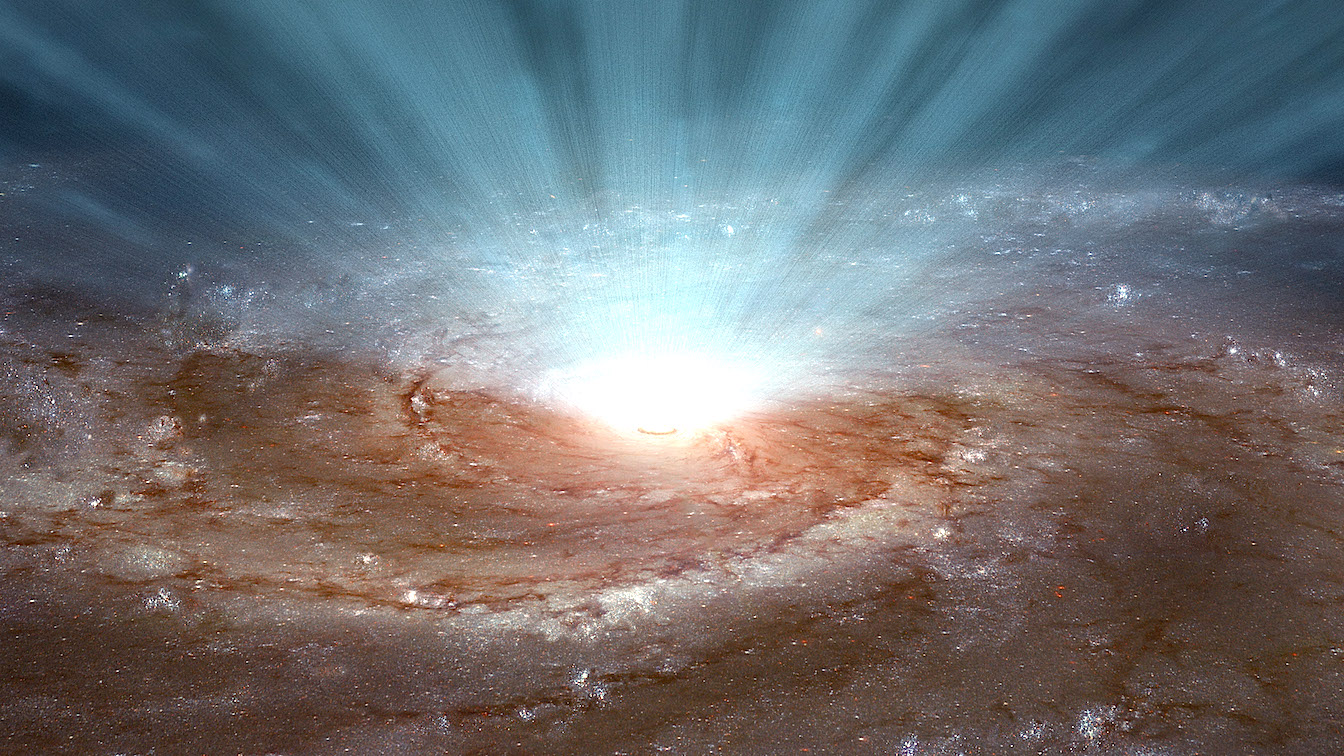
  Sep 4, 2015 It is an electronic Sun. Various components coupled to and driven by electric circuits in space comprise the heart of Electric Universe theory. Charged particles accelerating through powerful electric fields radiate energy in many bandwidths. Glowing, braided filaments are sometimes visible in “jets” that blast out…
Continue reading

Turbulent Encounters

  Sep 1, 2015 Do convection currents and vibrating magnetic field lines create the dynamic phenomena observed on the Sun? In the electric model of stars, the Sun is a positively charged electrode in a circuit, while the negatively charged electrode is located far beyond the planetary orbits. The “virtual cathode”…

Continue reading

Juiced Up

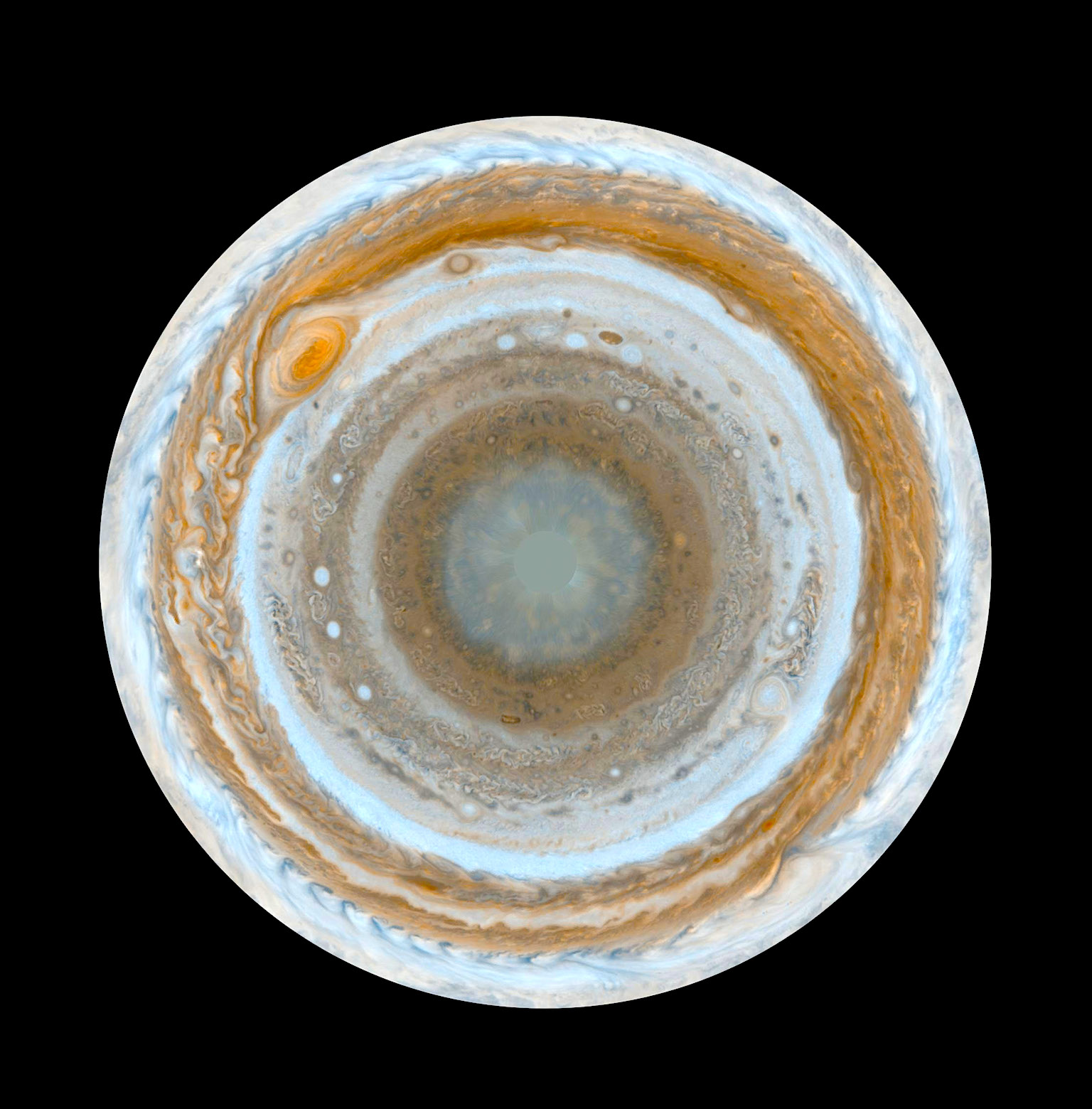
  Aug 28, 2105 Massive electric weather phenomena. Previous Picture of the Day articles describe Earth as an electrically charged object: it maintains an electric field at its surface of between 50 and 200 volts per meter. In other words, for every meter of altitude the voltage increases. Electromagnetic fields…

Continue reading

Mon R2

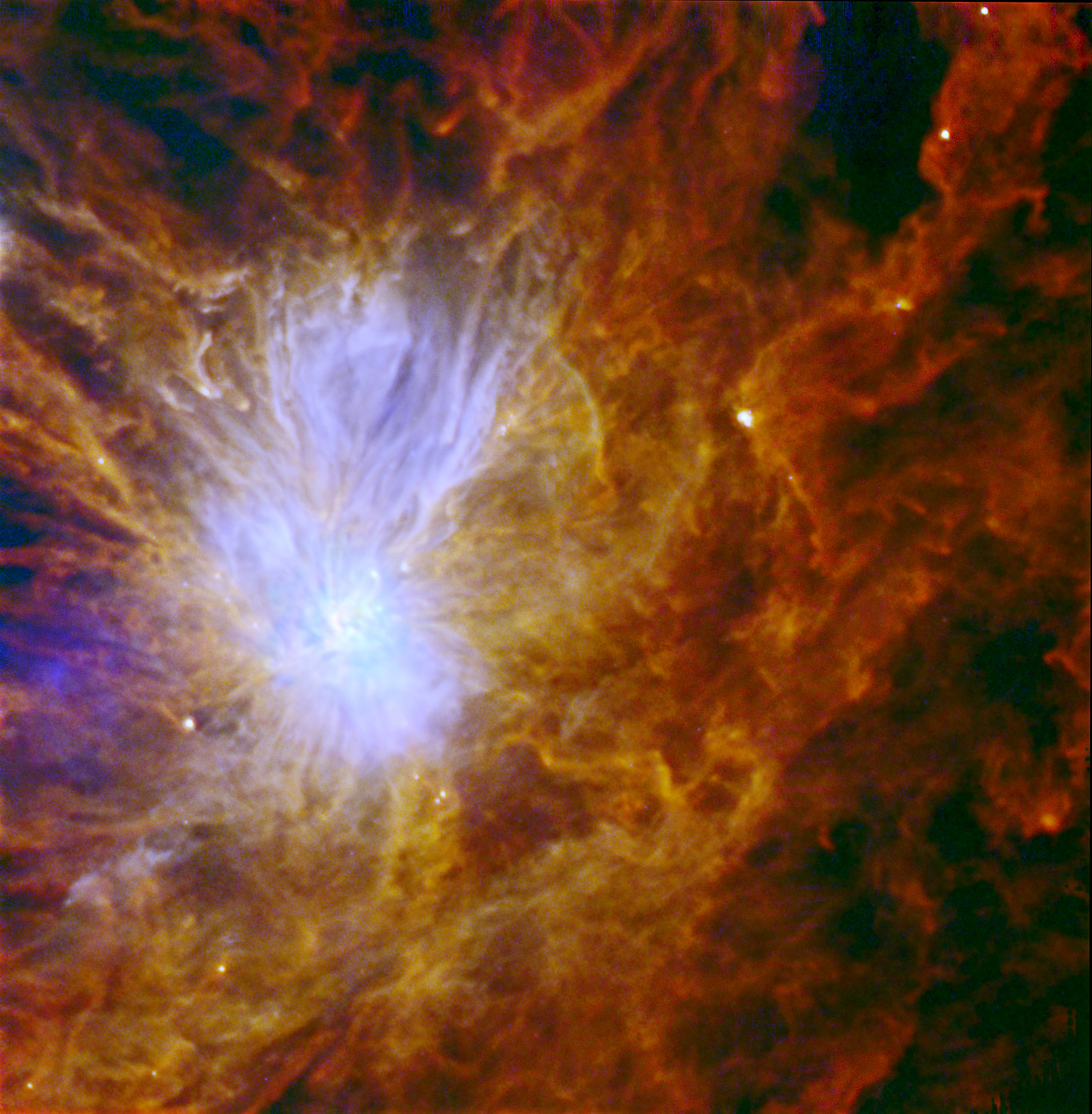
  Aug 26, 2015 Another electrically powered nebula. The standard model of star formation proposes that new stars result from compression waves passing through clouds of dust and gas. It is thought that supernovae explosions from elsewhere in the galaxy push nebulae into a star making process based on gravitational…

Continue reading

X-ray Eruption

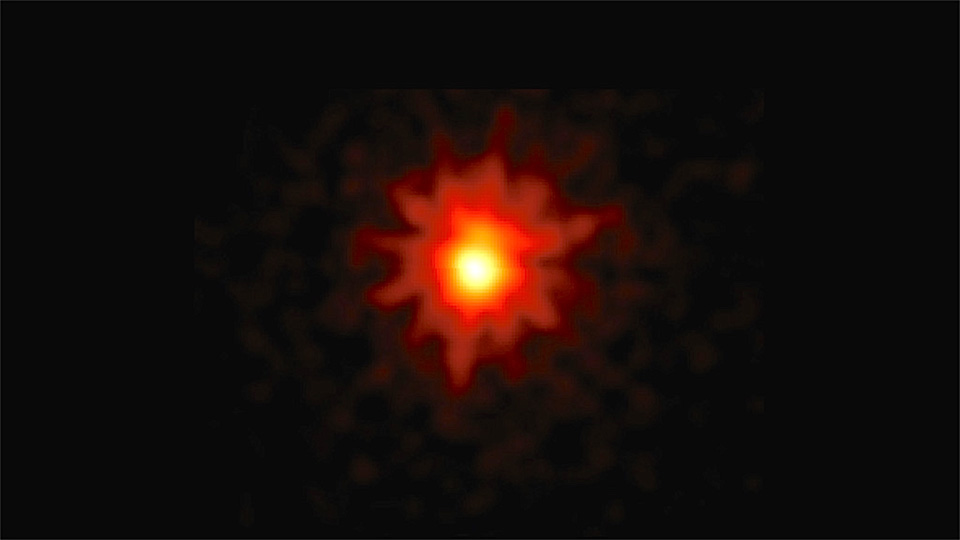
  Aug 25, 2015 Stellar flares are seen in unexpected places. In a September 30, 2014 press release, NASA officials from the Goddard Space Flight Center announced that their SWIFT satellite detected a stellar flare with X-ray emissions larger than anything they expected to witness from DG Canum Venaticorum, a…

Continue reading

Thermal Axes

  Aug 21, 2015 Hot polar regions are common among planets and moons. Scientists using the Very Large Telescope (VLT) discovered a ten degree Celsius temperature difference above the polar region of Neptune. Another consideration that has not been published regarding Neptune’s polar thermocline, is that the “hot spots” can…

Continue reading

Crystal Comets

Comet_activity_22_November_2014

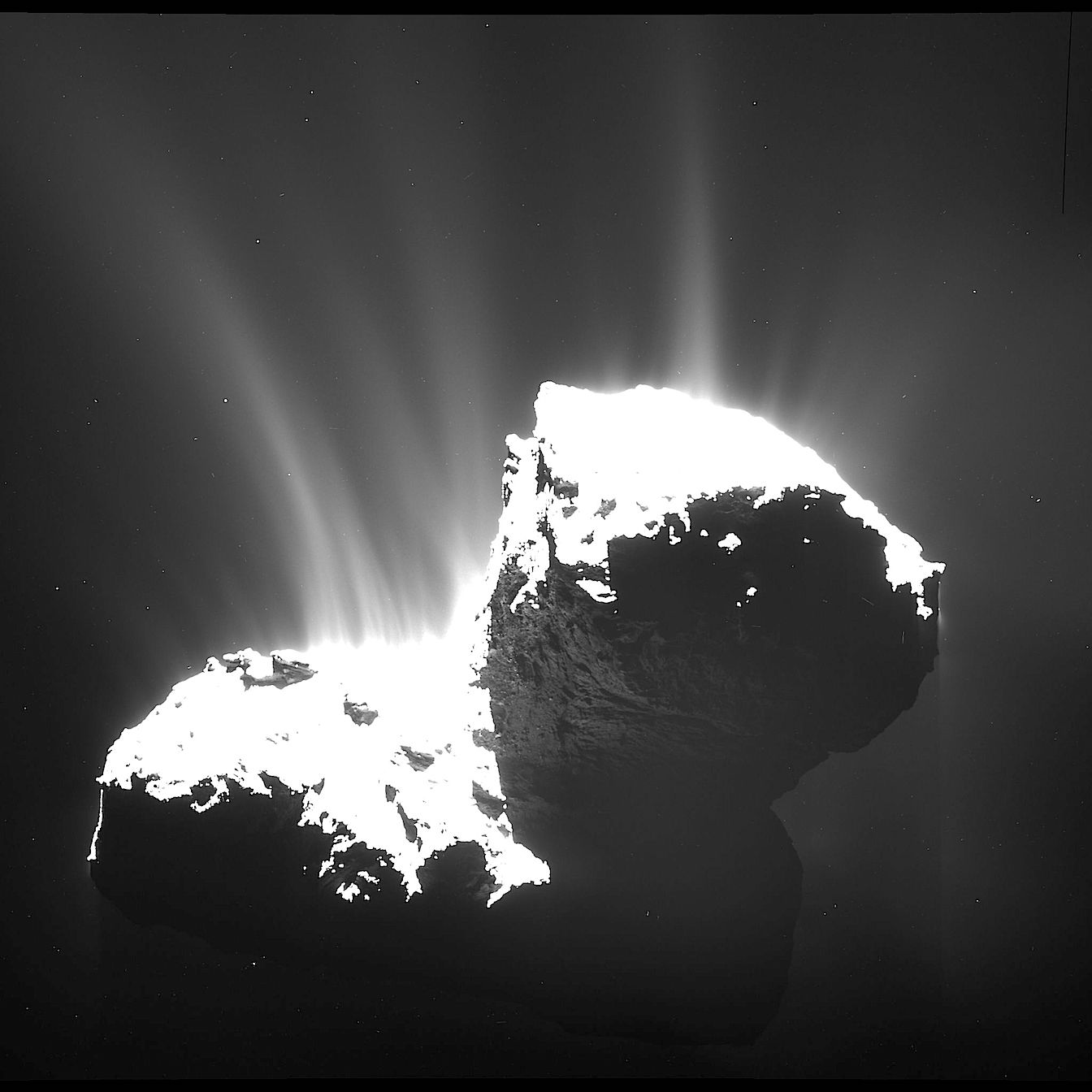
  Aug 20, 2015 The “dusty snowball” theory of comets needs attention, since there are crystals that need high temperatures to form in the matrix of at least two. Recently, the composition of comet 67P/Churyumov-Gerasimenko (67P/C-G) was discussed in the scientific press. It is only in the last few months that…

Continue reading