The Ties that Bind

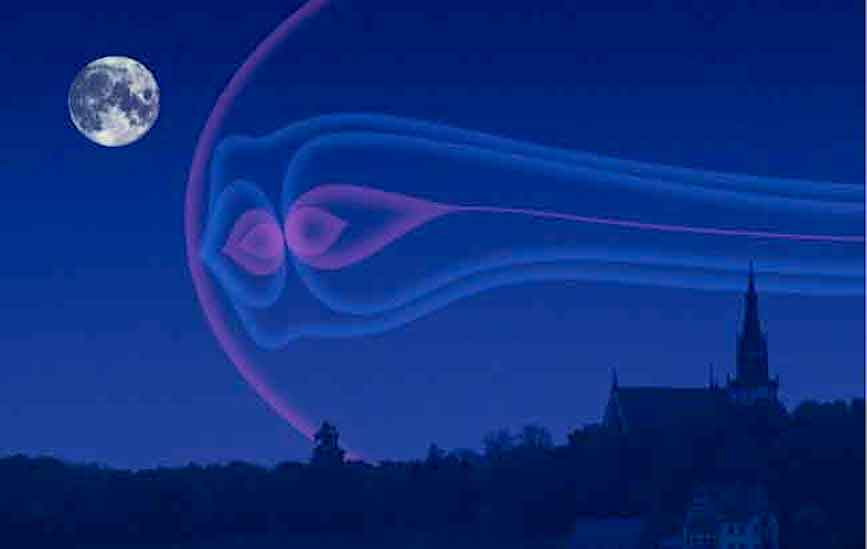
  Sep 23, 2015 Earth and the Sun are joined together. The four Magnetospheric Multiscale Satellites (MMS) were launched March 12, 2015 on a mission to study the magnetic field around Earth, especially what scientists like to call “magnetic reconnection” events. According to the theory, when magnetic field lines cross…

Continue reading

Petrified Thoughts

  Sep 21, 2015 Earth should not be used to explain the Solar System. Previous Pictures of the Day discuss dune-like formations in various locales, except they are seen on other celestial bodies, such as Saturn’s planet-sized moon, Titan. Along with the extraterrestrial example, Australia’s Simpson desert contains 1240 parallel,…

Continue reading

Heat Death

  Sep 18, 2015 Is it going to be a dark future? “Don’t wake me for the end of the world unless it has very good special effects.” — Roger Zelazny Since the early days of cosmological speculations, especially after the introduction of Big Bang theory, three competing ideas about…

Continue reading

Swan Song

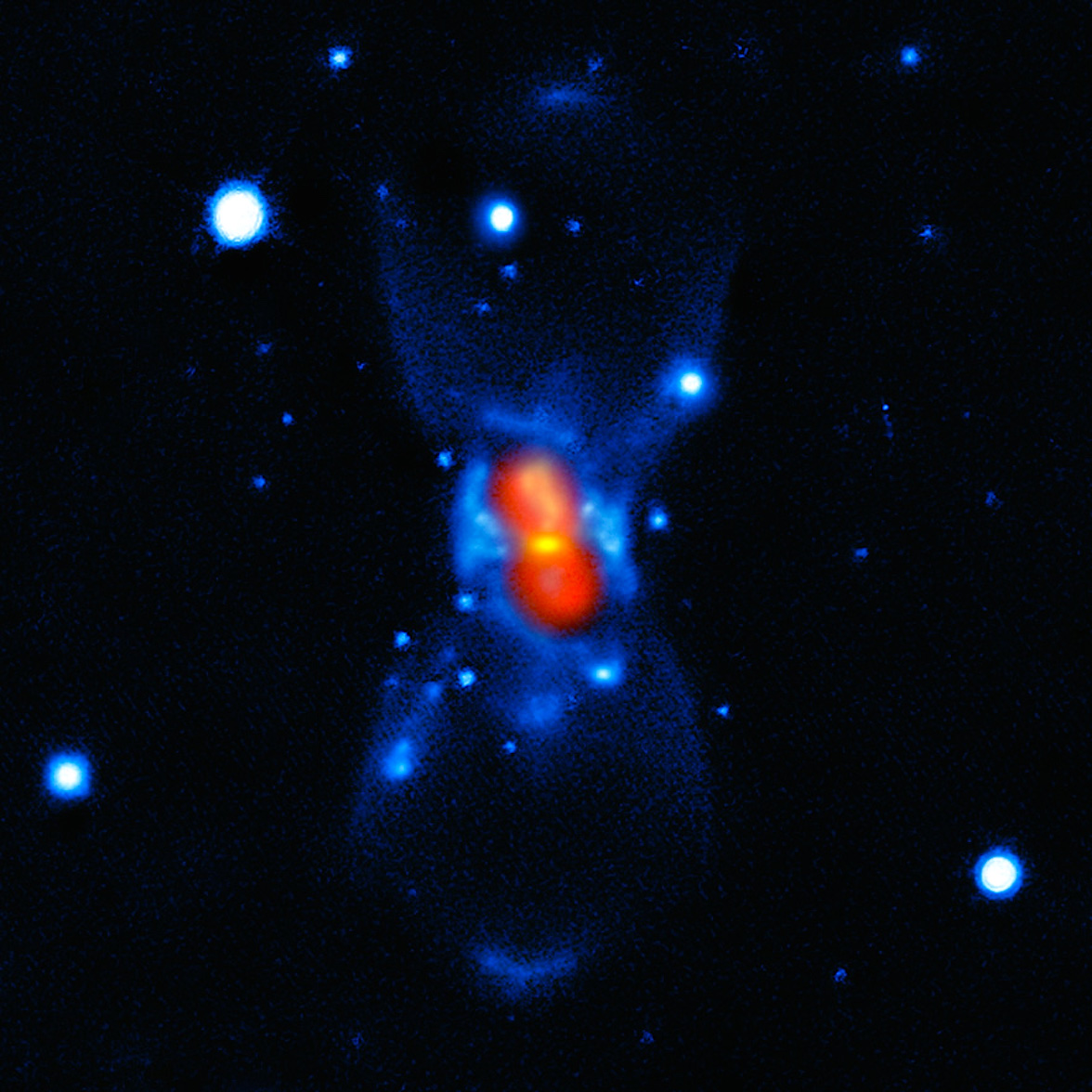
  Sep 16, 2015 Electrical activity creates the nova phenomenon. A nova explosion is thought to take place when a smaller white dwarf star in orbit around a larger companion draws matter onto its surface. Gravity compresses the gas and dust until, at a critical threshold the accreted material reaches…

Continue reading

The Ring is a Barrel

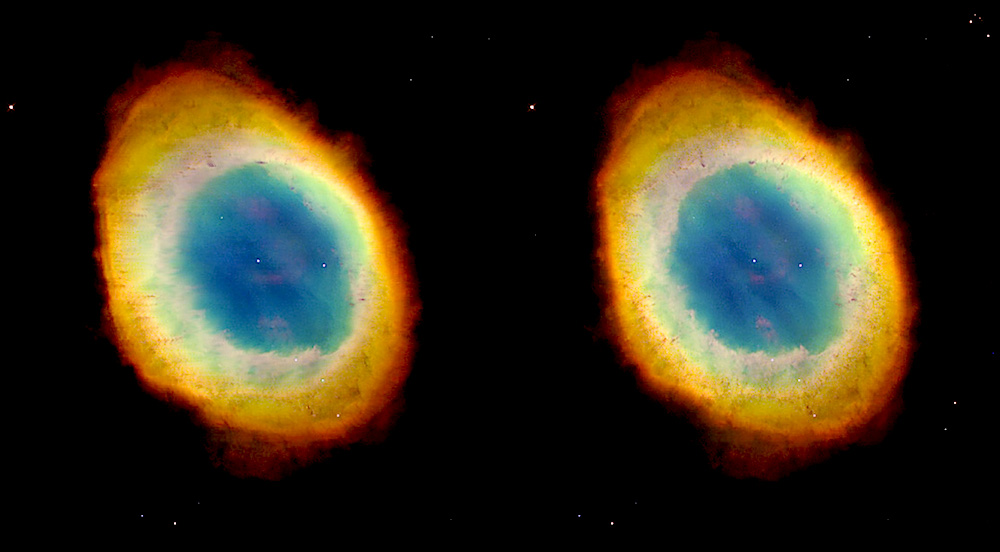
  Sep 15, 2015 The Ring Nebula could be called the “Tube Nebula”. “Bipolar outflow” is a term often used to describe the nebular structure seen above, although the cause of the effect remains baffling to consensus astronomers. The prevailing opinion is that nebular structures form “knots” because gases and…

Continue reading

Ice on Mars?

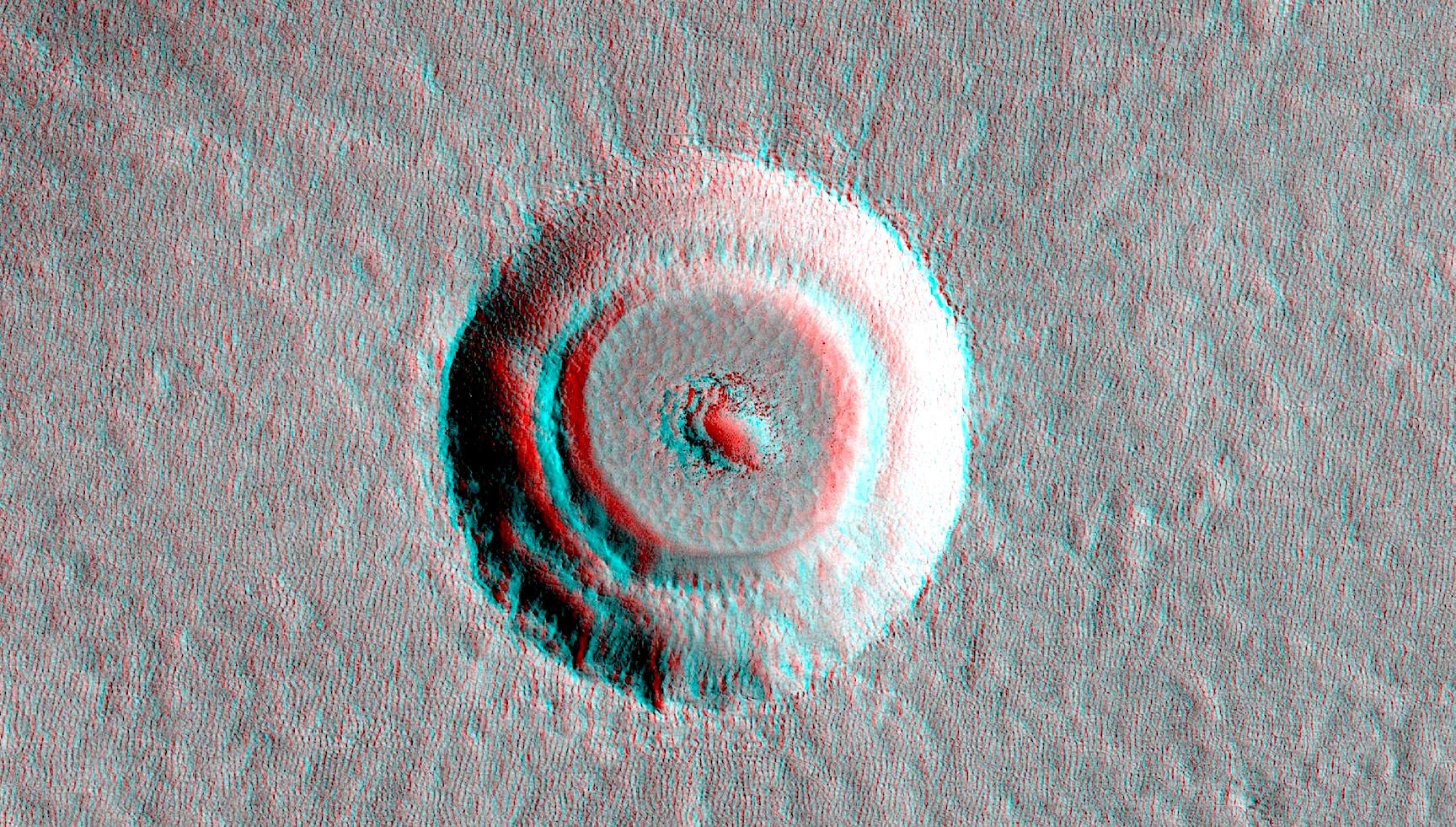
  Sep 14, 2015 Recent data suggests large amounts of water ice beneath the surface. No other celestial body is so extensively studied as Mars. The primary goal of robotic wanderers on its surface, as well as “eyes in the sky” from satellite observatories, is to provide data for the…

Continue reading

Dynamic Jupiter

If Jupiter's magnetosphere were in glow mode, it would be the largest structure visible in the night sky. Credit: NASA

  Sep 10, 2015 Could two dynamos made of hydrogen create Jupiter’s magnetosphere? Jupiter is the largest of all the planets. At 142,984 kilometers in diameter at its equator, it is so large that all the other planets could fit within its volume. Jupiter rotates so fast that a day lasts…

Continue reading

Cometary Moon

  Sep 8, 2015 Enceladus shares characteristics with comets. Proponents of mainstream viewpoints are slowly beginning to realize that asteroids and comets exist in a continuum: neither are strictly identical nor completely different from the other. For example, when the Stardust mission returned to Earth with samples from the coma of…

Continue reading