Hot Plasma or Cold Dust?

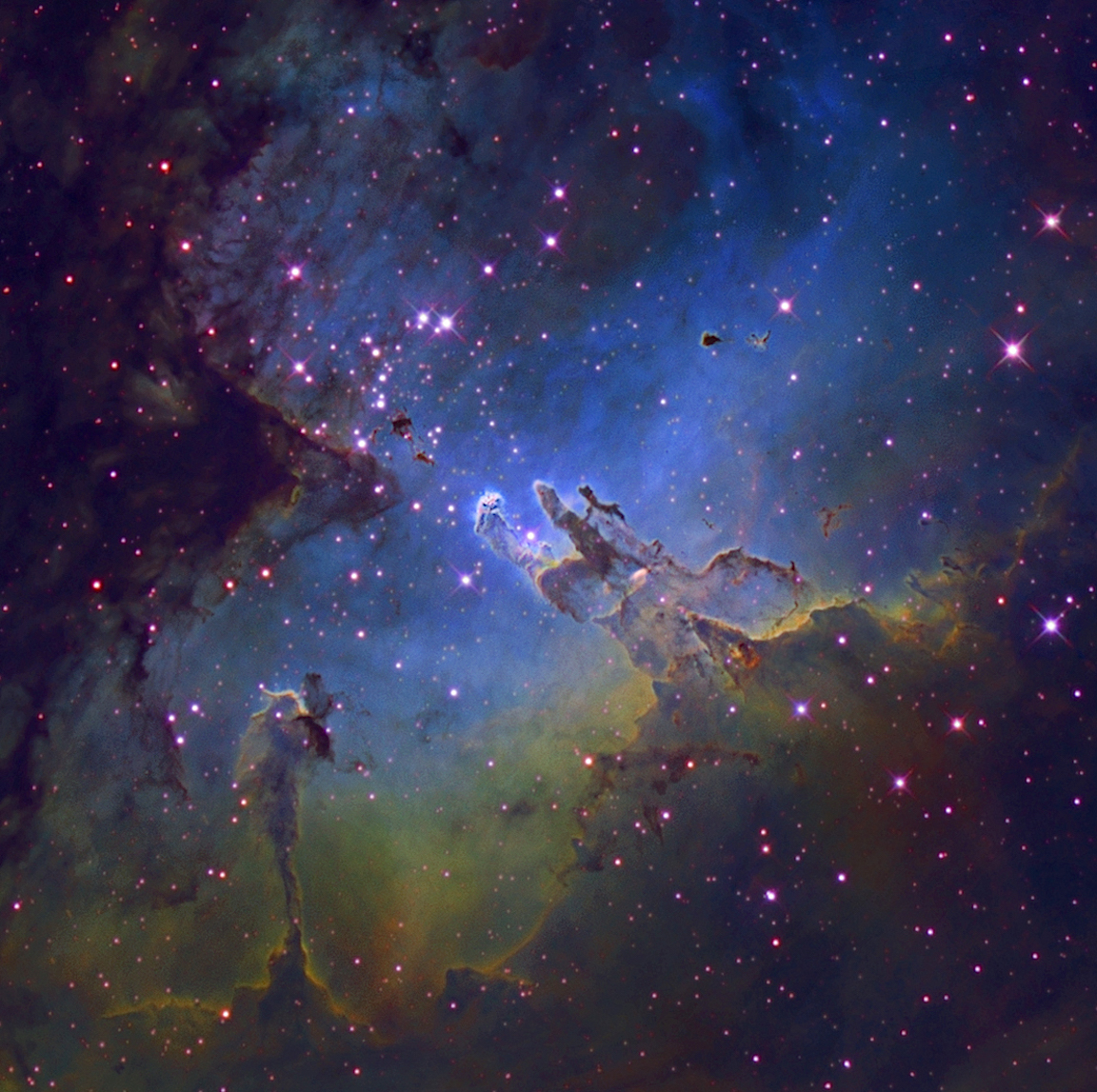
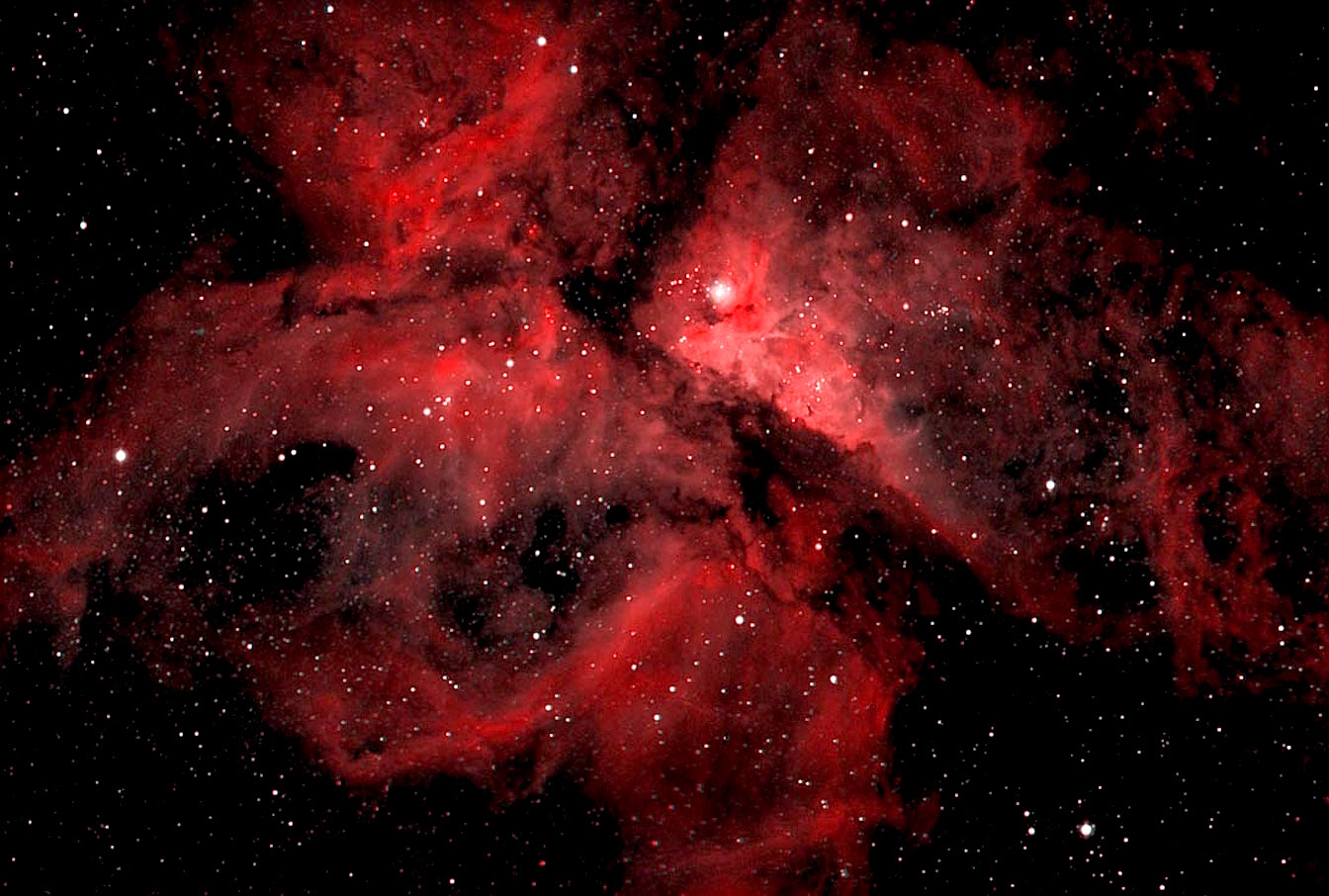
  Aug 13, 2015 Rather than clouds of frigid dust and gas, twisted filaments suggest electric currents in space. The Eagle nebula is an active “star nursery” located in the constellation Serpens, approximately 7000 light-years away. It is a multi-spectral cloud of gas mixed with microscopic particles of dust. The infrared image…

Continue reading

Co-Dependent

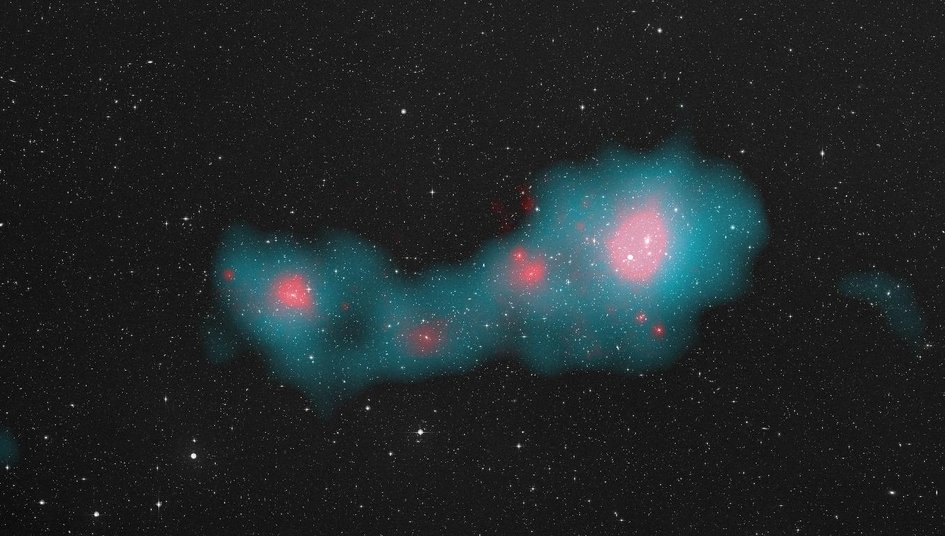
  Aug 7, 2015 Sometimes, one theory depends on another one to survive. According to a recent press release, the largest observable structure in the Universe was identified by a team of astronomers from Hungary and the United States. The vast ring of galaxies, over five billion light years in…

Continue reading

Arcos Rojos

  Aug 6, 2015 What causes colorful streaks on Tethys? As reported in previous Pictures of the Day, maps of Mimas, Enceladus, Rhea, and Dione show that they are red to some degree. All the latest maps indicate that most of them are redder on their trailing hemispheres. No one…

Continue reading

Saturn Supernova

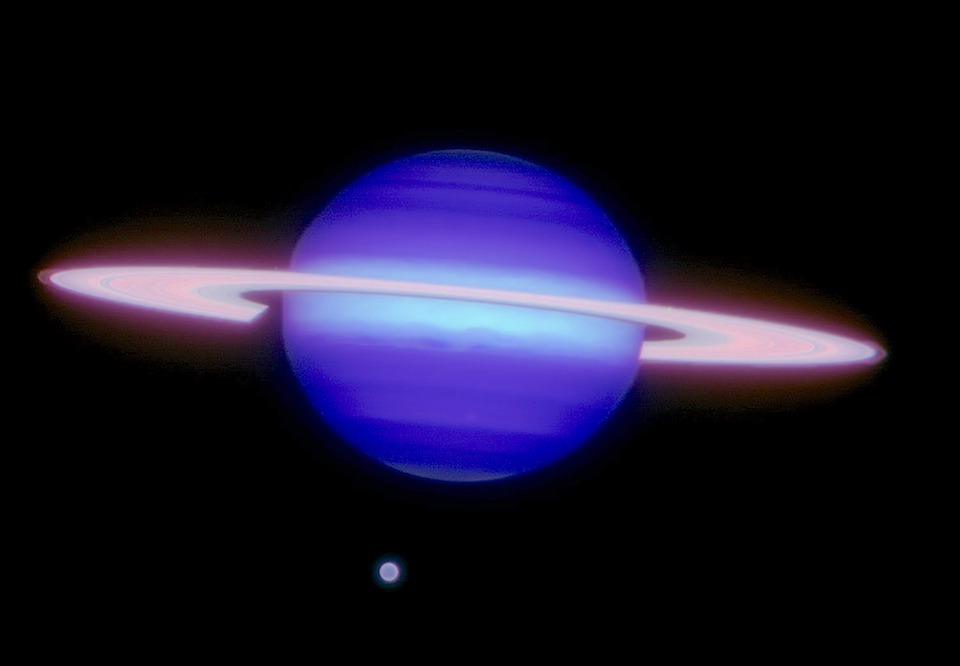
  Aug 5, 2015 Shockwave: a compressional wave of high amplitude caused by a shock (as from an earthquake or explosion) to the medium through which the wave travels. The plasmasphere of Saturn is highly energetic, enough so that, when the Cassini orbiter sent images to Earth, lightning up to a million times more…

Continue reading

The Great Beguiler

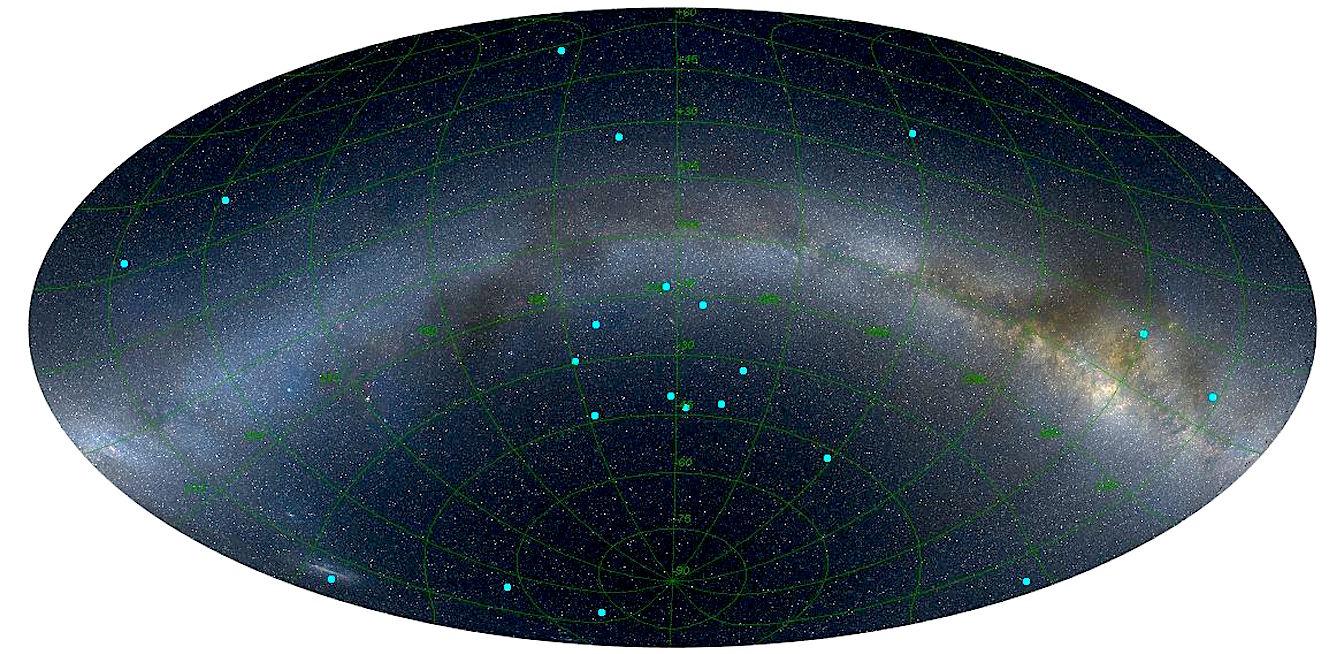
  Aug 3, 2015 Galaxy clusters are thought to be pulled by a force emanating from “beyond the horizon” of the Universe. Astronomers believe that the Universe is expanding at an ever accelerating rate. Contemporary theories suggest that galaxies are receding from us because they started out receding from us due…

Continue reading

Cellular Plasmas

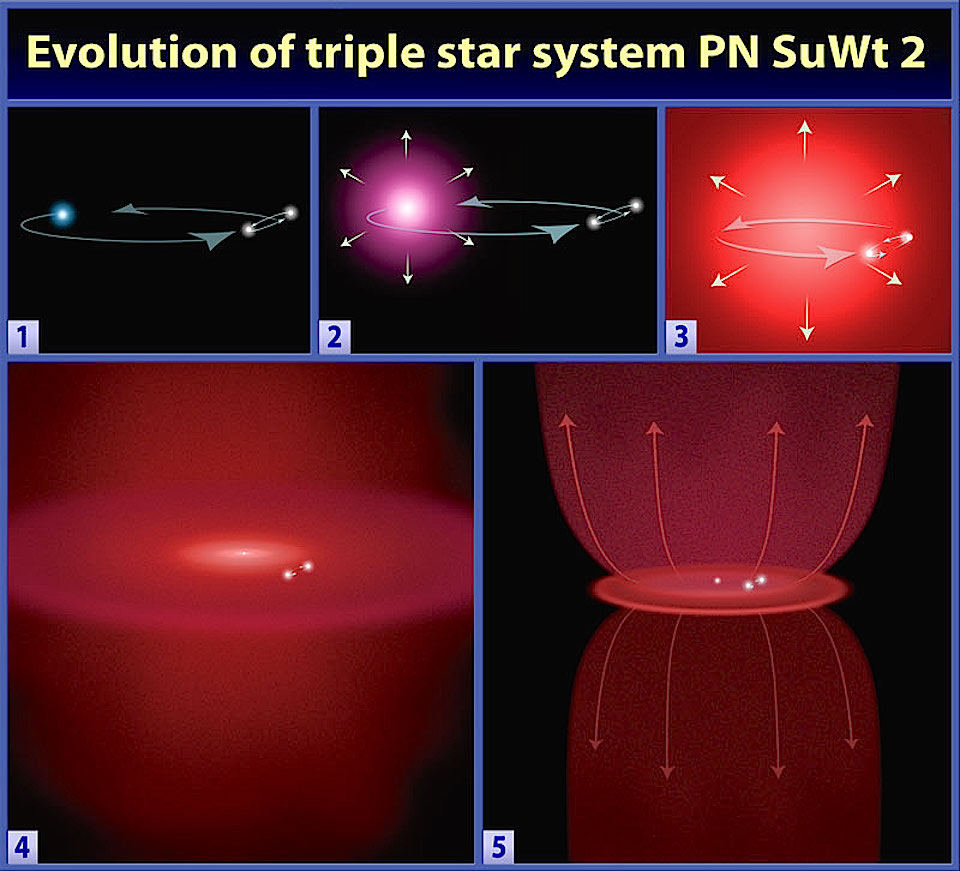
  Jul 31, 2015 Astronomical theories predict a white dwarf star that can not be found. In the nuclear view, a planetary nebula is the result of a dying star that has exhausted its hydrogen/helium fuel supply and collapsed under gravitational compression. The stellar implosion rebounds off the core, throwing massive…

Continue reading

And Yet They Move

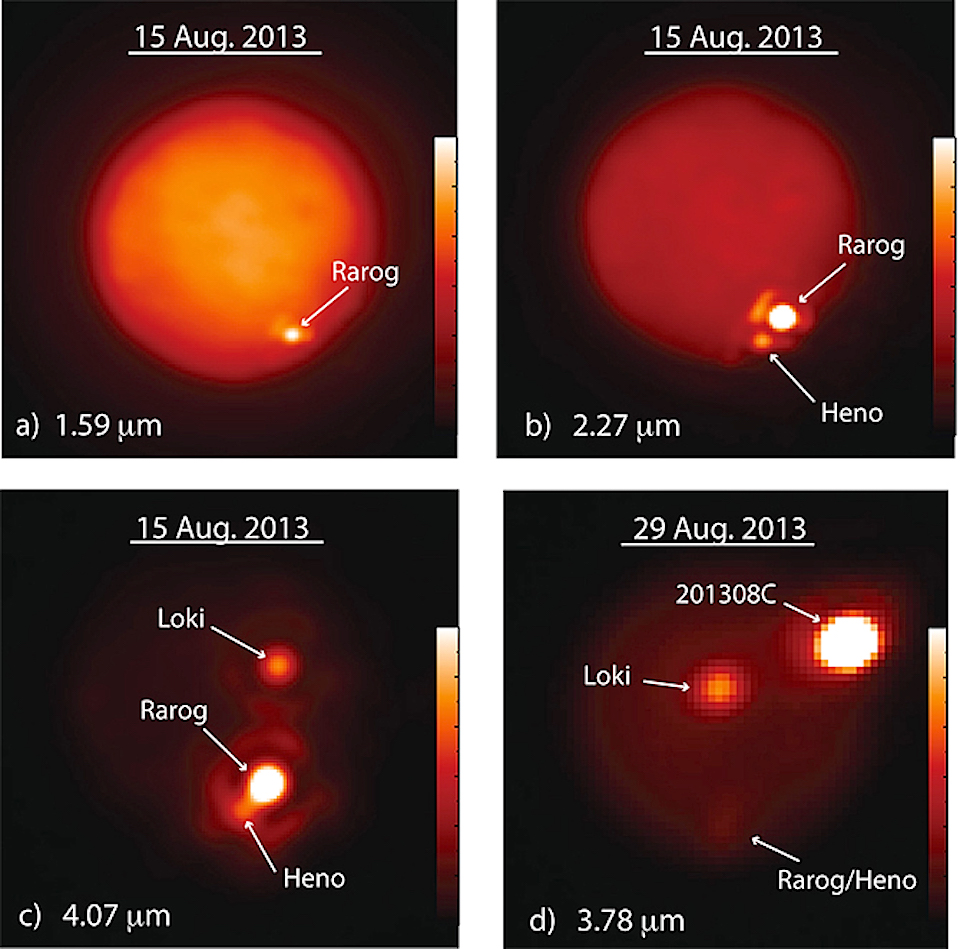
  Jul 30, 2015 Io’s caldera continue to puzzle scientists. Previous Pictures of the Day discuss several confirmed predictions about electrical activity on Io, notably, the intense electric arcing between the moon and its parent body, Jupiter. Images of Io verify that Io ought to be considered from an electric discharge…

Continue reading

Dynamic Asteroids

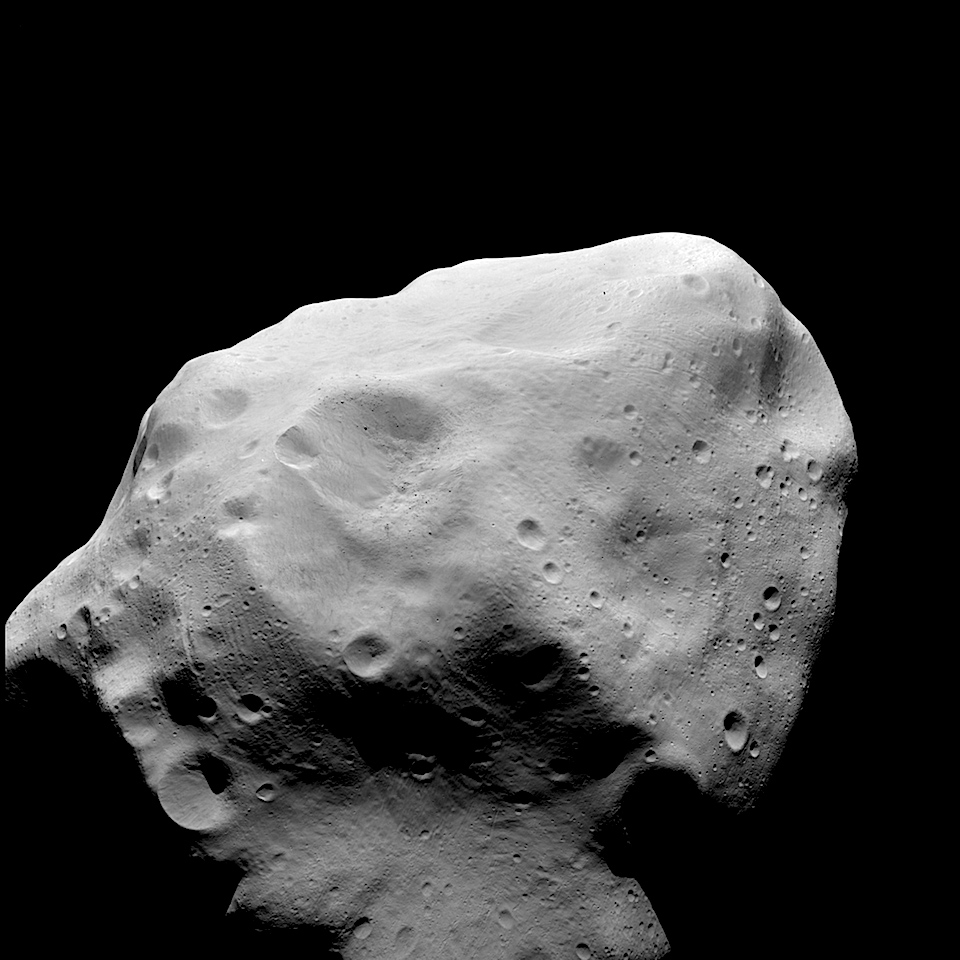
  Jul 28, 2015 Electrically active objects dominate the Solar System Small planetoids, called Near Earth Objects (NEO), are a concern for space scientists because it is thought that large rocks might strike our planet with devastating force. It is a commonly held belief that such an object caused the…

Continue reading

Nebular Lights

  Jul 27, 2015 What creates X-ray emissions in nebulae? From gamma rays down through X-rays and extreme ultraviolet, conventional theories rely upon gravity and acceleration as the only way for them to be produced in space. Compression of hydrogen gas and dust is supposed to create enough transfer of…

Continue reading