Nebular Lights

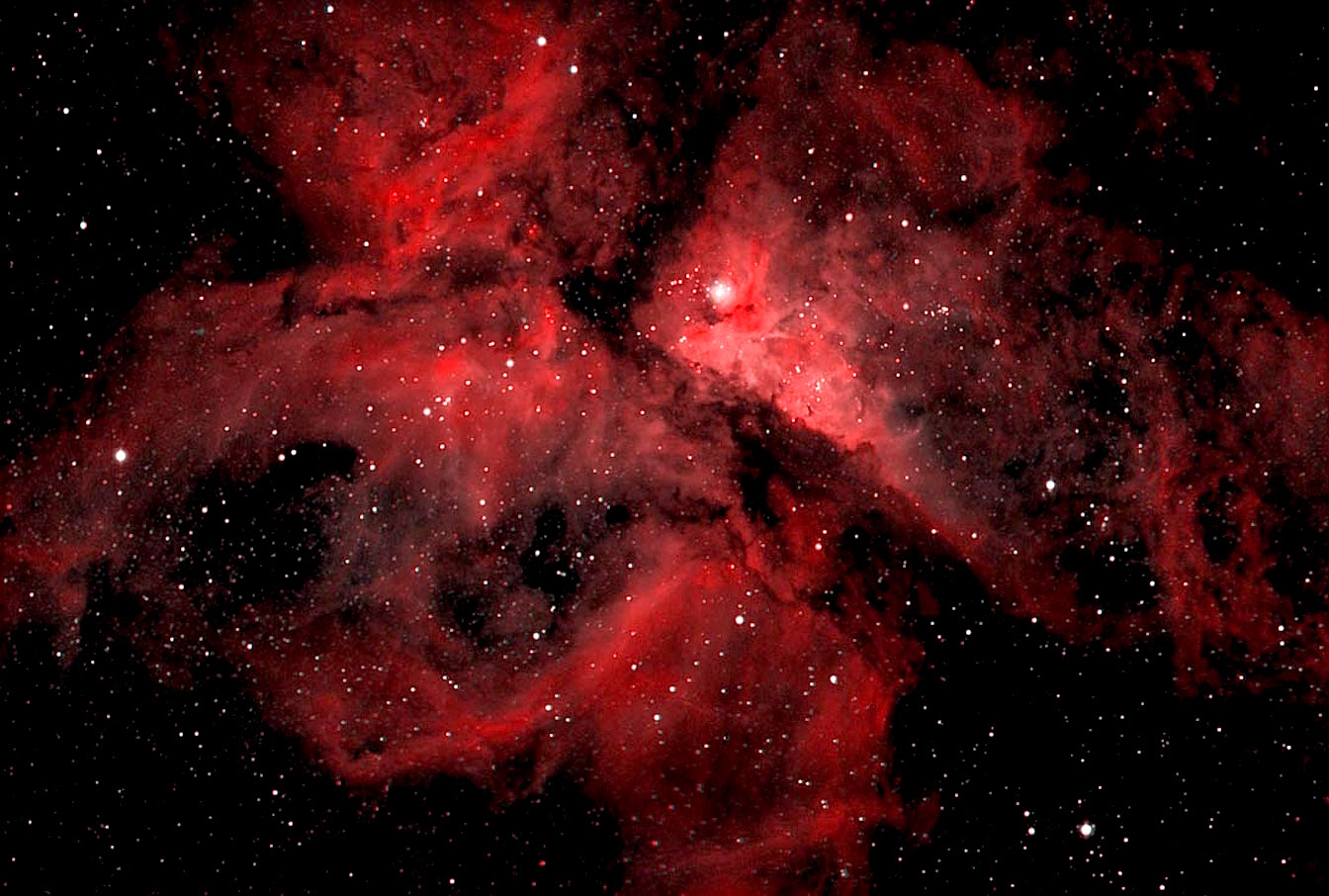
  Mar 01, 2016 What creates X-ray emissions in nebulae? From gamma rays down through X-rays and extreme ultraviolet, conventional theories rely upon gravity and acceleration as the only way for them to be produced in space. Compression of hydrogen gas and dust is supposed to create enough transfer of…

Continue reading

A New View

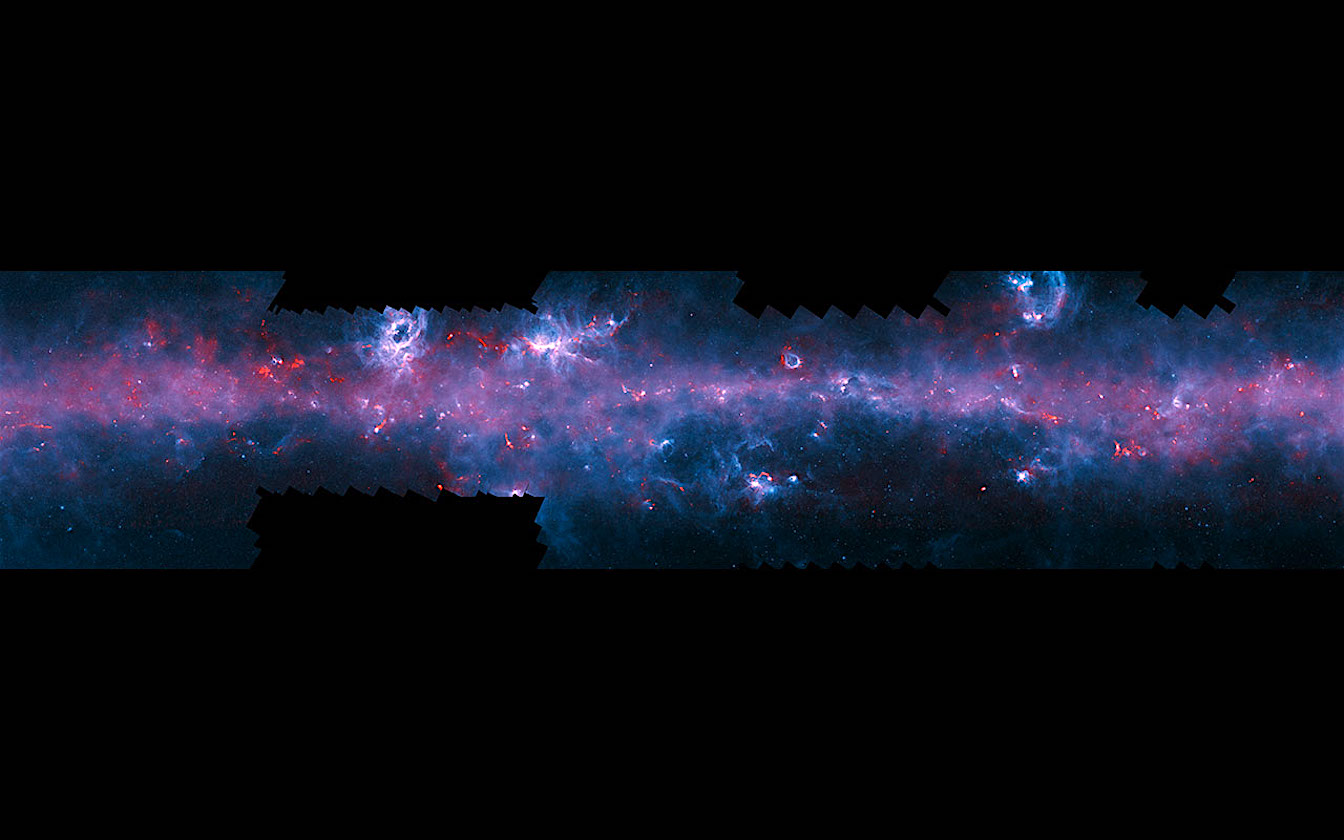
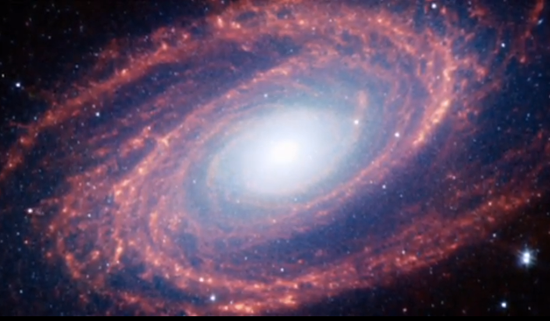
  Feb 26, 2016 Higher resolution images of the Milky Way reveal more complex nebular structures. A recent press release announces the first results obtained from a survey of the Southern sky in sub-millimeter wavelengths. Long wavelength radiation is also known as infrared. Most astronomical investigations focus on the infrared…

Continue reading

Martian Plumes

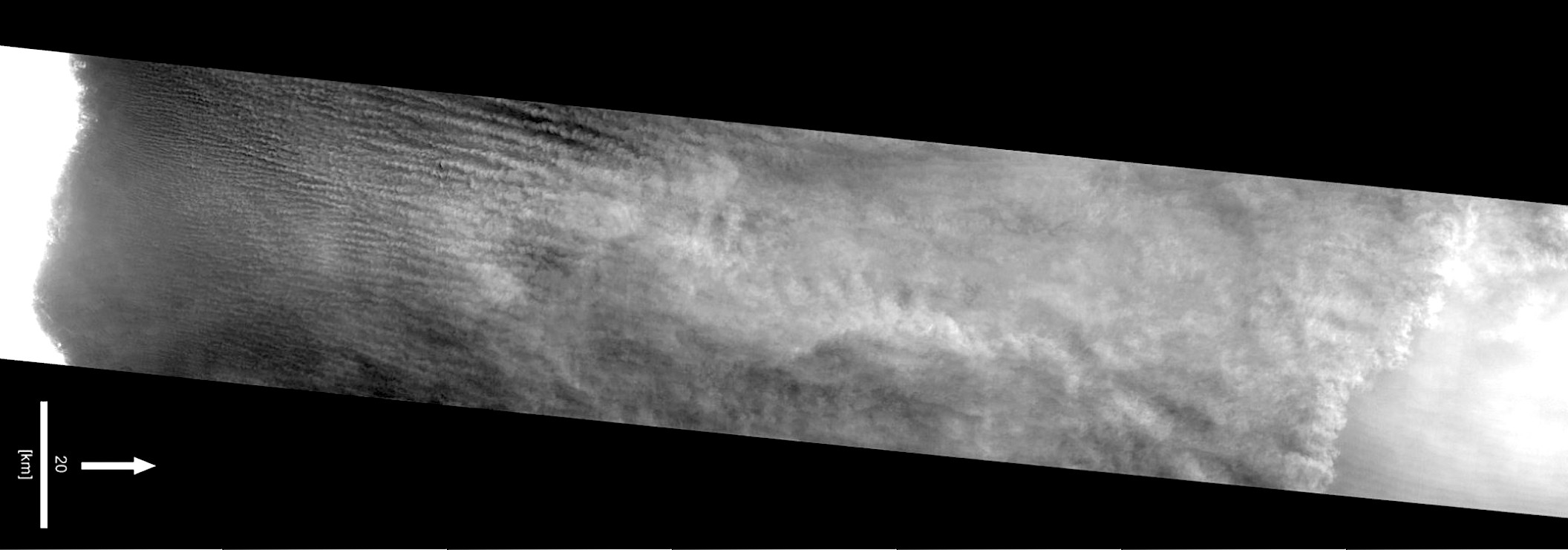
  Feb 25, 2016 Wispy clouds are seen hundreds of kilometers above Mars. Recently, planetary scientists announced the discovery of giant plumes reaching up to 250 kilometers from the Martian surface. Agustin Sanchez-Lavega of the Universidad del País Vasco in Spain wrote in the journal, Nature: “One idea we’ve discussed is…

Continue reading

Electrical Hierarchy

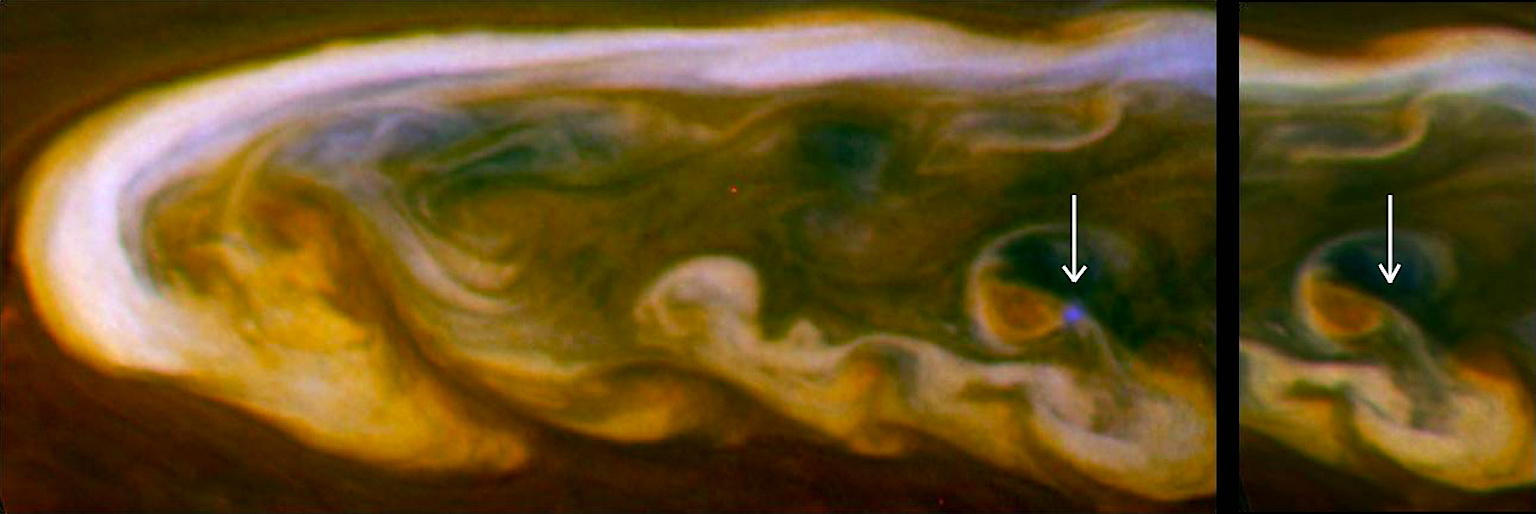
  Feb 23, 2016 Elves could be found in gas giant atmospheres. The plasmasphere of Saturn is highly energetic. The Cassini orbiter found lightning up to a million times more powerful than anything on Earth. It is not surprising that the discovery was made, since Saturn emits 2.3 times more energy than it receives…

Continue reading

Enceladus is Plugged-In

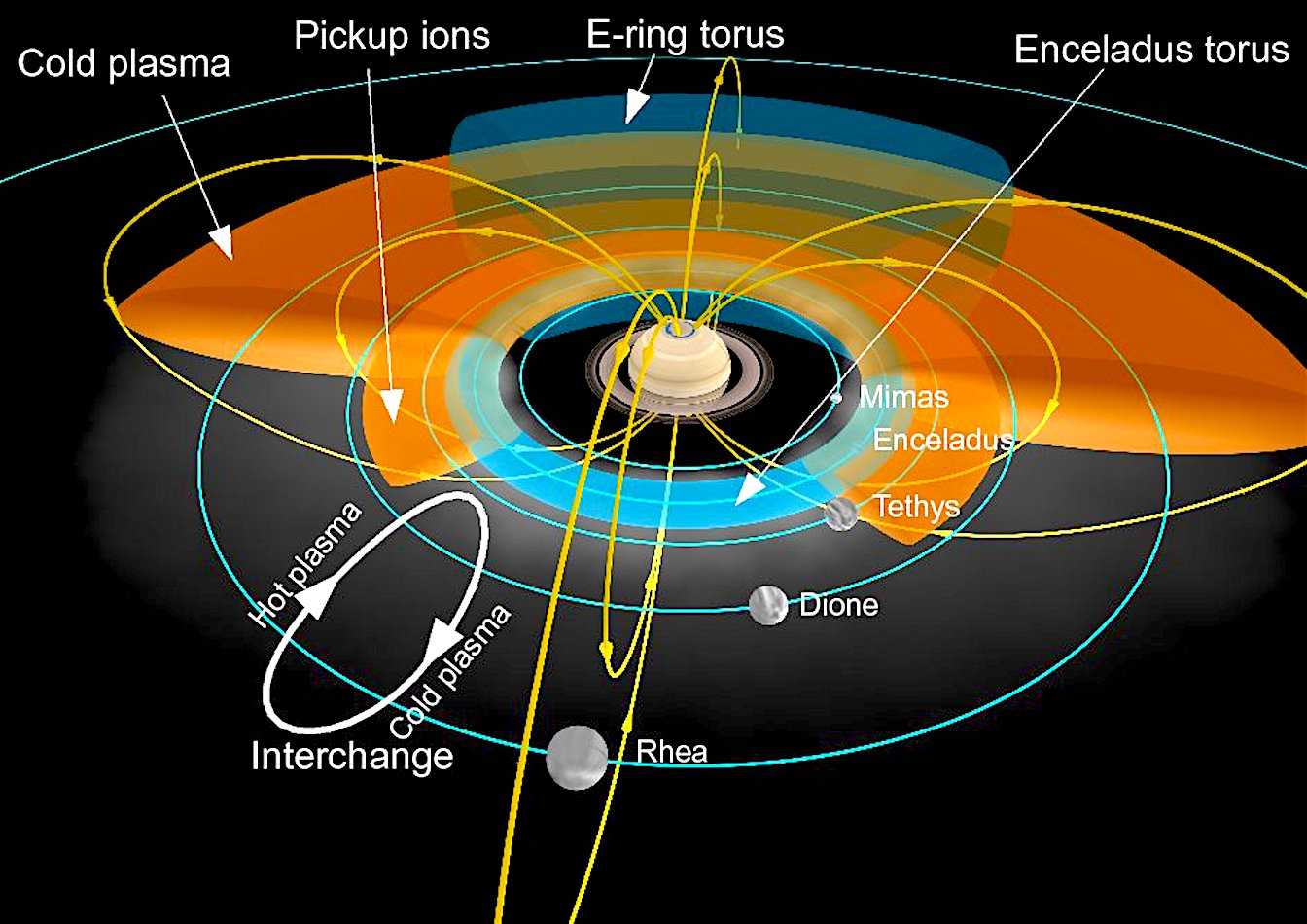
  Feb 22, 2016 Saturn exhibits a circuit between Enceladus and its electrical environment. The Galileo space probe’s mission to Jupiter identified electrical activity between several moons and Jupiter’s vast magnetosphere. What were called “volcanic” plumes erupt from Io, injecting considerable volumes of ionized material into the gas giant’s plasma…

Continue reading

Electric Reticulation

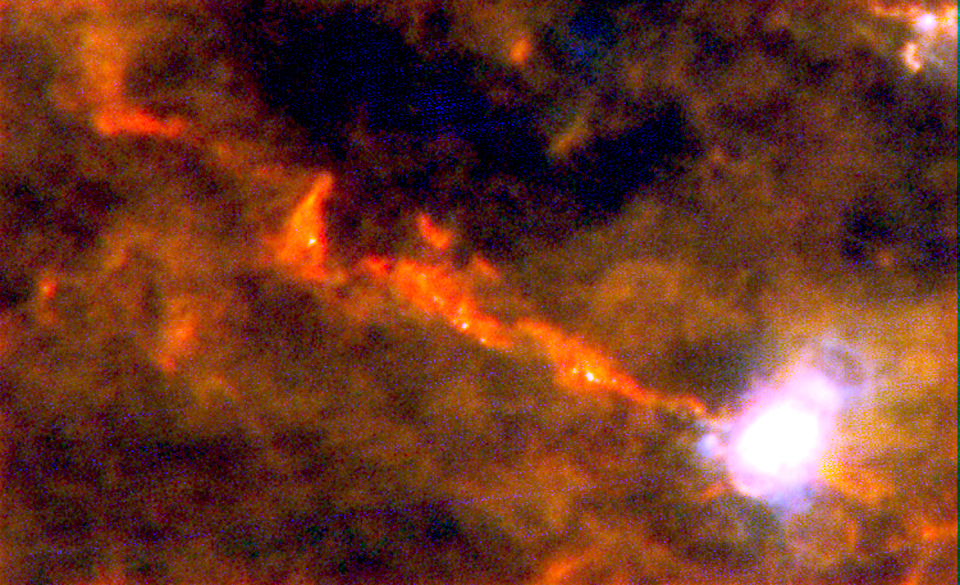
  Feb 19, 2016 Braided filaments stitch the Universe together. The Herschel Space Observatory was launched on May 14, 2009 into an orbit around LaGrange point L2 (behind Earth in relation to the Sun). Herschel’s supercooled infrared detectors were built to last only three years, so its cooling system has long since failed….

Continue reading

Moon to Moon

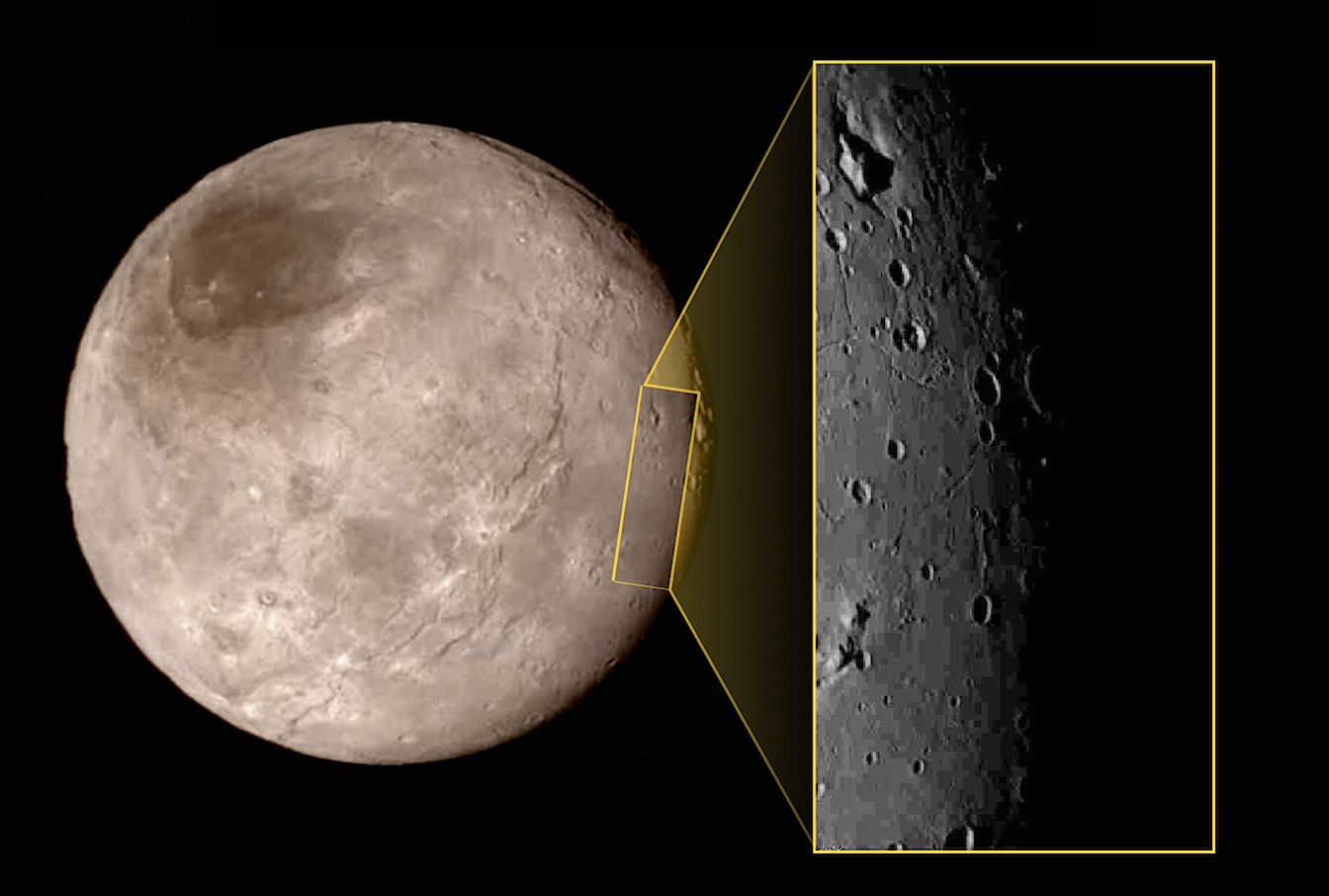
  Feb 18, 2016 Charon and Earth’s Moons bear a striking resemblance. Pluto’s moon, Charon was discovered by astronomer James Christy on June 22, 1978 when he noticed a “bulge” on the disk of Pluto that was subsequently found in telescope images as far back as 1965. Charon is a…

Continue reading

Solar Media

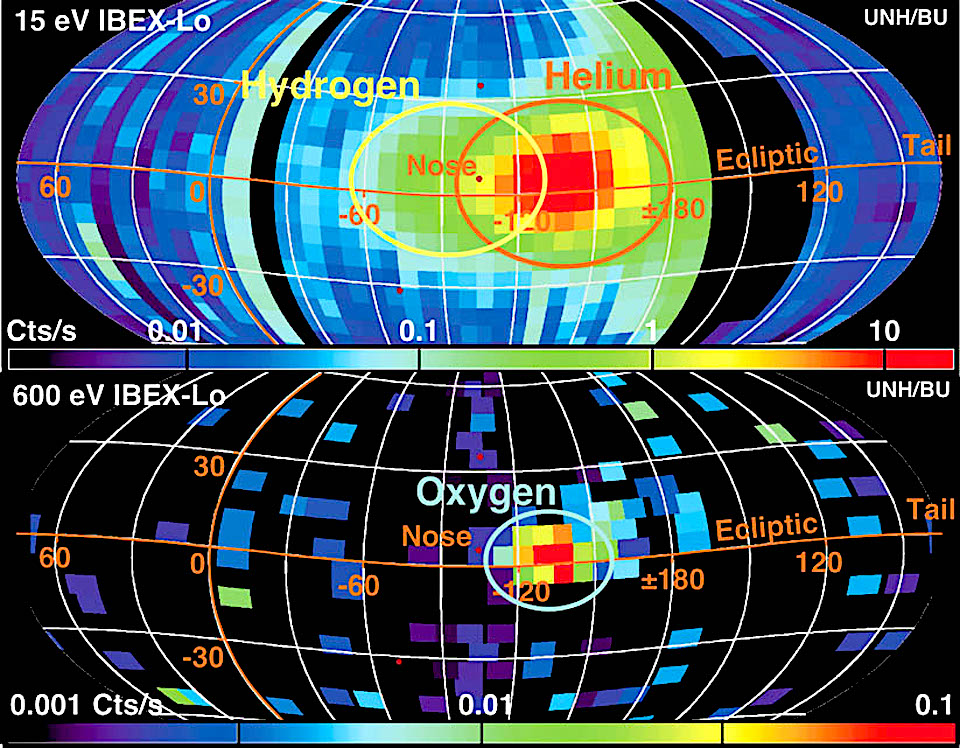
  Feb 17, 2016 The Interstellar Medium was detected by Voyager 1. Electric Sun theory presupposes that the Sun is a positive terminal, or anode, in a complex interstellar circuit. The Sun’s negative pole, or cathode, is known as the heliosphere, a shell of charged particles surrounding the Sun’s electric…

Continue reading