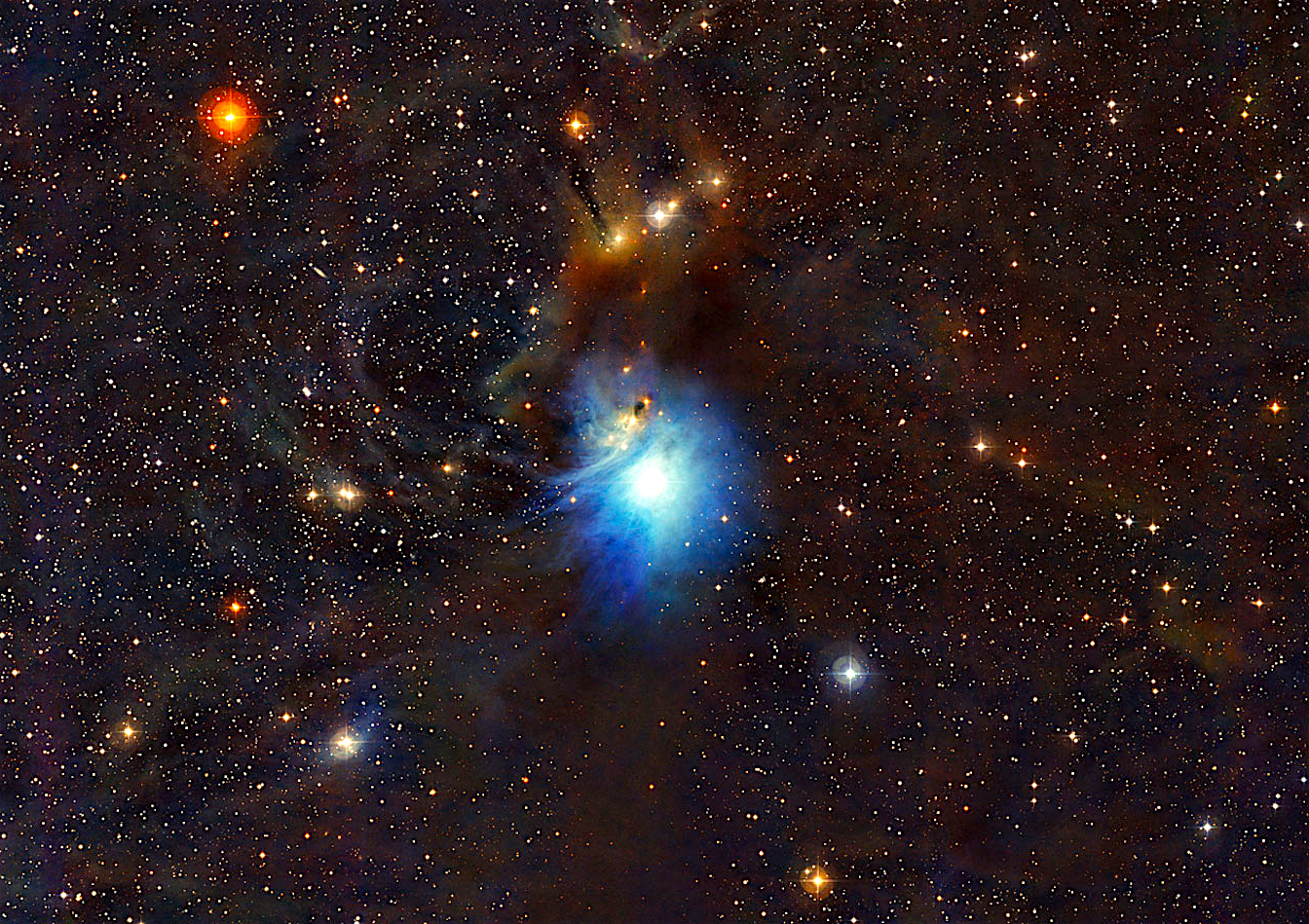
Mon R2

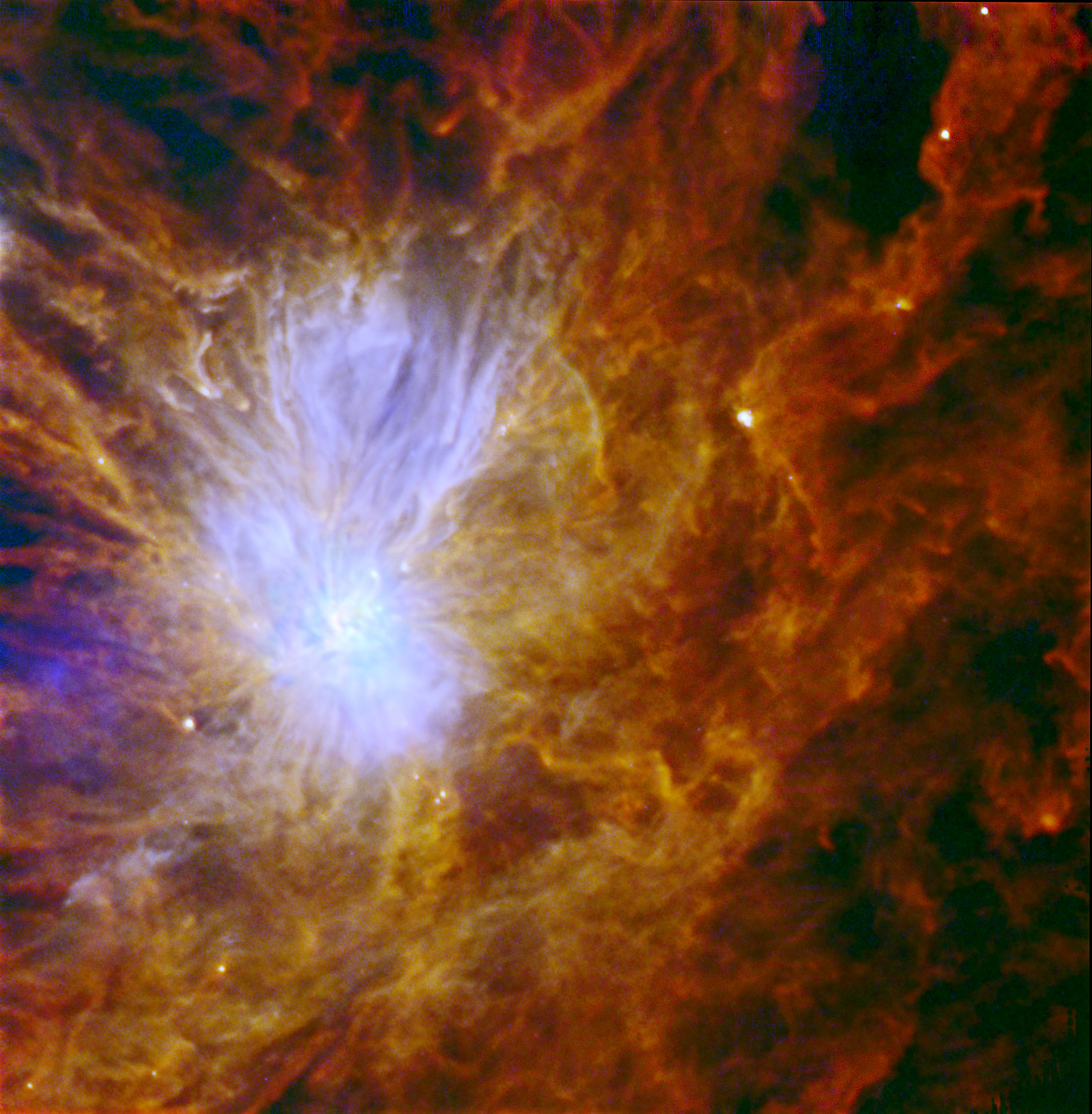
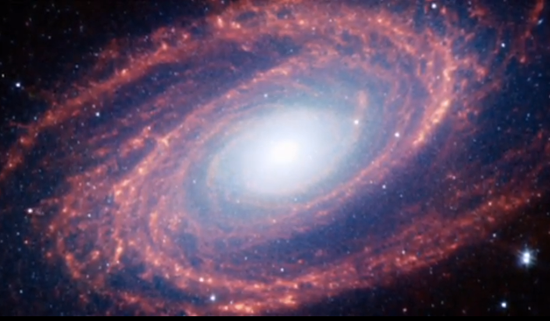
  Mar 17, 2016 Another electrically powered nebula. The standard model of star formation proposes that new stars result from compression waves passing through clouds of dust and gas. It is thought that supernovae explosions from elsewhere in the galaxy push nebulae into a star making process based on gravitational…

Continue reading

Comet Lovejoy Brightens

Comet_Lovejoy_2011_Milky_Way_Wide_Field

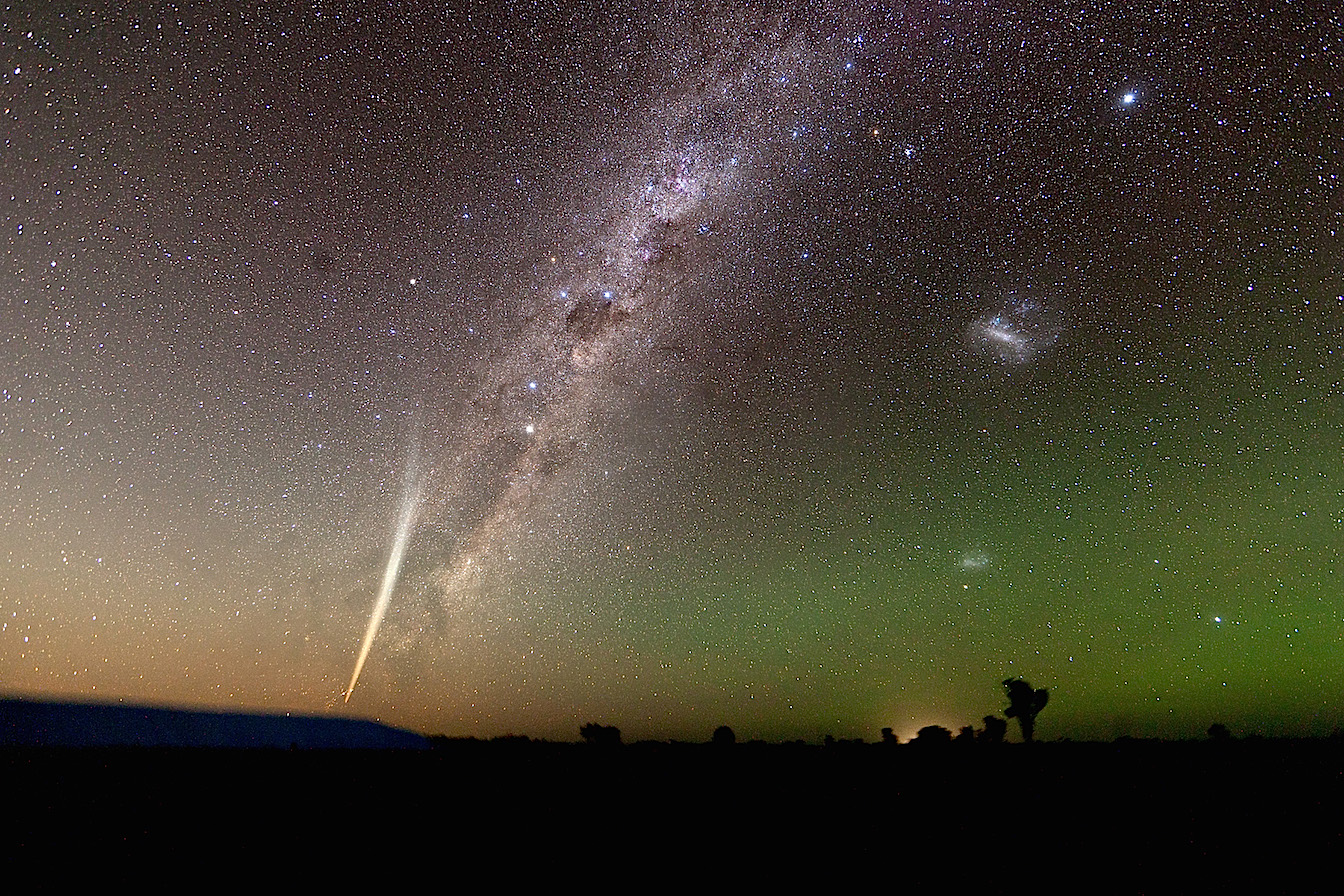
  Mar 16, 2016 The recent activity of comet Lovejoy puts another dent in conventional comet theory. The “dirty snowball” hypothesis should be discarded in favor of electrical activity. Editor’s note: The Picture of the Day is on a brief hiatus, returning on March 18, 2016. Please enjoy this article from…

Continue reading

Thermal Axes

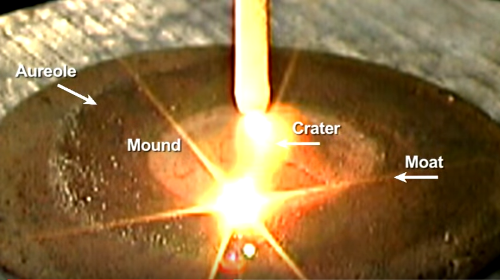
  Mar 15, 2016 Hot polar regions are common among planets and moons. Scientists using the Very Large Telescope (VLT) discovered a ten degree Celsius temperature difference above the polar region of Neptune. Another consideration that has not been published regarding Neptune’s polar thermocline, is that the “hot spots” can be…

Continue reading

Ripples in Clear Space

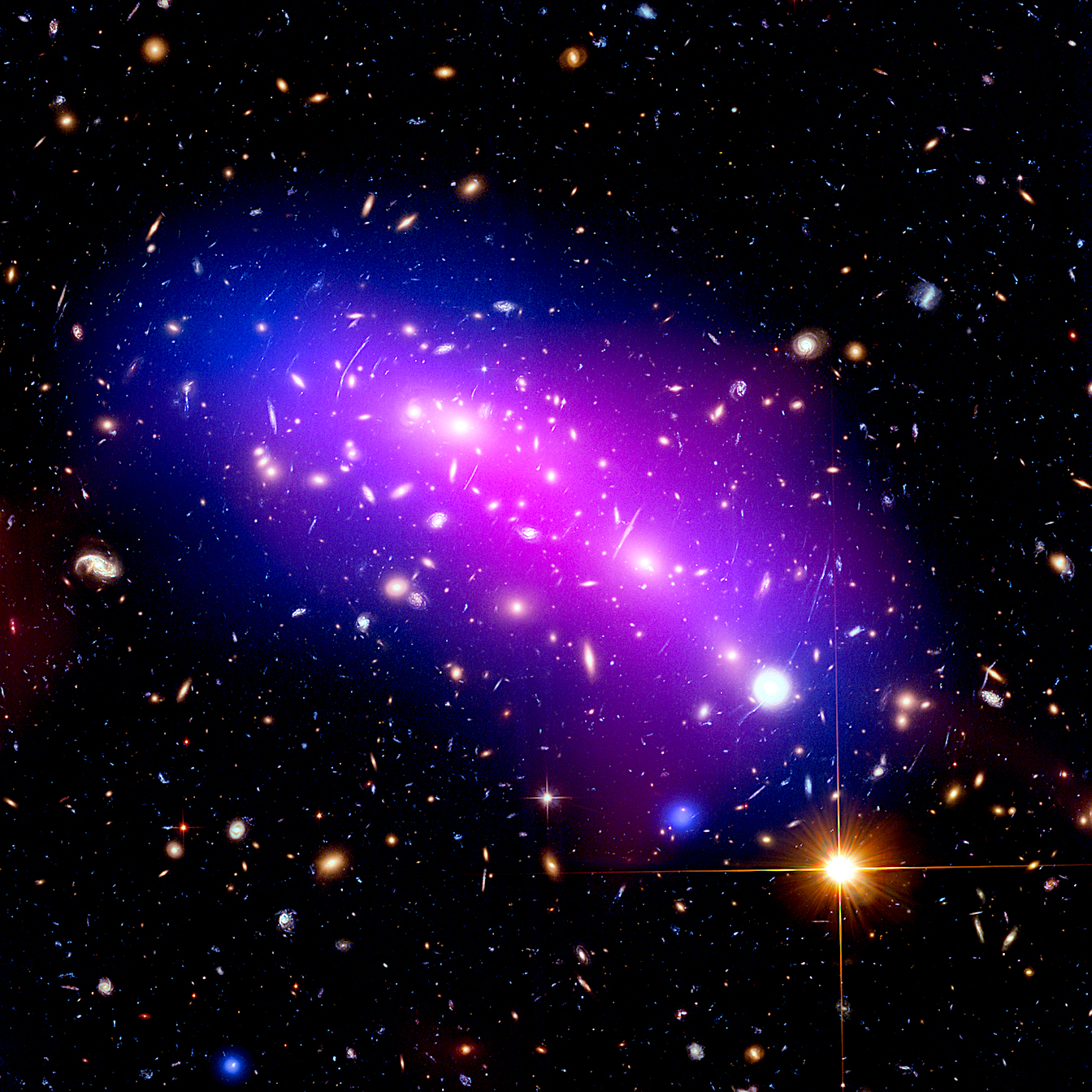
  Mar 11, 2016 Where do galactic clumps and filaments come from? One proposal suggests that galaxies are drawn toward the center of galactic clusters through gravitational attraction. What is termed, “blow-back force” by astronomers supposedly pushes galaxies out and away from the direction of travel like a vast comet…

Continue reading

Double Trouble

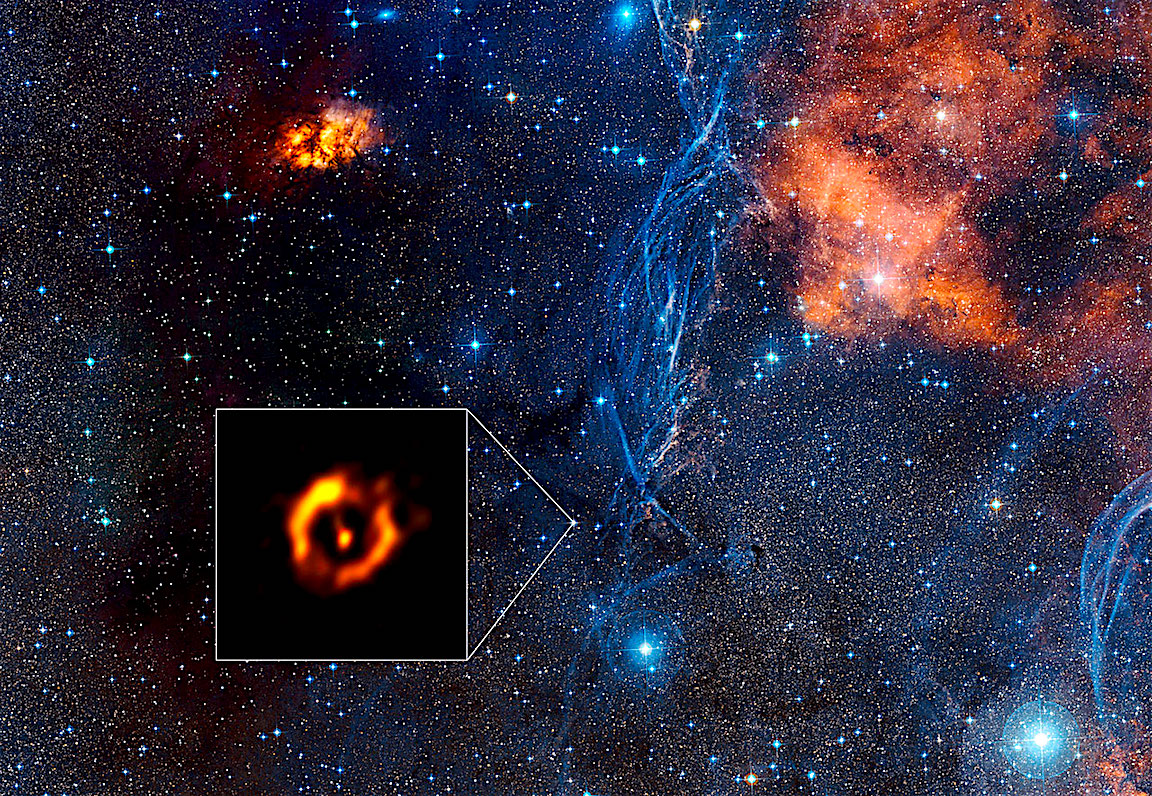
    Mar 9, 2106 It is not possible to tell if stars are old or young based on their colors or temperatures. A recent press release from the European Southern observatory (ESO) reports that double star IRAS 08544-4431 is surrounded by a dusty disk. What makes the discovery so…

Continue reading

Mighty in Heaven

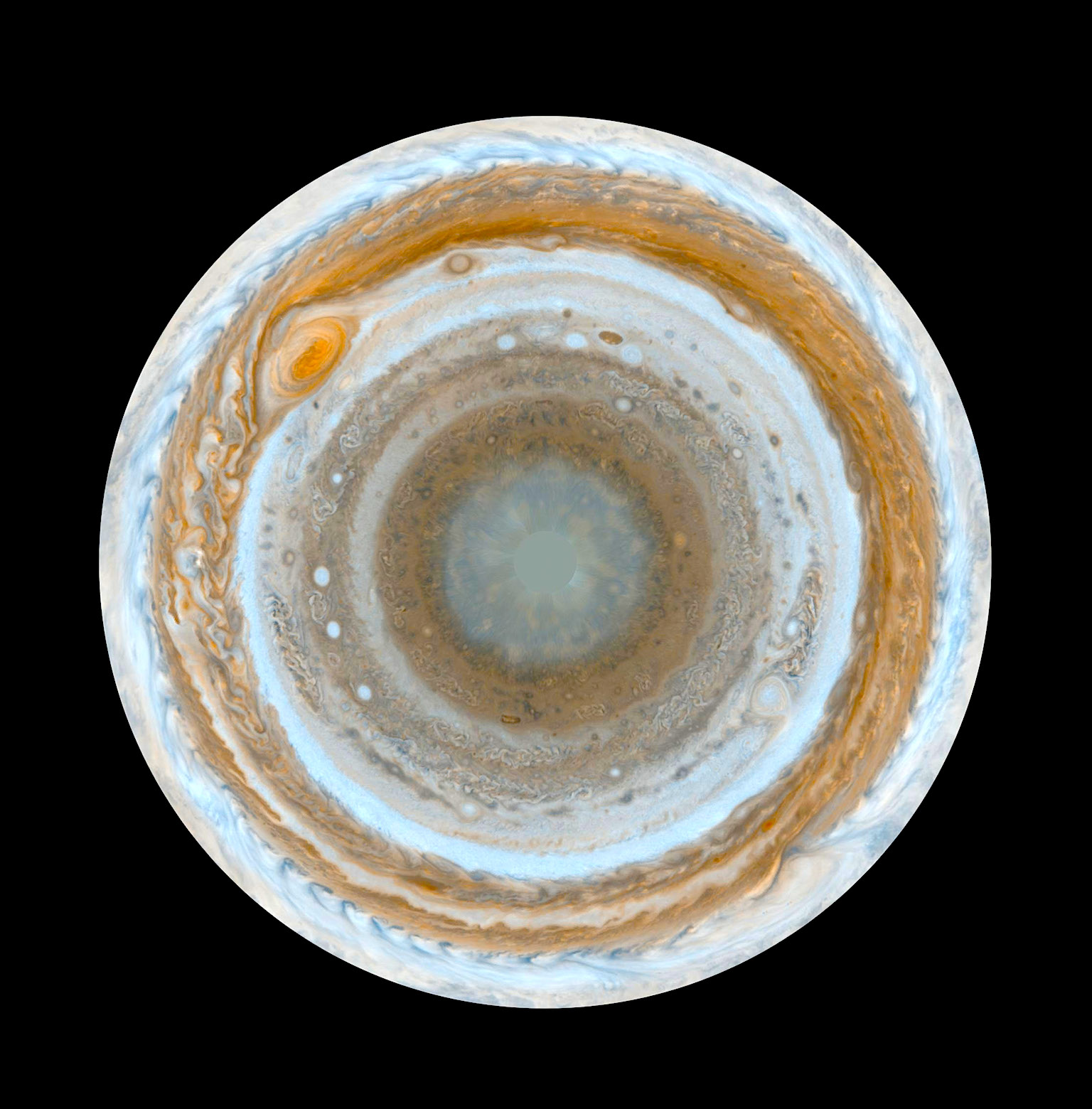
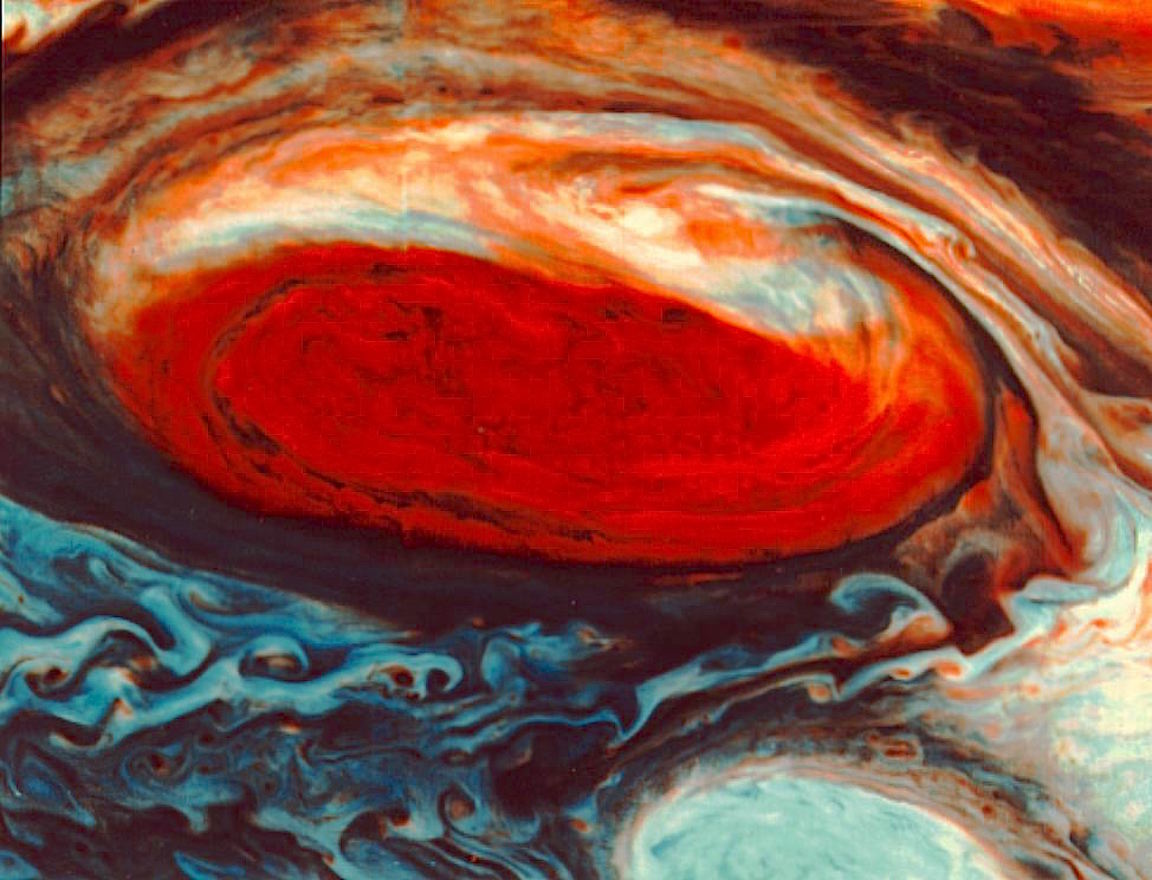
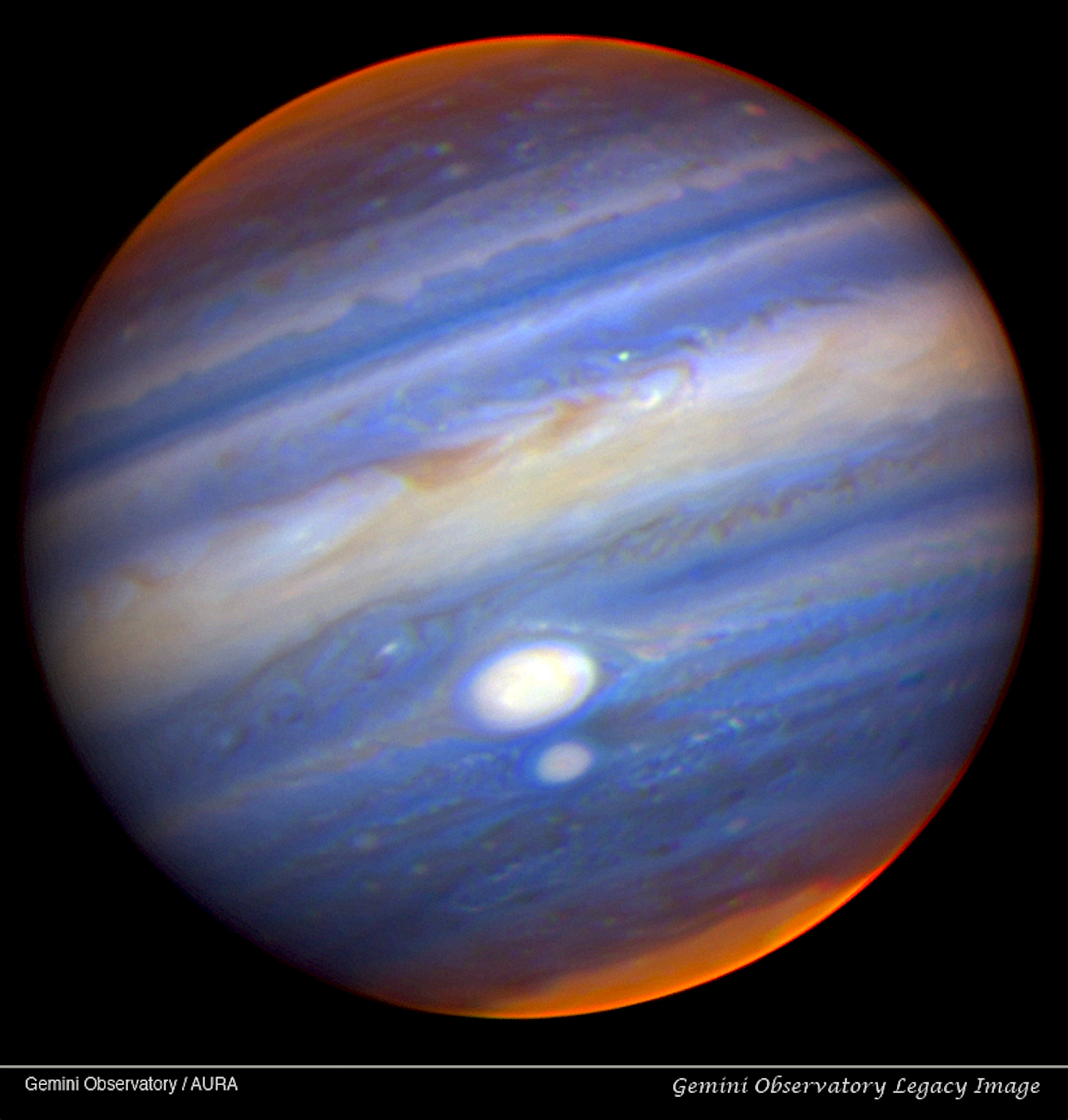
  Mar 8, 2016 One more year to go. The dice of Zeus always fall luckily. — Sophocles Editor’s note: Originally published August 2015. NASA launched the Juno Mission to Jupiter on August 5, 2011. After traveling out past the orbit of Mars, the spacecraft returned for a gravity assist from…

Continue reading

Old and Far Away

  Mar 7, 2016 The Big Bang theory states that for some reason (not explained) an irruption of energy from some other realm replaced “nothingness” with what was to become the present Universe. The theory was proposed because Edwin Hubble, using the recently completed 100-inch telescope at Mt. Wilson observatory,…

Continue reading

Arcos Rojos

  Mar 3, 2016 What causes colorful streaks on Tethys? As reported in previous Pictures of the Day, maps of Mimas, Enceladus, Rhea, and Dione show that they are red to some degree. All the latest maps indicate that most of them are redder on their trailing hemispheres. No one is…

Continue reading