Rime of the Ancient Water Bridge

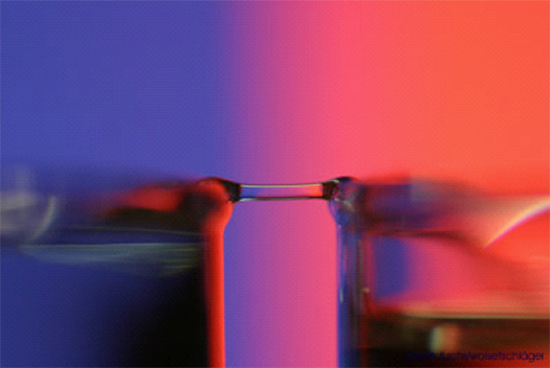
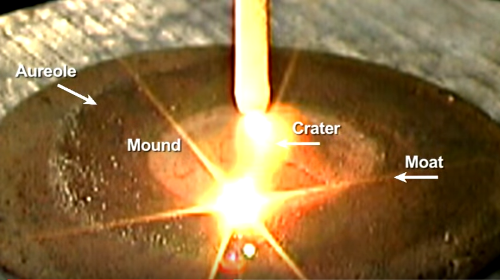
June 25, 2012 Discoveries in space plasma may provide an explanation for a century-old mystery. Sir William Armstrong, an English hydraulics engineer, first observed the floating water bridge in 1893. It defied explanation and was ignored until recently. Findings in space plasma that have renewed attention to plasma’s electrical properties,…
Continue reading

Another Year

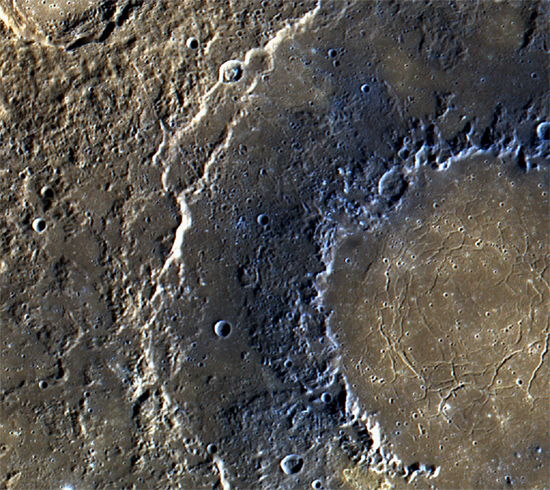
Color image of Rachmaninoff basin

June 22, 2012 The MESSENGER spacecraft has recently been approved for an extended mission in Mercury orbit. The Mercury Surface, Space Environment, Geochemistry and Ranging (MESSENGER) spacecraft was launched from Cape Canaveral on August 3, 2004. On March 17, 2011 MESSENGER entered orbit, initiating a yearlong study of the Solar…

Continue reading

Sun Stroke

An exploding double layer on the Sun

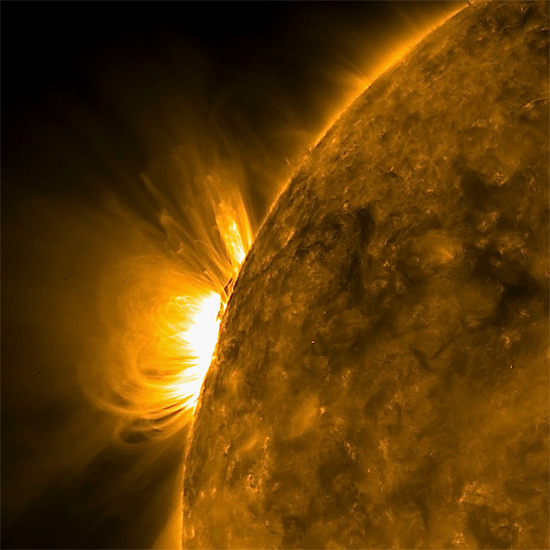
June 21, 2012 Is it the breaking and reconnecting of magnetic field lines that power solar phenomena? According to a popular view of the Sun, its core pressure is supposed to be so high that it crushes hydrogen atoms together until they fuse into helium atoms, releasing energy of such…

Continue reading

Appendix II: The Electro-magnetic Field Equations

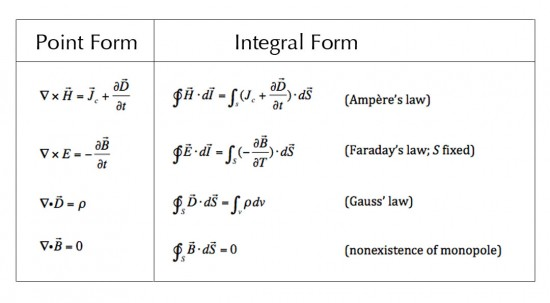
Introduction Maxwell’s Equations and the Lorentz Force Law together comprise the e/m field equations; i.e., those equations determining the interactions of charged particles in the vicinity of electric and magnetic fields and the resultant effect of those interactions on the values of the e/m field. For ease of explanation, the…

Continue reading

Stars That Will Not Explode

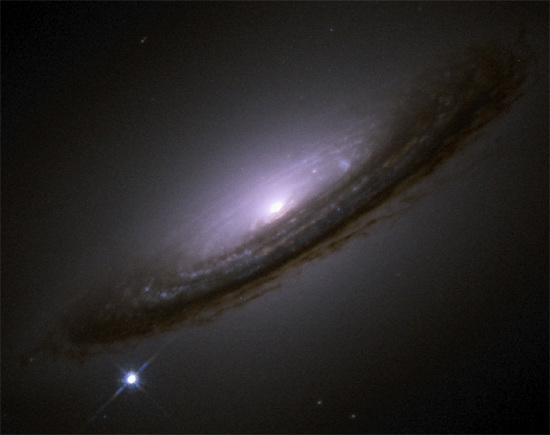
SN1994D, a supernova in NGC 4526

June 20, 2012 NASA computer simulations are not able to correctly model supernova explosions. Contemporary astrophysical models of stellar evolution rely on the mechanical action of cold gas collapsing from gravitational impetus. Stars are seen as whirling vortices of compressed matter heated to fusion temperatures by pressure, alone. Clouds of…

Continue reading

Windy Waves

June 18, 2012 Wind socks, bow shocks, shockwaves and collisions are often used to describe the phenomena that create high-frequency electromagnetic radiation in the cosmos. From gamma rays down through X-rays and extreme ultraviolet, conventional theories have relied upon gravity and acceleration as the only way for them to be…

Continue reading