Loki Patera

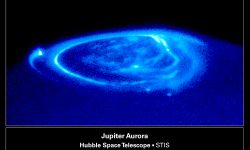
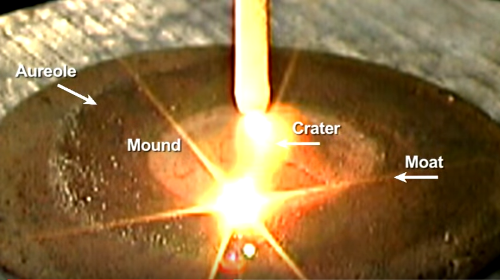
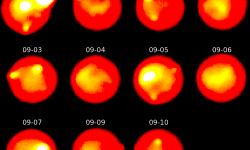
Jul 14, 2107 What causes waves in Io’s lava lakes? Jupiter’s electromagnetic field, recently measured by the Juno space probe, is twice as strong as consensus models predicted: 7.766 Gauss, compared to 0.66 Gauss at Earth’s South Pole. As previously written, Jupiter’s toroidal magnetosphere is approximately 650 million kilometers wide, extending even…
Continue reading

An Electrifying Assembly

Jul 12, 2017 Jupiter’s moons exhibit electrical activity. On October 18, 1989 NASA launched the Galileo Jupiter orbiter (the pre-cursor to the current Juno mission) onboard the Space Shuttle Atlantis, as part of the STS-34 mission. After gravitational assistance from flybys of Venus and Earth, Galileo arrived at Jupiter on…

Continue reading

Charon

  Jul 11, 2017 Pluto’s frigid companion exhibits electrical scarring. All information from New Horizons is now available, its onboard memory is completely downloaded. The spacecraft is currently on its way to the Kuiper Belt and a rendezvous with 2014 MU69, another small body more than a billion kilometers beyond Pluto….

Continue reading

Spot Free

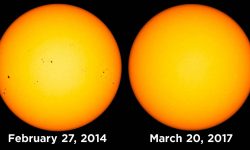
Jul 10, 2017 Sunspot activity is unusually low. Three things cannot be long hidden: the sun, the moon, and the truth. — Buddha The Sun fluctuates in output strength and visible sunspots across its surface in a cycle that lasts about 22 years. During the past 11 or 12 years,…

Continue reading

Anode Glow

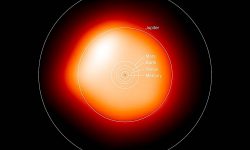
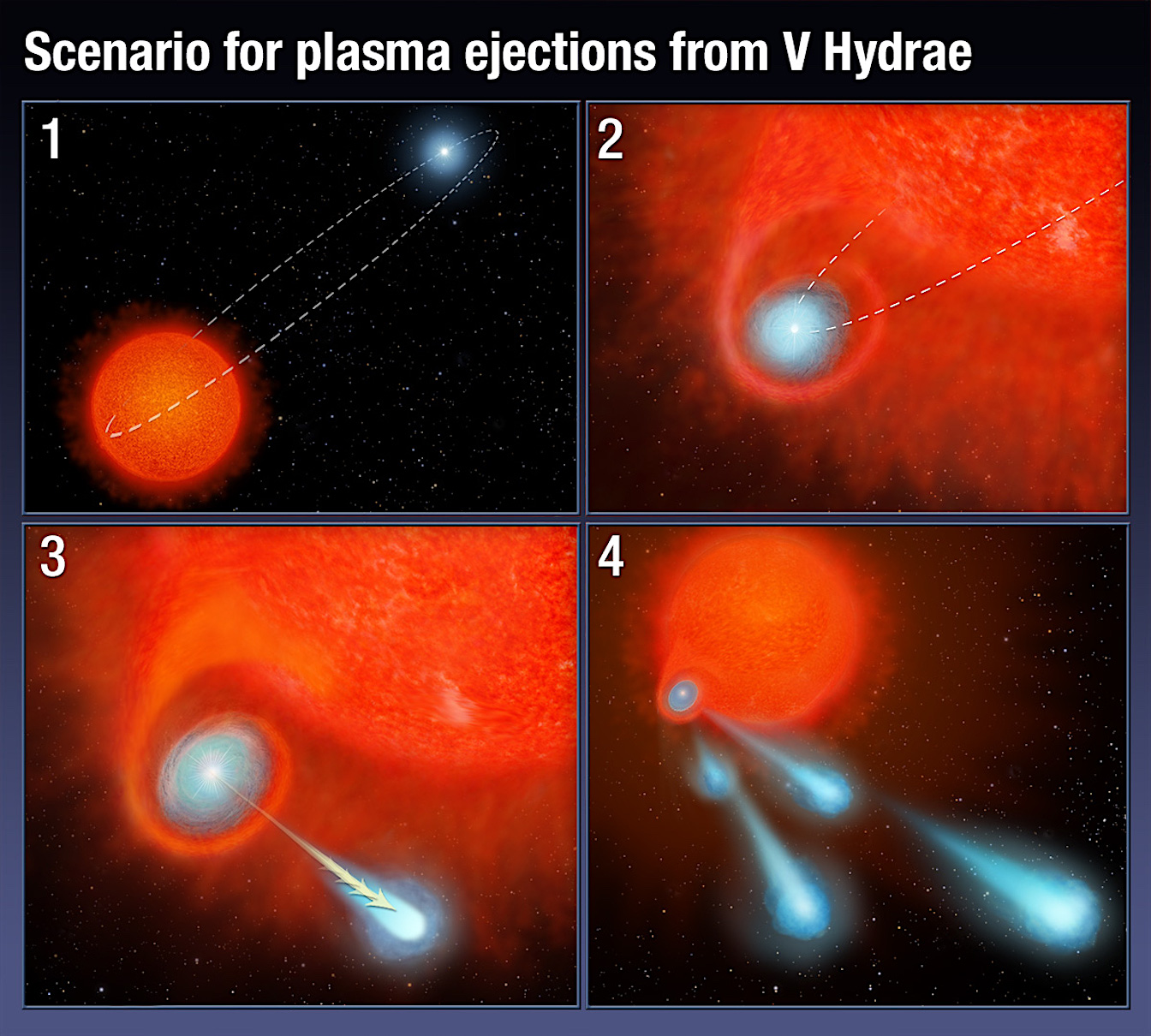
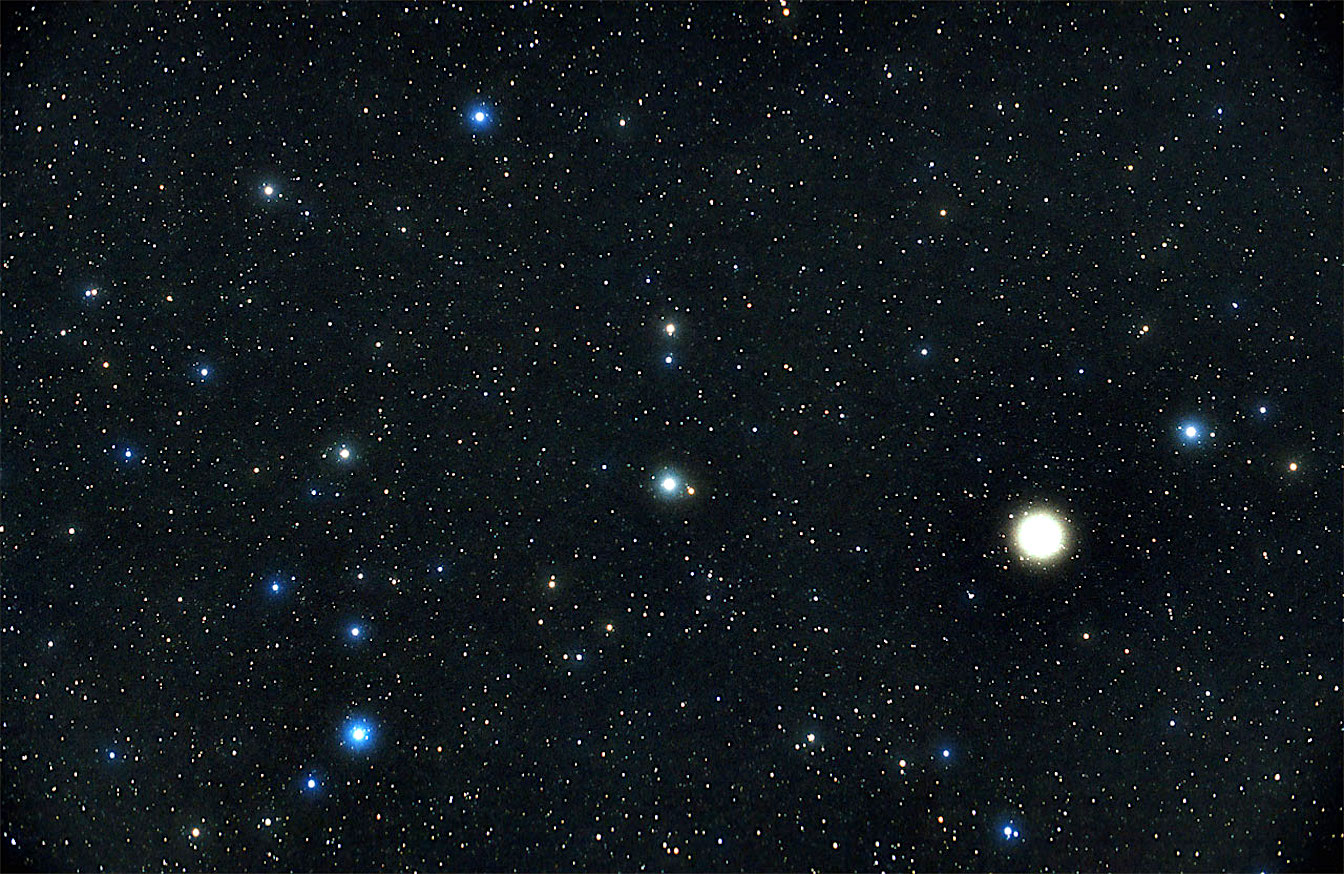
Jul 7, 2017 Stars are electrodes. The red giant star, Betelgeuse is among the largest stars. As the image above illustrates, if it occupied the Sun’s position, it would exceed Jupiter’s mean orbital diameter. Although it is large, its substance is so diffuse that the orbits of the inner planets…

Continue reading

Frozen Deserts

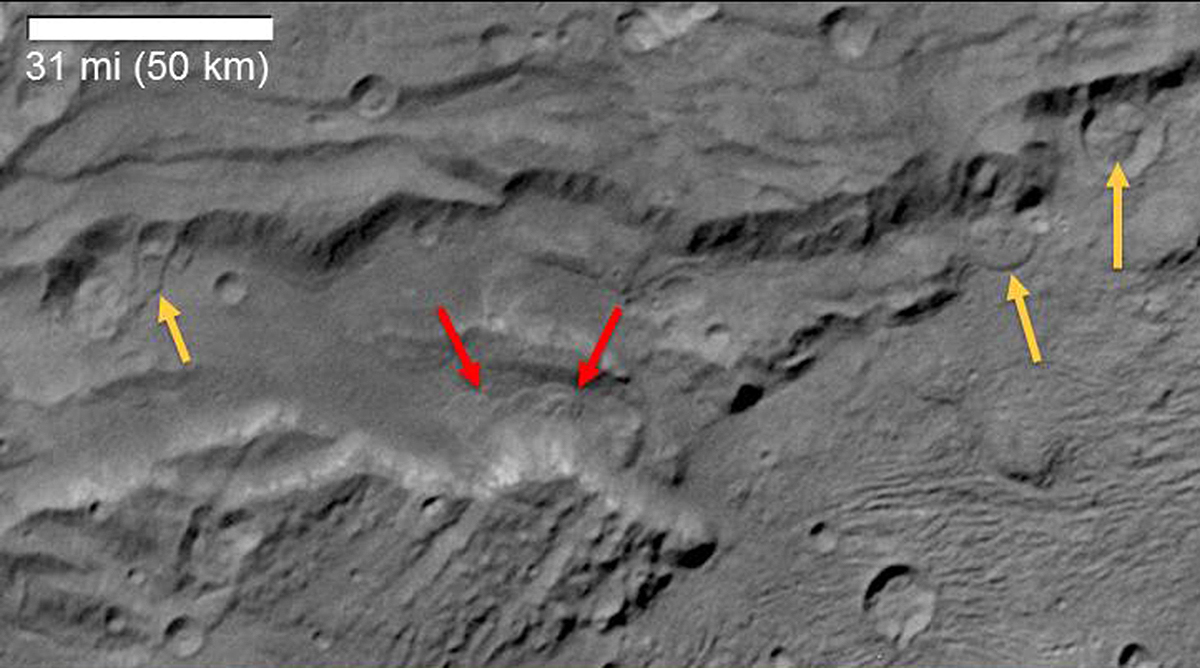
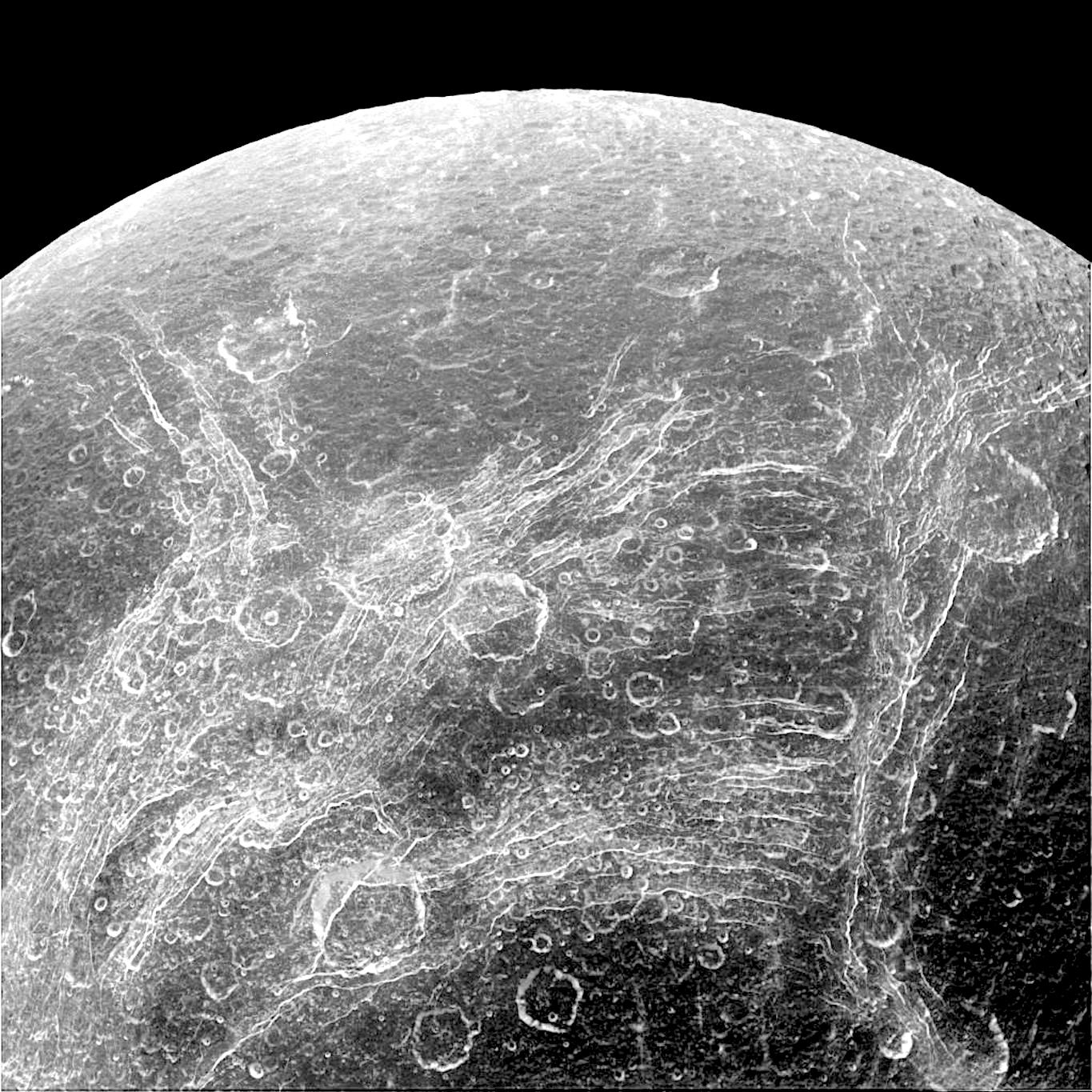
  Jul 4, 2017 Another of Saturn’s moons appears to be all wet. Quickly, bring me a beaker of wine, so that I may wet my mind and say something clever. —Aristophanes According to a recent press release, Saturn’s moon Dione shares a “decoupled” crust “floating” on a subsurface ocean with…

Continue reading

Plasma Cosmogony

Jul 3, 2017 Stars are not formed in gravity wells. A theory about how star systems form must include the most prevalent condition in the Universe: plasma. Stars are born when electric charge flow is confined into filaments that wind around each other, forming z-pinch zones that compress matter in…

Continue reading