Nebular Lights

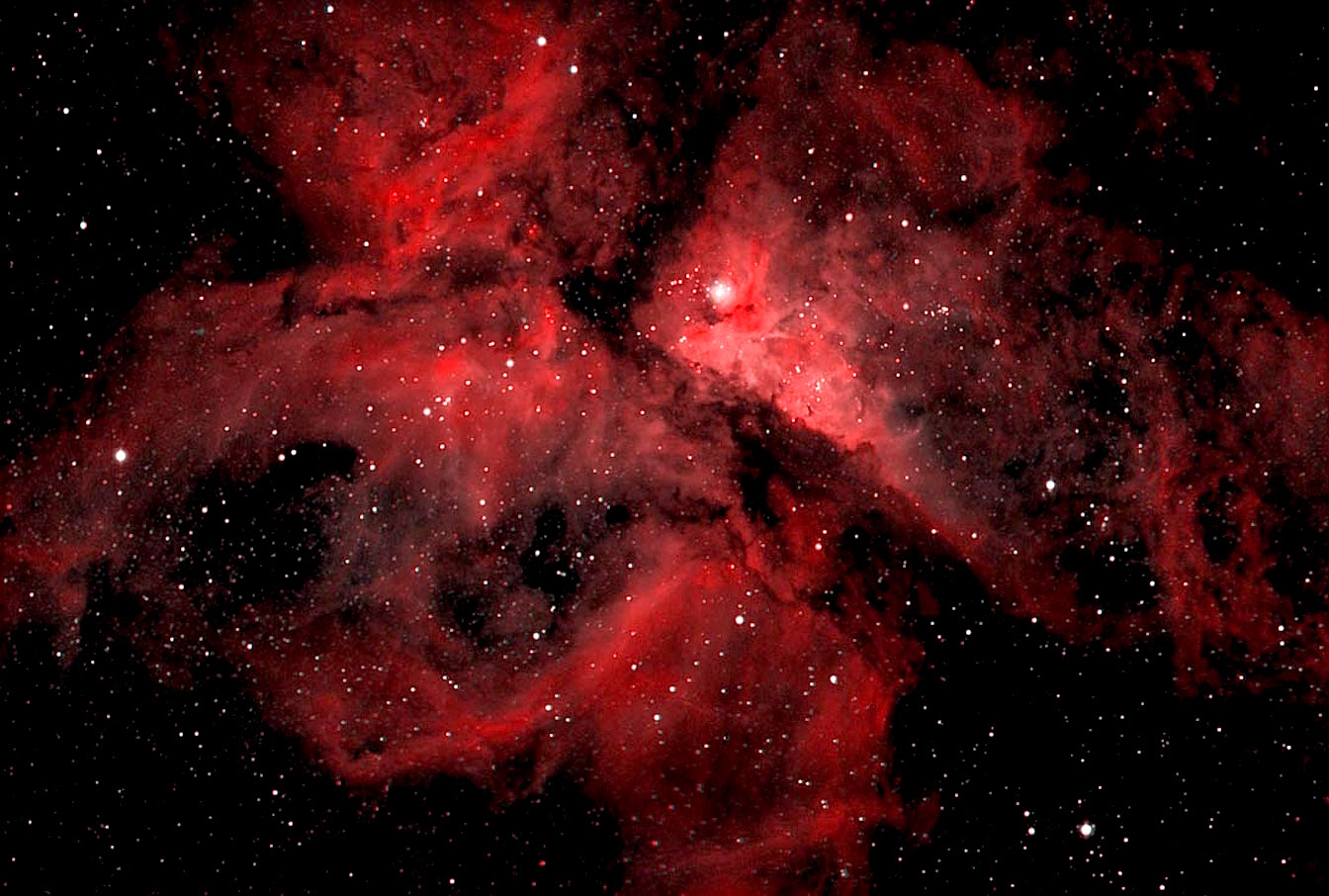
  Mar 01, 2016 What creates X-ray emissions in nebulae? From gamma rays down through X-rays and extreme ultraviolet, conventional theories rely upon gravity and acceleration as the only way for them to be produced in space. Compression of hydrogen gas and dust is supposed to create enough transfer of…
Continue reading

A New View

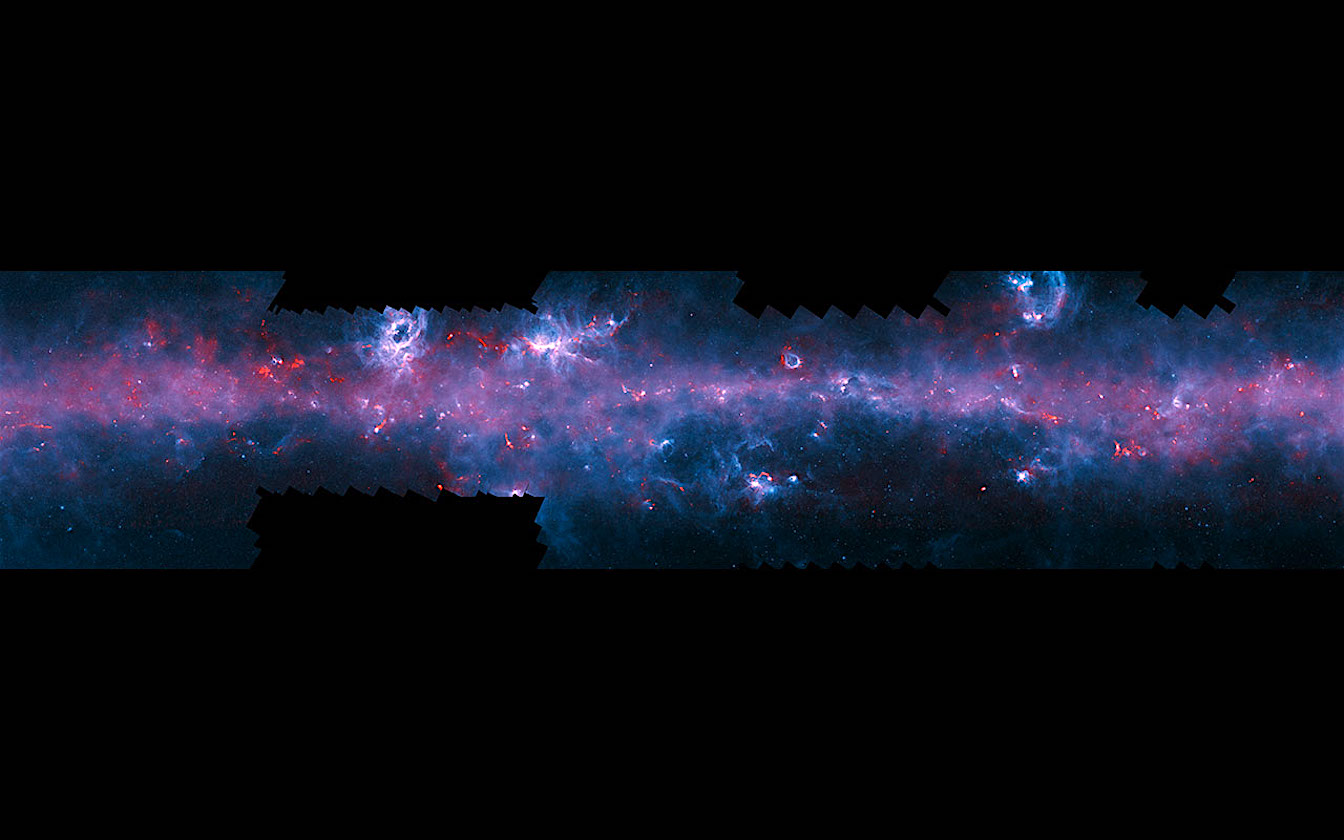
  Feb 26, 2016 Higher resolution images of the Milky Way reveal more complex nebular structures. A recent press release announces the first results obtained from a survey of the Southern sky in sub-millimeter wavelengths. Long wavelength radiation is also known as infrared. Most astronomical investigations focus on the infrared…

Continue reading

Martian Plumes

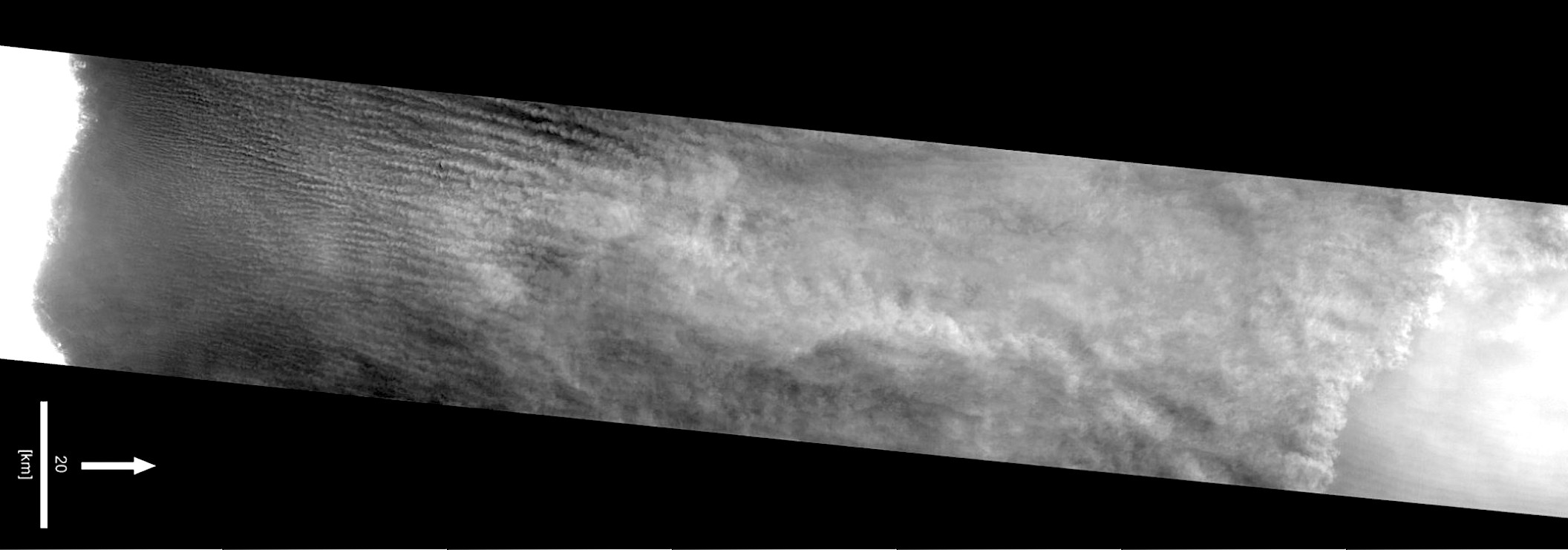
  Feb 25, 2016 Wispy clouds are seen hundreds of kilometers above Mars. Recently, planetary scientists announced the discovery of giant plumes reaching up to 250 kilometers from the Martian surface. Agustin Sanchez-Lavega of the Universidad del País Vasco in Spain wrote in the journal, Nature: “One idea we’ve discussed is…

Continue reading

HILTON RATCLIFFE: “Discovery” of Gravitational Waves | Thunderbolts Podcast

Podcast Twin Black Holes 6a00d8341bf7f753ef01b7c8196d7d970b-800wi

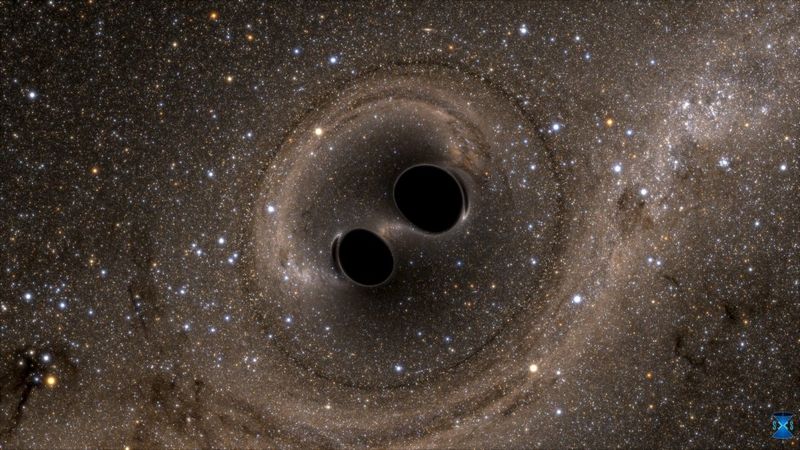
On February 19, 2016, The Thunderbolts Project posted the much-anticipated analysis of its chief science advisor, Wal Thornhill, on the purported discovery of gravitational waves. Within science media and the popular press, there has been very little if any skepticism of this so-called discovery. Given the mathematical and technical complexities…

Continue reading

Electrical Hierarchy

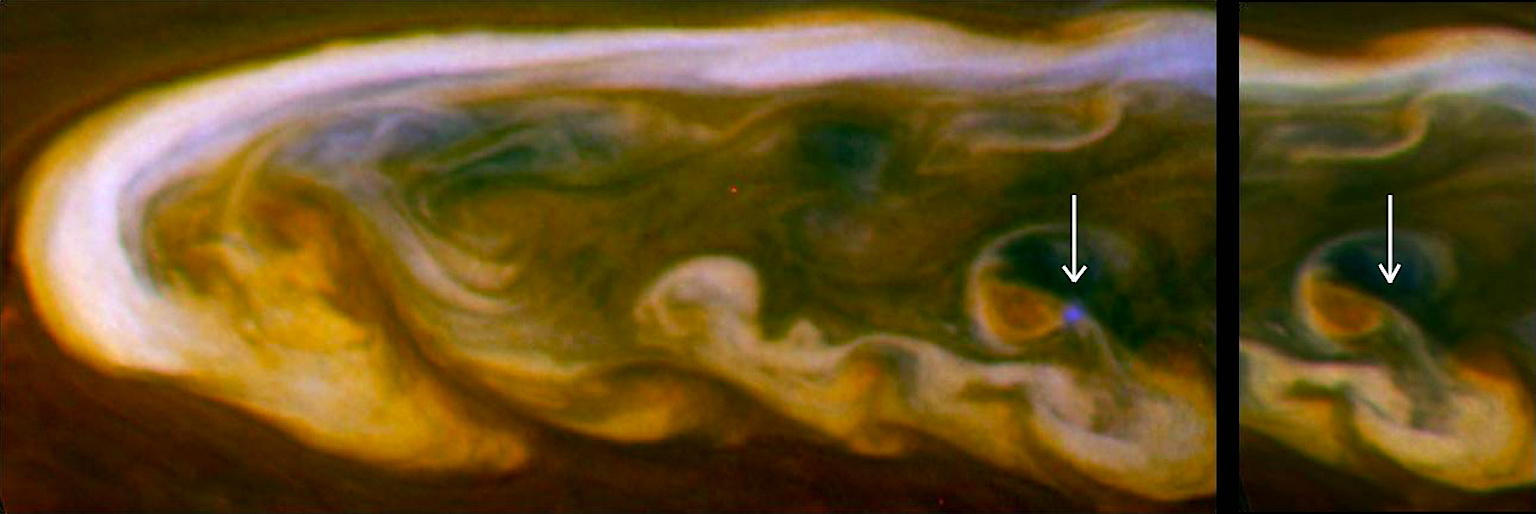
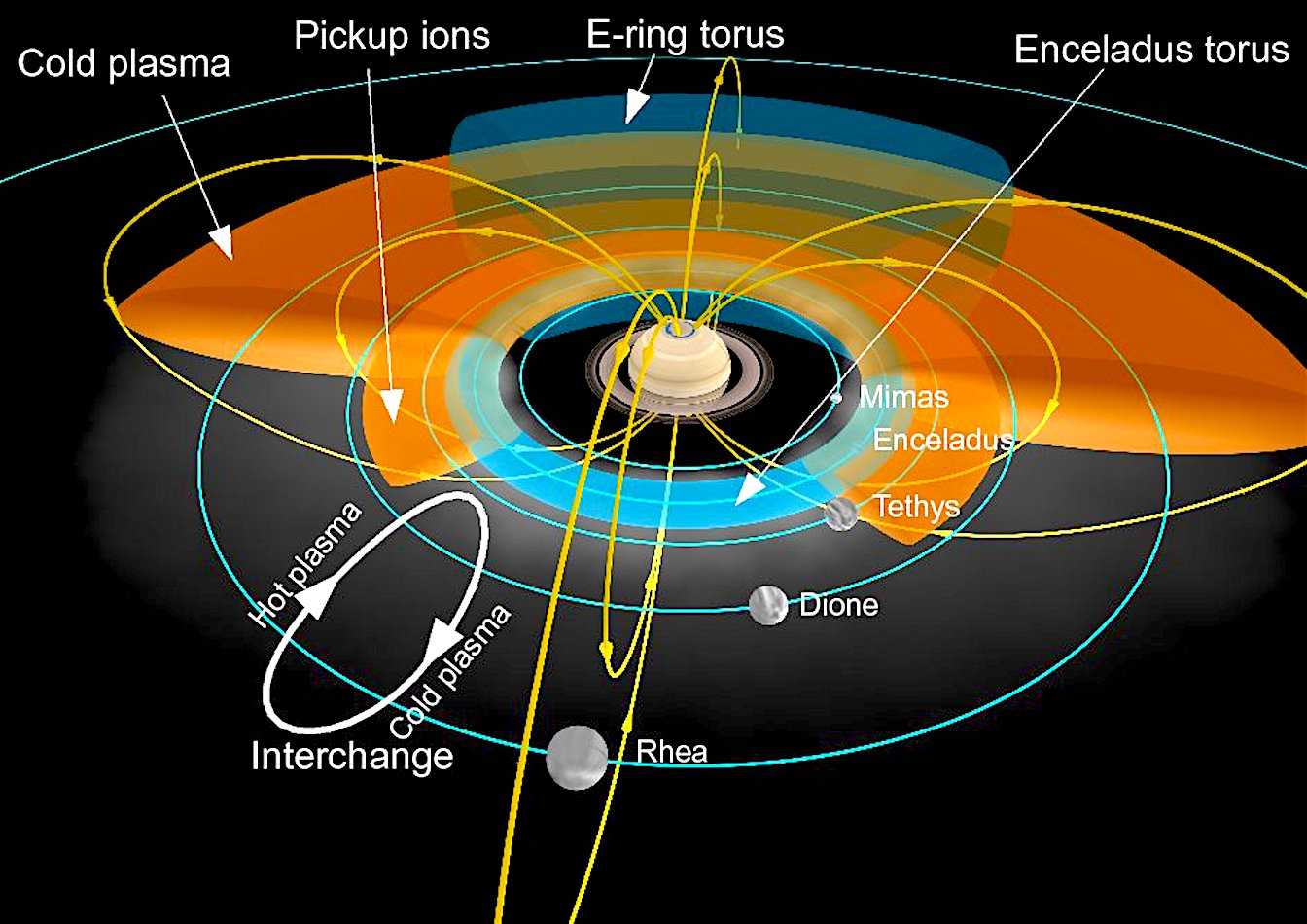
  Feb 23, 2016 Elves could be found in gas giant atmospheres. The plasmasphere of Saturn is highly energetic. The Cassini orbiter found lightning up to a million times more powerful than anything on Earth. It is not surprising that the discovery was made, since Saturn emits 2.3 times more energy than it receives…

Continue reading

Enceladus is Plugged-In

  Feb 22, 2016 Saturn exhibits a circuit between Enceladus and its electrical environment. The Galileo space probe’s mission to Jupiter identified electrical activity between several moons and Jupiter’s vast magnetosphere. What were called “volcanic” plumes erupt from Io, injecting considerable volumes of ionized material into the gas giant’s plasma…

Continue reading