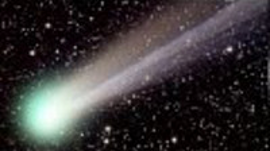
A Charged Comet

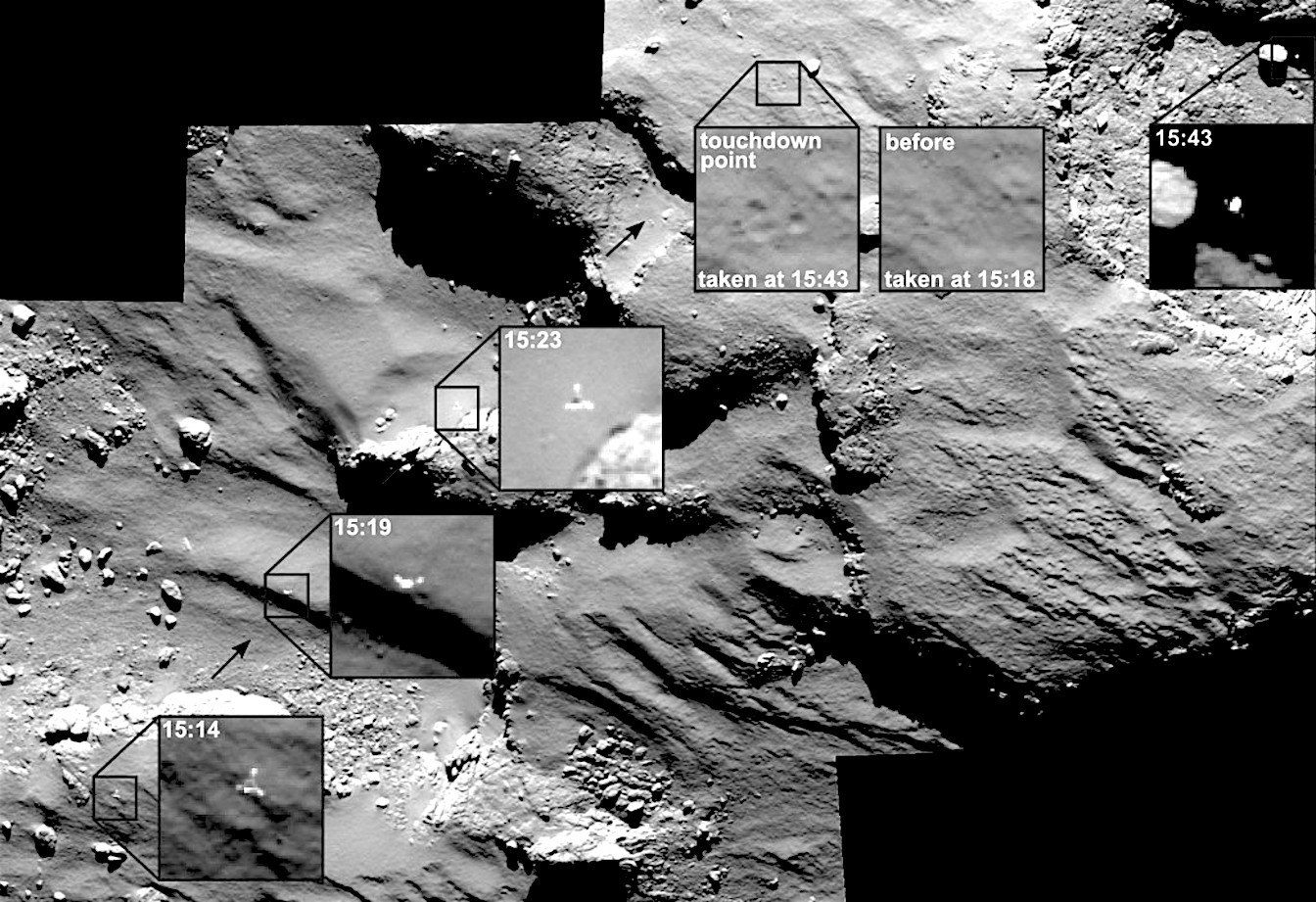
  Mar 21, 2016 Cometary electromagnetic fields are influenced by the Sun. According to a recent press release, the Rosetta Cometary Probe found what appears to be a “magnetic free region” around the nucleus of Comet 67P/Churyumov-Gerasimenko. This observation fits with previous data from the Philae lander, which found that…

Continue reading

Mon R2

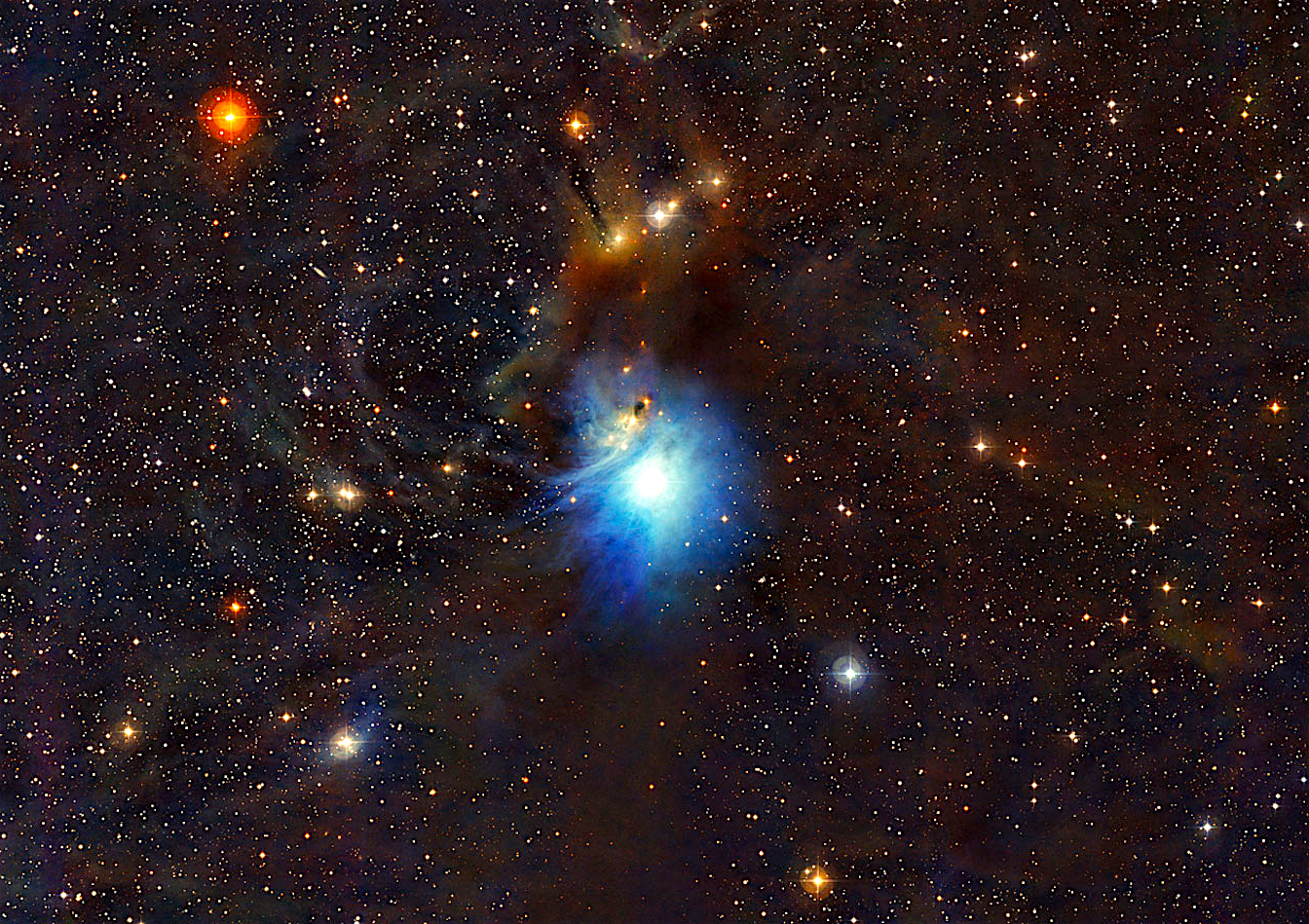
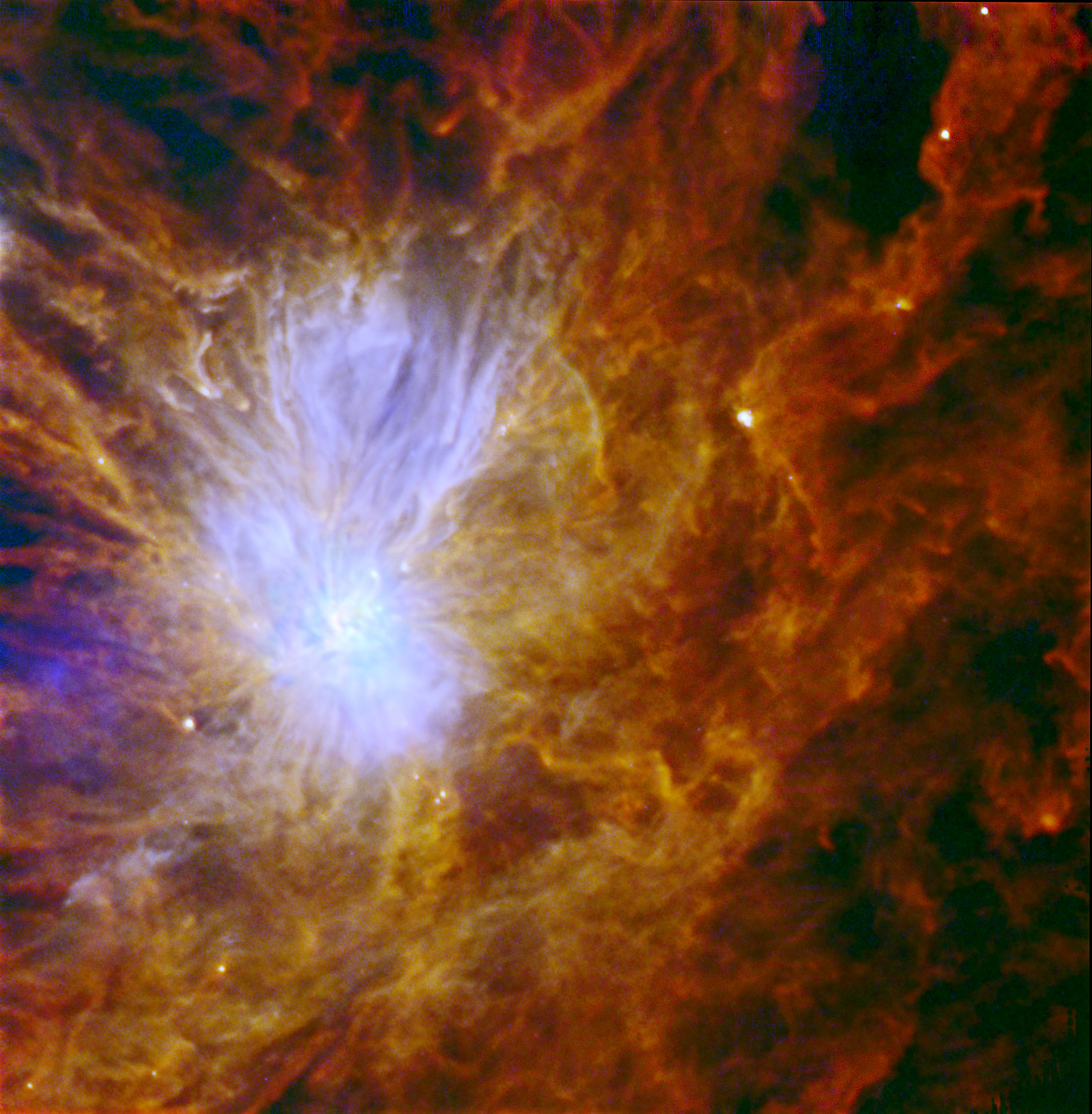
  Mar 17, 2016 Another electrically powered nebula. The standard model of star formation proposes that new stars result from compression waves passing through clouds of dust and gas. It is thought that supernovae explosions from elsewhere in the galaxy push nebulae into a star making process based on gravitational…

Continue reading

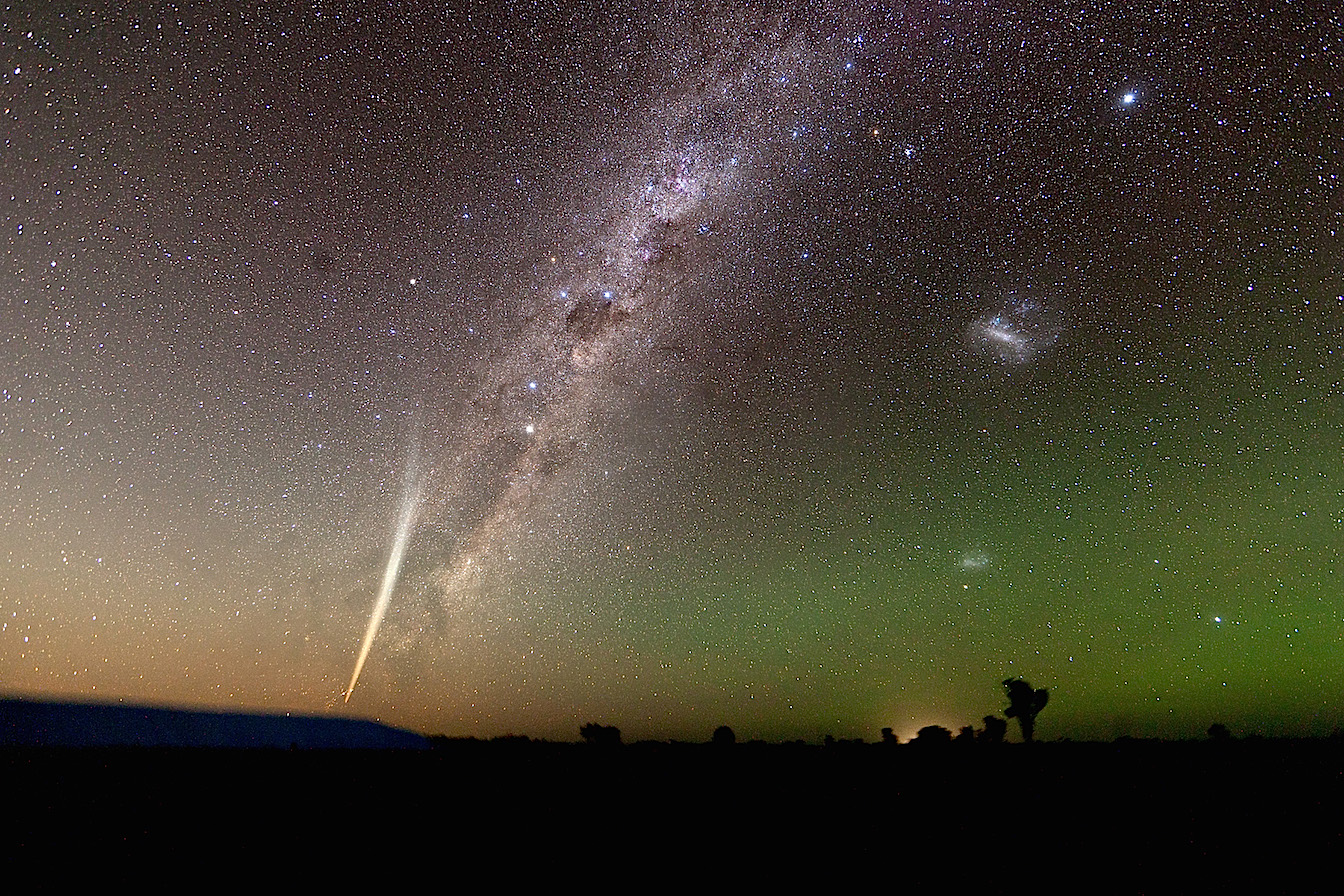
Comet Lovejoy Brightens

Comet_Lovejoy_2011_Milky_Way_Wide_Field

  Mar 16, 2016 The recent activity of comet Lovejoy puts another dent in conventional comet theory. The “dirty snowball” hypothesis should be discarded in favor of electrical activity. Editor’s note: The Picture of the Day is on a brief hiatus, returning on March 18, 2016. Please enjoy this article from…

Continue reading

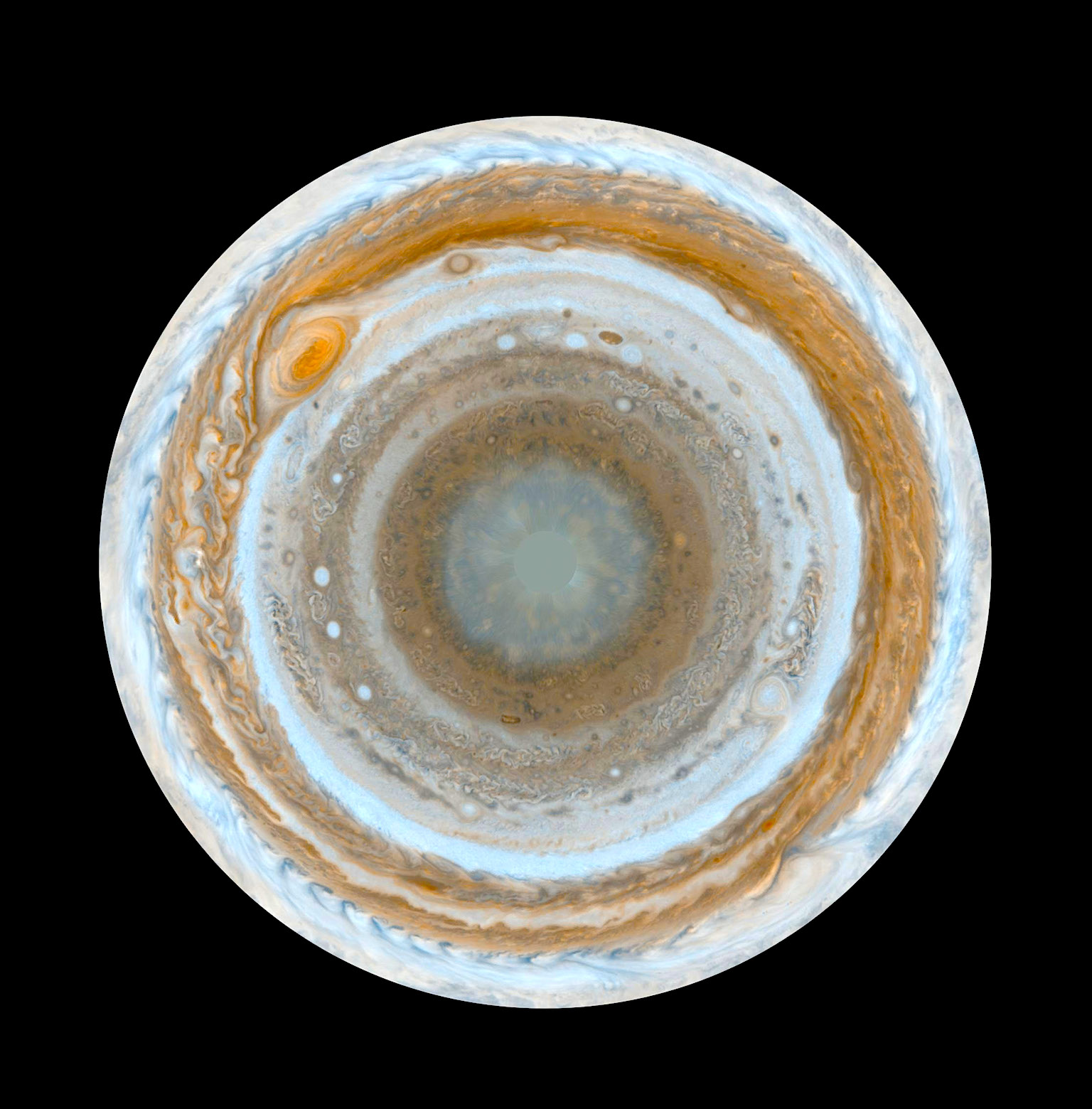
Thermal Axes

  Mar 15, 2016 Hot polar regions are common among planets and moons. Scientists using the Very Large Telescope (VLT) discovered a ten degree Celsius temperature difference above the polar region of Neptune. Another consideration that has not been published regarding Neptune’s polar thermocline, is that the “hot spots” can be…

Continue reading

Surface Conductive Faults

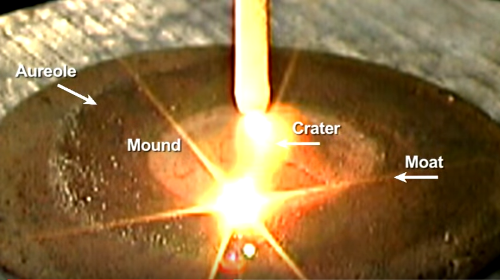
Surface Conductive Faults By Andrew Hall When high voltage electrical circuitry is sufficiently overloaded, or damaged, the current will seek alternative conductive paths to discharge to ground. It causes a dangerous event called an arc flash. Arc flash occurs when the current discharges in an arc through the atmosphere.The result…

Continue reading

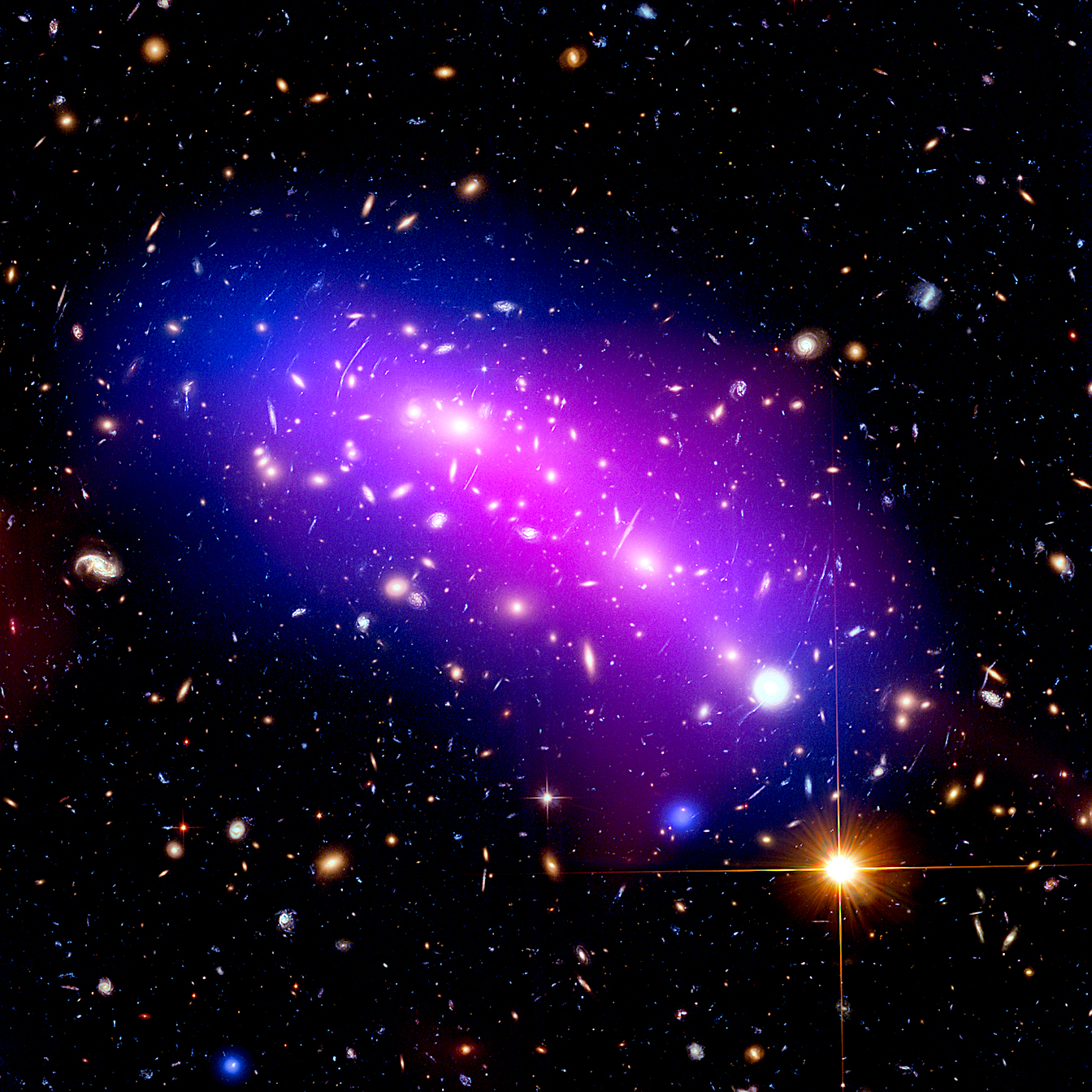
Ripples in Clear Space

  Mar 11, 2016 Where do galactic clumps and filaments come from? One proposal suggests that galaxies are drawn toward the center of galactic clusters through gravitational attraction. What is termed, “blow-back force” by astronomers supposedly pushes galaxies out and away from the direction of travel like a vast comet…

Continue reading