Category: Picture of the Day
A picture and essay from the perspective of the Electric Universe.
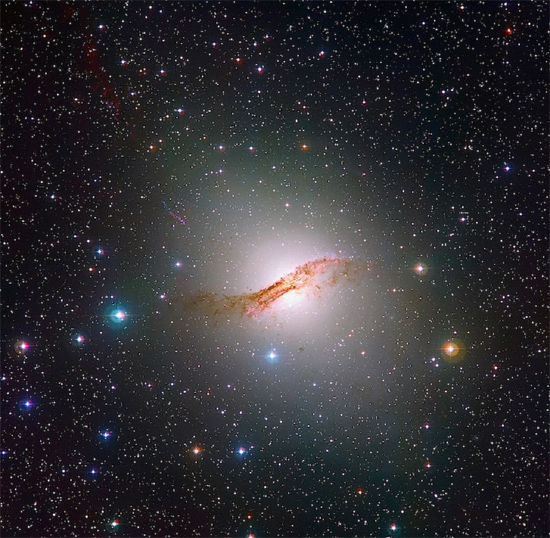
Radio Elliptical
May 09, 2013 One of the largest “active galaxies” is thought to be powered by a supermassive black hole. Electrical energy is a more likely driving force. A recent press release from the European Southern Observatory (ESO) announces that the elliptical galaxy Centaurus A is ejecting a light-years long jet of…
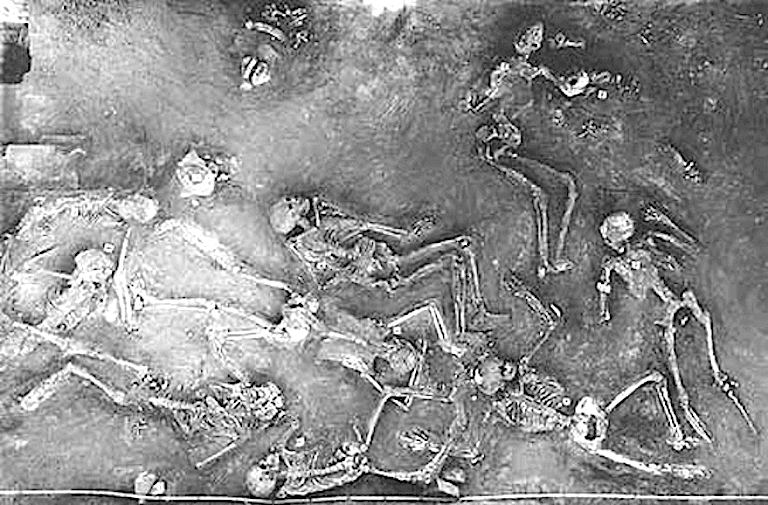
Mohenjo Daro
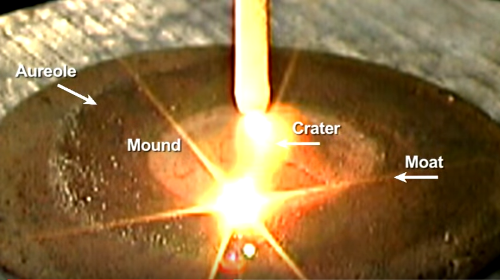
May 08, 2013 Some have suggested ancient technology glassified these Indus Valley ruins but electricity is a more plausible explanation. Mesopotamia and the Fertile Crescent region are thought to be the “birthplace” of civilization and the central focus for human culture dating back to the beginning of recorded history….
New Ideas for New Stars
Filamentary My Dear Watson
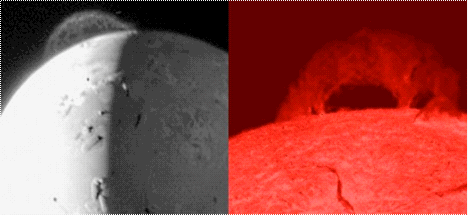
May 06, 2013 Phenomena throughout the visible universe exhibit features that are twisted and “stringy”. From plume to prominence it is plasma interactions that we see. In previous Picture of the Day articles, there have been many discussions about formations cut in stone or puffed-out in clouds of ionized gas that are not…
Tick Tock
Cluster Wires
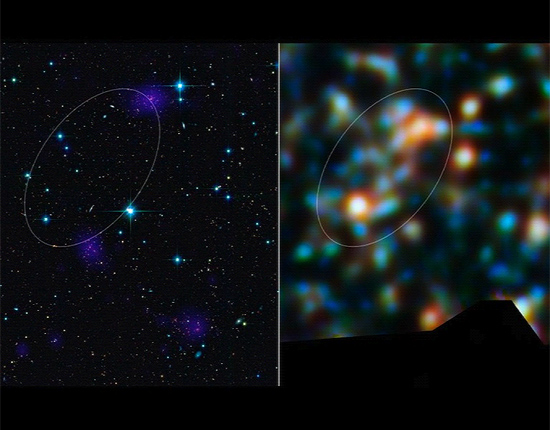
May 02, 2013 A galaxy-wide filament connects two galactic clusters. The Herschel Space Observatory possesses the largest mirror ever launched into space: 3.5 meters in diameter. Herschel entered orbit around LaGrange point L2 (behind Earth in relation to the Sun) in July 2009, so that its extremely sensitive, supercooled infrared detectors…
Electric Devils
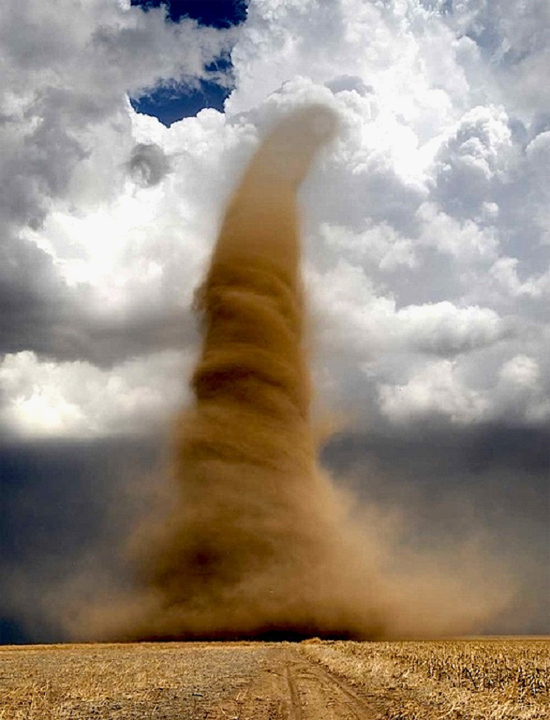
May 1, 2013 Martian dust devils exhibit electrical characteristics. There are also electric whirlwinds on Earth. As long ago as March 2005, Electric Universe advocates wrote about the surprising discovery of dust devils spinning across the Martian deserts. Cameras in space, as well as on the Martian surface returned…
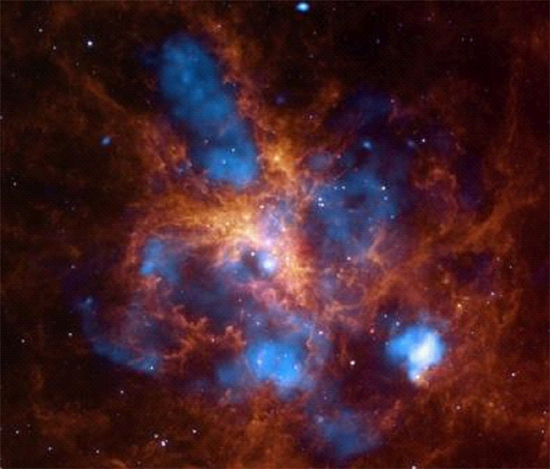
Troubles With Bubbles
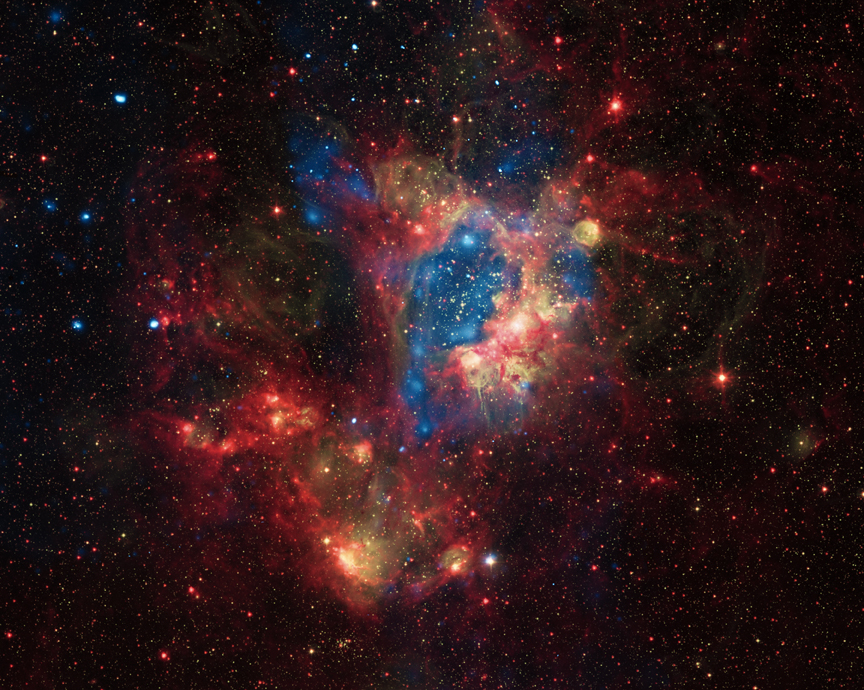
Apr 30, 2013 Both nuclear powered stars and electrically powered stars produce bubbles in the plasma surrounding them. From that common observational beginning, the theoretical explanations diverge. Nuclear generated bubbles come in two types: planetary nebulae (PNs) and supernova (SN) remnants. The PNs are bubbles that are produced during a star’s…