Electrical Expressions

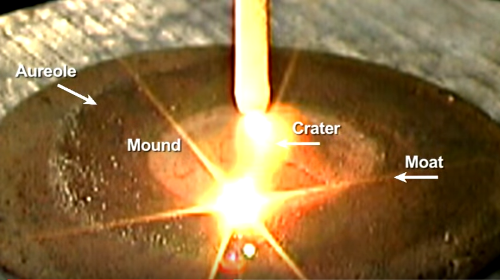
  Jan 13, 2017 Electric charge flow in space defines many phenomena. Plasma is not a substance, it is a condition. Matter is categorized by four states: solid, liquid, gas, and plasma, therefore, those conditions cannot be analyzed in simple terms. Solids exhibit multiple aspects, including dimension, temperature, composition, etc….

Continue reading

Hydra

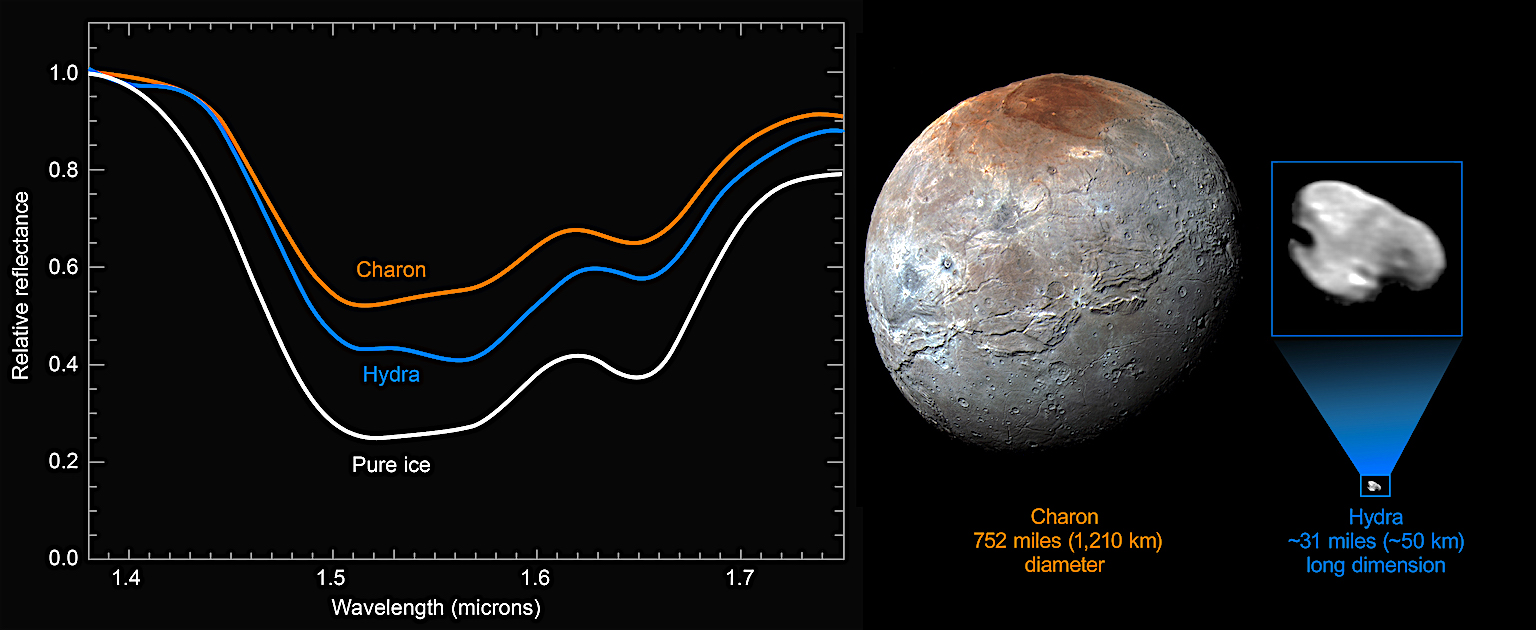
  Jan 10, 2017 Another asymmetrical moon of Pluto. NASA launched the New Horizons mission on January 19, 2006. Nine years later, the spacecraft flew by the dwarf planet Pluto on July 14, 2015. Infrared and spectral analyses should provide data sufficient to keep planetary scientists occupied for years. An estimated…

Continue reading

Dying And Flying

  Jan 9, 2017 Changing your beliefs feels like dying. Whether it’s religion, politics, or science, letting go of the complex of ideas that provides an orderly explanation for your life and your experiences seems like falling into chaos and oblivion. It seems suicidal even to loosen your grip on…

Continue reading

Natural Pyramids

  Jan 6, 2017 Is it erosion that carved these shapes? Some scientists think that the Egyptians copied their pyramids from natural formations. The Black Desert, among other locations, provides evidence for that contention. In the image at the top of the page is a large pyramid-shaped monolith in Wadi…

Continue reading

Star Magnets Part Two

  Jan 5, 2017 Magnetic fields in stars are not rare, study finds. According to a recent press release, astronomers from the University of Sydney, New South Wales, Australia “…discovered strong magnetic fields are common in stars, not rare as previously thought.” Pictures of the Day often note that astronomers…

Continue reading

The Iturralde Structure

  Jan 4, 2017 Is this Bolivian crater an impact site? It is the contention of Electric Universe proponents that many (if not all) large “impact” craters on Earth are actually the result of interplanetary electric discharges. Previous Picture of the Day articles describe some of those formations: Manicouagan, Popigai,…

Continue reading

Star Magnets Part One

  Jan 3, 2017 What prevents stellar dissipation? Children are taught from an early age that stars are “burning” balls of hydrogen gas. According to standard theories, it is a star like the Sun’s gravitational attraction that keeps planets, along with all other material, in orbit. Fusion fire releases energetic…

Continue reading

Clenched by Iron Bands

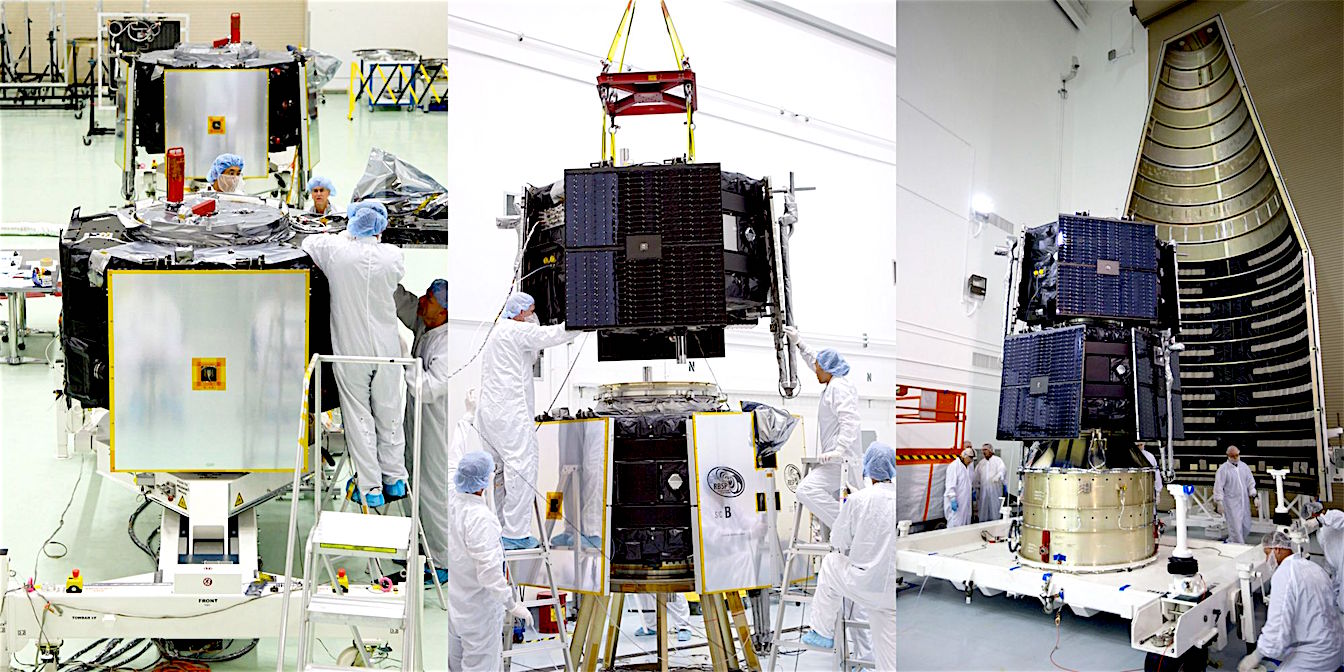
Jan 2, 2017 Is it liquid metal that circulates below the surface? On November 23, 2013 the European Space Agency (ESA) launched the Swarm mission satellites from the Plesetsk Cosmodrome in northern Russia. Swarm consists of three identical orbiters, Alpha, Bravo and Charlie, placed in two different orbital planes. Alpha and…

Continue reading