Ganymede

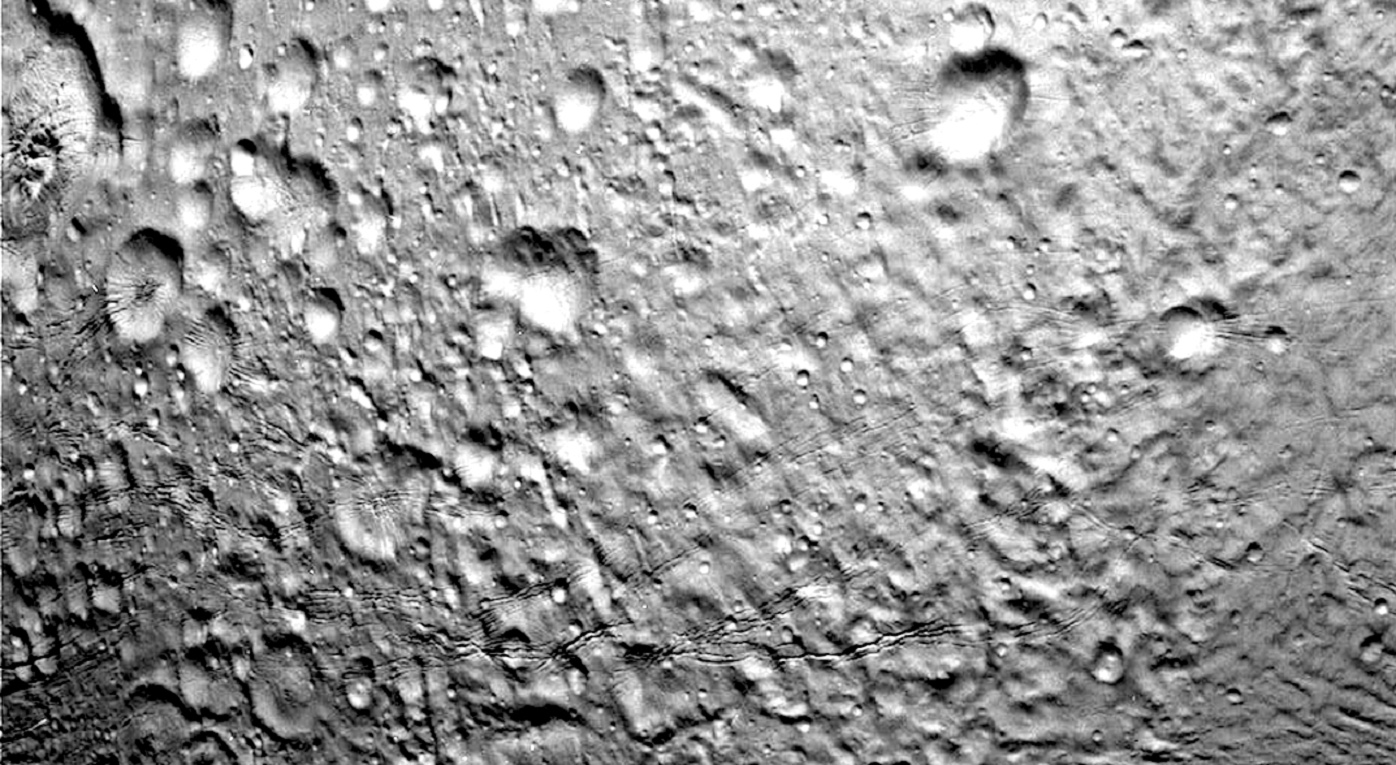
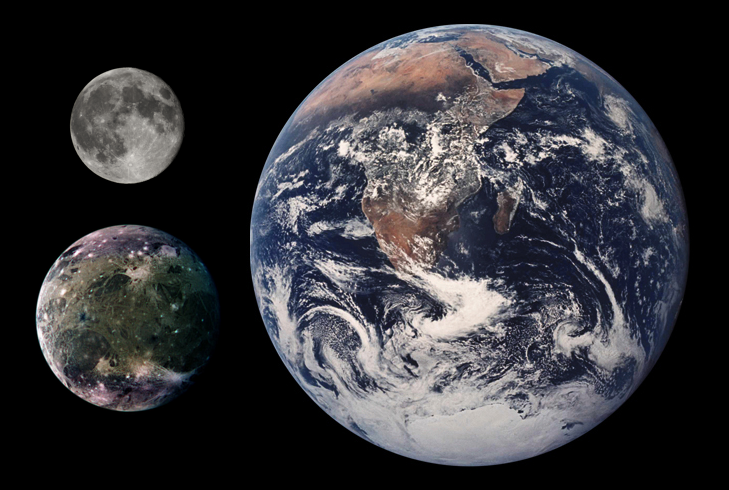
  Feb 20, 2014 The largest moon in the Solar System shows signs of what could be electric scarring. Jupiter and its moons have been the destination of several deep space missions over the last four decades. Beginning with Pioneer 10 in 1973, and including the most recent visit by  New Horizons, seven different camera…

Continue reading

The Universe in Lace

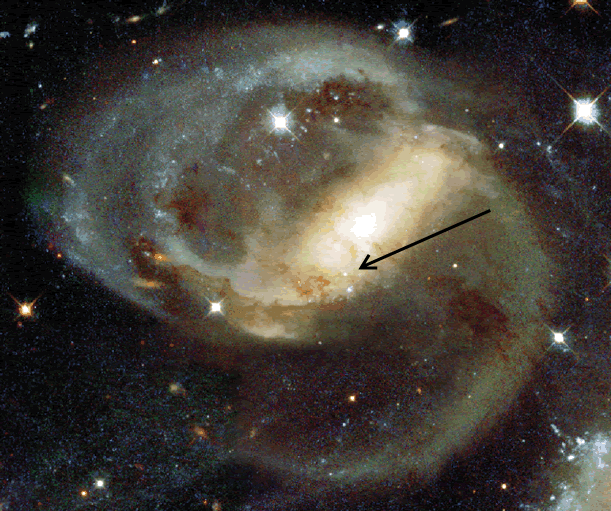
Feb 12, 2014 Is the recently announced “cosmic web” based on erroneous conclusions? A press release from the University of California, Santa Cruz (UCSC), reports observations of the filamentary structure that comprises the Universe. A nebula exceeding 2 million light-years across, surrounding a quasi-stellar radio source (quasar) known as UM287,…

Continue reading

Dry Water

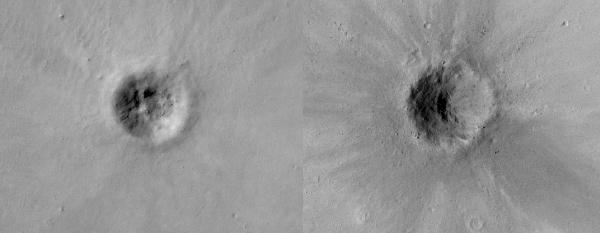
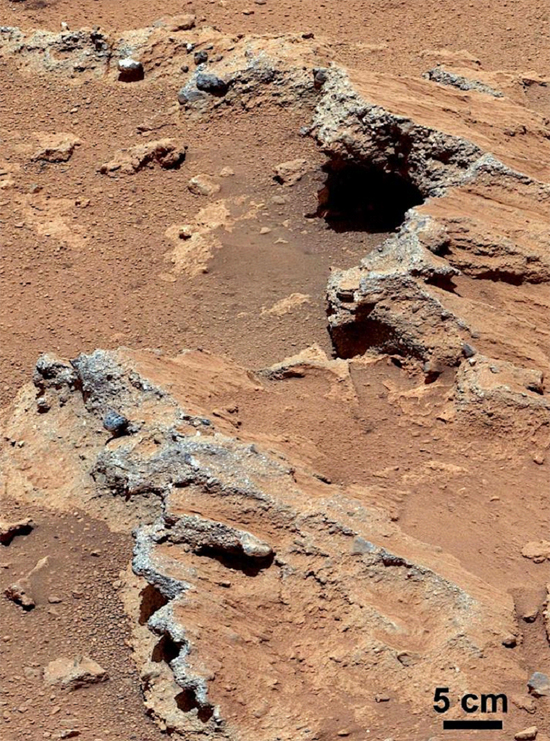
  Feb 07, 2014 Several previous Picture of the Day articles take issue with the idea that Mars once flowed with liquid water. Since Mars is now a freeze-dried, barren wasteland of rocks and dust, it is presumed that the supposed water features there evaporated over millions of years. When…

Continue reading

Ceres Ahead

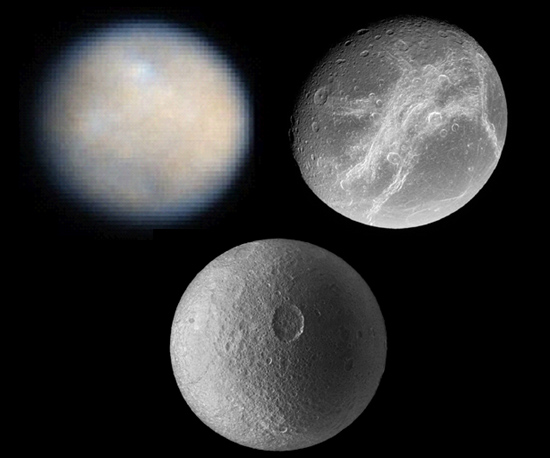
  Feb 03, 2014 The Dawn spacecraft will arrive at Ceres in August of 2015 Ceres is the largest asteroid in the Solar System. The most recent measurement from the Hubble Space Telescope puts it at approximately 975 kilometers in mean diameter. It is so large that it is roughly…

Continue reading

Knot So Fast!

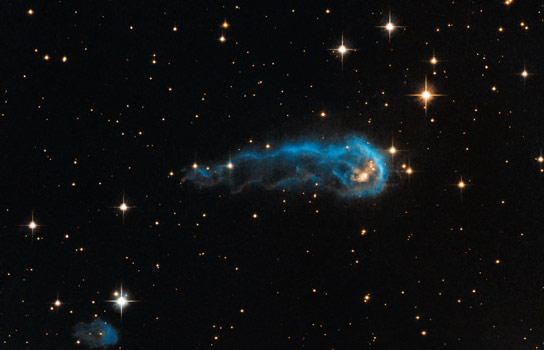
  Jan 31, 2014 Well-organized phenomena in space cannot be solely based on mechanical action. A recent press release from the Hubble Space Telescope science team announces a “cosmic caterpillar” in the constellation Cygnus. This knotted structure is said to be caused by “harsh winds from extremely bright stars…” The stellar winds are…

Continue reading

Solar Bursts

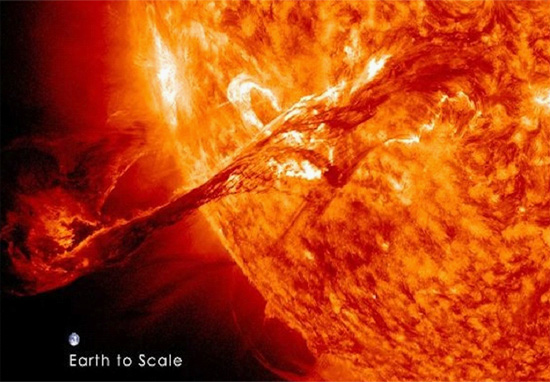
    Jan 29, 2014 The intensity of the Sun’s magnetic field and solar wind periodically decline to low levels but explosive events are possible. On August 25, 1997, NASA launched the Advanced Composition Explorer (ACE) satellite on a mission to monitor energetic ions coming from the Sun, as well…

Continue reading