Stone Monoliths Part Two

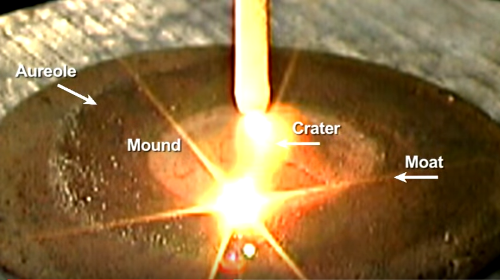
  May 29, 2014 Stones as large as mountains could be physical evidence for interplanetary lightning bolts on Earth. In the last installment about immense solitary stones that are found all over the world, it was noted that several of them in Australia and Europe could be the result of tremendous electric arcs. The magnetic…

Continue reading

Shrink Spot, Shrink

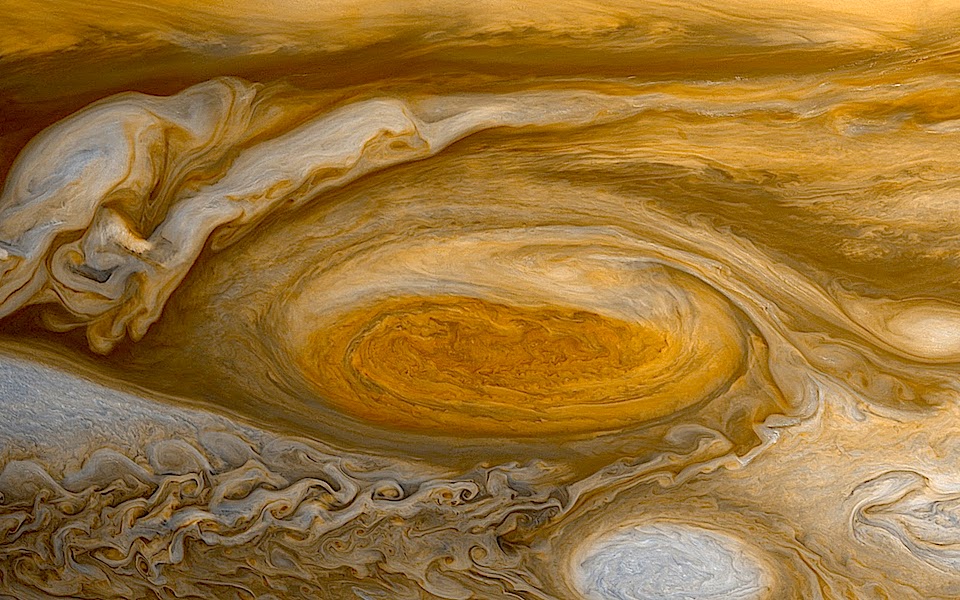
  May 28, 2014 The size of Jupiter’s red vortex is smaller than ever. For over 300 years, the Great Red Spot has persisted in Jupiter’s atmosphere—longer than telescopes have existed to see it. It is commonly believed to be a cyclonic storm driven by thermal convection from deep inside…

Continue reading

Stone Monoliths

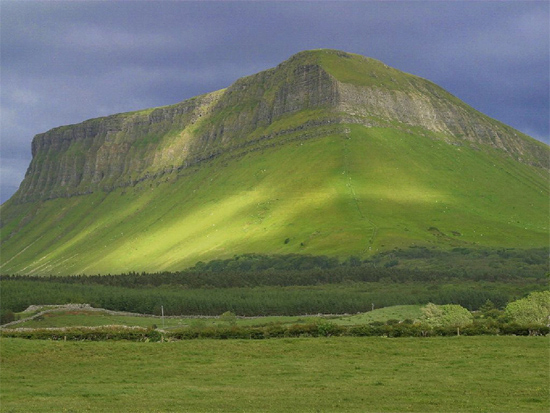
  May 27, 2014 On every continent are examples of isolated stone mountains that are not easy to explain. Mount Augustus in Australia is an example of a sandstone monolith that could be the largest of those monoliths that also includes Uluru. Mount Augustus, or Burringurrah to the local Wadjari people, is an…

Continue reading

Solar Waves

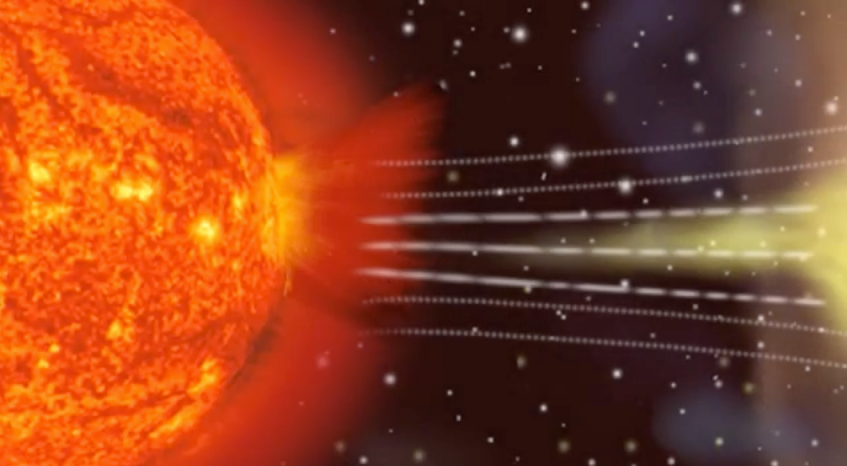
  May 26, 2014 What causes the solar wind to accelerate away from the Sun? NASA launched the Wind spacecraft on November 1, 1994, sending it into orbit around the L1 Lagrange point because it is an ideal position for solar observatories. The five Lagrange points represent two stable and…

Continue reading

Lightning in the Wind

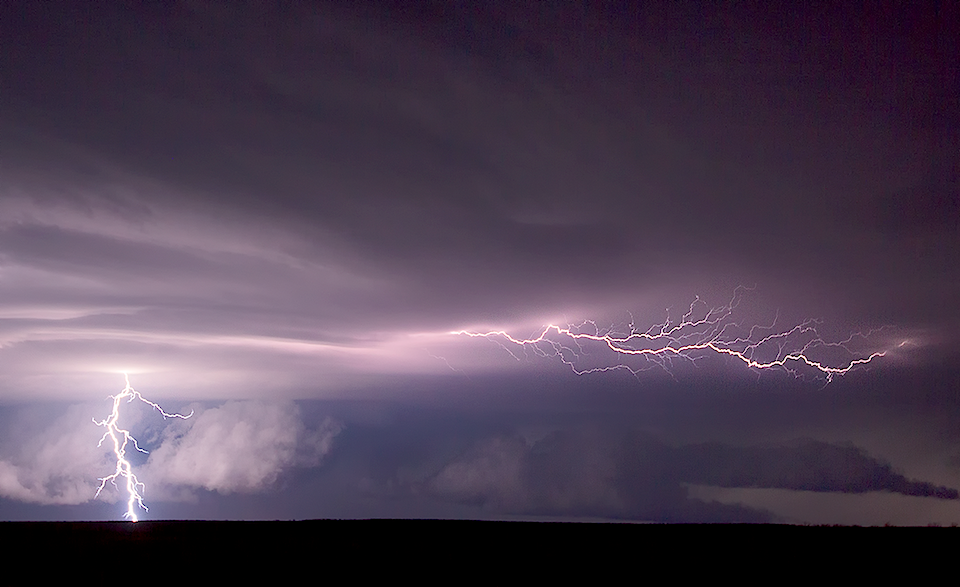
  May 23, 2014 Ionized particles from the Sun contribute to electric discharges on Earth Electric Universe theories propose that plasma discharge behavior is a better model for solar activity than most consensus opinions would like to accept. Experiments using a positively charged sphere show that a plasma torus forms above…

Continue reading

Holes in Space

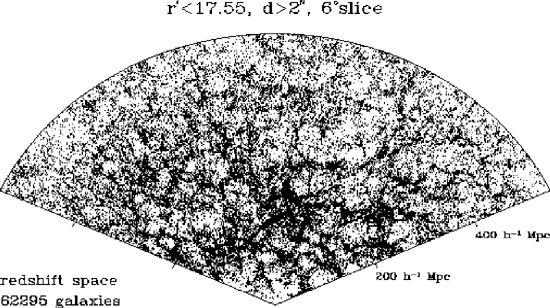
  May 23, 2014 In the gravitational model of the universe, “dark matter” attraction pulls galaxies into filaments. Birkeland currents could be a better explanation. A paper in the astronomical journals and popular press identifies an area of space as a “huge hole” completely empty of matter and energy. “Not only has no…

Continue reading

Circular Afterglow

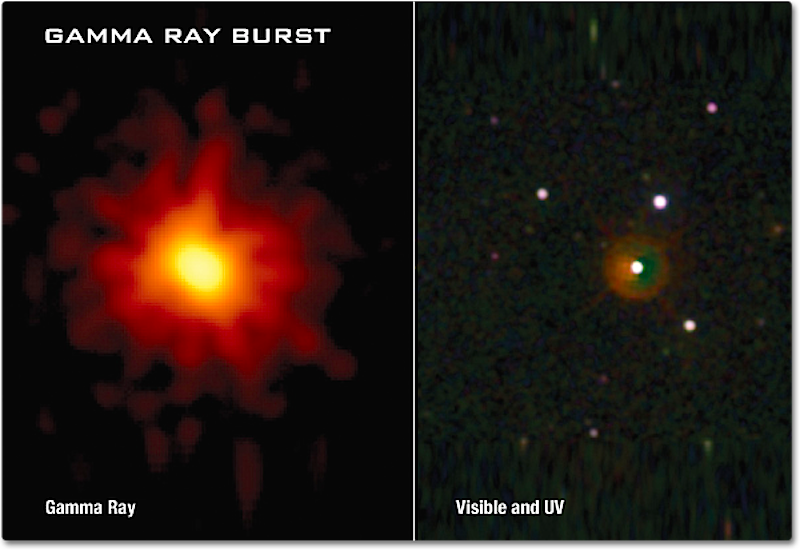
May 21, 2014 Some gamma ray bursts exhibit unusual characteristics. When charged particles are accelerated in an electric field, they emit synchrotron radiation that creates X-rays and gamma rays—something that has been demonstrated in laboratory experiments. Gamma rays are a class of theoretical “electromagnetic particles” called photons, which are said…

Continue reading