Anything Goes

  May 19, 2014 Science advances through irrational methods. “I was bold in the pursuit of knowledge, never fearing to follow truth and reason to whatever results they led, and bearding every authority which stood in their way.” — Thomas Jefferson It is a common perception that “we stand on the…

Continue reading

Precessional Magnetar

May 16, 2014 A toroidal magnet field is said to be embedded in a magnetar. “Magnetars” are usually classified as “X-ray pulsars (AXP)” or “soft gamma repeaters (SGR)”. As conventional theories argue, they are created when neutron stars reach magnetic field strengths measuring over 10^15 Gauss. Earth’s magnetic field is…

Continue reading

The Polarized Milky Way

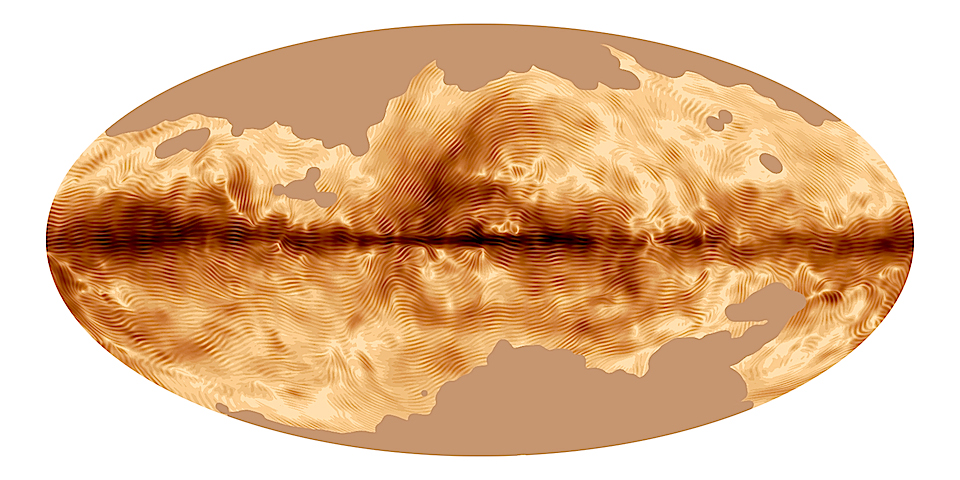
May 15, 2014 Electromagnetic fields guide light in specific ways. The image above is from the Planck satellite, now defunct, that was launched by the European Space Agency (ESA) in May 2005, along with the Herschel Space Observatory, which also recently ended its mission. According to ESA, Planck’s mission was…

Continue reading

Martian Water?

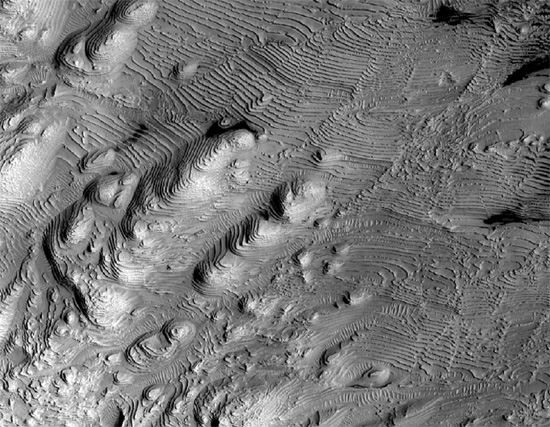
  May 13, 2014 Structures on Mars that resemble Earth’s hydrothermal vents or eroded mounds have sparked renewed interest in water flowing over the Red Planet. Mounds on Mars are thought to be the remains of ancient hydrothermal vents because they have a similar appearance to fossilized “mound springs” in the Australian Outback, so…

Continue reading

Dust to Dust

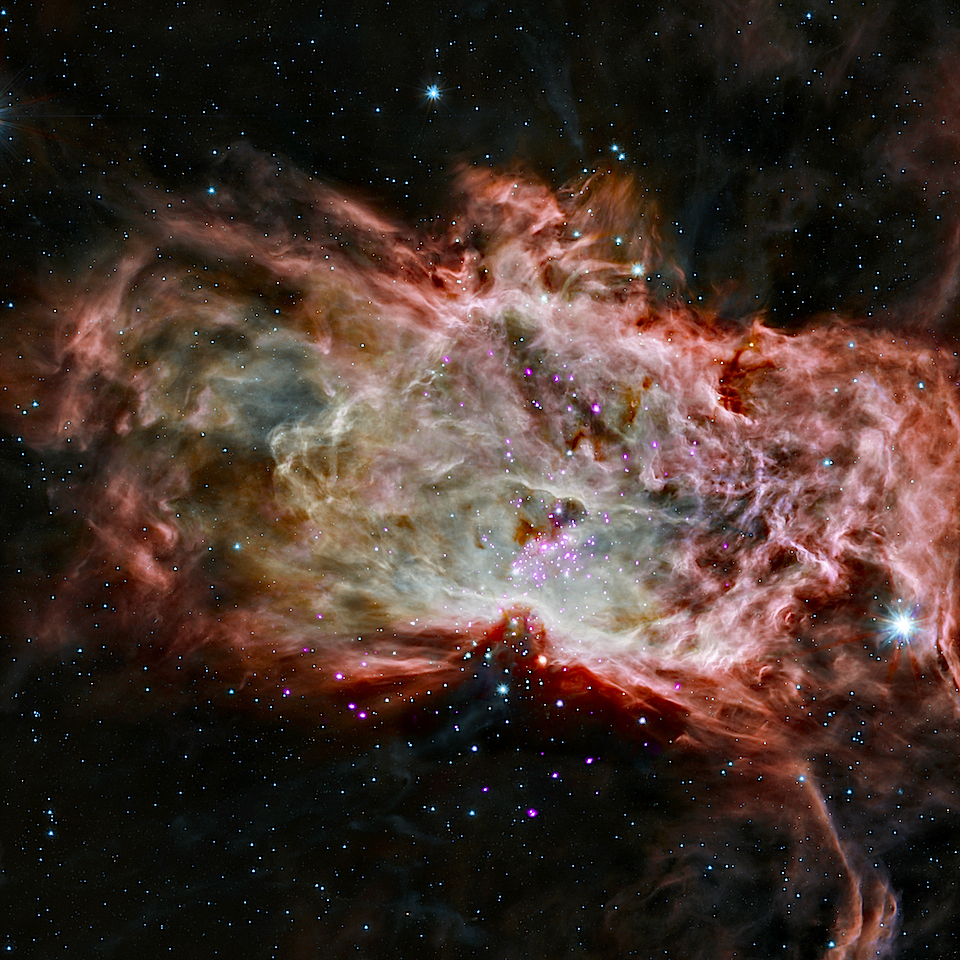
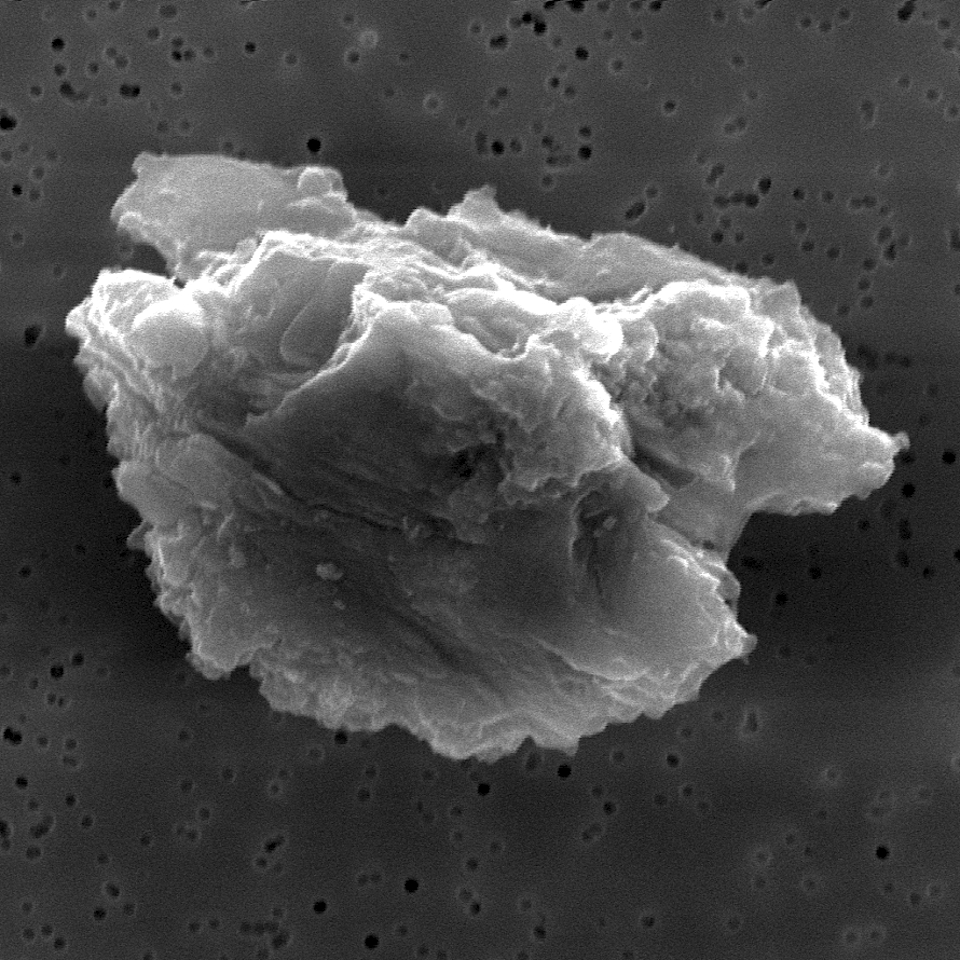
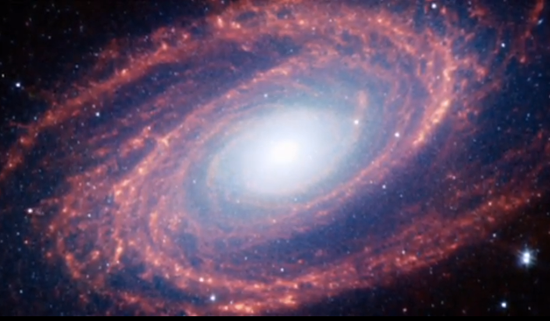
  May 09, 2014 Assembling the Universe requires dusty plasma. Dust in space is said to be formed because stars condense out of dusty protoplanetary nebulae. The current theory of star formation was originally proposed by Immanuel Kant and Pierre Simon Laplace in the Eighteenth Century. A nebula is said…

Continue reading

Fiat Lux!

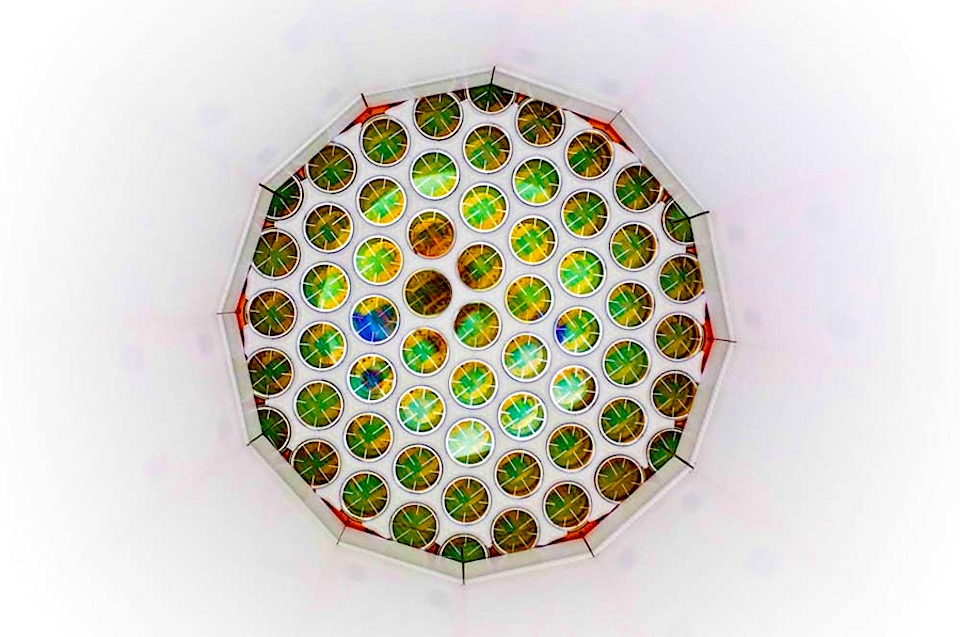
  May 07, 2014 So far, no dark matter candidates have been detected. Dark matter, as previous Picture of the Day articles report, is undetectable, except through its supposed gravitational interactions with luminous, or baryonic matter. Large, expensive experiments are currently investigating many aspects of its hidden qualities, including a…

Continue reading

Neptune is Plugged-in

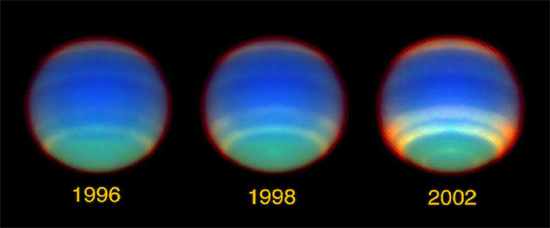
  May 06, 2014 A Neptune Year has Passed. The planet Neptune is the eighth and farthest planet from the Sun. Neptune’s mean diameter is approximately 49,250 kilometers, with a mean orbital radius of 4,503,443,661 kilometers, and a year of 164.79 Earth years. Neptune is a massive planet, with an escape…

Continue reading