Father Sky

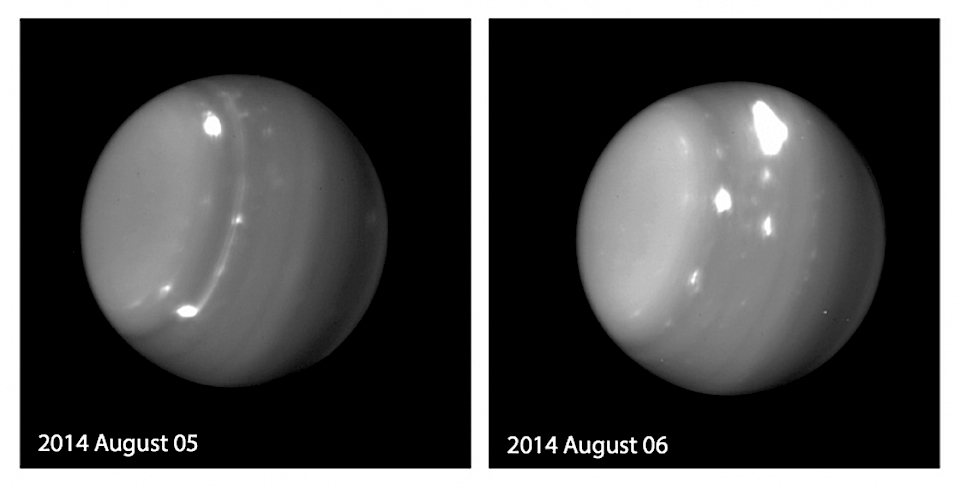
  Aug 15, 2014 Uranus exhibits activity similar to the other gas giants. The planet Uranus is 50724 kilometers in diameter at the equator, meaning the widest part of the planet, although its equator is tilted almost 90 degrees past horizontal when compared to all other planets in the Solar…
Continue reading

Merger or Division?

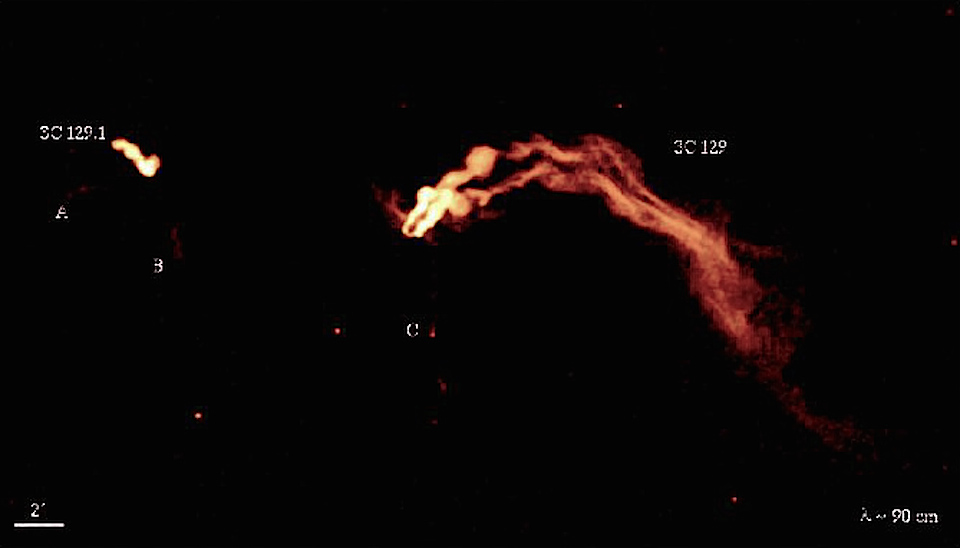
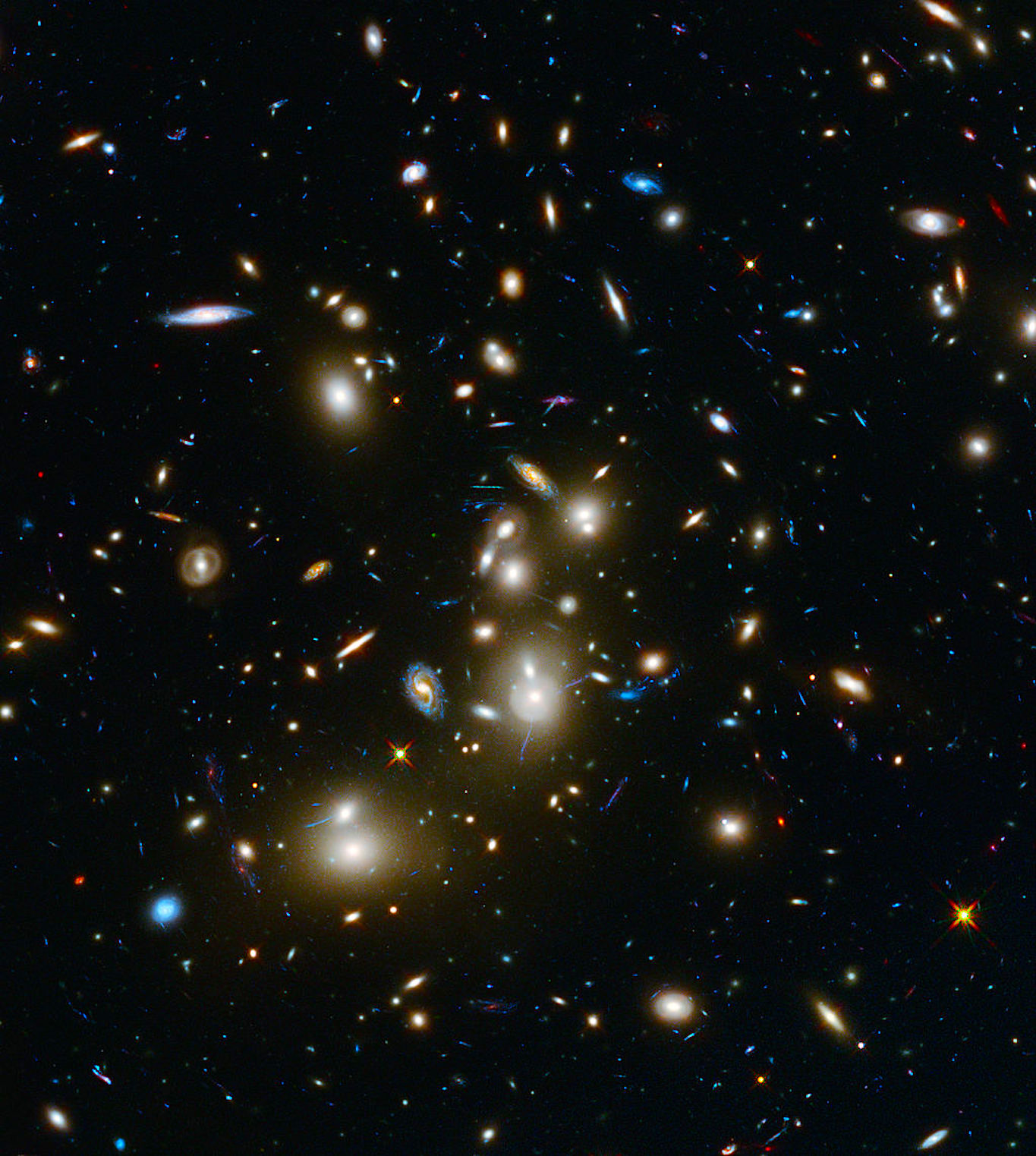
Aug 13, 2014 Are colliding galaxies actually separating? Astronomer Halton Arp discovered several relationships between various galaxies, and between galaxies and quasars, that led him to speculate that redshift is not an indicator of recessional speed or of distance to remote celestial objects. Observations of those remote objects seem to…

Continue reading

Dry Water

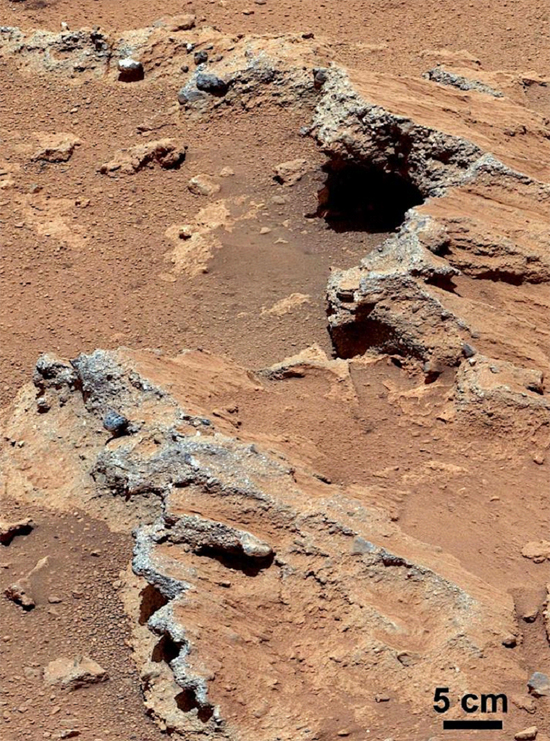
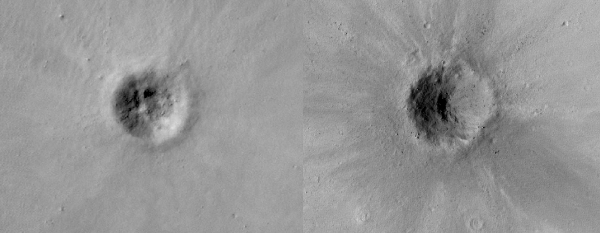
  Aug 11, 2014 Several previous Picture of the Day articles take issue with the idea that Mars once flowed with liquid water. Since Mars is now a freeze-dried, barren wasteland of rocks and dust, it is presumed that the supposed water features there evaporated over millions of years. When the…

Continue reading

In Orbit

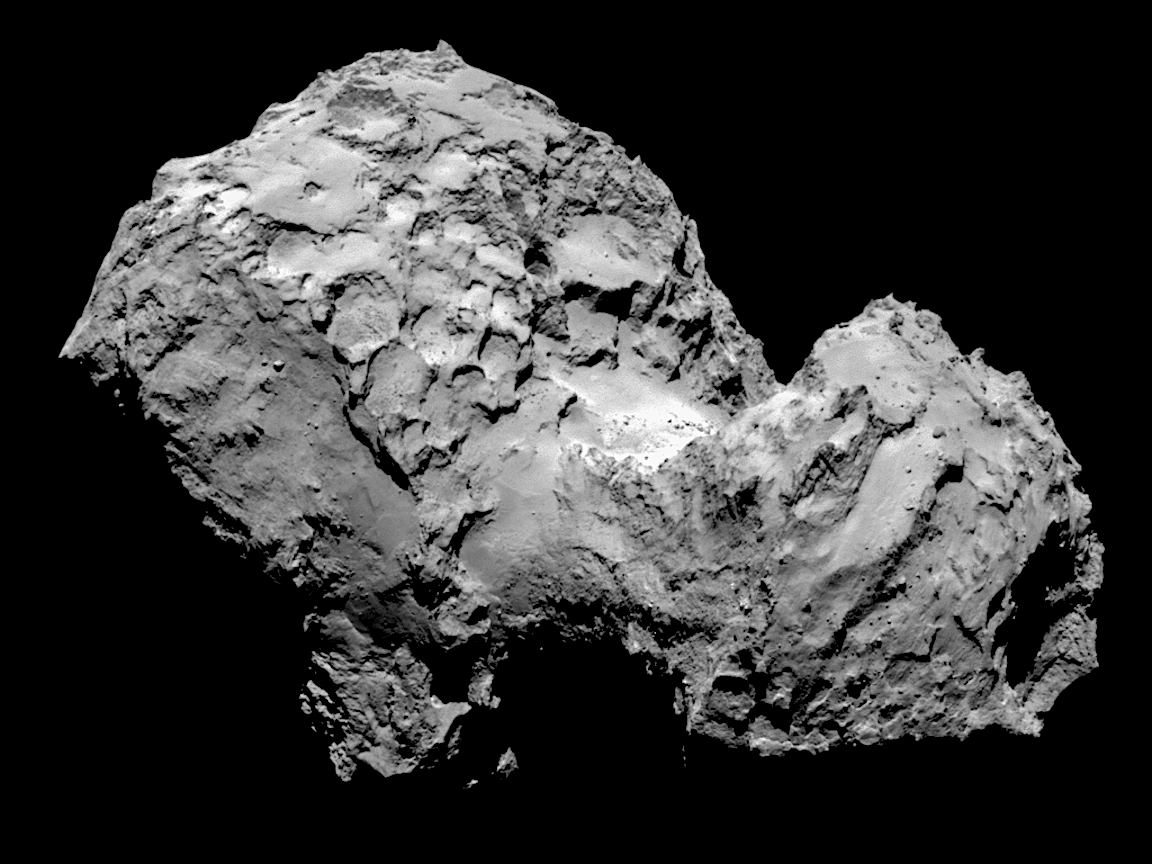
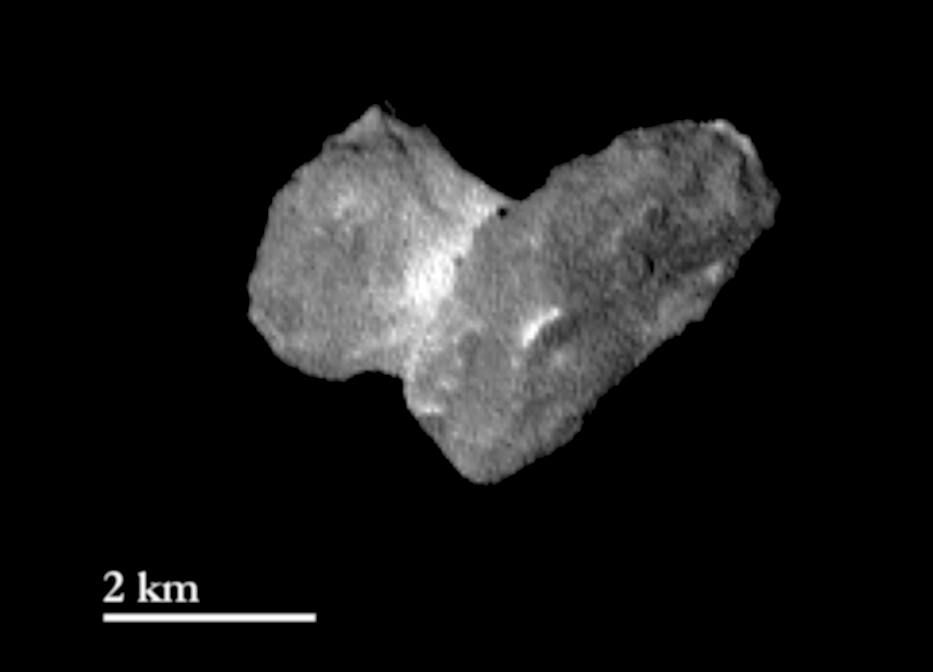
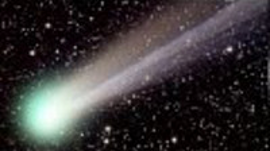
Aug 6, 2014 Rosetta is orbiting Comet 67P/Churyumov–Gerasimenko A little more than half way between Mars and Jupiter, at around 400 million kilometers from Earth, the Rosetta cometary probe completed its maneuvers and settled into orbit around 67P/C-G. Mission team members are analyzing images, in order to determine an appropriate…

Continue reading

Ceres Ahead

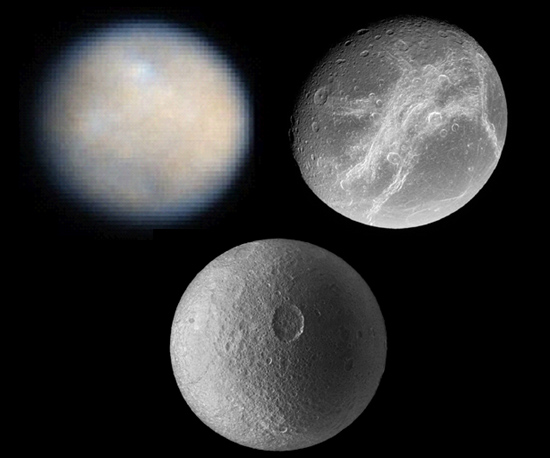
  Aug 05, 2014 The Dawn spacecraft will arrive at Ceres in August of 2015 Ceres is the largest asteroid in the Solar System. The most recent measurement from the Hubble Space Telescope puts it at approximately 975 kilometers in mean diameter. It is so large that it is roughly spherical,…

Continue reading

Preparing for Orbit

Comet_on_29_July_2014_node_full_image_2

Aug 1, 2014 The comet is currently 544 million kilometers from the Sun. Comet 67P/Churyumov–Gerasimenko (67P/C-G) is about one year away from perihelion, or its closest approach to the Sun. As seen in the image above, there is also a “waist” between the two halves of the comet that appears…

Continue reading

Monument Valley

Jul 25, 2014 The deserts of the Southwest United States are full of anomalous geography. In a previous Picture of the Day, the giant sandstone tors of Monument Valley, Arizona were mentioned, in passing. Consensus geology considers monolithic structures to be millions of years old, and the result of erosion…

Continue reading