Hunting Planets

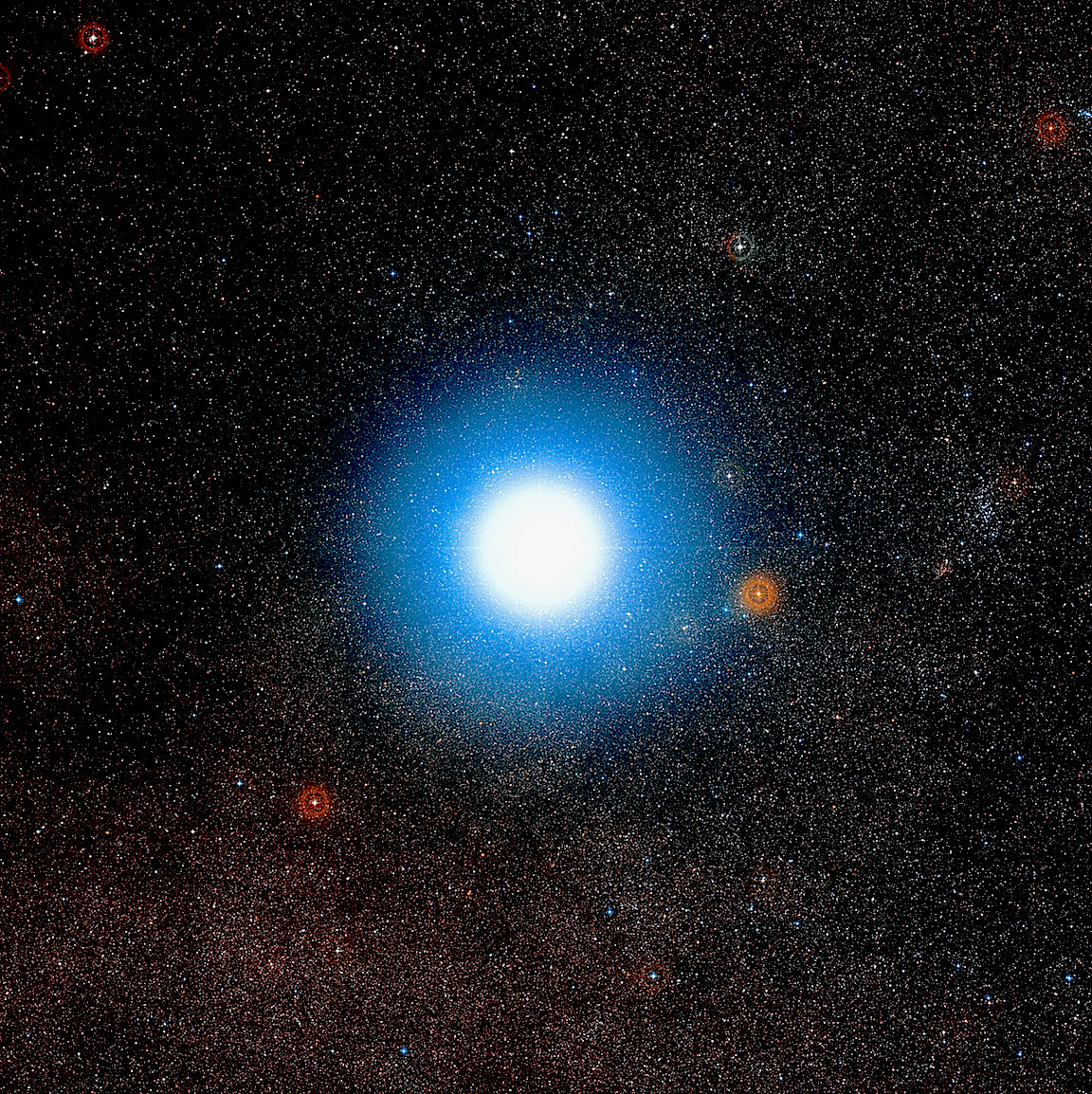
  Oct 27, 2014 Are there billions of rocky planets in the galaxy? “Are we alone in the Universe?” That is probably one of the earliest questions that people ask, after “where do we come from?” According to the European Southern Observatory (ESO), there could be planets galore in our…

Continue reading

Not So Far

  Oct 24, 2014 If redshift equals distance calculations are incorrect, the Universe could be a much different looking place. “Of course, if one ignores contradictory observations, one can claim to have an ‘elegant’ or ‘robust’ theory. But it isn’t science.” — Halton Arp The speed of light is used…

Continue reading

The Heart of the Matter

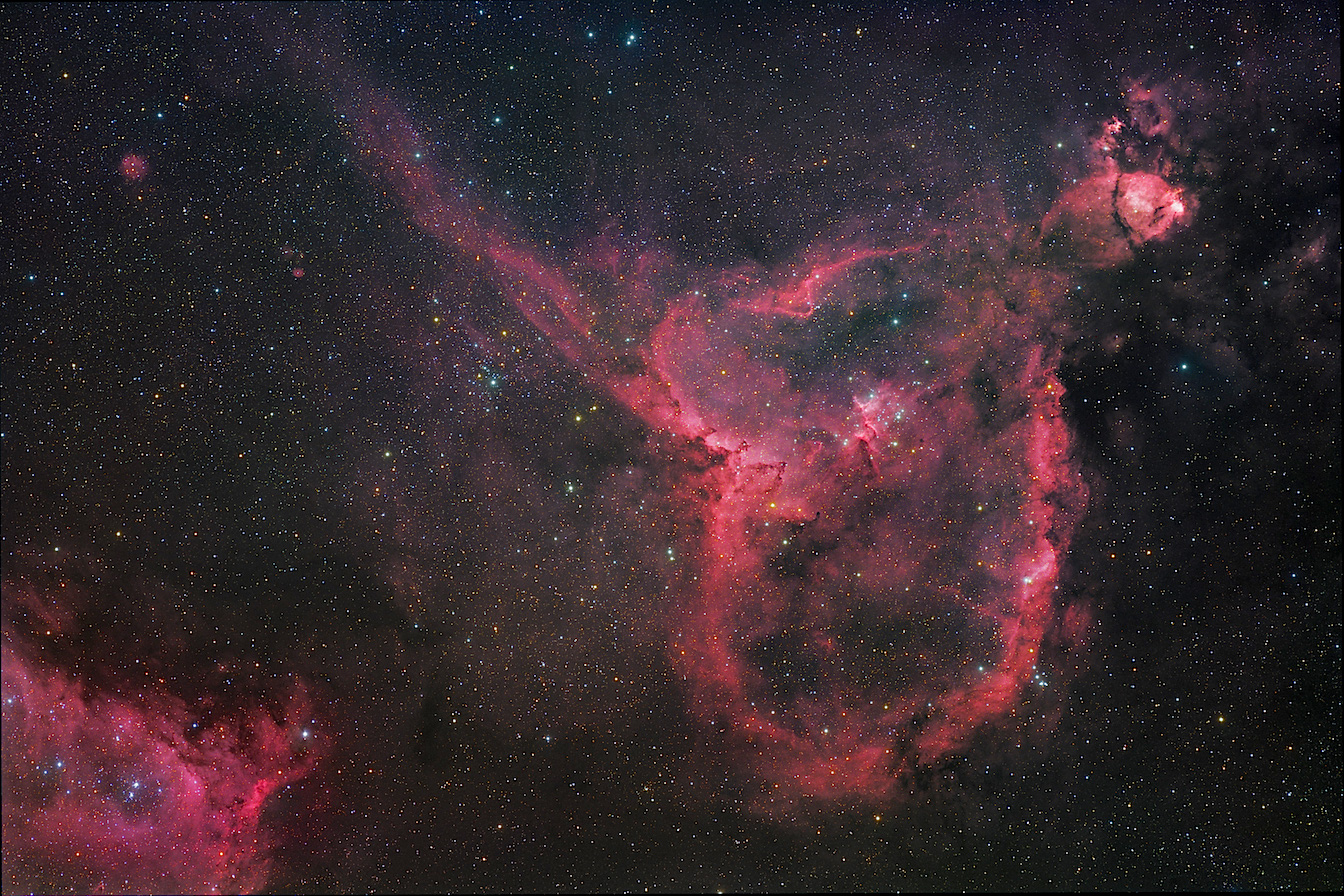
The_Heart_nebula

  Oct 22, 2014 Nebulae exhibit electrical characteristics. Previous Picture of the Day articles contend for an electrical interpretation of astrophysical observations. Every science journal describes nebulae like IC 1805 in terms of gases and “blowing” dust, along with “winds” created by “shock waves” from exploding stars. In many cases…

Continue reading

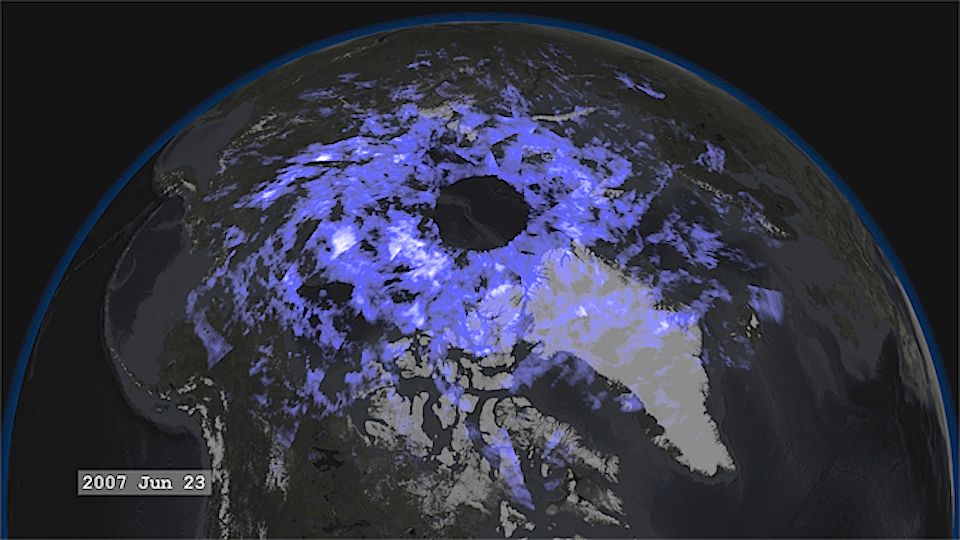
Polar Mesospheric Clouds

  Oct 21, 2014 Could noctilucent clouds be part of Earth’s auroral phenomena? On April 25, 2007 NASA launched the Aeronomy of Ice in the Mesosphere (AIM) spacecraft on a multi-year mission to study the highest visible clouds, otherwise known as polar mesospheric clouds, or noctilucent clouds. Although AIM’s primary mission…

Continue reading

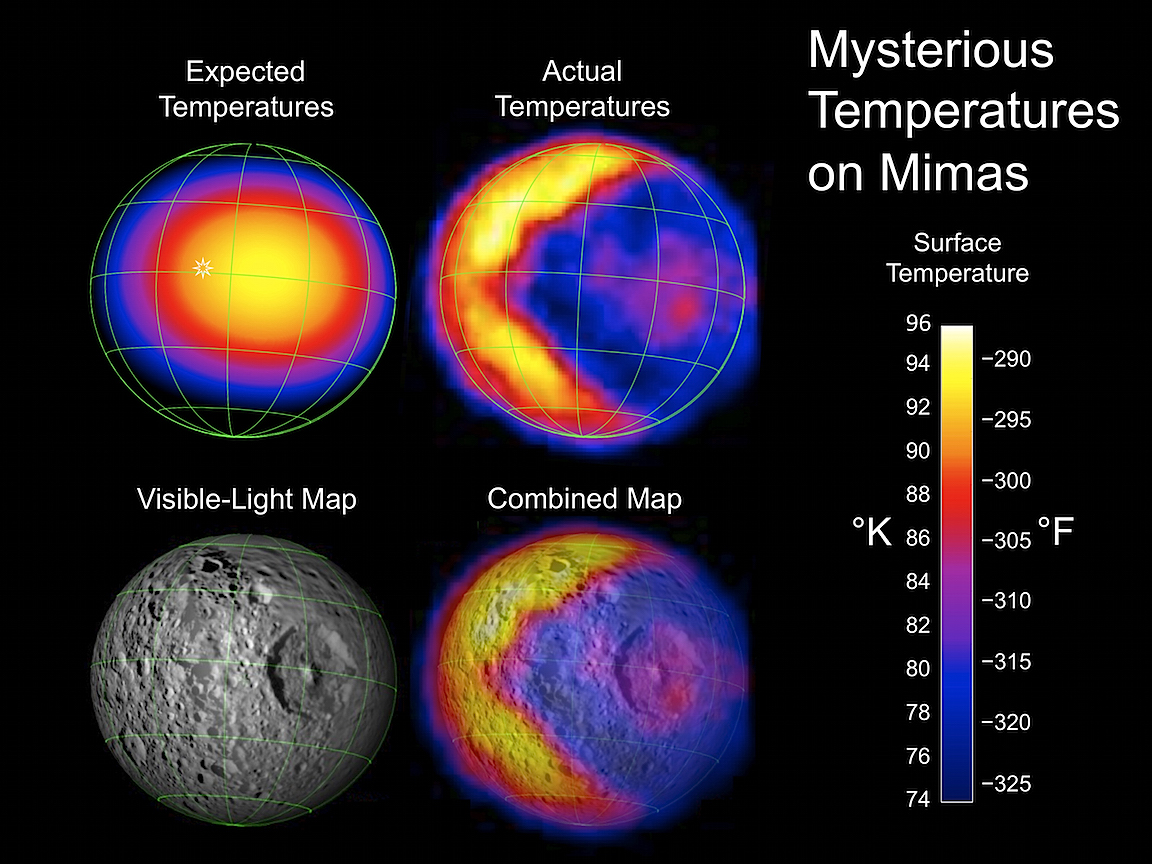
Rocking Rock

  Oct 20, 2014 Saturn’s moon Mimas exhibits a significant libration. In past Picture of the Day articles, several moons in the Solar System were analyzed in terms of their electrical connection with their parent bodies. In particular, the discovery that Jupiter’s moon Io and Saturn’s moon Enceladus are exchanging…

Continue reading

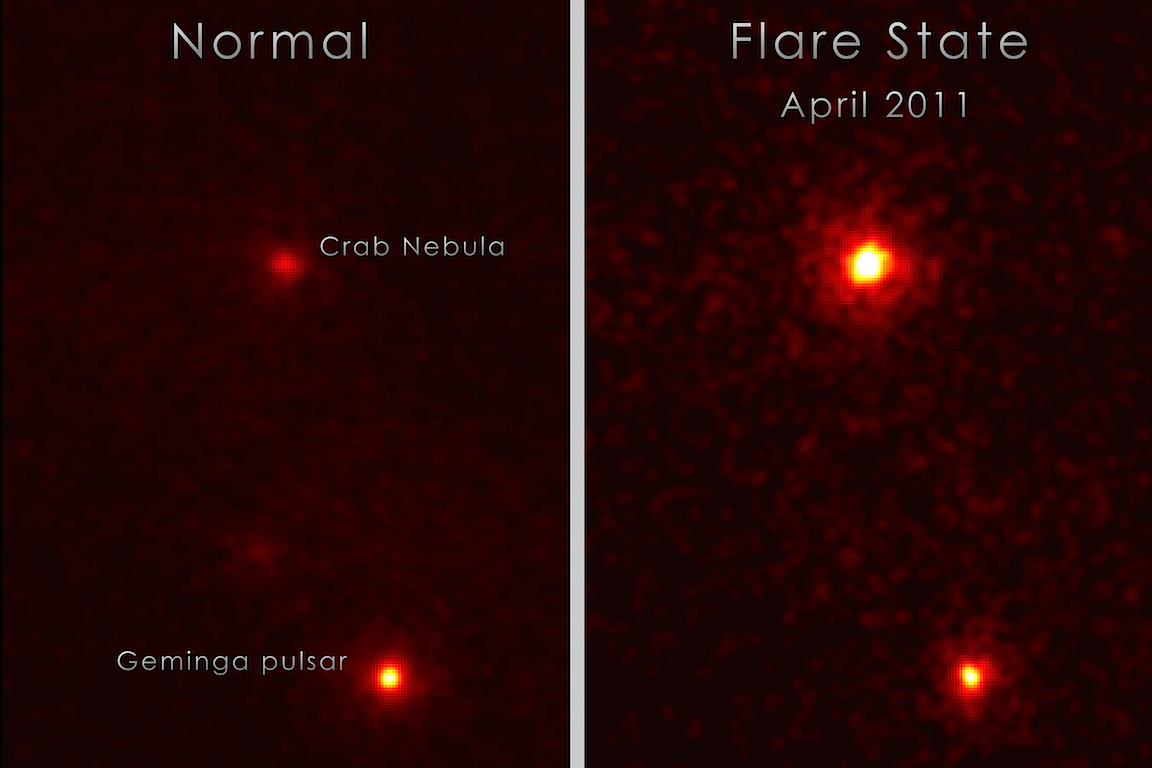
Super Flares

  Oct 17, 2014 The Crab Nebula is surprisingly energetic. The Fermi Gamma-ray Space Telescope has detected several unidentified sources of intense gamma-ray emissions that are not seen in any other frequencies. NASA launched the telescope on June 11, 2008. Its primary mission is to detect high frequency electromagnetic waves…

Continue reading

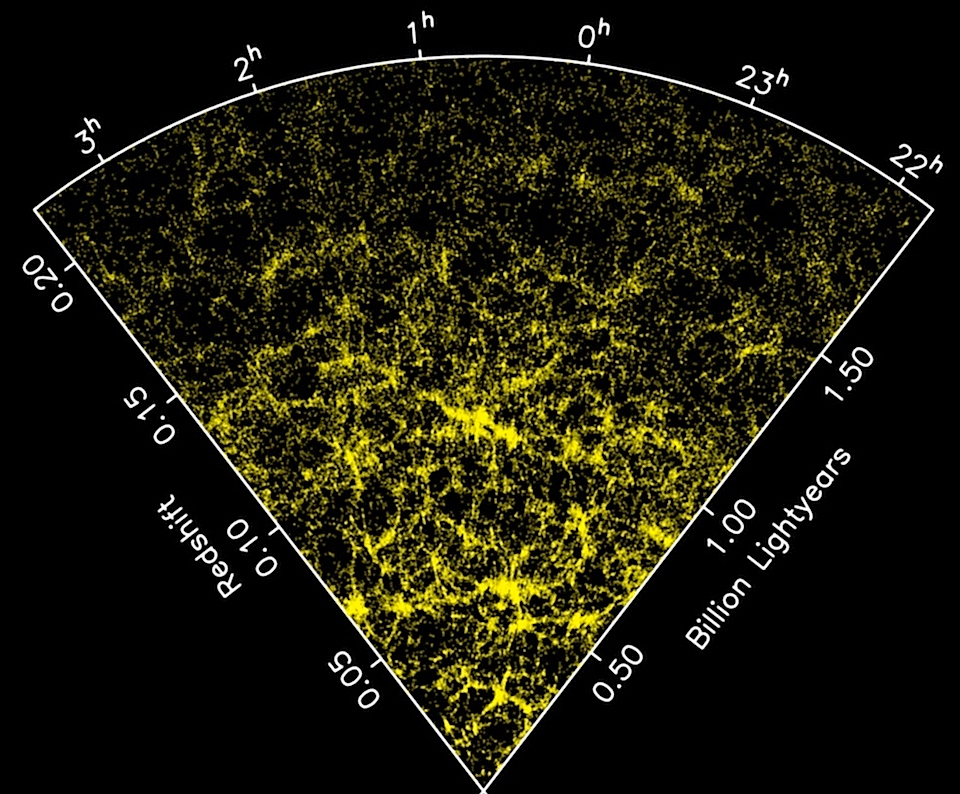
Weighing the Void

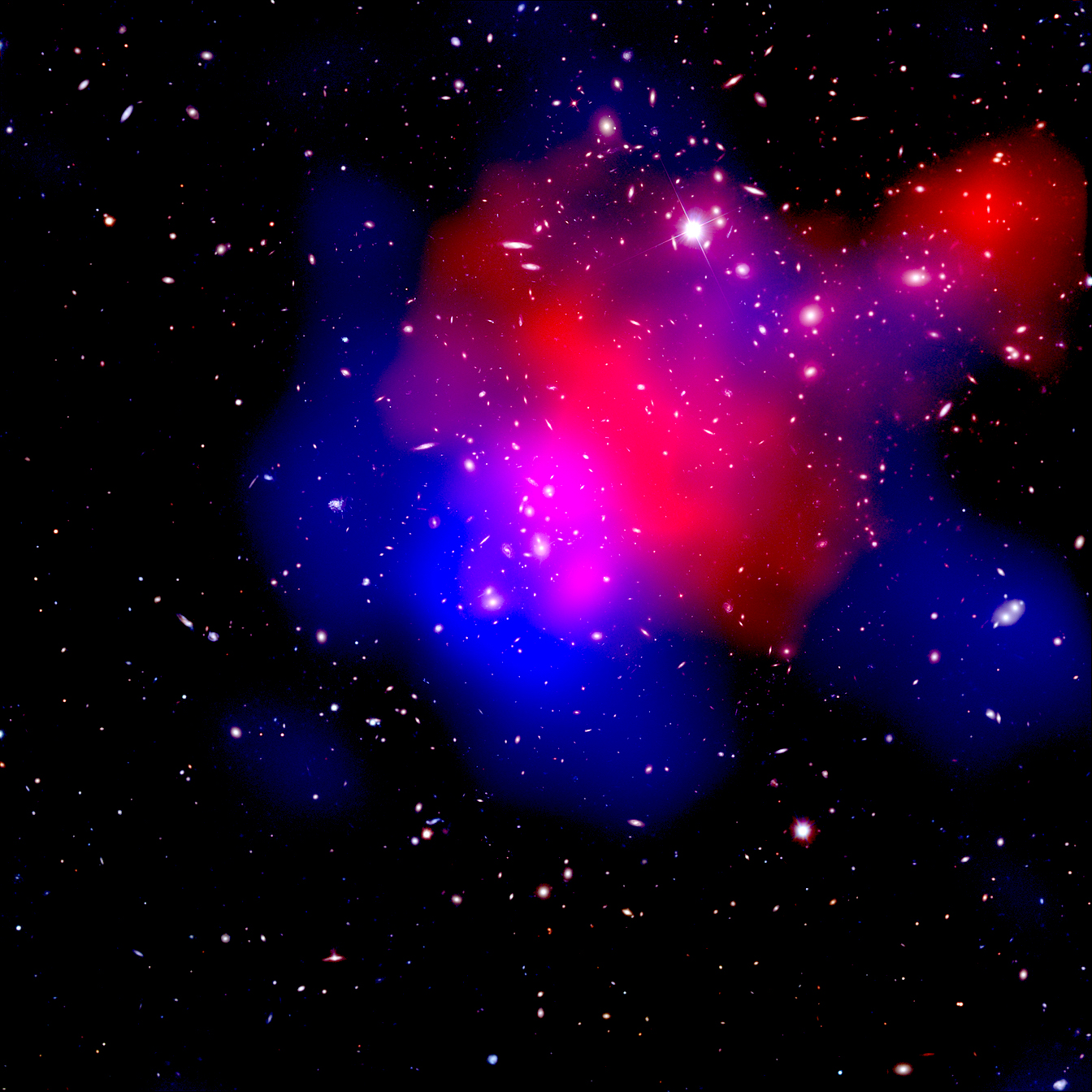
  Oct 16, 2014 Can the Universe be weighed in the balance? What causes the formation of compact galactic clumps and filaments? One proposal is that gravitational “tidal forces” pull stars and gas out of other galaxies as they pass by each other. Another suggestion is based on the movement of…

Continue reading

On Donder! On Blitzar!

  Oct 15, 2014 Radio bursts from intergalactic space. Several Picture of the Day articles address the problems with Gamma Ray Bursters (GRB). GRBs are said to be incredibly powerful electromagnetic emissions generated by neutron star collisions, supernova explosions, or black hole “birth pangs”. The first few GRBs detected by the…

Continue reading