The Cold Cosmos

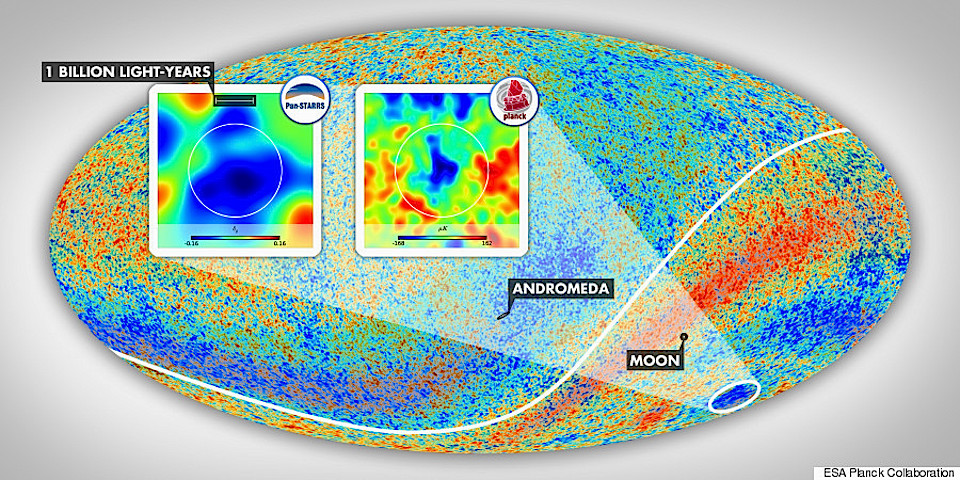
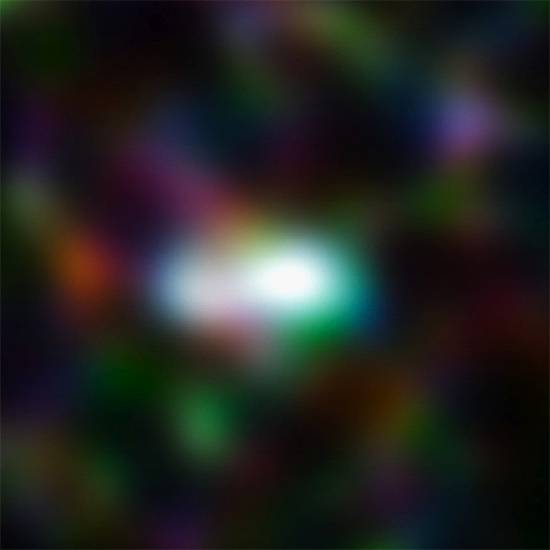
  Dec 1, 2015 Birkeland current interaction is probably the best large-scale structure model for the Universe. A recent article in the astronomical journals and popular press identifies an area of space as a “huge hole” completely empty of matter and energy; “colder” than any other region previously observed. According to…
Continue reading

Earthquakes and Volcanoes

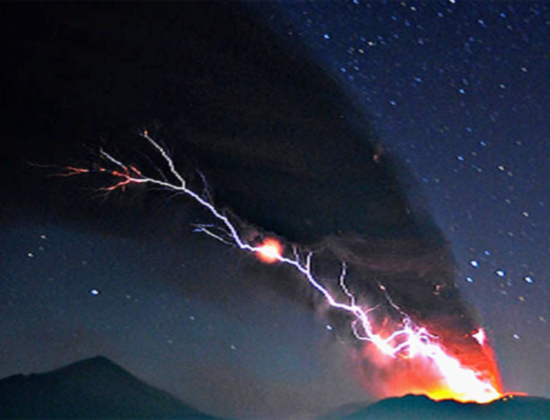
Volcano and lightning

  Nov 27, 2015 Lightning discharges in the atmosphere are familiar, but what about the ones underground? The electrical phenomenon we call lightning is not well understood. The most common interpretation involves the circulation of water vapor up and down through clouds in a process called convection. Water is heated…

Continue reading

Star Streams

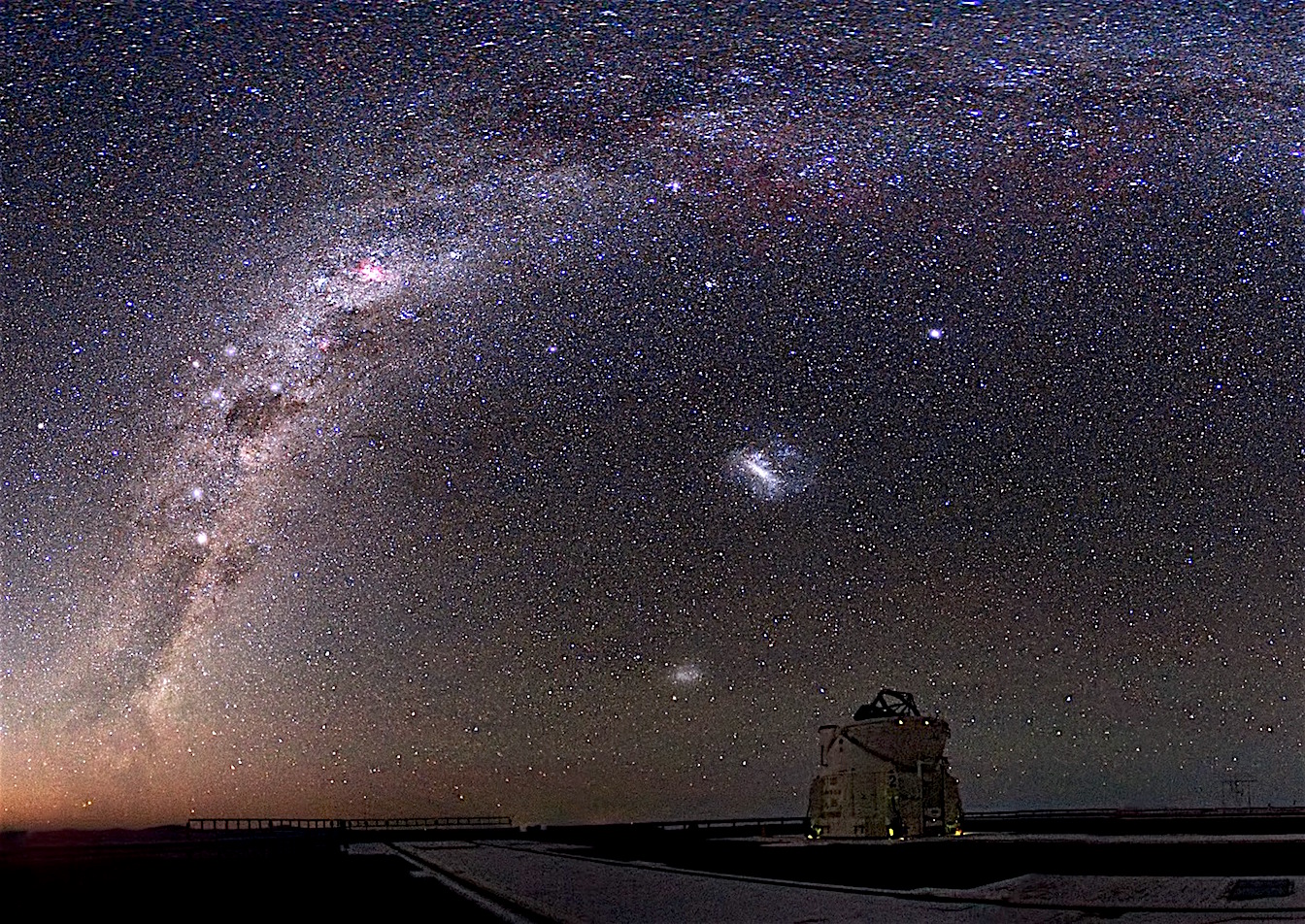
    Nov 25, 2015 Electrical interpretations are often a better fit. Two dwarf galaxies, known as the Magellanic Clouds, are orbiting the Milky Way and might have once been part of it. Both reside at the beginning of a filamentary structure known as the Magellanic Stream. The Small Magellanic…

Continue reading

Auroral Arrangement

  Nov 24, 2015 Earth and Jupiter reveal their common connections to the Sun. As previous Picture of the Day articles mention, Earth possesses a complex electrically active structure called a magnetotail (or plasma tail) that extends for millions of kilometers, always pointed away from the Sun. Streams of charged particles…

Continue reading

Vesta’s Big Sister

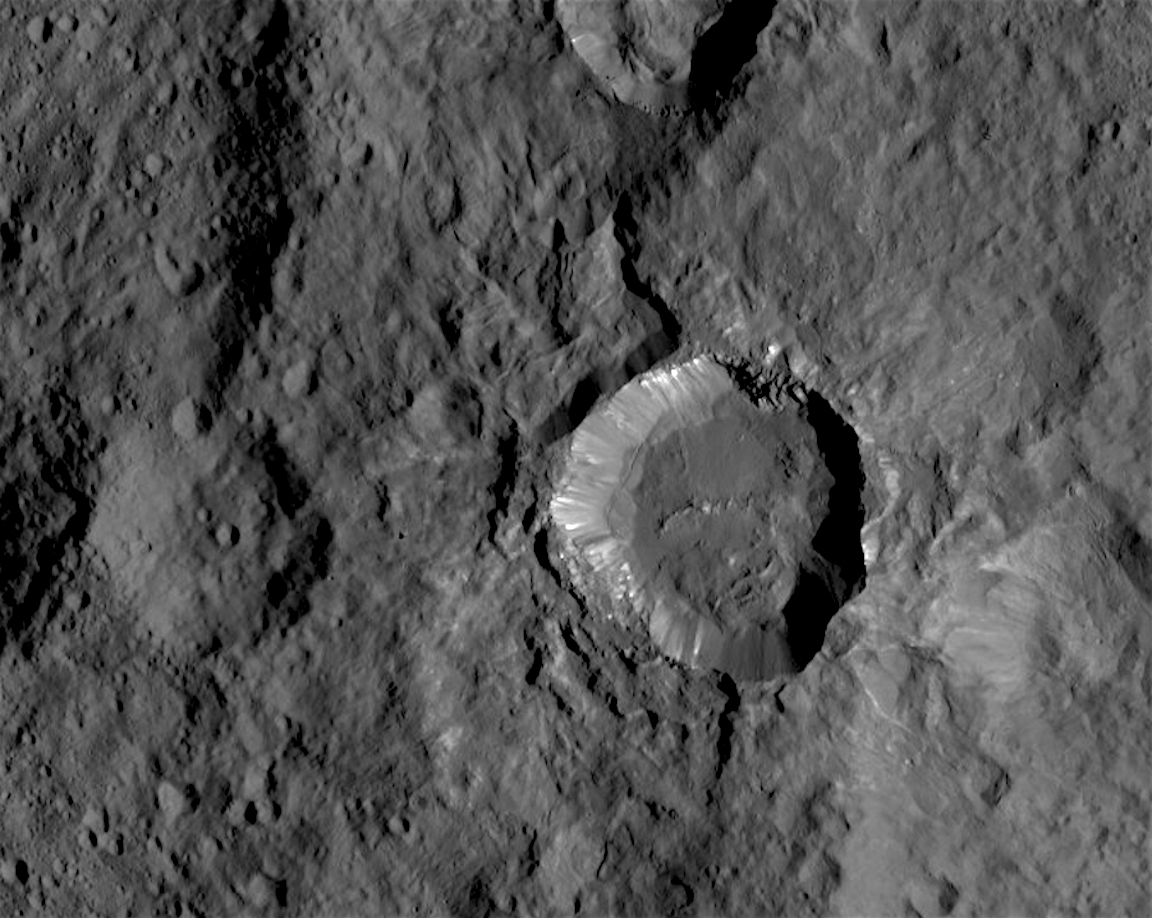
  Nov 20, 2015 The dwarf planet Ceres shares many characteristics with other rocky bodies. NASA launched the Dawn spacecraft on September 27, 2007. Its scientific observations of the asteroid Vesta began on July 17, 2011 and ended on September 5, 2012 when Dawn fired-up its ion thruster engine and headed toward…

Continue reading

A Place in the Stars

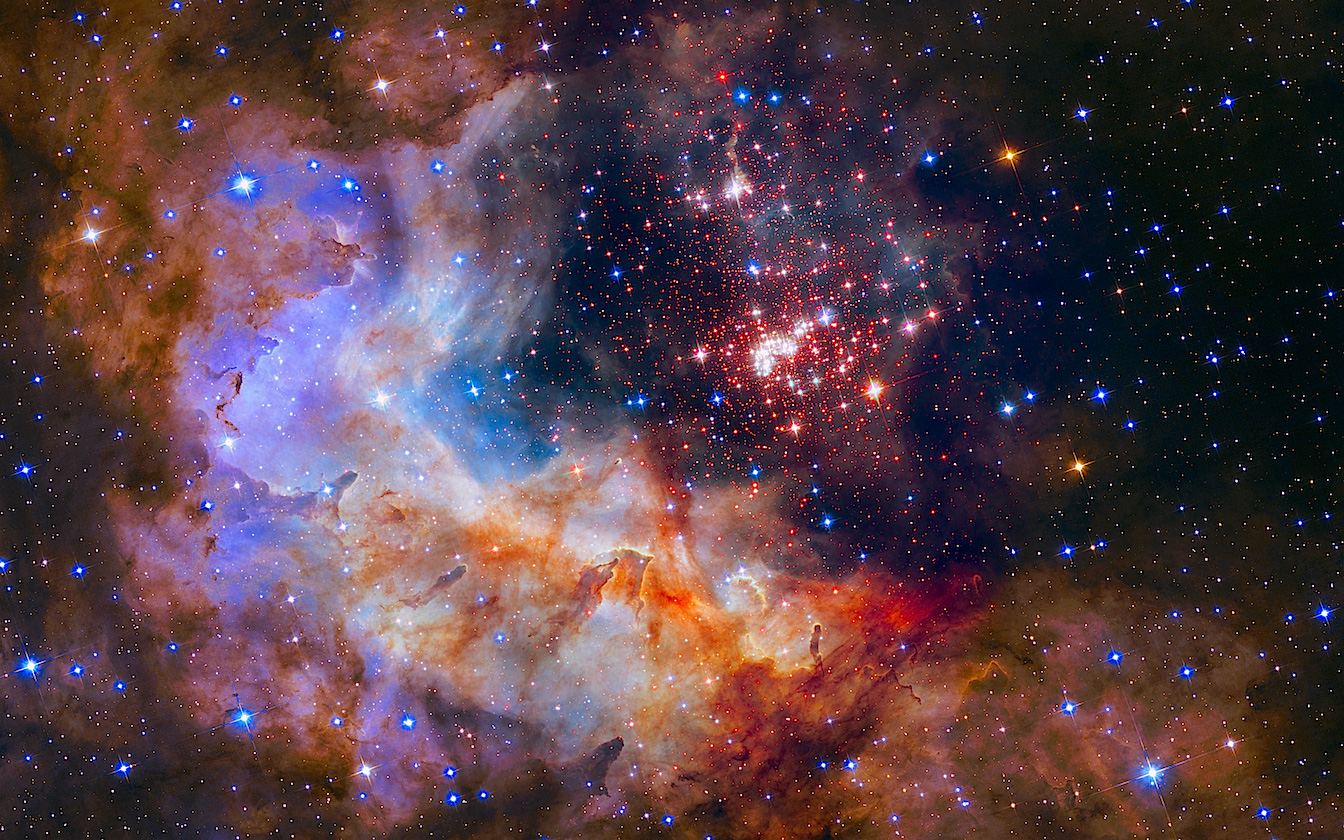
  Nov 19, 2015 What takes place on Earth most likely reflects large-scale phenomena. In celebration of the Hubble Space Telescope’s twenty-fifth anniversary, the European Space Agency (ESA) released the image at the top of the page. The star cluster known as Westerlund 2, along with the surrounding view of the…

Continue reading

Distant Cousins

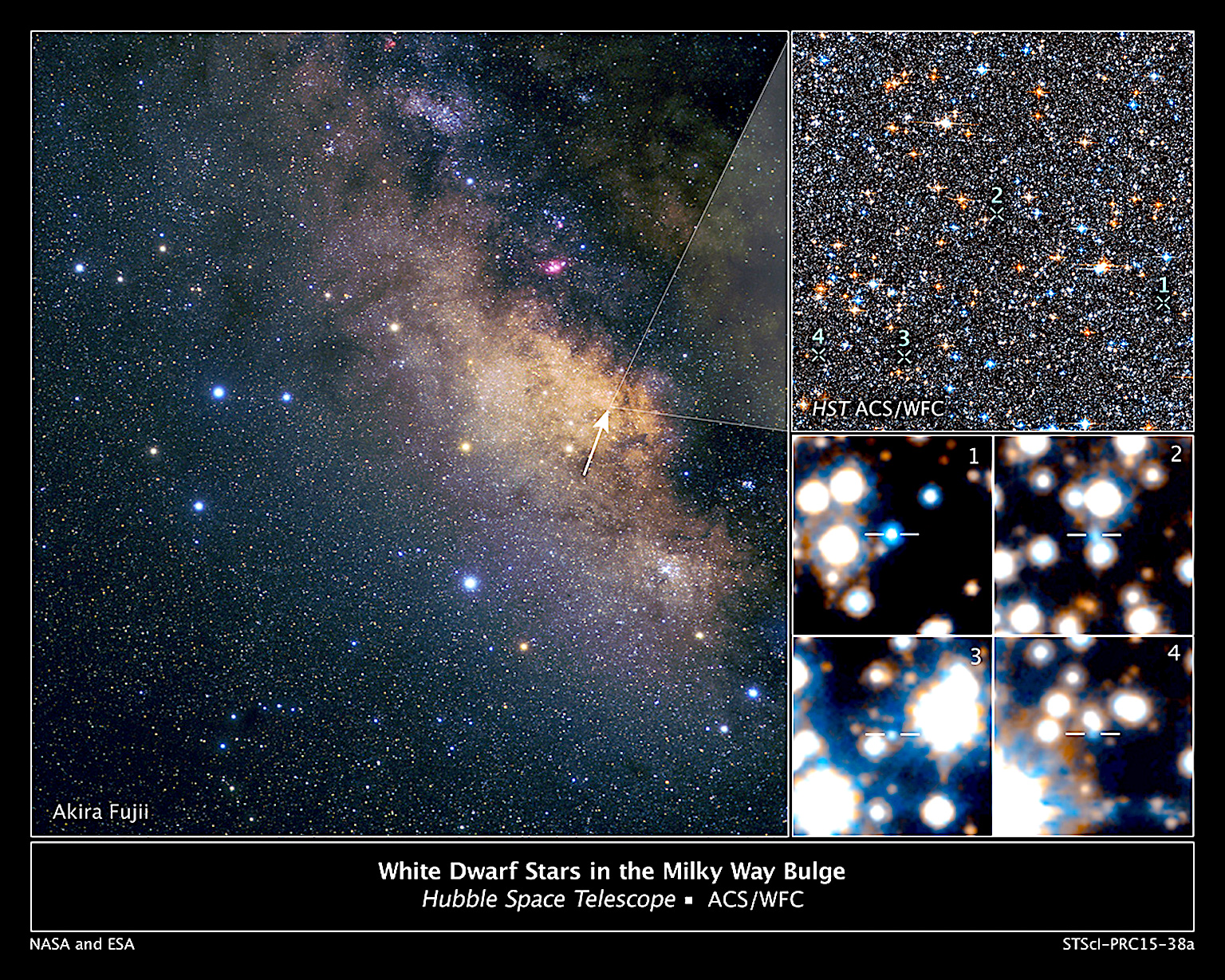
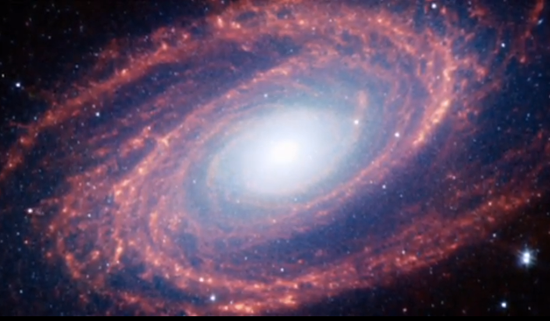
  Nov 18, 2015 How are stars and galaxies born? The Milky Way is thought to harbor nearly a trillion stars in orbit around its central gravity source. According to cosmologists, our galaxy condensed out of a cloud of hydrogen and dust thousands of light-years wide, with a more-or-less homogeneous…

Continue reading