Medusae Fossae

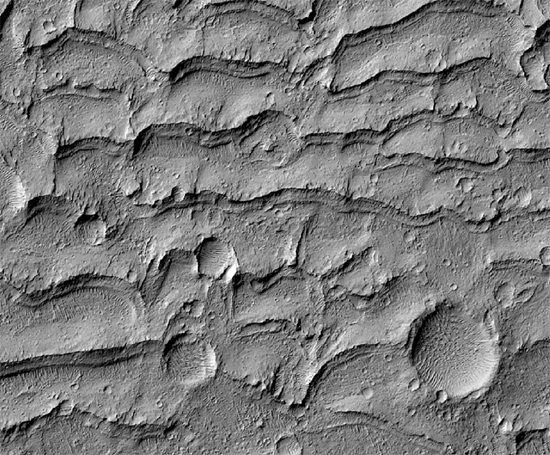
Medusae Fossae on Mars

Original Post May 28, 2012 What carved these landforms? Mars has been the subject of many previous Picture of the Day articles. Since its surface is preserved in a desert-like deep freeze, and appears devoid of water erosion, it is an excellent observational laboratory for Electric Universe concepts. One of…
Continue reading

Radio Elliptical

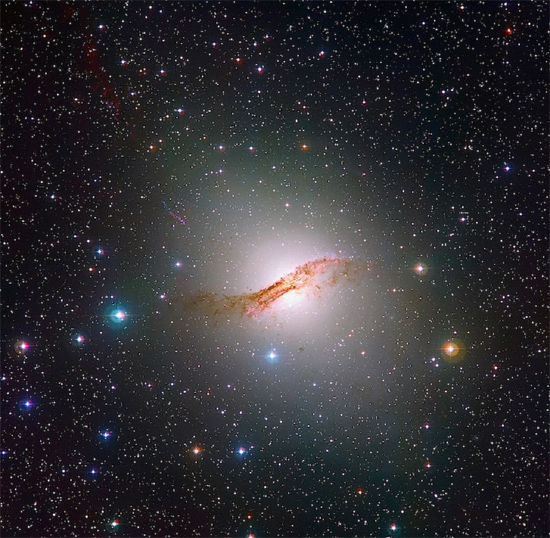
NGC 5128

Original Post May 23, 2012 One of the largest “active galaxies” is thought to be powered by a supermassive black hole. Electrical energy is a more likely driving force. A press release from the European Southern Observatory (ESO) announces that the elliptical galaxy Centaurus A is ejecting a light-years long…

Continue reading

Daughter of Heaven

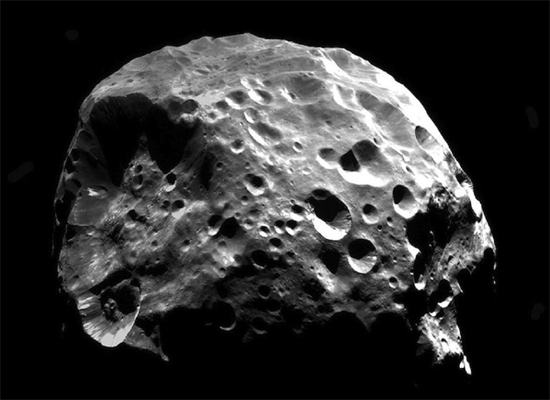
Original Post May 16, 2012 Recent analyses suggest that Saturn’s moon Phoebe resembles a planet. Saturn’s moon Phoebe is comparatively small, roughly 220 kilometers in diameter. Its surface gravity is 0.224m/s^2, compared to the 9m/s^2 on Earth. Phoebe is also as black as night, making it one of the darkest…

Continue reading

Sturm und Drang

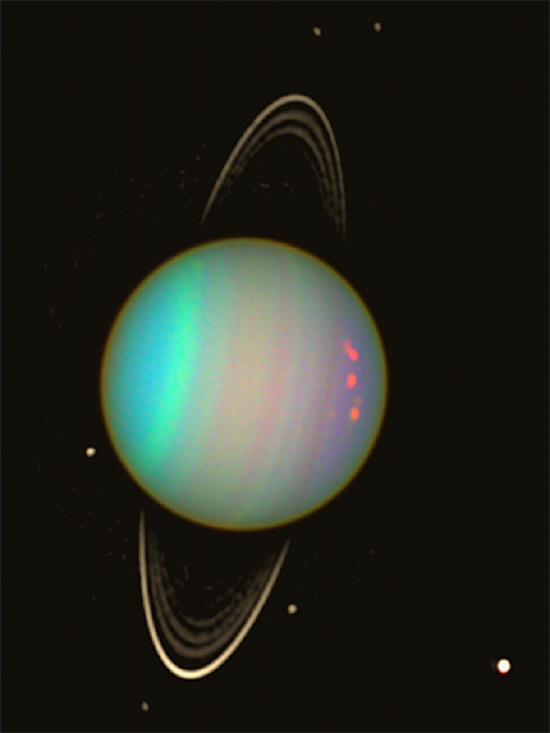
Uranus with a few of its moons

Original Post May 7, 2012 Uranus recently erupted with a new bright region in its lower latitudes. Could electrical effects be responsible? The planet Uranus revolves around the Sun at a mean orbital radius of 2,870,990,000 kilometers, 19 times as far as the Earth. Of course, its most exotic attribute…

Continue reading

Les Panaches De La Lune

Original Post May 4, 2012 Enceladus continues to provide evidence supporting Electric Universe theories. On March 2, 2012 the Cassini-Solstice spacecraft flew by Saturn’s moon Enceladus at a distance of 74 kilometers, the closest it will come for the next three years. Cassini again passed over the “superheated geysers” erupting…

Continue reading

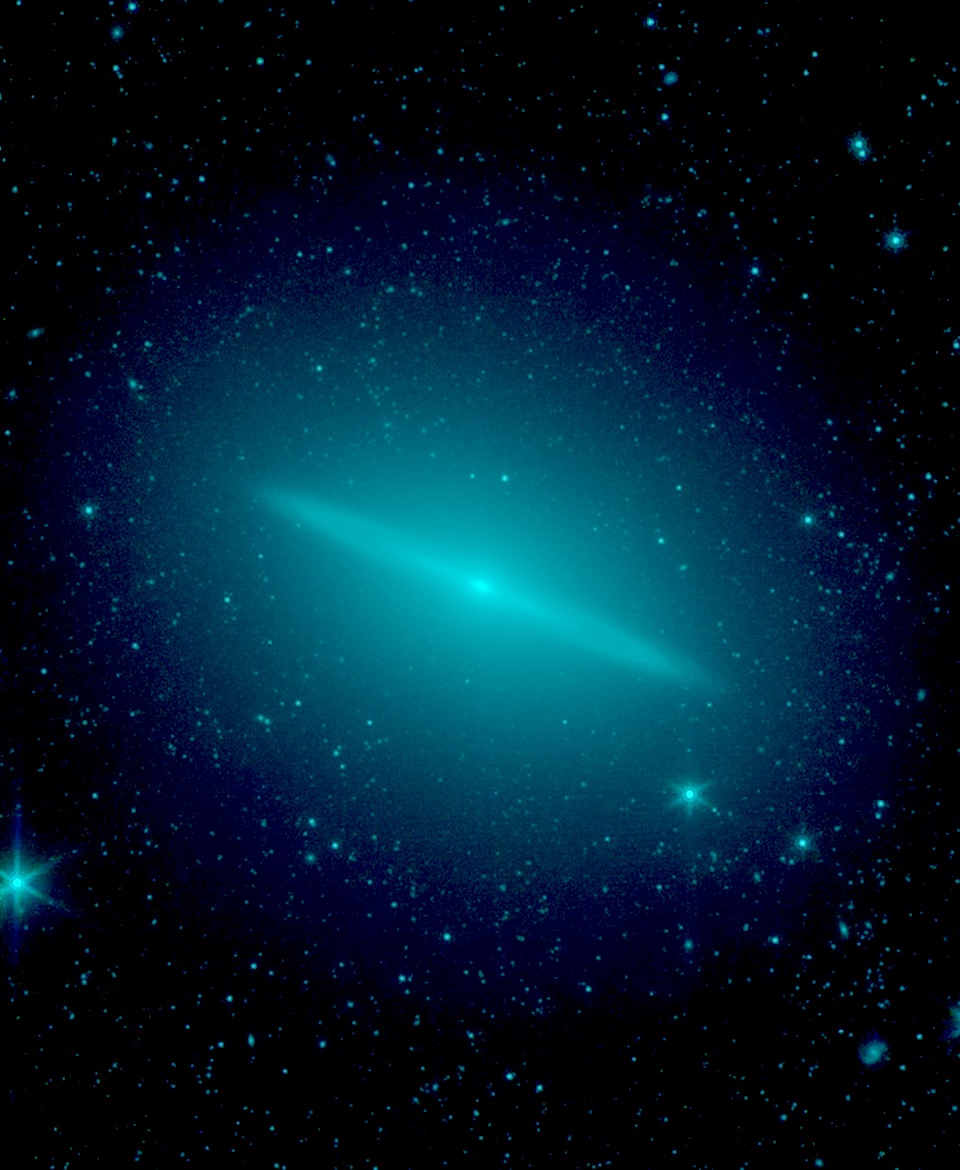
Two for One

Original Post April 27, 2012 The Sombrero galaxy appears to be a giant elliptical galaxy with an embedded disk. One of the most significant contributions to plasma cosmology comes from Dr. Anthony L. Peratt, a plasma physicist and protégé of the Nobel laureate Hannes Alfvén. Peratt studied plasma formations in…

Continue reading

Cosmic Ions

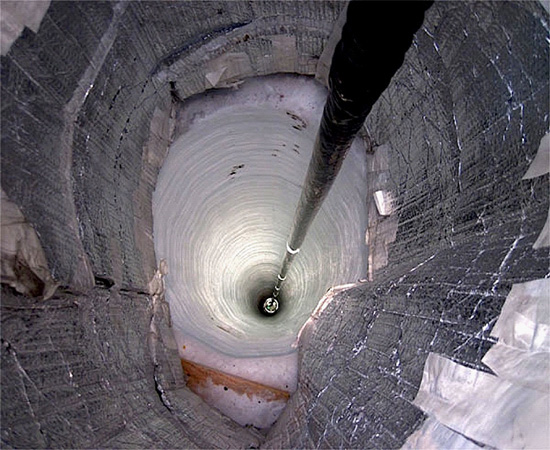
Part of the IceCube neutrino observatory in Antarctica

Original Post April 25, 2012 New studies suggest that the origin of the strongest cosmic rays is still mysterious. Cosmic rays are energetic ions from space that arrive in the Sun’s local neighborhood traveling at extremely high velocities. About 90% of all cosmic rays are single protons, or hydrogen nuclei,…

Continue reading

Made You Blink

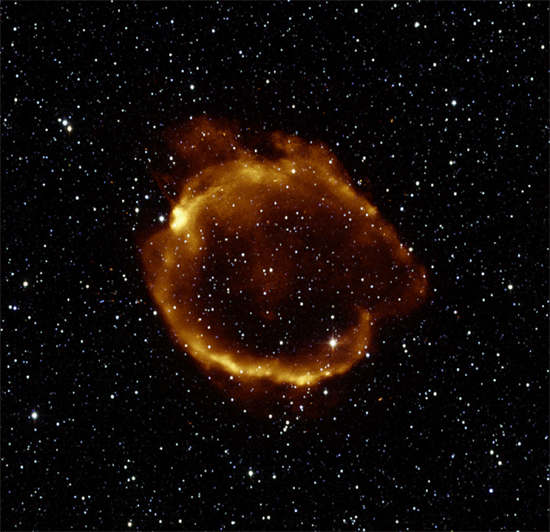
Composite x-ray and infrared image of a nearby purported supernova remnant

Original Post April 19, 2012 The problem with astronomy is not that the stars are so far away or that modern instruments are expensive. The problem with astronomy is the human tendency to blink when something unexpected comes at you quickly. For three centuries, Newton was God, Gravity was King,…

Continue reading

The Fog Clears

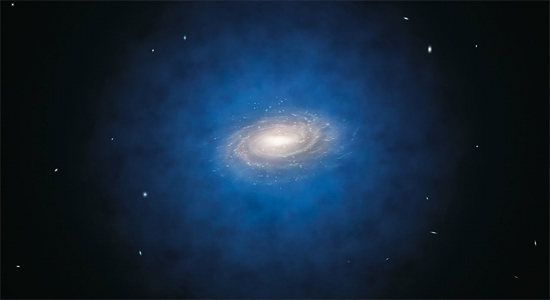
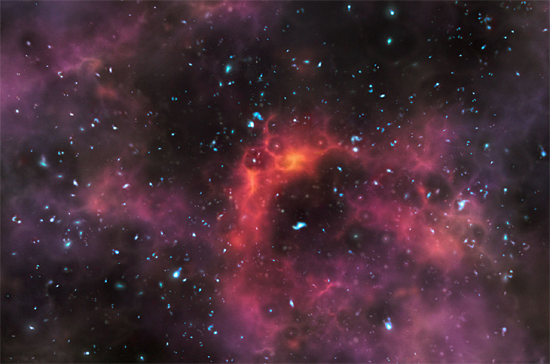
Artist’s impression of imagined fog

  Original Post April 16, 2012 Redshift measurements of five galaxies verify what astronomers have always believed—if their beliefs are true. The nice thing about math is that it provides results that are absolutely true. Unless you’ve made errors in your addition, you can be sure that your conclusions are…

Continue reading